Get flexible financing and instant approvals for urgent home repairs—apply online today.

Author: Amanda Zink

Common Plumbing Problems in Lake Havasu City Homes

Lake Havasu City sits in one of the most demanding environments in the country for residential plumbing. Between the extreme summer heat, some of the hardest water in Arizona, and a housing stock that ranges from mid-century builds to newer developments on rocky desert terrain, local homes deal with plumbing issues that most national guides simply do not cover.

At Air Control Home Services, we have been serving Lake Havasu City homeowners for years. Our licensed plumbers work in this market every single day, which means we have seen firsthand which problems come up most often, why they happen here specifically, and what it actually takes to fix them. This guide covers the most common plumbing problems we get called out for in Lake Havasu City, so you know what to look for and when it is time to call a professional.

Why Lake Havasu City Is Hard on Plumbing

Before getting into specific problems, it helps to understand why Lake Havasu homes face more plumbing stress than homes in most other parts of the country. Two factors drive the majority of issues we see.

Extremely Hard Water

The water supply in Lake Havasu City comes from the Colorado River and is classified as very hard, typically measuring between 250 and 400 parts per million (ppm) of dissolved minerals, primarily calcium and magnesium. For context, water above 180 ppm is considered very hard. Most of the country sits well below that threshold.

That mineral content does not just taste different. It deposits scale inside pipes, water heaters, fixtures, and appliances every single day. Over months and years, those deposits narrow pipe openings, reduce water heater efficiency, corrode fittings, and cause fixtures to fail earlier than they should. Hard water is the single biggest accelerant of plumbing wear in Lake Havasu City homes.

Extreme Heat

Summer temperatures in Lake Havasu City regularly exceed 115 degrees Fahrenheit. That heat affects supply line pressure, accelerates the breakdown of pipe seals and fittings, and causes significant thermal expansion in both water heaters and the pipes connected to them. Homes that sit unoccupied for part of the year face added risk because temperature swings inside the structure go unchecked.

With those two factors in mind, here are the problems we see most often.

Hard Water Scale Buildup and Mineral Damage

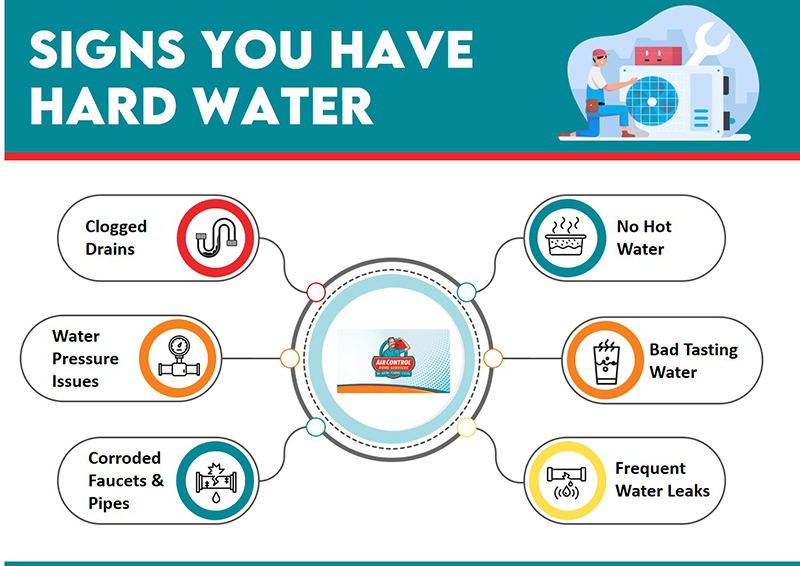
Scale buildup is the slow-moving plumbing problem that most Lake Havasu homeowners underestimate until something fails. Calcium and magnesium deposits accumulate on the inside walls of supply pipes over time, gradually narrowing the opening through which water flows. The result is reduced water pressure, slower fixture output, and eventually a line that is partially or fully blocked.

You can spot early signs of mineral buildup by looking at your faucet aerators and showerheads. If they are coated in white or yellowish crust, that same material is lining the inside of your pipes and your water heater tank. Other signs include white residue around drain openings, stained fixtures, and appliances like dishwashers or washing machines that cycle longer than they used to.

Scale buildup is also highly corrosive to older copper and galvanized steel pipes. The minerals create an environment that accelerates pitting and pinhole leaks, particularly at joints and bends where water slows and deposits concentrate.

The long-term solution is a whole-home water softener or filtration system that treats water before it enters your pipes. In the shorter term, a plumber can descale fixtures and assess whether existing pipe walls have been compromised.

Water Heater Problems

Water heaters in Lake Havasu City work harder and fail faster than the national average, and hard water is the primary reason. Mineral scale settles at the bottom of tank-style water heaters and forms an insulating layer between the burner and the water. The unit has to run longer to reach temperature, energy costs go up, and the tank itself degrades from overheating at the base.

Signs your water heater is struggling include:

  • Rumbling or popping sounds during heating cycles (sediment being disturbed by boiling water underneath it)
  • Water that takes longer than usual to heat
  • Discolored or metallic-tasting hot water
  • A unit that is more than 8 to 10 years old and has never been flushed
  • Visible rust or moisture around the base of the tank

Annual tank flushing removes sediment buildup and extends water heater life significantly. Many Lake Havasu homeowners skip this step because the unit still works, but by the time it stops working it is often too far gone to repair cost-effectively.

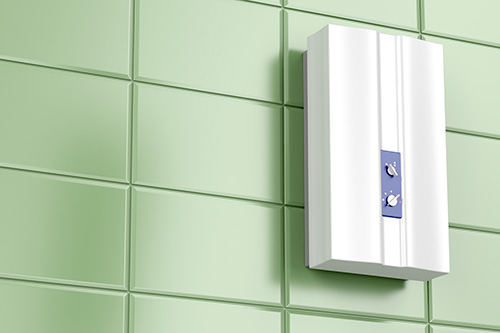
Tankless water heaters are increasingly popular in this market because they do not accumulate sediment the same way. However, they still require descaling in hard water environments, typically every one to two years depending on usage. Our team handles both tank water heater repair and replacement and tankless water heater service throughout Lake Havasu City.

Slab Leaks

Slab leaks are one of the more serious and expensive plumbing problems Lake Havasu City homeowners face. They occur when a supply or drain line running beneath the concrete slab foundation develops a leak, often due to corrosion, shifting soil, or pipe friction against the concrete over time.

Hard water accelerates slab leak risk significantly. The mineral content corrodes copper pipes from the inside while the alkaline soil in the Lake Havasu area can corrode them from the outside. The combination creates ideal conditions for pinhole leaks in lines that are completely inaccessible without detection equipment or opening the slab.

Warning signs of a slab leak include:

  • A noticeable increase in your water bill with no change in usage
  • The sound of running water when all fixtures are off
  • Warm or wet spots on your floor
  • Cracks developing in flooring, baseboards, or walls
  • Low water pressure that has appeared gradually over time
  • Mold or mildew smell near the floor level

Slab leaks do not resolve on their own. Left unaddressed, they erode the foundation, promote mold growth, and cause significant structural damage. If you notice any of the signs above, contacting a plumber promptly is the right move. Our team uses leak detection equipment to locate the source without unnecessary demolition before recommending the most appropriate repair approach, whether that is spot repair, pipe rerouting, or whole-home repiping.

Low Water Pressure

Low water pressure is one of the most common plumbing complaints we hear from Lake Havasu City homeowners, and it has several possible causes. In newer homes or those with recently replaced pipes, low pressure is often a supply or PRV (pressure reducing valve) issue. In older homes, particularly those built before the 1990s, mineral-restricted pipes are frequently the culprit.

Localized low pressure at a single fixture usually points to a clogged aerator or corroded valve, both of which are straightforward repairs. Whole-home low pressure that has developed gradually over several years in an older property often indicates significant scale buildup inside the supply lines themselves, and in those cases repiping may be the most practical long-term solution.

It is also worth noting that homes in certain Lake Havasu City neighborhoods sit at elevations that affect municipal supply pressure naturally. A plumber can test your incoming pressure and determine whether the issue is structural, corrective, or something that requires infrastructure work to address properly.

Clogged Drains

Drain clogs are universal, but Lake Havasu City homes deal with them in a specific context. Hard water causes soap to bind differently, forming soap scum that adheres to drain walls more aggressively than in soft water areas. That scum traps hair, food particles, and debris, and the resulting blockages tend to be stickier and more resistant to standard drain products than clogs in other markets.

Kitchen drains in Lake Havasu homes are also frequently affected by grease buildup. In extreme heat, grease that enters a drain while warm solidifies quickly once it contacts cooler pipe walls, creating blockages that often sit well downstream from where drain products can reach effectively.

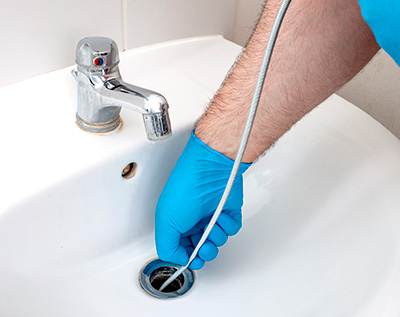
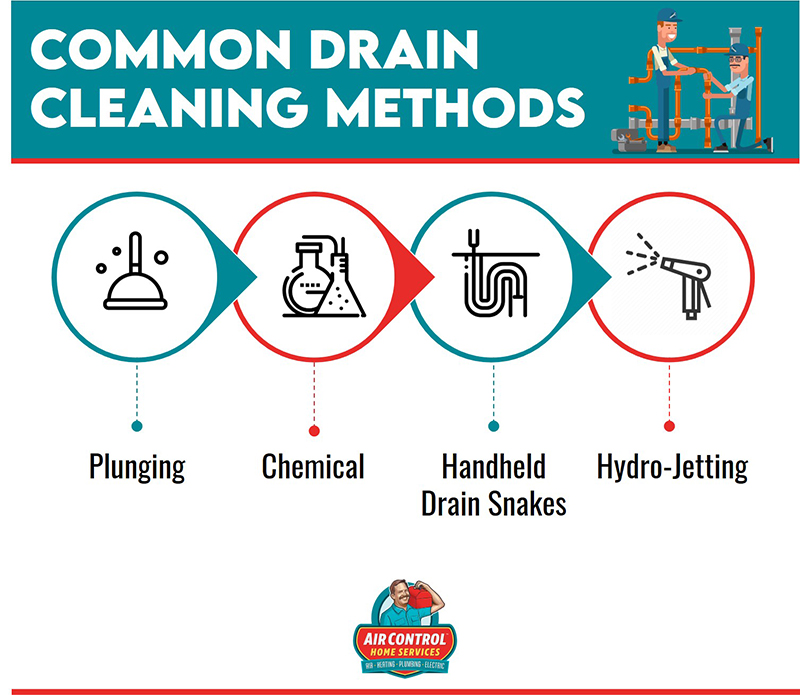
For recurring drain clogs, professional drain cleaning with hydro-jetting equipment clears the entire line rather than just punching a hole through the blockage. It also removes the scale and soap film from pipe walls, reducing how quickly the problem returns. Our team provides drain cleaning service throughout Lake Havasu City for both routine maintenance and emergency blockages.

Pipe Leaks and Water Line Damage

Pipe leaks in Lake Havasu City homes range from minor drips at supply line connections to more significant water line breaks, and the causes vary by pipe material and age. Older galvanized steel pipes corrode from both the hard water inside and the alkaline desert soil outside, eventually developing pinhole leaks and splits that worsen under pressure. Copper pipes in hard water environments are also susceptible to pitting corrosion, particularly at joints.

Thermal expansion is another factor specific to this climate. When a home heats up significantly during summer days and the water inside pipes expands, older fittings and connection points bear significant stress. Supply lines to toilets and under-sink fixtures are common failure points, particularly if the braided lines have not been replaced within the last five to seven years.

Signs of a pipe leak include water stains on walls or ceilings, unexplained increases in your water bill, soft spots in flooring, or the sound of dripping inside walls. Any of these should be checked promptly. Water damage compounds quickly in a warm climate, and mold can establish itself within 24 to 48 hours of a slow leak going unnoticed.

For homes with widespread corrosion issues across older pipe systems, whole-home repiping with modern PEX or copper pipe is often more cost-effective than ongoing spot repairs.

Toilet Problems

Toilets are one of the highest-maintenance fixtures in Lake Havasu City homes, largely because of hard water’s effect on internal components. Mineral deposits accumulate inside the tank and bowl, causing flappers, fill valves, and flush mechanisms to wear and fail significantly faster than manufacturers’ expected lifespans. A toilet that runs continuously or cycles on and off is almost always a flapper or fill valve issue, and in hard water markets those components often need replacement every two to three years rather than the five to seven years typical in soft water areas.

Mineral staining inside the bowl is also common and is not a hygiene failure but rather a water quality issue. A water softener prevents new staining from forming and makes ongoing cleaning more effective.

When to Call an Emergency Plumber in Lake Havasu City

Some plumbing problems can wait for a scheduled appointment. Others cannot. Call a plumber immediately if you experience any of the following:

  • A burst pipe or sudden water line break
  • Water actively flooding from a fixture or connection point
  • Complete loss of water pressure across the entire home
  • A sewer line backup affecting multiple drains simultaneously
  • The smell of sewage inside the home
  • Visible water intrusion near your electrical panel or outlets

Air Control Home Services provides emergency plumber service in Lake Havasu City. If you are dealing with an active plumbing emergency, call us directly rather than submitting an online request.

Protecting Your Plumbing Long-Term in Lake Havasu City

The most effective thing a Lake Havasu City homeowner can do for their plumbing is address the hard water issue at the source. A whole-home water softener or reverse osmosis system dramatically slows scale accumulation in pipes, extends water heater life, and reduces wear on fixtures and appliances across the board. The upfront investment pays for itself through reduced repair frequency and lower energy costs from a more efficient water heater.

Beyond water treatment, a few habits go a long way:

  • Have your water heater flushed annually by a licensed plumber
  • Replace toilet and appliance supply lines on a five-year schedule regardless of appearance
  • Know where your main shutoff valve is and confirm it operates freely before you need it in an emergency
  • Schedule a plumbing inspection if your home is more than 15 years old and has never had one

Air Control Home Services: Your Lake Havasu City Plumber

Air Control Home Services is a locally operated plumbing, HVAC, and electrical company serving Lake Havasu City and the surrounding communities in Mohave County. Our licensed plumbers understand the specific conditions that Lake Havasu City homes deal with because we work here every day. We do not apply generic solutions to problems that this market creates in specific ways.

Whether you need drain cleaning, water heater replacement, whole-home repiping, or a water softener installation, our team handles it with licensed technicians, upfront pricing, and work we stand behind.

Call us today or schedule service online to set up an appointment with a licensed plumber in Lake Havasu City.

Plumbing services in Lake Havasu City, AZ

Why Are Your Water Pipes Making Noise? 6 Causes Explained

Hearing strange sounds from your plumbing can be frustrating and concerning. If you notice your pipes making noise, it often signals an underlying issue that needs attention. From banging and rattling to hissing and gurgling, different plumbing noises in pipes can point to specific problems within your system.

Understanding what these sounds mean helps you identify issues early and prevent costly damage.

Common Types of Plumbing Noises in Pipes

Different sounds often indicate different problems. Paying attention to when and where the noise occurs can help narrow down the cause.

  • Banging or hammering: Often caused by sudden changes in water flow
  • Rattling or vibrating: Usually linked to loose pipes
  • Hissing or whistling: Can indicate high water pressure
  • Gurgling sounds: Often caused by trapped air or drainage issues

Recognizing these plumbing noises is the first step toward fixing the problem.

Water Hammer and Banging Pipes

One of the most common causes of pipe noise is water hammer. This happens when water flow suddenly stops, creating a shockwave inside the pipes. The result is a loud banging or knocking sound.

Water hammer can occur when:

  • Faucets or valves close quickly
  • Appliances like dishwashers or washing machines shut off water flow
  • Pipes lack proper cushioning or support

To fix this issue, plumbers may install water hammer arrestors, adjust water pressure, or secure pipes to reduce movement.

Loose Pipes and Vibrations

If your pipes rattle or shake when water flows, they may not be properly secured. Loose pipes can move against walls, floors, or other surfaces, creating noticeable noise.

This type of plumbing noise can worsen over time and lead to wear or damage. Securing pipes with proper brackets or cushioning helps stabilize the system and reduce vibrations.

High Water Pressure Problems

High water pressure may seem beneficial, but it can cause serious issues. Excess pressure places strain on your plumbing system and often leads to noise, especially hissing or vibrating sounds.

Signs of high water pressure include:

  • Loud noises when turning on faucets
  • Frequent leaks or worn fixtures
  • Sudden bursts of water flow

Installing a pressure-reducing valve helps maintain safe pressure levels and protects your plumbing system.

Air Trapped in Pipes

Air pockets inside your plumbing system can create gurgling or bubbling sounds. These noises often occur when water flow becomes uneven due to trapped air.

Air can enter the system during repairs, leaks, or improper venting. A plumber can release trapped air and ensure your system is properly vented to restore smooth water flow.

Blockages and Drain Issues

Partial blockages can also cause unusual sounds. When debris builds up in pipes, water flow becomes restricted, which may lead to gurgling or slow drainage.

Common causes of blockages include:

  • Grease buildup
  • Hair and debris
  • Non-flushable items

Addressing clogs early helps prevent larger plumbing issues and keeps your system running quietly.

How to Prevent Plumbing Noises

Regular maintenance plays a key role in preventing pipes from making noise. Taking a few simple steps can help keep your system in good condition.

  • Check for loose or exposed pipes
  • Monitor water pressure levels
  • Avoid flushing or draining inappropriate materials
  • Insulate pipes in colder areas
  • Schedule routine plumbing inspections

These steps help reduce noise and extend the life of your plumbing system.

When to Call a Professional

Some plumbing issues require expert attention. If you continue to hear loud or persistent noises, it is best to contact a professional.

A licensed plumber can:

  • Identify the exact cause of the noise
  • Recommend the right repair solution
  • Prevent further damage to your system

Addressing problems early helps avoid costly repairs and keeps your plumbing system functioning properly.

Keep Your Plumbing System Running Smoothly

If your pipes are making noise, do not ignore the warning signs. Understanding the cause of these sounds allows you to take action before small issues turn into major repairs.

With proper maintenance and timely repairs, you can reduce plumbing noises and keep your home running efficiently.

Wiping dusty wood using yellow rag

Managing Desert Dust and Spring Allergies in Arizona

Springtime in the Arizona desert brings beautiful blooms and warmer weather, but it also marks the beginning of a challenging season for many homeowners. Between the fine desert silt and the high pollen counts from local vegetation, maintaining a healthy indoor environment requires a strategic approach. If you find yourself sneezing more often as the temperatures rise, you are likely dealing with the unique environmental factors that define the Southwest.

How the Desert Climate Impacts Your Air

The arid climate of the Mojave Desert directly influences the pollutants that circulate through your home. Unlike more humid regions where moisture can help ground airborne particles, the dry Arizona air allows dust to remain suspended for longer periods. This leads to a persistent layer of fine silt on your furniture and inside your ventilation system. When the spring winds pick up, they carry heavy loads of pollen from plants like ragweed, mulberry, and Palo Verde trees.

These environmental factors are the primary cause of seasonal allergies that Arizona residents experience every year. Because we spend so much time indoors to avoid the heat, the concentration of these irritants can become much higher inside than it is outside. When your HVAC system pulls in air, it also pulls in these allergens, recirculating them through every room in your house. Without the proper intervention, your home can trap these particles, leading to chronic respiratory discomfort and poor sleep quality.

Effective Services for Breathing Easier

Fortunately, several professional solutions can assist in improving home air quality. The first line of defense often involves securing the “envelope” of your home’s ventilation. Many residents do not realize that their ductwork often develops small cracks or gaps over time. These openings act like a vacuum, sucking in dusty, unconditioned air from your attic or crawlspace. By investing in professional duct sealing services, you close these pathways and ensure that only filtered air reaches your living spaces.

In addition to sealing the leaks, you can actively clean the air as it moves through your system. Installing a whole-house air purifier for dust and biological contaminants is an excellent way to neutralize threats. Modern purification systems, such as the REME Halo, use advanced technology to clump small dust particles together so your filter can catch them more easily. These systems also kill bacteria and viruses on contact, providing a comprehensive layer of protection for your family.

Clear the Air with Air Control Home Services

Improving your indoor environment does not have to be a complicated process. At Air Control Home Services, we specialize in identifying the specific pollutants affecting your comfort. Our team understands how the Arizona climate impacts your health, and we offer the technical expertise to keep your home a sanctuary. Whether you need a deep cleaning of your ventilation system or a new high-efficiency filtration unit, we provide the reliable solutions you deserve.

Do not let the spring season keep you from enjoying your home. Our licensed technicians are ready to help you clear the air and reduce the impact of desert pollutants. Contact Air Control Home Services today to schedule an air quality assessment and take the first step toward a cleaner, healthier home environment.

The Impact of Hard Water on Arizona Homes

Arizona is famous for its desert beauty, but it is also known for having some of the hardest water in the country. For homeowners in Lake Havasu City and Kingman, the high mineral content in the local water supply is more than just a minor inconvenience. It is a constant challenge for your home infrastructure. Understanding how hard water operates and the long-term damage it causes can help you protect your investment and maintain a functional plumbing system.

What is Hard Water?

Hard water refers to water that contains high concentrations of dissolved minerals, primarily calcium and magnesium. As rainwater travels through the ground and into our aquifers, it picks up these minerals from limestone and chalk deposits. While these minerals are generally safe to drink, they do not stay dissolved once the water enters your home. When hard water is heated or left to sit, the minerals crystallize and form a rock-like scale. In Arizona, the concentration of these minerals is significantly higher than the national average, making hard water problems in Arizona a primary concern for every local household.

How Hard Water Affects Your Plumbing

The most significant issue caused by hard water is the gradual mineral buildup in pipes, also known as scale. Over time, this white, crusty substance attaches to the interior walls of your plumbing. As the scale thickens, it restricts the flow of water, leading to a noticeable drop in water pressure throughout your home. This buildup acts much like cholesterol in an artery, forcing your entire system to work harder to deliver water to your faucets and appliances.

Beyond the pipes, hard water is particularly destructive to water heaters. When minerals settle at the bottom of a tank, they create a layer of sediment that insulates the heating element from the water. This forces the heater to run longer to reach the desired temperature, which spikes your energy bills and causes the tank to overheat and eventually fail. You may also notice that your dishwasher and washing machine break down more frequently, as the scale clogs internal valves and ruins heating coils.

When to Seek Help for Hard Water

Homeowners should prioritize regular plumbing maintenance to catch the early signs of mineral damage. You should seek professional assistance if you notice white spots on your glassware, stiff laundry, or a persistent film on your shower doors. More serious signs include a “popping” noise coming from your water heater or faucets that have lost their shine due to corrosion.

If you are tired of battling scale, a professional water softener installation is the most effective solution. These systems use an ion exchange process to remove calcium and magnesium before the water ever reaches your pipes. By installing a softener, you stop the cycle of mineral accumulation, protect your expensive appliances, and enjoy softer skin and hair.

At Air Control Home Services, we specialize in helping Mohave County residents solve their water quality issues. Our team can test your water hardness and recommend a system tailored to your home’s specific needs. Protecting your plumbing today will save you thousands of dollars in repair costs tomorrow.

The Real Cost of Skipping HVAC Maintenance in Arizona

In Arizona, HVAC maintenance is not just a “nice to have.” It is one of the most important steps you can take to protect your comfort, your system, and your budget. When your air conditioner has to fight extreme temperatures for months at a time, even a small problem can turn into a major breakdown.

Many homeowners put off routine service because the system seems to be running fine. The truth is that HVAC problems usually build quietly. Dirty coils, worn electrical components, airflow restrictions, and small refrigerant issues rarely cause immediate failure. Instead, they reduce efficiency little by little until your AC is working harder than it should. That extra strain is where the real cost starts.

If you live in Lake Havasu City or anywhere in Mohave County, skipping AC maintenance can lead to higher energy bills, more expensive repairs, and shorter equipment life.

Arizona Heat Makes HVAC Systems Work Overtime

Summer temperatures in Arizona can push past 100 degrees for days at a time, and your air conditioner cannot “rest” the way it might in milder climates. During peak season, your system runs longer cycles and more frequent cycles to keep up with demand.

When the heat is relentless, any small inefficiency becomes a big problem.

Without a seasonal air conditioner tune-up, your system can struggle with:

  • Reduced cooling output
  • Longer run times
  • Higher utility bills
  • Uneven temperatures throughout the home
  • Increased wear on critical components

Even a minor airflow restriction can force the system to run constantly. Over time, that extra workload can shorten the lifespan of motors, capacitors, and compressors. Those repairs are not small, and they often happen when you need your AC the most.

Desert Dust and Wind Create Buildup You Can’t Always See

One of the most overlooked factors in HVAC maintenance in Arizona is dust. Lake Havasu City and the surrounding desert areas deal with dry conditions, wind, and airborne debris that can enter your home and HVAC system.

Dust buildup does not just make filters dirty faster. It can also:

  • Coat evaporator coils and reduce cooling efficiency
  • Clog the outdoor condenser coil
  • Restrict airflow through the system
  • Increase strain on the blower motor
  • Cause temperatures to feel inconsistent

When coils become dirty, your system cannot transfer heat properly. That means your air conditioner uses more power to produce less cooling. It is one of the easiest ways for energy costs to rise without any change to your thermostat settings.

Regular HVAC tune-ups help catch these issues early and keep your system running at peak performance.

Monsoon Season Can Add Humidity and Drainage Problems

Arizona may be known for dry heat, but seasonal weather can still create moisture-related HVAC issues. During monsoon season, homeowners may notice indoor air feeling heavier or more humid. That shift can reveal problems with your system’s drainage and airflow.

Skipping routine maintenance can allow issues such as:

  • Clogged condensate drain lines
  • Overflowing drain pans
  • Water leaks near the air handler
  • Excess indoor humidity
  • Musty odors around vents

A clogged drain line can lead to water damage if the system overflows. It can also cause your AC to shut down unexpectedly. Maintenance helps prevent these problems by keeping drain components clean and ensuring the system is removing moisture correctly.

Small Problems Become Expensive Repairs

HVAC systems rarely fail all at once. In many cases, homeowners ignore small signs until the system stops cooling entirely. Unfortunately, waiting too long can turn a minor fix into a major repair.

Skipping HVAC service can lead to:

  • Failing capacitors and electrical components
  • Overheated motors
  • Frozen coils caused by poor airflow
  • Refrigerant leaks getting worse over time
  • Compressor strain and premature failure

A seasonal air conditioner tune-up often costs far less than emergency repairs, especially during peak demand. It is also the best way to reduce surprise breakdowns when the schedule fills up in the middle of summer.

Higher Energy Bills Add Up Month After Month

When your air conditioner is not operating efficiently, you pay for it every day. Even a system that still “runs” can waste energy when it is dirty, worn, or not properly calibrated.

Some of the most common reasons energy bills rise include:

  • Dirty air filters and restricted airflow
  • Coils that cannot release heat efficiently
  • Low refrigerant reducing cooling output
  • Loose electrical connections causing stress on the system
  • Thermostat or sensor problems creating inaccurate readings

If your AC seems to be running constantly but the house never feels comfortable, maintenance could be the missing piece.

Skipping Maintenance Can Shorten the Life of Your System

A quality HVAC system is built to last, but it still needs routine care. Without regular inspections and cleanings, parts wear out faster and the system loses efficiency year after year.

In Arizona’s extreme climate, that decline can happen even sooner.

Maintenance helps:

  • Improve system reliability
  • Reduce repair frequency
  • Maintain airflow and temperature control
  • Protect your investment long-term
  • Extend the life of your air conditioner

Replacing an HVAC system is a major expense. Routine HVAC maintenance is one of the simplest ways to keep your equipment running longer and avoid replacement sooner than necessary.

How Often Should You Schedule HVAC Maintenance in Arizona?

For most Arizona homes, the best approach is preventative service before the hottest months arrive. Many homeowners benefit from two maintenance visits each year:

  • One tune-up before summer
  • One check-up later in the year

This keeps your system ready for extreme temperatures and helps catch problems while they are still manageable.

Schedule HVAC Maintenance in Lake Havasu City Today

The real cost of skipping HVAC maintenance in Arizona is rarely felt in one single moment. It shows up slowly through rising energy bills, reduced comfort, and unexpected breakdowns that happen at the worst time.

If you want dependable cooling and fewer surprises this summer, Air Control Home Services is here to help. Our technicians provide trusted AC maintenance in Lake Havasu City, Mohave County, and surrounding areas.

Contact us today to schedule your air conditioner tune-up and keep your home comfortable all season long.

Call 928-361-9902 or book your appointment online today.

Two HVAC units outside of a home

How Arizona’s Dry Climate Affects Your HVAC System

Low humidity, big swings between day and night, and long stretches of sun shape how your home feels in Arizona. Dry air changes how your body cools, how dust moves through a house, and how hard heating and cooling gear has to work. If you have ever wondered why the air feels hot yet lightweight in July or why winter mornings feel extra crisp indoors, this guide is for you. At Air Control Home Services in Lake Havasu City, AZ, we work with these conditions every day, so we’ve learned what helps homes stay steady and comfortable.

Understanding Arizona’s Climate Profile

Arizona’s climate features low relative humidity for much of the year, strong sunlight, and noticeable differences between afternoon and late-night conditions. Desert areas see hot days that cool quickly after sunset. Higher elevations trade some of that heat for colder nights and sharper winter snaps. Dry air carries less moisture, which changes how your home loses and gains heat. It also affects how your skin and lungs feel indoors.

When the air holds little water, evaporation accelerates, which can make heat feel more intense in summer and make winter air feel especially dry. The sun loads heat into roofs and walls each afternoon, so your cooling system must handle both indoor gains and stored heat from the building. This is the core of HVAC in Arizona’s dry climate.

How Dry Air Affects Indoor Comfort

Humidity shapes comfort more than most people realize. In summer, low humidity allows sweat to evaporate quickly. That can help at moderate temperatures, but on very hot days, it can still feel harsh because your body is losing moisture faster than you replace it. In winter, dry air pulls moisture from skin and sinuses, so rooms can feel cooler than the thermostat suggests. Knowing how dry air affects HVAC helps you choose better settings.

Impact on HVAC System Performance

In a dry climate, your cooling system removes less moisture than it would in a humid region, yet it still has to push a lot of heat outdoors. That keeps compressors and outdoor fans busy. Indoors, less condensate on the coil means dust is less likely to stick there, but it also means fine particles can travel farther through ducts if filtration is weak.

Return leaks can pull attic dust into the system and distribute it throughout the system. Filters load up faster in dusty seasons, and coils can still foul when dust mixes with cooking vapors or household debris. The takeaway is simple. Airflow and filtration matter as much as the refrigeration cycle, because clean, steady airflow supports both comfort and equipment health.

Equipment Stress and Wear-and-Tear

High heat and long run times test every moving part. Outdoor units are exposed to direct sunlight and hot air, so condenser fans and capacitors work harder. Compressors experience long cycles in the late afternoons as the building releases stored heat. Indoors, motors are exposed to fine dust that can collect on their blades and housings. Dry air also increases static electricity, which can damage sensitive electronics if grounding is poor. Add big day-to-night swings, and you get expansion and contraction at joints and connections. Over many seasons, that can loosen fasteners and gaskets.

None of this means your system is fragile. It means your gear benefits from cleaning, tightening, and testing at regular intervals, especially ahead of the big heat months.

Indoor Air Quality Considerations

Very dry air shows up in little ways. You touch a doorknob and get a static pop. Skin feels tight. You might notice a scratchy morning throat or more dust on furniture. Your HVAC system can help. A properly sized whole-home humidifier can nudge indoor humidity into a more comfortable range in winter without making rooms feel muggy.

High-quality filtration and sealed ductwork reduce dust movement. If you have a family member sensitive to particles, a media filter or an air purifier with a strong capture rate can make a clear difference. Duct cleaning is also useful when renovation dust, smoke, or heavy buildup is present.

Efficiency and Energy Usage Implications

In hot, dry regions, systems tend to run longer in the late afternoon and early evening. Dirt on coils, weak airflow, and duct leaks each add to run time. You want steady, clean airflow and good heat transfer at the coil to keep cycles reasonable. Thermostat settings can help. Many homeowners prefer a small daytime setback with a comfort bump in the evening, rather than large swings that force the system to play catch-up. Auto fan mode is often the best default. If your home feels stuffy at night, a low, continuous fan schedule for short windows can help mix the air, though you should monitor utility use as you test.

Common Failure Modes in Dry Climates

Several issues often occur in Arizona homes. Dust restricts airflow, overheats motors, and forces compressors to operate at higher pressure. Dirty outdoor coils trap heat, increasing cycle times. Low refrigerant due to a slow leak manifests as reduced cooling and longer runtimes, especially when the sun is high. Clogged filters and return leaks can cause uneven cooling or warm back bedrooms. You may hear rattles from loose panels after a long summer, or from short cycling caused by a safety switch tripping due to airflow limitations. Warning signs include rising utility costs with the same thermostat settings, new noises, and hot spots in rooms that used to cool evenly.

Best Practices for HVAC Maintenance in a Dry Climate

Think of your system as two needs working together. It must reject outdoor heat and admit clean air indoors. Start with filtration. Select the filter type your system can handle and set a schedule to replace it, not just when it looks dirty through the grille. Keep the outdoor unit clear of leaves and windblown debris, and provide clearance on all sides for airflow. Have a licensed technician wash coils with the appropriate cleaners, check the refrigerant charge, tighten electrical connections, and measure static pressure to ensure the duct system is not limiting performance.

Upgrading or Replacing HVAC Systems for Dry Climates

When it is time to replace equipment, pick models built to handle heat and long run cycles. Correct sizing matters more than brand stories. A unit that is too large will short-cycle and leave rooms uneven. A unit that is too small will run nonstop. High-efficiency options with variable-speed compressors and indoor blowers deliver smoother comfort and quieter operation.

Smart thermostats add helpful control, especially when you let the schedule match your routine. Also, choose outdoor units with coil designs that resist dirt, especially in dusty areas. If you are upgrading ducts, request tighter returns and supply ducts, proper sealing, and airflow testing so the new system has a fair shot at peak performance. Our team installs systems every week in these conditions and can walk you through rebates and incentive paperwork.

Cost Savings and Long-Term Benefits

Small improvements add up. A sealed return can shave minutes off each cooling cycle. Clean coils conduct heat more efficiently, so the compressor does not have to run as long on hot afternoons. A fresh blower wheel and correct fan speeds help rooms level out, allowing you to keep setpoints a tick higher in summer while still feeling comfortable.

Request HVAC Maintenance Today

Arizona’s dry climate is manageable when your HVAC system is clean, well-sealed, and set up for long, steady runs. If your system feels tired, rooms are uneven, or your bills are creeping up, a professional check can reset the baseline and point out easy wins. Air Control Home Services offers inspections, cleaning, duct sealing, whole-home humidification, and smart replacements tailored to desert living.

Contact our team or schedule online to set up a visit, ask about our service plans, enroll in our Comfort Club, and keep your home comfortable through every season.

Tree root intrusion in pipe

How to Prevent Tree Root Intrusion in Your Sewer Line

As a homeowner, sewer line problems are something you want to avoid at all costs. Sewer repair or replacement can be extremely expensive and may require extensive yard excavation and landscaping disruption. While many sewer issues arise from improper plumbing use, tree root intrusion is also a common cause of blockages, sewage backups, and costly repairs. At Air Control Home Services, we have a range of effective solutions to help Arizona homeowners prevent and repair plumbing and sewer issues caused by root intrusion.

Understanding Tree Root Intrusion

Roots continually grow in search of moisture and nutrients, often entering small cracks and joints in sewer lines. Even a tiny sewer line leak can attract roots. Once roots enter a sewer line, they feed on water and organic waste. This additional nourishment allows the roots to grow much faster, to the point where they begin to colonize and take over the pipe.

Root intrusion eventually leads to major clogs and sewage backups inside the house. As roots grow larger, they can cause significant damage to pipes, necessitating costly sewer repairs or a full replacement. Larger roots can exert sufficient pressure on a sewer line as they grow that they crack or create a hole.

Why Arizona Homeowners Are at Risk

The arid Arizona climate is the primary reason tree root intrusion is common. Factors such as infrequent rainfall and dry soil make sewer lines an appealing water source for tree roots. Our dry climate means irrigation is commonplace and necessary to sustain lawns and other vegetation. Irrigating your yard can also increase the risk of root intrusion, as additional water allows roots to spread farther and grow larger. Even planting native vegetation and drought-tolerant trees with smaller root systems can still pose a major risk if they’re too close to your sewer line.

Early Warning Signs of Root Intrusion

The good news is that tree root intrusion often shows telltale signs of sewer line issues before major clogs or pipe damage occur. Some of the most common signs you’ll see include:

  • Slow-draining sinks, showers, and tubs
  • Gurgling sounds from pipes
  • Incomplete flushing
  • Frequent toilet clogs
  • Sewage odors coming from drains
  • Patches of lush, unusually green grass in the yard

If you notice any of these signs, you must have a professional plumber inspect your drain and sewer system as soon as possible.

The Hidden Dangers of Ignoring Tree Roots

Ignoring signs of tree root intrusion or other sewer issues can be incredibly costly. Blockages often lead to sewage backups, which can cause extensive water damage and pose a serious health hazard. Roots can eventually damage a sewer line if left unchecked, requiring extensive excavation and a large-scale repair that can cost thousands of dollars.

Professional Inspection and Diagnosis

Professional plumbers diagnose and assess tree root issues by performing a video camera inspection. The camera provides a clear view of the entire sewer line without requiring yard excavation. Video camera inspections allow plumbers to assess the pipe’s condition and accurately identify problem areas that could allow roots to enter. The inspection also enables them to determine the best approach to address and resolve any issues.

Effective Methods for Removing Tree Roots

At Air Control Home Services, we offer expert solutions to address and prevent tree root issues. Hydro jetting enables us to quickly and efficiently cut through tree roots and flush them from the sewer line. Another option is to use a rooting machine or drain auger to clear the roots and eliminate any blockages.

While hydro jetting orroot removal can clear these sewer lines, they’re only temporary solutions. Without addressing the root cause and fixing any areas where roots enter the pipe, the problem will continue. Trenchless pipe lining allows us to permanently seal any cracks or holes in the sewer line from the inside without digging up the yard. We can also apply a chemical root inhibitor to prevent the regrowth of roots around the sewer line.

Preventing Future Root Intrusion

Being proactive and taking certain steps can go a long way toward preventing root issues. Avoid planting new trees or shrubs within 15 to 20 feet of your sewer line to reduce the risk of root intrusion. When planting trees, bushes, or shrubs, choose slow-growing species or those with smaller, less invasive root systems. If you’re going to plant anything near your sewer line, you should use root barriers to prevent roots from growing near the line.

Scheduling routine sewer camera inspections is crucial for identifying cracks and leaks that attract roots and can eventually lead to major problems. Many older homes in Arizona have an aging clay or cast-iron sewer line. The joints between clay and cast-iron pipes are often not fully tight, creating numerous potential entry points for roots. Replacing your old or damaged sewer line with PVC or ABS piping is the most effective way to prevent root intrusion and other sewer issues. These modern materials are more durable and less prone to cracking, reducing the risk of issues that could lead to root intrusion.

When It’s Time for Sewer Line Repair or Replacement

Early identification of tree roots and sewer line issues helps minimize the chances of you needing to pay for a full line replacement. Trenchless sewer repair or pipe lining enables plumbers to eliminate entry points such as small holes and cracks while minimizing disruption to landscaping, driveways, and sidewalks.

Unfortunately, there are situations where a full sewer replacement is the only option, such as when the line is broken or collapsed. If the line doesn’t have sufficient slope or has sagged and developed a belly, replacing it will help you avoid frequent ups and other major issues. At Air Control Home Services, we offer a range of effective sewer repair and replacement options to meet the needs of different properties and budgets.

Maintenance Tips for Healthy Plumbing

By taking a few simple steps, you can help keep your sewer line in good condition and avoid costly repairs. Flushing items such as wipes and sanitary products significantly increases the risk of sewer line blockages and sewage backups. Ensuring everyone in your household and your guests know to flush only waste and toilet paper helps prevent major problems. Annual plumbing maintenance and inspections are crucial for preventing issues and identifying problems before they worsen. Routine drain and sewer cleaning is an effective way to prevent and eliminate blockages before they become serious.

Request Sewer Line Repair With Air Control Home Services

Identifying and addressing tree root intrusion early is essential to avoid costly sewer line problems. Taking steps to prevent root intrusion is equally important. At Air Control Home Services, we’re the name to trust for tree root intrusion prevention, plumbing inspection services, and sewer line repair in Arizona. Our second-generation, family-owned company has been in business since 1990, and we have a team of experienced plumbing professionals ready to assist with any plumbing needs.

To schedule a camera inspection or maintenance service in the Lake Havasu City, Bullhead City, or Kingman areas, contact the experts at Air Control Home Services.

Electrician installing GFI plug in kitchen

7 Places in Your Home That Require GFCI Outlets

Electricity is inherently dangerous. Without the proper safety measures, your home’s electrical system could pose a serious fire hazard or cause someone to get electrocuted. Electrical safety is especially crucial in areas such as kitchens and bathrooms, where outlets or wiring may be exposed to water. Ground fault circuit interrupter (GFCI) outlets are essential for preventing shock and fire hazards, making them a key component of electrical safety in kitchens and bathrooms. Electrical codes require GFCI outlets in all kitchens and bathrooms, as well as in certain other areas of the home. With decades of professional experience, Air Control Home Services is the trusted name for Arizona electrical services, home electrical upgrades, and safety solutions.

What Is a GFCI Outlet?

What makes GFCI outlets different from standard outlets is that they have an internal mechanism that detects ground faults and instantly interrupts the circuit to prevent shock. A ground fault occurs when electrical current escapes and flows elsewhere. GFCIs are like a lifeguard for your electrical system, working to prevent serious injury or death.

How GFCI Outlets Work

A GFCI outlet continuously monitors the current amperage flowing through both the hot and neutral wires. When a ground fault occurs and current escapes, it causes an imbalance between the two amperages. If the outlet detects even a slight imbalance, it trips within milliseconds and shuts off power. This ensures that the current doesn’t flow through a person or standing water.

Why Kitchens and Bathrooms Need GFCI Protection

Kitchens and bathrooms are among the areas with the highest risk of ground faults occurring. Using appliances like hair dryers, electric razors, toasters, and blenders near water always carries a risk of shock and electrocution. There’s also a risk of water entering an outlet and conducting current through anyone who touches it. Damaged wiring can cause current to flow through metal, shocking anyone who touches it. GFCI outlets provide critical protection in moisture-prone environments and when using small appliances.

GFCI Code Requirements and Safety Standards

The National Electrical Code (NEC) and local building codes mandate GFCI protection for all kitchen, bathroom, laundry/utility room, garage, and outdoor outlets. GFCI outlets or GFCI circuit breakers can provide this protection. GFCI outlets are more common because they cost less and are easier to test and reset. GFCI breakers are primarily used for hard-wired hot tubs.

The NEC is regularly updated, and only new construction is required to meet the latest requirements. As such, many older homes still have some unprotected outlets in high-risk areas that should be upgraded to improve electrical safety.

Common Signs You Need to Upgrade Your Outlets

All of these signs indicate that you should replace your outlets or install additional GFCI outlets.

  • Standard, non-GFCI outlets near sinks, bathtubs, and other water sources
  • Non-grounded two-prong outlets
  • Frequent breaker trips when using certain outlets
  • Unexplained power loss in certain outlets
  • Non-functioning test/reset buttons on the GFCI outlet
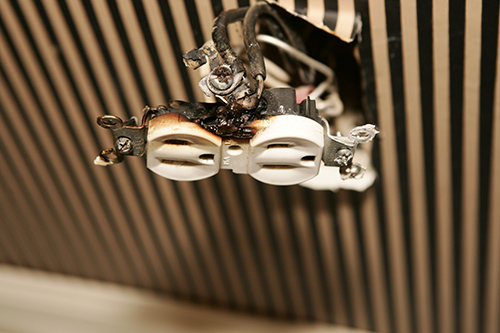
  • Burning smells, smoking, sparks, and discolored outlets

If you notice any of these warning signs, scheduling an electrical inspection is essential for avoiding safety hazards.

The Dangers of Ignoring Electrical Safety

Not having GFCI outlets in wet and moisture-prone areas carries a serious risk. Water entering an outlet or contacting wiring can cause electric shock, fire, or damage to major appliances. GFCIs also protect against hazards caused by a damaged cord or wire. Let’s say you go to use your toaster and it has a damaged wire that’s touching the metal body. As soon as you turn the toaster on, electricity will flow through the metal and seriously shock you. If you plugged a wet cord into a non-GFCI outlet, you could also be immediately shocked. Being proactive and upgrading your electrical system to meet code requirements goes a long way toward ensuring your family and property are safe.

How to Test and Maintain GFCI Outlets

The internal mechanism in a GFCI outlet can fail, preventing the outlet from shutting off power in the event of a ground fault. That’s why you must test all GFCI outlets monthly. Most GFCI outlets have a green light that indicates the outlet has power. To test the outlet, press the test button to see if the light goes out. Pressing the reset button will restore power to the outlet and turn the light back on. On some models, the light will instead turn red when you press the test button and shut off the power. Some older GFCIs don’t have an indicator light, meaning you’ll need to plug something into the outlet to see if the power goes out when you press the test button. If the outlet still has power after pressing the test button, ensure no one uses it until it is replaced. In addition to testing GFCI outlets monthly, scheduling periodic professional inspections is essential to ensure proper operation and prevent safety risks.

Professional Installation vs. DIY

A licensed electrician should always perform GFCI outlet installations. DIY electrical work is extremely dangerous due to the risk of improper wiring. Incorrectly wiring an outlet can prevent it from functioning properly. Even worse, it could lead to a fire or damage to major appliances. At Air Control Home Services, our certified electricians are committed to ensuring all installations are safe and compliant with code requirements.

Upgrading Your Home’s Electrical Safety

Kitchens and bathrooms aren’t the only places where you have to be concerned about ground faults. GFCI protection is equally important for laundry rooms, garages, and outdoor areas. Making other upgrades can also improve electrical safety. For instance, whole-home surge protection helps prevent fire hazards and damage from lightning strikes and other types of surges. AFCI breakers and outlets are key to preventing damaged wiring and components from sparking and causing a fire.

The Air Control Home Services Difference

At Air Control Home Services, safety, quality workmanship, and customer satisfaction are at the heart of everything we do. Our expertise in electrical repairs, upgrades, and inspections enables us to deliver high-quality electrical, HVAC, plumbing, and indoor air quality services that deliver real value to our customers. We’re dedicated to building long-lasting relationships by providing a first-class, hassle-free experience every single time.

Request GFCI Outlet Installation

GFCI outlet installation is a minor investment that can make a significant difference by providing life-saving protection in moisture-prone areas such as bathrooms, kitchens, laundry rooms, and outdoor spaces. If you want to improve your home’s electrical safety with a professional electrical inspection or GFCI upgrade, Air Control Home Services is ready to help.

To schedule service in Lake Havasu City, Bullhead City, Kingman, or surrounding areas, call us or request an appointment online.

Whole-House Water Filtration in Lake Havasu City, AZ

Top Signs That It’s Time to Change Your Water Filtration System

Your home’s water filtration system is a vital part of your plumbing system. It works hard constantly to provide your family with clean, great-tasting water. A quality system removes impurities like sediment, chlorine, and other contaminants. However, just like any other system in your home, it won’t last forever. Recognizing when it’s time to replace your filtration system in Arizona will save you a lot of trouble. Plus, it’s much better to replace a system before it completely shuts down.

For homeowners in Lake Havasu City, AZ, water quality varies greatly. Hard water and other contaminants put your filtration system under significant, ongoing stress. Understanding when it’s time to say goodbye to an old unit and install a new one is crucial. We’ll walk you through the top signs that you need a replacement. You can count on the experts at Air Control Home Services for all of your water quality needs.

1. The Age of Your Current System

The first factor to consider when thinking about replacement is the sheer age of your water filtration unit. Most whole-house or under-sink systems are designed to operate efficiently for a set number of years. Once they exceed that lifespan, their performance declines rapidly. Older systems often struggle to keep up with the demands of a busy household. This is a common issue for many homes in Mohave County and the surrounding areas.

Generally, a quality system lasts between 10 and 15 years, though this can vary by type. If your unit is approaching or has passed this age range, you should start planning for a replacement. We advise you to check the manufacturer’s warranty and expected lifespan. You want to be proactive about replacing your unit before it fails, leaving you without clean water.

2. Noticeable Changes in Water Taste and Smell

One of the clearest and most immediate signs of a failing water filtration system is a change in the water’s quality. When your system is working well, your water should be odorless and tasteless. If you notice a shift, your filter is likely past its prime. It’s no longer effective at removing the impurities it was designed to target. This is a major sign that a full replacement is necessary.

Look for the following unusual characteristics in your tap water:

  • A chlorine or chemical smell
  • A metallic or “off” taste
  • A sudden earthy or musty odor
  • Water that smells sulfuric

If you notice any of these signs, your water quality is compromised. Don’t ignore these sensory warnings; they are your system’s way of signaling a major issue.

3. Low Water Flow or Pressure Issues

Is the water coming out of your kitchen sink or bathroom taps slower than usual? While low water pressure can sometimes be a plumbing issue, it’s also a common sign of a failing water filtration system. Over time, the filter media in the system trap contaminants. Debris builds up inside the housing, restricting the flow of water.

Some filters require regular replacement to prevent this. However, if you’re changing your filter regularly and still experiencing issues, the entire system might be at fault. In these cases, no amount of filter changing will restore the pressure. The best solution is a new, efficient unit.

4. Visible Sediment or Cloudiness in Your Water

The primary job of a whole-house water filtration system is to remove physical particles and suspended matter. This includes things like rust, sand, and other fine debris. If you look at a glass of water and notice it looks cloudy, murky, or contains floating particles, your filtration unit isn’t working. Sediment in your water is a clear sign that the system has failed.

Residents in the Kingman area know how important it is to protect appliances like dishwashers and water heaters from sediment buildup. If you see visible contaminants, contact Air Control Home Services immediately. We’ll inspect your system and offer a reliable, permanent replacement solution.

5. Consistent and Unexpected System Leaks

A leak is never a good sign, especially when it’s coming from a major home appliance. Over time, the seals, connections, and housing of a water filtration system can degrade. Constant water pressure and exposure to minerals accelerate this degradation. If you frequently encounter minor leaks around the filtration unit, it’s a sign of internal component failure. Every time you fix a leak, another will take its place. This is a clear sign that a replacement is needed.

Leaks from your water filter can cause extensive damage to the area around the unit. Constant moisture will also lead to mold growth and structural decay. Moreover, a leaking system means there’s a fault in the seal. This creates a potential entry point for contaminants to bypass the filter media altogether. If your unit has become a steady source of leaks, you should replace it right away.

6. Higher-Than-Normal Maintenance and Repair Costs

Like an old car, an aging water filtration system will eventually become a drain on your wallet. If you’re constantly calling for repairs or replacing expensive internal parts, the unit has reached the end of its life. The cost of frequent maintenance will quickly start to outweigh the cost of a modern filtration replacement. You want your unit to be a source of clean water, not a source of financial stress.

When you consult with our team, we’ll help you find a unit perfectly within your budget. We also consider the cost of the next major repair versus the benefits of a new installation. A new system will provide you with peace of mind and lower operating costs. It will also offer the latest in filtration technology. We want our customers to make the most informed decision for their homes in Lake Havasu City and the surrounding areas.

Ready for a Water Filtration System Upgrade in Arizona?

Recognizing that it’s time to replace your water filtration system is the first step toward enjoying cleaner, better-tasting water. Whether you’re dealing with low flow, odd tastes, or an aging unit, we will provide the expertise you need. We specialize in water treatment services, including the installation of advanced water filtration and water softening systems. We provide our services to all residents throughout the area. Our team will help you choose and install a new system that meets your specific needs and water quality concerns.

Beyond water filtration, we are a full-service home solutions company. We offer a wide range of services that keep your home running smoothly. This includes comprehensive plumbing solutions, such as water heater repair and replacement, drain cleaning, and general plumbing repairs. We also provide professional heating, cooling, and electrical services. You can always rely on us for all your essential home system installations and repairs. Contact Air Control Home Services today for more information about water filtration system replacement services in Arizona.

Pumping out sewage from a septic tank

How to Protect Your Home’s Plumbing During Monsoon Season

Arizona monsoons can wreak havoc on your home’s plumbing. However, as a homeowner, you have numerous strategies to protect it. Learn how the monsoon season in Kingman, AZ, affects your home’s plumbing system and the measures to take to safeguard it.

Sewer Line Backups

The heavy rains that fall during the monsoon season can quickly overwhelm the municipal sewer system in Kingman. Instead of flowing away from your home, sewage could back up into fixtures, like your toilet and sinks.

Lower the risk of sewer backups by installing a backwater valve in your plumbing system. This valve will automatically close if sewage tries to back up into your home. Additionally, during a monsoon, avoid flushing until the storm has passed.

Waterlogged Septic System

The excessive rainfall during a monsoon can quickly saturate and overwhelm the drainfield for your home’s septic system. A saturated drainfield is more prone to backups. It can also lead to foul odors inside your home and yard.

Limiting the amount of water you use during monsoons helps mitigate this problem. Moreover, divert runoff stormwater from the drainfield to prevent a waterlogged septic system.

Soil Shifting Around Pipes

When the soil on your property becomes saturated, it can shift, putting stress on the underground pipes. This pipework is then at a higher risk of cracking and leaking.

To avoid this problem, schedule a plumbing inspection with Air Control Home Services before the monsoon season begins. We will check the pipes for vulnerable sections and repair or replace those that could crack or leak due to soil shifting.

Outdoor Drain Clogs

Remember to safeguard the outdoor drains on your property. Debris from heavy rainstorms can clog your patio and yard drains, and clogged drains can lead to water pooling near your home’s foundation.

Clear the drains and gutters on your roof regularly. You may also find it useful to install drain guards to keep out debris such as leaves, twigs, and plastic bags that can clog drains.

Fungal Growth

Water leaks in damaged pipes can create ideal conditions in your home or yard for fungi to grow. Fungal growth leads to poor indoor air quality, weakened structural integrity, and can trigger respiratory symptoms in people with asthma and allergies.

Use moisture sensors to safeguard your home and plumbing system from this problem. Likewise, regularly inspect behind appliances and under sinks.

Pipe Corrosion

Along with cracked pipes, the monsoons in this part of Arizona can also put the pipes in your home and on your property at risk of corroding. High humidity in the atmosphere speeds up pipe corrosion, especially if you have galvanized pipework.

The best way to protect all of your pipes is to use dehumidifiers in key areas, such as the crawlspace, basement, and utility room. You can also repipe your home and upgrade to pipes made out of copper or PEX, which hold up better in high humidity and heavy rains.

Water Supply Contamination

Floodwaters from heavy rains can introduce contaminants, such as fungi and bacteria, into damaged pipes and private wells. If your home relies on well water, its water supply could quickly become unsafe to use.

Minimize the risk of supply contamination by installing a backflow preventer. This device maintains a one-way flow of water and prevents dirty water and contaminants from entering your well. The city of Kingman also requires certain plumbing systems, such as those with private wells, to have backflow preventers in them.

Sump Pump Overload

During and after precipitation, your home’s sump pump may struggle to keep up with demand. Heavy use will slow it down or prevent it from pumping out all the water in your basement or crawlspace.

Before the monsoon season arrives, test the sump pump at least once a month. Install a battery backup system for it to keep it running during power outages. Replace your sump pump every 7-10 years to reduce the risk of overload.

Tree Root Intrusion

Saturated soil from heavy rains encourages tree root growth. Those roots, however, can grow into your property’s sewer lines. Signs of root intrusion include:

  • Slow-draining sinks, tubs, and toilets
  • Frequent plumbing backups
  • Gurgling sounds
  • Sewage odors

The best way to protect your plumbing from this issue is to have it inspected annually. You can also use root barrier installations to prevent roots from entering sewer lines.

Higher Than Normal Water Pressure

Storm runoff can lead to sudden spikes in water pressure. This higher water pressure can then strain the pipes in your plumbing system and plumbing fixtures.

The solution to this risk is to install a pressure-reducing valve, or PRV. This valve has a spring-loaded diaphragm or piston that regulates water pressure, improves efficiency, and prevents pipe damage. It responds automatically to pressure changes, ensuring stable output.

Leaky Outdoor Faucet and Hose Bib

The heavy rains and winds of a monsoon can cause significant damage to exposed plumbing fixtures, such as your outdoor faucet and hose bib. Prolonged rainfall could seep into the wall around the hose bib, damaging it if the bib’s sealant is cracked or missing. If you leave the hose attached during a storm, high winds can pull on it, stressing the pipe threads and the valve.

Using an insulated cover helps protect the hose bib and outdoor faucet from damage. Check them for leaks after every storm. Hire one of our plumbers to repair or replace them as needed.

Foundation Cracks

Stormwater that pools around your home poses a serious hazard to the foundation. If it seeps into the foundation, it could cause damage such as cracks and shifting.

Protect the foundation by grading soil and other landscaping away from the house. Likewise, you can install French drains, which direct water away from the foundation.

Water Heater Stress

Despite being inside your home, the water heater can still sustain damage during a monsoon. For example, a power surge can disrupt its normal function and damage its wiring. Even more, pressure changes during a storm can stir up sediment in the tank, leading to problems such as reduced energy efficiency, decreased hot water supply, noisy operation, and a shortened lifespan.

Help your water heater withstand a monsoon better by using a surge protector. Additionally, hire us to flush it out at least once a year to remove sediment in its tank.

Air Admittance Valve Failure

Sudden pressure changes during a storm can cause the AAV, or Air Admittance Valve, to fail. This valve is used for venting in key areas, such as a kitchen island or under a sink.

Before the monsoon season starts, test the AAV and replace it if it shows signs of damage or wear. You can also replace it with a higher-quality one that has a rating for pressure fluctuations.

Reliable Plumbing Services in Kingman

At Air Control Home Services, we have nine years of experience providing effective plumbing services for homeowners in the Kingman area. Our family-owned, second-generation business has an A+ rating and accreditation from the Better Business Bureau. We are a Trane Comfort Specialist and a Ductless Elite Pro. In addition to helping you protect your home’s plumbing system, our business also installs and services other plumbing fixtures, such as water heaters and water softeners.

Contact Air Control Home Services for reliable plumbing services today.

Replacing dirty furnace filter in home

Reasons Why HVAC Maintenance Is Important in Dust-Prone Areas

If you live in a dust-prone area, you face an air-borne battle all year. Much of Arizona experiences rampant dust. Fine, abrasive grit finds its way into everything in Arizona homes. Your home’s HVAC system is no exception to this problem. Ignoring dust buildup is a mistake. It quickly leads to poor performance, and your energy bills will increase. It can even cause system failure. Proactive maintenance is not a luxury here. It is an absolute necessity in a dusty climate.

Your HVAC unit acts as your home’s lungs. It constantly breathes and filters the inside air. When that air is full of dust, the system faces immense stress, and we want you to understand why system care is so crucial.

Dust’s Damaging Effects on Your HVAC System

Desert air creates serious challenges for mechanical systems. The persistent presence of fine dust is very detrimental. These tiny particles act like sandpaper on components. They wear down moving parts and coat everything in grit. This accelerates the wear and tear on your system. It also leads to premature breakdowns.

Dust accumulation makes several parts vulnerable. The filter is the first line of defense. Unfortunately, dust may go around the filter when it’s clogged, coating and compromising critical components. This makes your unit work much harder than it should. Here are a few ways dust causes damage:

  • Reduces system efficiency
  • Increases friction on motors
  • Insulates heating and cooling coils
  • Clogs condensate lines and drains
  • Contaminates indoor air quality

Ignoring these issues leads to more complex repairs or replacements later, making them much more costly. In cases like these, a comprehensive, professional tune-up is best. This measure will help prevent dust damage in the Arizona climate.

Protect Your Air Filters and Indoor Air Quality

The air filter is a crucial component here because it can capture a large amount of particulates, and it can quickly become saturated with dust. As you might expect, this hinders its ability to trap more dirt. This blockage severely restricts airflow, harming the system’s health and energy efficiency.

We recommend frequent filter changes. When the pressure builds up in the system because the filter is so clogged, air has difficulty passing through it. When that happens, the dusty air will push through any existing weakness or tear, directly affecting the air quality inside your home. People with respiratory issues, including allergy and asthma sufferers, are susceptible to this problem. Our routine maintenance reduces this dust load, providing you with cleaner, healthier air inside your home.

Maintain Your Evaporator and Condenser Coils

Heat pump coils handle heat exchange, including both cooling and heating. Traditional HVAC units only have a cooling coil. Dust is terrible for these coils. When dust coats the coils, it impedes heat transfer, preventing them from effectively absorbing or releasing heat.

Your HVAC system must run for longer periods when coils are compromised, as it struggles to reach the set temperature. This wastes a lot of electricity and strains the compressor.

Our experts use specialized cleaners and tools. We carefully remove the grime and dust caked onto the delicate coil fins. This cleaning immediately improves efficiency, quickly reducing your energy consumption. Neglecting this task can result in a permanent efficiency loss. It could even cause the compressor to fail.

Prevent Airflow Issues and Ductwork Contamination

Dust impacts more than just the main components. It affects the entire airflow pathway. When the blower wheel accumulates dust and debris, the motor must work harder to move air. Reduced airflow leads to inconsistent cooling, a clear indicator of lost efficiency. Dust also accumulates throughout your duct system, where it waits to be blown back into living spaces.

Dust enters ducts through small gaps or leaks in dusty areas. Our team will inspect your ducts for these issues and recommend duct cleaning when needed. This removes deep-seated dust and allergens quickly and ensures the conditioned air reaches its destination.

Poor airflow makes your home uncomfortable. This is especially true during Arizona’s hot summers. The unit is constantly fighting dust-caused blockages. Scheduling a maintenance visit helps us identify blockages.

Extend Your System’s Lifespan and Ensure Reliability With Maintenance

Maintenance plays a huge role in a system’s lifespan. It is the most compelling reason to schedule service. We address the wear and tear caused by dust. With maintenance, you prevent the need for early, expensive replacements. A well-maintained system performs well and lasts for many years, resulting in major long-term savings.

Dust and grit increase the risk of a complete HVAC failure. Breakdowns always happen at the worst possible time. Think of the peak of a summer heatwave; an AC failure would be miserable. A tune-up spots small issues immediately. Our technicians work to prevent catastrophic failure by inspecting belts, electrical connections, moving parts, and refrigerant levels.

Fulfill Warranty Requirements

Many manufacturers require professional maintenance for warranty purposes. You need proof of annual service to fulfill requirements, so if a component fails, you need the necessary documentation. If you don’t keep any records, the manufacturer may deny your claim. This is bad news in dusty climates, since the environmental stress can lead to breakdowns, making warranty compliance vital.

Our technicians provide detailed service records, which will prove your compliance. This should give you valuable peace of mind. The manufacturer’s warranty protects your investment, and we ensure every part meets all the required standards.

Invest in Your Comfort and System Health With Air Control Home Services

You can avoid the worry and expense caused by a struggling HVAC system in AZ. Professional maintenance is the single most effective way to fight the dust. It combats the many negative environmental effects. We’ll protect your investment and improve its overall efficiency.

Our team knows the specific challenges you face. This is true for all residents in the Lake Havasu and Mohave County areas. Sign up for our maintenance plan to make routine service easy. We keep your home comfortable and help to keep your bills low. We can assess your home’s air quality and, if needed, install a whole-home air purification system to remove bacteria, pollen, pet dander, and dust. We can also inspect and clean your ductwork and seal or replace any damaged sections. That will ensure a clean flow of conditioned air into your living spaces. Protecting your system and keeping it running well is our top priority.

Contact Air Control Home Services today for more information about the importance of HVAC maintenance in your dusty area.

Outdoor lighting in Lake Havasu City, AZ

The Role of Outdoor Lighting in Home Security and Aesthetics

When you think about outdoor lighting, your first mental image might be a soft glow highlighting a pathway or garden. However, lighting is more than decoration. It serves a vital role in home security. The proper layout and installation can deter potential intruders even when it’s simultaneously improving your curb appeal. Many modern outdoor lighting options are versatile, combining design elements and safety features that make your property visually inviting to guests while also being secure from unwanted parties.

Outdoor Lighting as a Security Measure

If you want an effective deterrent against crime, outdoor lighting is one of the best choices. Criminals prefer to stay unnoticed, and well-lit areas complicate that. Installing lighting in strategic spots on your property makes it less appealing to potential intruders. The presence of lighting improves visibility and communicates vigilance. If your home is well-lit, it gives off an impression of being monitored, even if your household is away at the time.

Perimeter Lighting

Putting lights along driveways, property lines, and fencing creates a barrier of visibility. This ensures anyone approaching your residence will be noticed.

Motion-Activated Lights

When they detect movement, these lights turn on automatically. This conserves energy and can startle potential trespassers who may assume no one’s home.

Entryway Illumination

You can also remove hiding spots by lighting up windows, doors, and garages. These are the most common entry points burglars target, so keeping them illuminated is a strong deterrent.

The Aesthetic Side of Outdoor Lighting

Safety is crucial, but aesthetics also matter to homeowners who are proud of their property’s appearance. Outdoor lighting can transform a home’s appearance after sunset, creating a warm and inviting atmosphere. The right lighting scheme lets you express your personal style, whether through classic lantern designs or modern, minimalist fixtures.

Highlighting Architecture

Position lights to showcase your property’s unique design. Columns, arches, and textured facades deserve attention.

Illuminating Landscapes

Pathways, trees, and gardens benefit from the installation of accent lighting. Use it to add dimension and depth to your yard.

Creating Ambience

From lively backyard gatherings to romantic patio dinners, outdoor lighting sets the mood for many different occasions. Tiki torches enliven a tropical barbecue party, while fairy lights and candles invite your date to join you for an enchanted evening.

Types of Outdoor Lighting

When choosing outdoor lighting, you’ll have plenty of options, each of which serves a different purpose. Pick the right types for the purposes you have in mind, but mix them up to optimize and balance beauty with functionality. Floodlights provide broad, intense illumination. They’re ideal for large spaces, such as driveways or backyards, where you need wide coverage.

Alternatively, spotlights highlight specific features, such as trees, statues, or architectural features. Wall-mounted lights are standard near garages and doors to combine style and utility. Decorative fixtures and string lights add a festive, cozy atmosphere to decks and patios. Use pathway lights to ensure stepping safely along walkways or simply to add charm to a garden path.

Balancing Security and Aesthetics

One key challenge you may face when creating your lighting plan is providing your property with a layer of security without overwhelming your house with harsh brightness. Excessive light can result in glare, which can reduce visibility rather than enhancing it. You might also contribute to light pollution, disturb neighbors, or run afoul of HOA bylaws.

Your goal should be to emphasize balance. Start by placing motion-activated floodlights in the parts of your property where security is a priority for you. Second, use softer, low-voltage lighting for landscaping and pathways where you want to create ambience. Finally, layer different types of lighting to ensure coverage while avoiding redundancy. A thoughtful combination makes your home both inviting and secure.

Energy Efficiency in Outdoor Lighting

Sustainability is a growing consideration, and energy-efficient outdoor lighting contributes increasingly to this. You can access options that reduce energy use without sacrificing performance. Adopting these technologies can save you money on utility bills while still making your home secure and beautifully lit.

LED Lighting

LED bulbs consume only a fraction of the energy that incandescent bulbs do; they also last significantly longer. You can find them in a wide variety of colors and brightness levels.

Solar Lights

These fixtures charge themselves during the day by harnessing the power of the sun. At night, they provide illumination without needing electricity or wiring. They’re beneficial for garden features and pathways.

Smart Lighting Systems

Integrated with smartphone apps or independent timers, these systems let you control how and when the lights operate. Set your own illumination schedule to reduce unnecessary energy use.

Enhancing Curb Appeal

A well-lit exterior adds beauty and boosts curb appeal. This can be valuable if you ever choose to sell your home. Prospective buyers are drawn to properties that feel secure and welcoming. The trick to showings is making visitors feel like they’re already at home.

Imagine pulling up to a residence with glowing garden accents, a softly lit driveway, and a warmly illuminated porch. This is the kind of first impression that conveys attention to detail, sophistication, and care. Beyond aesthetics, it can provide reassurance to aspiring homebuyers that their next property will be a safe investment.

Seasonal and Event-Based Lighting

You can adapt outdoor lighting for different occasions or seasons. For example, holiday lights bring festive cheer, whereas soft ambient lighting is a nice touch for a summer dinner. Adjustable systems allow you to change the brightness or colors, tailoring the mood to suit any occasion. This kind of flexibility extends the usefulness of lighting beyond routine functionality, making it an essential element for gatherings and celebrations.

Outdoor Lighting and Safety Beyond Security

Lighting involves more than deterring crime. It’s also a practical tool for everyday safety. Stair lights simplify navigation, while pathway lights help prevent trips and falls. Use pool and deck lighting to reduce the risks of accidents in your property’s recreational area. If your household includes young children or seniors, proper lighting is a vital part of promoting safety in outdoor spaces.

The Investment Value of Outdoor Lighting

It might seem luxurious, but outdoor lighting is a wise investment. A professionally designed system enhances your curb appeal and home value. Today’s energy-efficient options make these systems affordable to operate. Combine their long-term utility savings and improved resale value with the peace of mind inherent in enhanced security, and you’ll see how significant the return on investment is.

Bringing It All Together

Outdoor lighting can provide beauty, safety, or both. Use it to secure your home against possible intruders, highlight the landscape and architectural features that make your residence unique, and illuminate pathways for daily use.

Air Control Home Services provides electrical services to residents of Lake Havasu City and the surrounding areas. We can help you develop a thoughtful design plan that ensures your property’s lighting is both energy-efficient and aesthetically pleasing. In addition to lighting installation, we handle EV chargers, surge protection, smoke detectors, electrical panels, rewiring, outlets, and switches.

Contact Air Control Home Services for your outdoor residential lighting and upgrade needs to improve your curb appeal and property safety.

Drain Cleaning in Lake Havasu, AZ

10 Signs Your Sewer Line Needs Immediate Attention

A clogged kitchen drain or sudden yard seepage doesn’t just ruin your day; it’s also your sewer line sounding the alarm. Ignoring these warning signs can lead to major backups and costly repairs. At Air Control Home Services in Lake Havasu, AZ, we’ve guided homeowners through challenging sewer emergencies and offer clear insight on what to look out for.

1. Persistent Slow Drains and Frequent Clogs

You notice water pooling around your feet in the shower and sinks draining at a snail’s pace. Clearing the trap might help for a day, but when slow flow returns quickly, it signals trouble deep in the sewer line. Hardened grease, root intrusion, or collapsed sections can snag debris and force water to back up into lower fixtures.

If you plunge a sink and then find the shower flooding, your sewer is warning that the routine flow exceeds its capacity. Technicians use a video scope to inspect the line, pinpointing blockages or breaks. Once they have located them, they can choose hydro jetting or spot replacement to restore full flow and keep you dry.

2. Gurgling Sounds From Drains

When you flush a toilet or run the dishwasher, you expect silence. Instead, you hear a wet bubbling echo as air and water mix in a partially blocked sewer. That gurgle travels through connected fixtures, betraying an obstruction between you and the main line. You might hear it in a basement floor drain while the kitchen sink empties upstairs.

Ignoring the noise allows the blockage to grow until water reverses course or sewage rises. Pros deploy smoke or pressure testing, followed by a video inspection, to pinpoint the fault, whether it’s a displaced joint or stubborn roots. Restoring free airflow stops those drain clogs and keeps waste flowing downward where it belongs.

3. Foul Odors in the Yard or Basement

A faint sewage smell in the basement after rain may seem temporary, but if it lingers or grows stronger, it points to a leaking sewer line. Wastewater escaping underground seeps into soil and rises through cracks, carrying that rotten-egg stench indoors.

In your yard, patches of unusually lush grass above a buried pipe hint at nutrient-rich leaks feeding roots. Seasonal shifts can force gases back into your home through foundation gaps or floor drains. Plumbers bring gas detectors to trace concentrations and cameras to confirm the break’s location. Targeted repairs seal that damaged section, stopping odors and preventing wastewater from contaminating soil and air around your home.

4. Visible Sinkholes or Depressions in the Yard

A small dip in lawn grade might start as an odd softness underfoot, then blossom into a depression that collects water. This hollow often sits directly above a leaking sewer joint. As wastewater washes away soil, the ground collapses. Over weeks, irrigation or rain magnifies the gap until mulch and grass give way.

Don’t ignore the sinkhole risks of swallowing landscaping and damaging underground utilities. Excavators can carefully remove soil to expose the broken pipe, then replace or reline it. Compacted backfill restores the yard grade. Addressing these depressions early prevents the expense of full-yard excavation and preserves the structural support beneath your landscaping.

5. Sewage Backup and Wet Spots Indoors

When raw sewage pushes up through a floor drain or bubbles out of a toilet, you face a major sewer blockage or break. Water may pool in laundry trays or back up in basement drains as the main line resists flow. That dark, foul liquid carries bacteria and can ruin flooring, drywall, and personal belongings.

At the first sign of trouble, shut off interior valves to limit seepage, and then call a professional. Technicians scope the line, then choose trenchless relining or targeted excavation. Quick action stops contaminated water from spreading and lets you restore safe drainage without prolonged downtime or repeated flooding.

6. Root Intrusion and Pipe Damage

Tree roots seek moisture, slipping into pinholes in your sewer joint. Once inside, they grow into dense tangles that trap toilet paper and kitchen grease. You might spot small root fragments in your clean-out access. As the roots thicken, they stress pipe walls, causing cracks or collapse. Seasonal soil shifts widen the joints, allowing roots to invade further.

Repair crews cut out the affected section and install a pipe that resists root invasion or reline the line with a seamless insert. Technicians may treat nearby backfill with a root inhibitor to discourage repeat growth. Removing roots and reinforcing the pipe stop constant backups and protect long-term flow.

7. Age-Related Corrosion and Material Breakdown

Older lines made of clay, cast iron, or fiber can degrade over decades. Clay joints separate under frost, cast iron rusts from the inside, and fiber pipes compress under soil pressure. Tiny holes let sewage escape, eroding soil until sinkholes appear or foul odors emerge.

In a camera survey, you may see pitted metal or crushed sections. Pressure from passing vehicles can further weaken these pipes. Comprehensive replacement with PVC restores reliable flow. When your line is 50 years old or shows multiple failures, swapping the entire run avoids endless spot repairs. This investment delivers decades of trouble-free operation and guards against unexpected collapses.

8. Unexplained Spikes in Water Bills

One month’s water bill arrives as usual, then the next doubles with no change in habits. Hidden leaks, whether in the supply or sewer line, can pour hundreds of gallons underground daily. When sewage seeps into soil, you still pay for that lost water. Checking your meter overnight reveals a slow but steady flow.

Pros use acoustic sensors to listen for leaks under pressure. After pinpointing the breach, they excavate and repair the defective section. Stopping that hidden loss immediately reduces both water supply and sewage charges, covering repair costs by avoiding unnecessary meter fees.

9. Groundwater Infiltration After Heavy Rain

Heavy rains elevate groundwater and can force water through tiny cracks or loose seals in your sewer line. You may find silt deposits in floor drains or mud staining basement tiles. That stormwater overloads your plumbing and can flood low points.

Camera inspection often shows damaged joints or degraded seals. Repair crews pressure-test the line, then reseal or replace failing joints. They may backfill with gravel to improve drainage around the pipe and recommend regrading or gutter extensions to divert surface runoff. Controlling both underground and surface water keeps your basement dry even during intense storms.

10. Sewer Gas Smell Inside the House

A whiff of rotten egg odor in your kitchen or basement signals sewer gas leaking into living areas. It may escape through a dry trap, cracked vent stack, or line break beneath your slab. That gas contains methane and hydrogen sulfide, both of which are harmful at elevated levels.

Technicians check roof vents for blockages and test each trap for proper water seal. They may pour food-grade antifreeze into seldom-used drains to maintain a barrier. If gas seeps through a cracked sewer line under the floor, smoke testing will reveal its path. Sealing or replacing the affected section restores healthy indoor air and keeps unwelcome and harmful odors from drifting through your home.

Have Your Sewer Drains Inspected Now

Spotting trouble early keeps sewer repairs manageable and protects your home from raw sewage damage. We also offer trenchless pipe repair, video line inspections, and preventive maintenance plans to extend your system’s life.

Call Air Control Home Services today to schedule a prompt plumbing inspection and get your drains in Lake Havasu flowing freely again.

Smart Thermostats in Lake Hazasu City, AZ

Are Smart Thermostats Worth the Investment?

Standard thermostats are no longer the most popular choice for temperature control in modern homes. Smart, programmable, and Wi-Fi thermostats make it easier for homeowners to regulate indoor temperatures, save money, and protect their heating and cooling equipment. Of the three, smart thermostats offer the greatest flexibility and the best financial returns. If you need a new thermostat in Lake Havasu City, AZ, a smart thermostat could be well worth the cost.

What Are Smart Thermostats?

Smart thermostats are advanced learning devices. Once installed, they begin collecting information about users’ schedules, habits, and temperature preferences. They leverage this data to refine their performance and optimize both energy savings and home comfort.

Although you can program a smart thermostat to make scheduled temperature changes, it will become increasingly able to adjust itself. This way, if everyone leaves your home in a rush, your smart thermostat can adjust HVAC performance to reflect real-time changes in occupancy. These devices often are equipped with motion sensors. Some also use mobile phone location data and passive infrared (PIR) technology to accurately determine residents’ comings and goings.

Automate Temperature Changes

According to the U.S. Department of Energy (DOE), adjusting thermostat settings by 7 to 10 degrees before going to bed or leaving the home could decrease heating and cooling costs by 10% annually. With standard thermostats, homeowners must remember to make these adjustments manually. You can program a smart thermostat to make multiple temperature changes throughout the day according to your work and sleep schedules. This eliminates human error and allows consumers to make the most of these potential savings.

Enjoy Remote Access

Smart thermostats are Wi-Fi connected. These devices come with branded mobile apps that consumers can download to their smartphones, tablets, smartwatches, or other Wi-Fi-connected devices. With a smart thermostat, you can monitor your home’s temperature and HVAC performance from any location with an active connection to the internet.

Remote access makes it easy to make real-time temperature changes from work or while on vacation. If you’re away from home and someone increases your thermostat very high or low, you can make as-needed adjustments right away.

It’s even possible to set your smart thermostat to send alerts when residents make unauthorized temperature changes. Best of all, homeowners can establish authorized users. This way, teenagers and small children can’t tamper with thermostat settings without permission.

Track HVAC Performance

Smart thermostats do far more than optimize temperature control and provide remote access. They also track HVAC system performance. If you’re at work and your furnace, heat pump, or air conditioner starts short-cycling, overheating, or intermittently shutting off, you’ll find out right away. You can act quickly to rectify the problem.

Smart thermostats can send real-time alerts for:

  • Changes in airflow
  • Spikes in energy use
  • Indoor air quality (IAQ) issues
  • Clogged filters
  • Worn components

In many cases, these alerts also prove helpful for HVAC technicians. When HVAC systems break down, technicians can incorporate the data provided by smart thermostat alerts into their diagnostic processes.

Catch and Correct Problems Before They Escalate

Another way in which smart thermostats pay for themselves is by helping homeowners identify HVAC performance issues early on. With a smart thermostat, you can prevent a small problem like a blocked air filter or a dirty evaporator coil from affecting other functions and components. With real-time alerts and timely interventions, you can limit your repair costs and protect the lifespan of your heating and cooling equipment.

Get Helpful Energy Insights

Smart thermostats additionally offer energy consumption tracking. With a smart thermostat, you can analyze changes in your energy use from month to month and year to year. Detailed energy consumption reports help homeowners adjust their thermostat settings for increased energy savings. Smart thermostats also offer insight into age-related decreases in HVAC efficiency. With energy tracking, you can make informed decisions about when to replace older heaters, heat pumps, and ACs.

HVAC Maintenance Alerts

Staying on top of essential HVAC maintenance is easy with a smart thermostat. These devices send out regular HVAC maintenance alerts and filter change reminders. These alerts are especially helpful for homeowners with busy schedules and lots of home equipment to maintain. You’ll get notifications when it’s time for heater and AC tune-ups and when collected filter debris affects airflow.

Smart Home System Integration

Smart thermostats can integrate with other smart home features. This allows for adaptive temperature control, enhanced energy savings, and greater ease of use and maintenance. With smart home integration, you can track and control all your smart home technologies remotely and from a single device. You’ll also have greater insight into overall energy use and an enhanced ability to curb energy consumption.

Optimize HVAC Zoning

If you have a zoned HVAC system, smart thermostats with geo-fencing can optimize its performance. Geofencing establishes virtual boundaries around and throughout buildings. As people move about within these perimeters or leave, smart thermostats adjust air delivery accordingly. With smart thermostats and geofencing, your zoned HVAC system can provide temperature and humidity control in occupied areas only.

Smart Thermostats Can Pay for Themselves

As per the DOE, even entry-level smart thermostats can reduce home energy bills by up to 8% annually. For most households, this results in savings of at least $50 each year. Although estimates vary, mid-level and high-end thermostats could reduce home energy bills by as much as 20% annually, especially when paired with other smart home devices.

It’s estimated that most smart thermostats pay for themselves within just one to two years of installation. The average lifespan of smart thermostats is 7 to 10 years. Thus, you could enjoy significant returns on your investment for at least five years.

Is a Smart Thermostat Right for You?

While there are many benefits that smart thermostats offer, these devices aren’t for every home. If you work at home and spend a lot of time indoors, you may get sufficient support at a lesser cost from a Wi-Fi thermostat, a standard thermostat, or a programmable model.

Dealing With Erratic Schedules

Programmable thermostats work well for people with relatively static schedules. Although you can set a programmable thermostat to make multiple temperature changes throughout the day, this device won’t react to sudden departures. With built-in motion detection and other technologies for tracking users’ movements, smart thermostats are best for busy households and people constantly on the go.

Data Tracking

Some consumers are leery of the amount of information collection and data tracking that smart thermostats entail. However, capabilities such as user tracking and location detection are critical for optimizing HVAC performance and energy savings. If you’re comfortable with smart home technologies and want enhanced comfort and convenience, a smart thermostat is right for you.

Upgrade Your Thermostat Today

Air Control Home Services proudly serves Lake Havasu City and the surrounding communities. We offer thermostat installation, maintenance, and repair services. Locals can turn to us for cutting-edge smart thermostats at affordable prices. We can also help you better understand home efficiency upgrades and rebates that go along with them.

As a family-owned and -operated HVAC company, we’ve been a top choice for HVAC service since 1990. To experience the benefits of smart thermostats firsthand, contact Air Control Home Services in Lake Havasu City today.

EV charger installation in Lake Havasu, AZ

The Benefits of Installing a Level 2 EV Charger at Home

Electric vehicles (EVs) are appearing more and more frequently on the roads in Lake Havasu City, AZ. With their rising popularity comes the need for convenient, reliable charging solutions. Installing a Level 2 EV charger at home is the smartest choice. Unlike standard Level 1 chargers that plug into a regular outlet, Level 2 chargers use higher voltage to deliver faster charging results. Beyond speed, a home Level 2 charger provides a number of benefits that make this an investment that is well worth it.

Fast Charging Times for Daily Convenience

One of the most immediate benefits of a Level 2 EV charger is the speed of charging. Level 1 chargers operate on a standard 120-volt outlet and typically add only 3 to 5 miles of range per hour. In contrast, Level 2 chargers operate on 240 volts, delivering 15 to 30 miles of range per hour. This means that a vehicle that would take more than 24 hours to charge fully on Level 1 can reach a full charge in just 4 to 8 hours with Level 2.

For busy households, this difference is essential. Instead of leaving your electric vehicle plugged in overnight or worrying about the battery running too low during the day, a Level 2 charger has your vehicle ready when you need it. Whether it’s a daily commute or a weekend road trip, faster charging reduces stress and increases flexibility.

Cost Savings Over Time

When you invest in a Level 2 charger, you will also notice financial benefits. While the up-front cost of a Level 2 charging station and professional installation may seem significant at first, it often pays off in convenience and efficiency over time. Faster home charging reduces your reliance on public charging stations, which can be more expensive to use than an at-home charger.

Utility companies often offer special rates if you make the effort to charge your vehicle during off-peak hours. A Level 2 charger makes it easy to take advantage of these rates by fully charging your vehicle overnight. These savings help to offset the initial investment and make your EV ownership more cost-effective than relying on gas-powered vehicles.

Increase Home Value and Appeal

As electric vehicles grow in popularity, homes with EV charging infrastructure are becoming more attractive to potential buyers. Installing a Level 2 charger in your home indicates environmentally conscious living. This feature increasingly resonates with homebuyers.

Even if you’re not planning to sell your home soon, a Level 2 charger can be a strong selling point in the future. It positions your property as ready for modern transportation trends. This will enhance its marketability and potentially increase its value. For environmentally minded buyers, this convenience is a tangible benefit that sets your home apart from others on the market.

Environmental Benefits and Reduced Carbon Footprint

Charging at home with a Level 2 charger helps maximize the advantages of owning an EV. Faster, more efficient charging encourages consistent use of electric power instead of using gas-powered transportation. By keeping your vehicle at home, you minimize your carbon footprint. This is especially true when you pair the charger with solar panels or another renewable energy source.

Level 2 charging minimizes energy waste by delivering electricity more efficiently than Level 1 chargers. This means your electric vehicle operates closer to its full environmental potential, which makes home charging a small but impactful step.

Enhanced Safety and Reliability

Home Level 2 chargers keep safety in mind. When you have a Level 2 charger professionally installed, it will meet strict standards for electricity to keep you safe, unlike relying on extension cords or using outlets not rated for high voltage. This includes built-in safety features like automatic shutoff, surge protection, and temperature monitoring, reducing the risk of accidents or electrical hazards.

A reliable home charging station eliminates the uncertainty you face while using public charging networks. These can become unavailable due to current needs or malfunctions at any time. With a Level 2 charger at home, you control when and how your vehicle charges, ensuring consistent, dependable access to energy whenever you need it.

Convenience and Lifestyle Benefits

Level 2 chargers at your home offer lifestyle benefits that enhance everyday routines. Instead of planning trips around public charging stations or spending extra time waiting for a vehicle to charge, you can plug in your car at the end of the day and return to a fully charged vehicle each morning.

This convenience extends to multiple vehicles as well. You can program some Level 2 chargers to charge more than one EV, making them ideal for households with multiple electric cars. By streamlining charging into your daily routine, a home Level 2 charger reduces friction and lets you enjoy the benefits of EV ownership without added stress.

Smart Features and Connectivity

Many Level 2 chargers come with smart technology that offers features that take home charging to the next level. There are Wi-Fi-enabled chargers that allow you to monitor the charging progress through an app. You can schedule charging during off-peak hours and even track energy usage. Some models integrate with smart home systems, providing alerts, energy analytics, and remote control from anywhere.

These smart features enhance convenience and also help optimize charging efficiency. By managing when and how your vehicle charges, you can reduce energy costs, plan trips with precision, and extend the life of your EV battery.

Supporting the Growing EV Infrastructure

Installing a Level 2 charger at home promotes the adoption of electric vehicles. Ownership of these vehicles is becoming practical, accessible, and normalized for the average driver. This encourages you to invest in renewable energy and sustainable technologies. This creates a positive ripple effect for your community. By installing a Level 2 charger at your home, you are improving your own experience while helping to shape the future of transportation.

Choosing the Right Level 2 Charger

While the benefits of a Level 2 charger are easy to see, it is important that you select the right one for your home. Consider charging speed, smart features, and compatibility when deciding which is best. With professional installation, you get optimal performance, making it a crucial step in the process. Working with one of our experienced electricians from Air Control Home Services can help you determine the best placement, wiring, and configuration for your home. Investing in a quality charger now can pay dividends for years of efficient charging.

Contact Us Today

Installing a Level 2 EV charger is a smart investment to make when considering efficiency. There are a number of advantages that you will see, from faster charging to environmental benefits. With a Level 2 charger, you can optimize your energy usage and make your home a hub for modern, sustainable living. We are a family-owned company that’s been in business in Lake Havasu City since 1990. You can trust us with your EV charger installation.

Contact us at Air Control Home Services today to schedule an electrical consultation with our team.

Plumbing services in Lake Havasu City, AZ

9 Signs You Need to Repipe Your Home

Plumbing problems rarely show up all at once. More often, they start with small signs that are easy to ignore: a little rust in the water, a slow drop in pressure, or the occasional leak that keeps coming back. These issues might seem unrelated, but together, they can point to a bigger problem hiding behind your walls. Air Control Home Services in Lake Havasu City, AZ helps homeowners spot these early warnings and decide when it’s time to repipe instead of patch.

1. Corrosion You Can Taste or Smell

If your tap water has a metallic taste or a strange odor that never used to be there, it might be coming from inside your pipes. Older metal plumbing, especially galvanized steel or iron, will corrode from the inside as the years stack up. That corrosion breaks loose into your water, adding a rusty taste or sulfuric smell. You might also see an orange-brown tint when you fill a white sink or bathtub.

This isn’t just about taste. Corroded pipes become brittle and weak. When corrosion gets bad enough, it chokes off flow or breaks under pressure. If you’ve replaced your faucet or water heater recently, but the water still smells like pennies or eggs, your piping may be the source. In homes where the pipes are decades old, these are early signs that the system isn’t going to hold up much longer.

2. Water Pressure Has Slowed Down

One faucet slowing down is a clogged aerator. But when water pressure across the house drops, your whole plumbing system needs a closer look. Mineral deposits, corrosion, or small leaks inside old pipes will gradually block the flow. What feels like a slow morning shower could be a warning that water isn’t making it through your pipes the way it should.

Pipes that are failing don’t collapse in an instant. They get narrower from the inside as sediment builds up or the pipe itself starts breaking down. You might notice your washing machine takes longer to fill or your toilet refills more slowly than before. If your neighbors have strong pressure and your house doesn’t, your plumbing system might be dragging behind.

3. Recurring Leaks That Never Seem to Stop

Fixing one leak and then another, month after month, starts to feel like you’re chasing your tail. If you’ve already patched multiple spots in your plumbing and more keep appearing, your system is no longer holding up. Patching can only go so far when the material itself is failing.

You might have copper pipes that have thinned out from pitting or pinhole leaks, or aging PVC that’s cracked from temperature swings. In older homes, leak frequency is often what tips the scale toward repiping. A few repairs might be manageable, but when you’re dealing with monthly water spots, new drywall patches, or unexpected ceiling stains, your system is asking for a bigger fix.

4. Pipe Material That’s No Longer Considered Reliable

If your home still uses certain outdated pipe materials, replacement might be smarter than repair, regardless of how things look on the outside. Galvanized steel, polybutylene, and even some early plastics have been shown to fail long before expected. Galvanized pipes, for example, rust shut from the inside and can release lead into your drinking water.

Polybutylene, used in homes during the 1970s through the 1990s, is known to flake, crack, or burst without much warning. Even if you’re not experiencing visible problems yet, the risk increases with time. A licensed plumber can tell you what your home is built with if you’re unsure, and whether it’s still safe to rely on.

5. Stains or Watermarks on Walls and Ceilings

Discolored patches on the ceiling or bubbling paint near the floorboards aren’t always roof or window leaks. They can just as easily come from water traveling through a damaged pipe behind your wall. Slow leaks tend to leave yellow or brown halos as the water dries up and then returns. You might also notice mold growth or soft drywall in the area. These small stains are often the only visible signal that something hidden is going wrong.

6. Unusual Noises in the Plumbing System

Pipes should be quiet. You’ll hear the rush of water when you turn on a tap, but if you’re hearing rattling, banging, or whistling when the system is idle, you could have a deeper problem. These sounds often mean air is trapped in the lines, pressure is fluctuating, or the pipes are moving due to loose connections or structural wear.

In some cases, water hammer can occur when old pipes can’t handle quick pressure changes; all of these point toward a system that may be past its prime. A healthy plumbing system runs quietly and evenly. If yours has started sounding like an old radiator or a haunted attic, it may be time to consider replacing the whole system instead of patching one rattle at a time.

7. Rust or Debris in Washed Clothing

You expect clean clothes from your washing machine, not rust streaks or grit stuck in the fabric. When pipe corrosion breaks loose, it doesn’t just affect water taste; it can enter appliances, too. The laundry room often reveals problems sooner because water usage is high, and rust or debris has a direct path to the drum. If your clothes come out worse than they went in, your plumbing may be breaking down in a way you can’t see. A flush or cleaning might work once, but if it keeps happening, repiping is a safer long-term answer.

8. Wet Spots Around the Foundation

Pipes that run under your home can crack, collapse, or leak with age. When that happens, water may pool around the foundation or soak into the basement floor. If you’re seeing unexplained puddles, cracks in the concrete, or musty smells, your underground plumbing could be to blame. Unlike indoor leaks, these don’t show up as drips under a sink. They leak into the ground, where they can create structural problems if left alone. Once these pipes reach the end of their lifespan, small repairs won’t hold up.

9. Your Home Is 50 Years or Older

Sometimes, the most telling sign is the age of your house. If your home was built decades ago and the plumbing has never been replaced, you’re running on borrowed time. Most pipe materials have a rough lifespan. Copper can last around 50 years. For galvanized steel, this is around 40 years. Plastic pipes vary widely.

Even if the system has performed well for years, the materials themselves may have aged out. Repiping before a major failure gives you control. You choose when to schedule the work, rather than scrambling during an emergency. It also helps bring the home up to modern standards, which matters if you’re planning to sell or remodel.

Repipe Your Home Today

Repiping isn’t just about fixing what’s broken; it’s about preventing future damage, improving water quality, and making sure your home runs the way it should. Whether you’re seeing stains in your sinks or patching leaks too often, these signs point to a larger plumbing issue worth tackling. Replacing your pipes is a big step, but it’s also a smart one when the warning signs keep piling up.

If you’ve noticed changes in your water pressure, quality, or bills, Air Control Home Services offers repiping and plumbing inspection services to help you understand what’s really going on behind the walls. We’re here to help you get it sorted before it becomes a bigger problem. Call Air Control Home Services today to schedule a plumbing assessment and find out if it’s time for a fresh start.

AC Maintenance in Lake Havasu City, AZ

The Case for Regular Duct Cleaning in Arizona Homes

Arizona homes face a lot of unique challenges when it comes to HVAC systems. Dust storms and seasonal pollen create the perfect conditions for indoor air contamination. While modern HVAC systems filter out a portion of airborne particles, dust, allergens, and debris can still accumulate in your ductwork over time. Regular duct cleaning helps to improve your indoor air quality.

How Arizona’s Environment Impacts Indoor Air Quality

The Arizona climate is notorious for its dust, pollen, and fluctuating temperatures. Homes in this state often experience heavy dust accumulation during the monsoon season or when nearby construction projects kick up debris. Desert winds carry fine particles that can infiltrate your home through windows, doors, and your HVAC system.

As your ducts accumulate dust and other debris, the air your family breathes can become contaminated. Allergens circulate throughout your living space, aggravating existing respiratory conditions and triggering allergy symptoms. Regular duct cleaning is important because it removes trapped particles before they spread into your home.

Benefits of Regular Duct Cleaning

Maintaining clean air ducts directly impacts the health and comfort of your household. Let’s explore some of the benefits that you can reap from regular duct cleaning.

Improved Indoor Air Quality

Over time, allergens accumulate in your ductwork. When your HVAC system operates, it circulates these particles throughout your living space. This can trigger allergy or asthma symptoms in sensitive household members. Regular duct cleaning removes irritants so that you can breathe easier. In Arizona, dust storms and seasonal pollen are common, so clean ducts are a necessary step to help you maintain a healthy living environment in your home.

Enhanced HVAC Efficiency and Energy Savings

Debris buildup restricts airflow, forcing your HVAC system to work harder to keep the temperature where you want it. This extra effort can increase energy consumption and utility costs while accelerating wear and tear on your equipment. By keeping ducts clean, you can help your system to operate more efficiently, consuming less energy. You may be able to extend the lifespan of your HVAC components, saving you money over time.

Reduction of Odors

Some things, like smoke and cooking residues, settle in the ducts in your system and linger there. When they do, unpleasant odors are present whenever your system runs. Duct cleaning removes particles that cause these smells, leaving your home smelling fresher. Additionally, UV light upgrades neutralize bacteria, further improving air freshness inside your home.

Mold Prevention and Moisture Control

High humidity during Arizona’s monsoon season creates ideal conditions for mold to grow inside your ductwork. Mold spores that circulate in the air can cause allergic reactions and damage HVAC components. Regular duct cleaning combined with humidity management helps prevent mold from becoming a problem.

Enhanced Comfort Throughout the Home

Clogged ducts often lead to uneven heating or cooling in your living space. Clean ducts help to restore airflow and maintain constant temperatures in your home. Your heating and cooling system will be able to respond to thermostat settings, providing you with greater comfort during seasonal temperature swings.

Reduced Exposure to Indoor Pollutants

Most likely, you can find volatile organic compounds (VOCs) from cleaning products, paints, and building materials in your home. Dust and debris in ducts can trap these pollutants, prolonging exposure in your living space. By removing buildup from your ductwork, you can minimize the circulation of these pollutants, improving the overall air quality for children, seniors, and anyone with respiratory sensitivities.

Supports a Cleaner HVAC System Overall

Duct cleaning also protects your HVAC system. Dust, debris, and buildup in ductwork can reach your air handler, coils, and blower motor, decreasing efficiency and increasing the risk of breakdowns. Clean ducts help your system operate smoothly, reducing maintenance costs and unexpected repairs.

When to Schedule Duct Cleaning

We recommend having your ducts cleaned every three to five years, but Arizona’s climate may require you to clean them more often. Homes in particularly dusty areas or those affected by construction may benefit from annual inspections and cleaning. Additionally, if you notice increased allergy symptoms, unusual odors, or reduced airflow, it’s time to schedule duct cleaning.

What to Expect During a Professional Duct Cleaning

The professional duct cleaning we offer at Air Control Home Services starts with an inspection of your system. We will look at the extent of dust and debris present there. We use specialized tools, including high-powered vacuums and rotary brushes, to remove contaminants from all ductwork components, including supply and return vents, air handlers, and registers.

The process will minimize dust escaping into your living space. You can consider optional upgrades, such as sanitizing treatments or UV light installation, to further improve indoor air quality in your home.

Maintaining Clean Ducts Between Professional Services

Even after professional cleaning, you can take steps to prolong the cleanliness of your ducts. Regularly replacing HVAC filters, vacuuming and dusting your home, and ensuring proper sealing of windows and doors can reduce the amount of dust and debris entering your system. Maintaining a clean environment helps your ducts stay cleaner longer, extending the benefits of professional cleaning.

Change HVAC Filters Regularly

Replacing your air filters on a regular basis — generally every one to three months — prevents dust and allergens from entering your system. High-efficiency filters can capture smaller particles and extend the time between professional cleanings.

Keep Your Home Dust-Free

Vacuuming with a HEPA filter vacuum, dusting surfaces, and cleaning floors reduce the amount of debris that could enter your ducts. When your home is free of dust, the ducts in your system also tend to stay clean.

Seal Windows, Doors, and Ductwork

Proper sealing prevents dust, pollen, and other airborne particles from entering your home. Sealing gaps in ductwork allows your HVAC system to circulate cleaner air.

Monitor Humidity Levels

High humidity can lead to mold growth in your ducts. Keeping humidity within recommended levels with a dehumidifier will reduce moisture buildup, further protecting your ductwork and indoor air quality.

Regular Inspections

Periodically inspect vents and duct openings for visible dust. Address small issues before they accumulate and require professional intervention.

Choosing the Right Professional

At Air Control Home Services, our team has the experience to provide duct cleaning and air quality services to foster comfortable living spaces in Arizona homes. We identify issues in your system and quickly remove contaminants. We also recommend upgrades to improve your home’s air quality. We make sure to clean your ductwork effectively without damaging delicate components in your system or spreading dust throughout your home.

Breathe Easier With Our HVAC Team

Arizona’s climate presents unique challenges for indoor air quality. Dust and pollen can stress HVAC systems and compromise the air you breathe. Regular duct cleaning will improve your system’s efficiency and minimize the number of allergens in your home. Since 1990, we have served the Lake Havasu City area’s heating and cooling needs.

Call us at Air Control Home Services today to schedule duct cleaning so that you can experience the benefits of cleaner, healthier indoor air.

Electrical Panels in Lake Havasu City, AZ

When to Replace Your Electrical Breaker Box: Warning Signs Every Homeowner Should Know

Your circuit breaker panel is a very critical part of your home’s electrical system. It protects your appliances, electronics, and wiring from overloads and potential fire hazards. When problems arise, you may wonder if it is better to repair it or if it is time to consider a full replacement.

Knowing the difference between when an issue is repairable and when it is a warning sign of deeper trouble will help to save you money. It will also prevent dangerous malfunctions from occurring and extend the lifespan of your system.

Understanding What Circuit Breakers Do

Circuit breakers shut off electricity when there is too much current flowing through a circuit. This helps prevent overheating, appliance damage, and electrical fires. Each breaker in your panel controls an area of your home, so you will be able to isolate problems without shutting down the entire system. As long as everything’s functioning correctly, your breakers don’t demand much attention.

When to Repair a Circuit Breaker in Your Home

You can resolve some circuit breaker problems with simple, limited-scope repairs. Let’s take a look at the most common situations where a repair is the right choice.

A Single Breaker Keeps Tripping

If just one breaker trips on a regular basis, the issue might be a worn or faulty breaker switch. This is an easy and inexpensive fix that one of our licensed electricians can handle quickly and efficiently. Replacing that one breaker is usually enough to restore safe operation.

There Are Loose or Corroded Connections

In some cases, the issue lies in the wiring inside the electrical panel, not the breakers themselves. If a member of our team finds loose terminals, corrosion, or minor wear, we may need to clean and tighten the connections or replace all of the affected wires.

Breaker Trips After a Power Surge

A power surge, whether caused by lightning, utility grid issues, or large appliances cycling on and off, can overwhelm your electrical system in an instant. When this happens, your circuit breaker trips to protect your home’s wiring and devices. However, if your breaker trips repeatedly after a surge or fails to reset properly, it may signal deeper problems.

Even if the breaker seems to be working after a surge, it may have sustained hidden damage that weakens its protective function. You might notice flickering lights or scorched outlets, which is an indication that the issue is surge-related. That said, a repair is often a great option, especially when the breaker’s housing is intact and the internal mechanisms are functioning.

Breaker Installation Was Not Completed Properly

Sometimes, a breaker trips or malfunctions because it was not seated properly in the panel or was not installed correctly. This can result in intermittent power loss or frequent tripping of the circuit breaker. If a member of our team finds that the breaker is in good condition but wasn’t secured or aligned correctly, a quick adjustment or reinstallation can resolve the issue.

Breaker Panel Is in Good Overall Condition

If your breaker panel is relatively new, up to code, and still meets your home’s electrical demands, individual repairs usually make the most sense. This is especially true if the rest of the system shows no signs of wear. In situations like this, acting quickly will help you avoid future damage and maintain a safe system.

When to Replace the Entire Breaker Panel

While repairs can be enough at times, sometimes a complete panel replacement is the better solution. Let’s explore when replacement makes the most sense for your home.

The Panel Is More Than 25 Years Old

There are many older homes in Lake Havasu City, including those built before the 1990s. These homes often have original breaker panels, so they are unable to handle today’s electricity usage. If your panel is more than 25 years old, consider an upgrade, even if it hasn’t failed you yet. Outdated panels deteriorate over time and often lack the safety features required by modern building codes.

The Panel Is From a Recalled Manufacturer

Breaker panels from brands such as Federal Pacific Electric (FPE) or Zinsco have a well-documented history of failure and a significant fire risk. If your panel bears one of these names, replacement is strongly recommended for the safety of your family.

Your Home Has a Higher Electrical Demand Than the Panel Offers

Relying heavily on air conditioning, pool equipment, and modern appliances during the summer is common in Lake Havasu City. If your system trips frequently or you’re adding new high-demand equipment, like an EV charger in your garage, it may be time to upgrade to a 200-amp panel. Upgrading gives your system the capacity to handle additional circuits safely, without increasing the chance of overloading.

Multiple Breakers Are Failing

If more than one breaker is malfunctioning at the same time, or if you’ve needed several repairs in a short span of time, these are strong indicators that the system is failing as a whole. In this case, a complete panel replacement is going to be more cost-effective and reliable in the long run.

You Notice Signs of Overheating

Burn marks, melted insulation, a burning smell, or a hot panel are signs of dangerous heat buildup in your electric system. These issues suggest deeper internal damage that repairs may not resolve. Replacement makes sure that your entire system meets current safety standards.

How Replacement Can Save You Money in the Long Run

While a simple repair might seem like the most affordable option up front, replacing an aging or frequently tripping circuit breaker can actually be more cost-effective over time. Older breakers wear out and become unreliable with use, especially if they have been reset several times or have experienced multiple electrical surges. These failing components lead to recurring issues that pose a risk to your appliances and overall electrical system.

Continuously paying for service calls and repairs adds up. If the problem persists, you’re essentially putting a bandage on a larger issue. Replacing a faulty breaker with a new, more reliable unit can eliminate future service costs for years to come. It will also ensure that your system is better protected from short circuits, overloads, or potential fire hazards. A new breaker brings your family peace of mind, so you know that your electrical panel is operating at its safest and most efficient.

Contact a Reliable Electrician Today

Knowing when to repair or replace your circuit breaker is crucial for protecting your home and preventing future electrical issues. If you’re noticing warning signs when it comes to your circuit breaker, taking action now can save you from headaches in the future. Regardless of what you decide, quick action and expert guidance are essential. Electrical issues are never something to postpone, and a small issue today could become worse tomorrow.

Call Air Control Home Services today to schedule an inspection or consult with our electrical services experts about the services you need in your home. Our team is here to keep your home’s electrical system safe and reliable.

Drain Cleaning in Lake Havasu City, AZ

Top 7 Tips to Prevent Stubborn Clogs in Your Kitchen and Bathroom

Living in Lake Havasu City means warm weather and busy households that rely on well-running plumbing. Nothing throws off your day quite like a clogged kitchen sink or a backed-up bathroom drain. Slow drains can lead to foul odors, water damage, costly repairs, and even health hazards if left unattended.

Preventing clogs in your kitchen and bathroom drains is simple when you understand how they happen and what habits to change. To learn what to do and keep your drains flowing, read this kitchen and bathroom plumbing guide.

Why Kitchen and Bathroom Drains Clog

Lake Havasu City’s desert climate and hard water present unique challenges to your plumbing system. Hard water leaves mineral deposits that build up inside pipes, narrowing the passage and making it easier for soap scum, grease, and hair to get stuck. Plus, a busy household means your sinks, showers, and garbage disposals are constantly in use.

In kitchens, food scraps, cooking oil, and grease are the top culprits. Even if you have a garbage disposal, pouring grease or starchy foods down the drain can lead to buildup. In bathrooms, hair, soap residue, and products like wipes or cotton swabs can block pipes. With the right preventive habits, you can stop these materials from causing blockages and protect your pipes from unnecessary strain.

1. Be Careful What Goes Down Your Kitchen Sink

Your kitchen sink is one of the busiest drains in your home. Many clogs start when grease or leftover food goes down the drain instead of into the trash. When cooking, pour grease and cooking oil into a heat-safe container to cool and solidify. Once it’s solid, throw it in the trash. Hot grease from food should never go down the drain. Even small amounts of oil can cling to your pipes and catch other debris.

Scrape food scraps into the trash or compost bin before rinsing dishes. Use a sink strainer to catch stray bits of food that might slip down the drain while washing dishes. If you have a garbage disposal, remember that it cannot handle large quantities of food waste. Avoid putting fibrous foods like celery, potato peels, or pasta down the disposal. Run cold water while the disposal is on to help wash small particles through the pipes.

2. Keep Bathroom Drains Clear of Hair and Soap Scum

Bathroom sinks, showers, and tubs act as magnets for hair and soap buildup. This gunk clings to pipe walls and eventually slows drainage in your system. Install inexpensive mesh drain screens in your shower or bathtub to catch hair before it goes down the drain. Clean the screens regularly to keep water flowing freely.

In the sink, avoid rinsing dental floss, cotton swabs, or makeup wipes down the drain. These items don’t break down easily and can create stubborn blockages. Rinse your system’s pipes with hot water once a week to help melt away soap residue before it hardens. If you notice a slow drain in your shower or sink, don’t wait. Contact us at Air Control Home Services before it becomes a complete clog.

3. Use Natural Cleaning Options

While harsh chemical drain cleaners are tempting to use because they tend to work quickly, they can damage your pipes with repeated use. This is especially true if you have older plumbing, which is common in some Lake Havasu City homes.

Instead, use natural methods to keep drains clear. Once a month, flush your drains with hot water, baking soda, and vinegar. This combo helps break down minor buildup and neutralize odors. Put half of a cup of baking soda into the drain with the clog, followed by a cup of white vinegar. Let the mixture sit in the drain for a few minutes, allowing it to fizz, then flush it down with hot water.

4. Prevent Hard Water Buildup

Hard water leaves mineral deposits inside pipes and fixtures, which makes blockages more likely. Installing a whole-home water softener helps to reduce mineral buildup, keeping your drains clear and extending the lifespan of your appliances.

If a water softener isn’t in your budget right at the moment, be extra vigilant about routine maintenance. Descale your faucets and showerheads to prevent limescale from flaking off and washing down the drain. Continue using drain screens and strainers to prevent hair and mineral debris from going down the drain and sticking to rough pipe walls.

5. Get Regular Drain Inspections

Even with the best habits, buildup can happen over time. Scheduling a drain cleaning every year or two helps prevent bigger problems down the line. During an inspection, our team can check for hidden blockages, tree root intrusions, or early signs of corrosion. A professional drain cleaning removes stubborn buildup that hot water and natural cleaners can’t reach, assuring you that your drains will continue to flow freely.

If there is a stubborn clog in your system, our team will also do a video camera inspection of your system. This will allow our team to get a clear view of your pipes without digging or guessing. If you’ve experienced repeated clogs or slow drains, a video inspection can pinpoint exactly what’s causing the issue.

6. Be Mindful of What Goes Down the Toilet

Toilets are not trash cans, but many clogs in bathroom plumbing start there. Even though packaging might say flushable, items like wipes, cotton balls, paper towels, and feminine hygiene products don’t break down like toilet paper. Since they don’t break down as easily, they easily catch on the walls of your pipes and cause major blockages over time.

Encourage everyone in your household to flush only toilet paper and waste. Keep a small trash bin nearby for all other items. If you experience frequent toilet clogs, you might have buildup further down the plumbing line.

7. Watch for Early Warning Signs of a Backup

One of the best ways to prevent serious drain clogs is to act early when you notice something isn’t right. Don’t ignore slow drainage, bubbling sounds, or occasional backups because these are signs that buildup is already forming inside your pipes. Catching a developing issue early gives you the chance to address it before it becomes a complete blockage or pipe damage.

Make it a habit to monitor how your sinks, tubs, and toilets drain. If one area starts to behave differently than it normally would, call our team for a quick inspection. A minor fix now can prevent a costly emergency later.

Contact a Reliable Plumber Today

Keeping your kitchen and bathroom drains clear doesn’t require fancy gadgets or harsh chemicals. By being mindful of what goes down the drains in your home, using screens to catch debris, and scheduling regular drain inspections, you can avoid frustrating backups and protect your plumbing system for years to come.

If you’ve noticed frequent slow drains, unpleasant smells, or a clog you just can’t fix on your own, contact us at Air Control Home Services to schedule a consultation with one of our plumbers today!

Smart Thermostats in Lake Havasu City, AZ

Seasonal Energy Saving Tips Every Arizona Homeowner Should Know

Living in Lake Havasu City, AZ means plenty of sunshine and scorching temperatures that can push your cooling system to work harder this summer. With energy costs climbing, it’s no surprise you want to look for ways to cut utility bills without sacrificing comfort. You don’t have to choose between comfort and savings.

In this guide, our heating and cooling services team will discuss energy-saving tips to maximize the performance of your system without going over budget.

Understand Arizona’s Unique Climate Challenges

Before diving into specific tips, it’s helpful to understand how Lake Havasu City’s climate affects your energy usage. We enjoy mild winters, but our summers are long and brutally hot, with highs often reaching 110°F or higher. That means your air conditioner works harder and runs longer than it would in cooler climates.

At the same time, desert nights can get surprisingly cool, especially in winter. Learning to work with the natural environment instead of against it can save you money and keep your HVAC system in better shape for the long run.

Keep Up with Routine HVAC Maintenance

Nothing boosts efficiency like regular HVAC maintenance. Schedule professional tune-ups at least once a year — twice if you want optimal performance during peak summer heat. During a tune-up, we will check refrigerant levels, inspect electrical connections, test the thermostat, and clean critical components in your HVAC system. When your system runs smoothly, it uses less energy to maintain your desired temperature.

Frequently Replace Air Filters

When your air filters are dirty, they restrict the airflow in your home. This makes your system work harder than necessary. In our dusty desert environment, changing your filter is even more critical. Check your filters monthly, especially during the hottest months when your cooling system runs all the time. Plan to change them at least every one to two months. If you have furry pets or allergies, do it more frequently. High-quality filters also improve indoor air quality, allowing your family to breathe more easily.

Seal Leaks Around Windows and Doors

Tiny gaps around your windows and doors let in hot air during the summer and cool air during the winter. This forces your HVAC system to work harder to maintain your desired indoor temperature. Check the windows and doors in your home for drafts. Use weather stripping to seal any leaks that you find. You’ll notice more stable indoor temperatures and lower utility bills when the air stays where you want it.

Upgrade to a Programmable or a Smart Thermostat

One of the most effective ways to reduce your energy bill in Lake Havasu City is to install a programmable or smart thermostat. These devices let you adjust your home’s temperature when you’re away automatically, so you’re not cooling or heating an empty house. You can also schedule the temperature to be lower in the bedrooms while you are sleeping.

Smart thermostats go further by learning your habits and suggesting ways to save energy based on your daily schedule. It allows you to zone your living space, making it easy to keep a consistent temperature in rooms that you use frequently while minimizing energy use in unused areas. Some even let you control your settings from your phone, so you can make changes to your settings while you’re away from home.

Insulate and Shade Your Home

When you consider insulating your home, you may think that areas with colder climates require it more. However, good insulation is just as important in hot climates. Proper insulation helps keep cool air inside during the hot months and warm air inside during the cooler months.

Heavy drapes or blackout curtains can also be a significant help in cooling your home. They help block heat from the sun, especially on south- and west-facing windows. Exterior shading, like awnings or shade screens, can also keep your house naturally cooler.

Maintain Your Ductwork

Leaky ducts can waste a surprising amount of energy. If your ducts run through your attic, crawl space, or garage, leaks or poor insulation mean that cool air escapes your home before it ever reaches your living spaces. Inspect your ductwork every few years to ensure it is in good condition. Sealing leaks improves the efficiency of your system, providing you with lower monthly energy bills and more consistent temperatures.

Utilize Natural Ventilation Options

Make the most of the desert breeze during the early morning or late evening hours. Open windows bring in fresh air and give your air conditioner a short break. However, don’t keep the windows open once temperatures rise because you won’t want hot air creeping in.

Use Energy Efficent Lighting and Appliances

Incandescent bulbs and older appliances waste energy and generate additional heat that your AC must counteract. Switch to LED bulbs in your home to use less electricity and generate less heat. When it’s time to replace appliances like your refrigerator, dishwasher, or water heater, look for ENERGY STAR-certified models that have a more efficient design. They use less energy and can help you save money throughout the year.

Don’t Forget to Schedule Seasonal Maintenance

Each season brings new demands for your HVAC system. Before summer arrives, schedule a maintenance session for your cooling system. Before winter, have your heating system checked, even if you rarely use it. Minor issues are less costly to fix when caught early. A little preventive care goes a long way toward avoiding emergency breakdowns.

Adopting Good Habits to Use Daily

Along with upgrades and seasonal prep, a few simple daily habits can add up to real savings. Close blinds during peak sun hours to block out heat. Blocking direct sunlight helps keep indoor temperatures naturally cooler.

Avoid using appliances that produce a lot of heat during the hottest parts of the day. Choose meals that don’t require long oven use. Try grilling outside or using small appliances, like air fryers, slow cookers, or microwaves, to reduce the heat in your kitchen.

Set your thermostat to the highest temperature that keeps you comfortable. Each degree you raise your thermostat setting can save you around 3% on cooling costs. Try keeping the thermostat around 78°F to strike the right balance between comfort and savings.

Take Control of Your Energy Bills

Small changes and routine care can significantly impact your year-round comfort and energy costs. When you stay on top of maintenance, add a smart thermostat, or fix leaks, you’ll enjoy greater comfort and energy savings every month. We’ve been serving Lake Havasu City since 1990, so we know your comfort needs. We will also make sure your system runs at its best and your energy bills stay under control.

If you’re ready to boost your home’s efficiency, reach out to Air Control Home Services today!

Electrical installation in Lake Havasu, AZ

When to Consider a Whole-Home Rewiring Project

Whole-home rewiring sounds like a fairly dramatic choice. However, there are plenty of scenarios where the best and most cost-effective option might be to redo all of the wiring in your house. If you’re wondering whether it’s time to rewire your entire home, consider the following factors.

The Age of the Wiring

If you have a house that was built before 1960, there is a risk that it has knob-and-tube wiring. This style of wiring is significantly more dangerous than modern wiring, and some insurers consider a house with knob-and-tube wiring to be uninsurable. Other insurers will cover such a house, but only with a policy that has noticeably higher premiums, typically 50% or more.

There is a good possibility that a homeowner rewired the house between its construction and your purchase. However, you should always assume the opposite until proven otherwise. Our electricians can check for knob-and-tube wiring. If any is found in your home, then the assumption is that the entire building needs rewiring.

Houses built between 1950 and 1980 have another risk: aluminum wiring was a common feature during this era. Aluminum wire has a dramatically higher fire risk, and it also tends to lose efficiency quickly due to corrosion. If your house was built in this era, or if you suspect it has aluminum wiring, ask us to check. Once again, whole-house rewiring is assumed if there is aluminum wiring.

Electrical Load Capacity

A home’s electrical wiring capacity tends to correlate with its overall load capacity. This is because the wiring usually matches the circuit breakers in terms of amperage. Unfortunately, this also means that a house with a limited electrical panel likely has fairly limited wiring.

A house with a 100-amp panel is likely below the capacity needed for modern living. This is because systems like HVACs, refrigerators, electric stoves, and EV chargers can easily exceed the 100-amp capacity. We strongly recommend that modern households have at least 200 amps of capacity. Note that upgrading the panel to this level will likely entail redoing the wiring to support the added capacity.

You will likely notice if your house has capacity issues. For example, you might start laundry, begin cooking a meal, and then experience a power outage when the HVAC kicks on. Upgrading a home’s HVAC is another situation where it may become clear that the electrical capacity isn’t sufficient for the job.

Rewiring is usually necessary in this scenario to support higher-capacity circuits. Some modern appliances, HVAC systems, and EV chargers may draw as much as 40 to 50 amps. If a house is only wired with 15- and 20-amp circuits, adding higher-capacity systems to those circuits introduces a major fire hazard. Fortunately, wiring with better ratings and insulation is available.

Additionally, it isn’t uncommon for houses with low amperage capacity to have limited wiring. Additional wiring and circuits may be necessary to support new appliances. For instance, if you have always wanted a large freezer for storing food from bulk buying, hunting, or fishing, you may need a new circuit to support the freezer.

Deterioration of Wiring

Even the most modern wiring systems, equipped with good insulation, high capacities, and quality copper, will eventually deteriorate. The heat generated by the wires can slowly degrade them. Rodent damage is another common cause of wiring problems. Corrosion can occur at connections, and even vibrations over decades can loosen these connections, leading to increased heating and further deterioration.

Deteriorated electrical wiring often shows signs of trouble. Lights on a particular circuit may start to dim or flicker. The motors in large appliances like the washer and dryer may struggle to power up as quickly. You could even see a loss of efficiency reflected in a growing electric bill. Especially if your house is older than 20 years, checking for deterioration should be part of the regular inspection process.

While it is possible to simply target the affected circuits, we recommend whole-house rewiring. You will have peace of mind knowing that all the wiring in your house is of the same age. If previous homeowners have replaced the wiring piecemeal, it is difficult to determine the current state of the wiring. Even if they had previously performed a whole-house rewire, there is a strong possibility that if one section is failing, others will fail in the coming years.

Grounding and Circuit Interrupters

Modern electrical codes require houses to have grounding systems. Likewise, they should have outlets with ground-fault circuit interrupters (GFCIs) near water sources, such as the kitchen and bathroom. Additionally, all outdoor outlets must have GFCIs.

Another popular safety system is the arc-fault circuit interrupter (AFCI). AFCIs detect changes in electrical flow that indicate arcing in the wiring. This is a strong sign of potential fire and shock hazards. With AFCIs and properly supported wiring in the walls, you can have greater confidence that the system will cut off a circuit with a shorted wire.

Proper grounding not only makes your house code-compliant, but it also enhances safety. You should inform your insurer when you perform these upgrades and related rewiring, as you may be entitled to a lower rate.

Additionally, never assume that just because a house has grounding, it is still in good shape. Soil conditions around the ground rod can change. Likewise, the ground rod itself and its wiring will eventually deteriorate. Our electricians can quickly check the current condition of your home’s grounding system.

Storm Damage

A home’s wiring can suffer damage from major storms. Nearby lightning strikes are particularly notorious for causing trouble in electrical systems. Even a strike within half a mile of your house can impart enough energy to melt wires. If there has been a recent lightning strike near your house, it is a good idea to have us test the condition of the wiring and other systems.

If we detect damaged wiring, a whole-home rewire may be the best option. This ensures that you have fewer affected wires that might still have issues, in addition to the ones that melted through.

Home Upgrades

Finally, whole-home rewiring is worth considering when you remodel or add on to your home. Foremost, it is a good opportunity to rewire while you’re thinking about it. Second, most renovations occur after a house has aged at least a couple of decades. Third, local codes may require upgrades during a remodel if the rest of the wiring isn’t compliant.

Air Control Home Services has been helping the residents of Lake Havasu City, Mohave County, and the surrounding areas with their electrical needs since 1990. Our company is fully licensed, and we bring considerable expertise to every project. We are a family business with deep roots in the community as well. Homeowners trust us because we have an A+ rating from the Better Business Bureau, and our ratings on multiple platforms like Google, Facebook, Angi, and Yelp are also impressive.

If you believe that your Lake Havasu City residence is due for whole-home rewiring, reach out to Air Control Home Services today.

Plumbing Service in Lake Havasu City, AZ

What to Do If You Have Low Water Pressure in Your Home

One system in your home that you likely rely on every single day is your plumbing system. Having fresh water for activities like bathing and cooking is an absolute must for our modern-day standard of living. One really frustrating problem you may experience with your plumbing system is low water pressure. Here, we’ll address some of the most common culprits behind this issue and what you can do to solve it.

Check All Your Fixtures

When you experience low water pressure, the very first thing you want to do is check all the fixtures in your home. You want to see if the problem is secluded to one fixture or is affecting all of your fixtures. If the problem is only happening at one fixture, you can surmise the issue is likely with that particular fixture and not your entire plumbing system.

If the problem is at one fixture, one of the first things you want to do is check its aerator. You can do this by simply unscrewing the aerator or even the shower head from the main fixture body. Try running your water and see if it comes out.

If it comes out with normal pressure, there’s a blockage in your aerator. Try using a scrub brush and some vinegar to remove any white mineral deposits that could be blocking the aerator screen. Simply reinstall the aerator and see if the fixture’s water pressure returns to normal.

Check With Your Municipal Company

If low water pressure is affecting all the different fixtures in your home, the problem may actually lie with your municipal water supply. It can be helpful to check with your neighbors or your municipal water supply’s website to see if they have any malfunctions with their line. If they have a main water break, a lot of the water will be pouring out at the break and leave you with low water pressure.

Examine Hot vs. Cold Lines

Another tip to help make locating the issue easier is to test both the hot and cold sides of the fixture. You may find that the issue may only lie with your hot water supply line. This tells you that you’ll need to trace that side of the line instead of your main water line.

Check Shut-Off Valves

Another simple thing to check when you experience low water pressure is your shut-off valve. If the problem is at one fixture, check the valve underneath the fixture to see if it accidentally got bumped partially closed. This can restrict the full water through your line. If the problem is with all your fixtures, you’ll want to check your main water shut-off valve.

Look for a Leak

One culprit behind your low water pressure issue may be a leak in your water supply line. If the issue is with one fixture, start by checking the water line that’s running from that fixture back to the main water supply line. If the issue is with all of your fixtures, the leak is likely somewhere close to the main water supply line.

This is because the water will be pouring out before it reaches all your fixtures. The loss of water will cause all your fixtures to have low water pressure because they’re simply not getting enough water delivered to them. There are many key indicators of a leak that you’ll want to be on the lookout for.

Visible Water

One of the most obvious signs that you have a water leak in your home is visible water. You may notice this on your walls or even pooling on your floors. Sometimes you may not physically see the water but you can feel the dampness on your drywall or flooring.

Rising Water Meter

Another method to verify you have a water leak is to check your water heater. You first want to shut off all the different plumbing fixtures and water-using appliances in your home. Head out to your water meter and write down the number on it. Give it about 15 to 20 minutes and check the meter again. If the number goes up, it means your home is using water. Since you didn’t have anything on, it indicates a leak somewhere in your water supply lines.

Oddities With Walls or Flooring

Apart from visually seeing water or checking your water meter, there are some oddities you may notice with your walls or flooring that can also indicate a hidden water leak. Your walls may have peeling paint or bubbling wallpaper. You may notice mold or mildew growth on the surface. In some cases where the mold or mildew growth is behind the wall, you’ll get a whiff of a musty odor. You may also notice yellow or brownish water stains.

Internal Pipe Blockages

Another reason you may be experiencing low water pressure without any sort of visible water leak is there is an obstruction inside the water supply line. This is most prominent in outdated plumbing lines, as they tend to corrode from the inside out.

This is very common in homes that have untreated hard water, as the minerals will cause premature deterioration of the piping material. As the corrosion grows, it will continually restrict more and more water flowing through the line.

If you believe that you may have a blockage in your water supply line, it’s best to consult one of our professionals to further evaluate the line. In some cases, we may be able to flush the line to remove the corrosion or mineral sediment that is blocking the water flow. In other cases of severely deteriorated piping, we’ll likely recommend doing a full line replacement.

Preventative Tips for Avoiding Low Water Pressure Issues

As a homeowner, there are some things you can do to help greatly reduce your risk of experiencing low water pressure. One of the most important is to get routine maintenance for your plumbing system. This maintenance includes things like flushing out your water heater and cleaning your aerators. This helps to avoid any excessive buildup of minerals that could otherwise obstruct your water supply lines or plumbing fixtures.

Another helpful tip is to always update your piping and plumbing fixtures when necessary. You should never just wait till it completely fails to consider a replacement. When one of our professionals does a plumbing inspection for your home, they can recommend what piping or fixtures may be due for an upgrade in the near future.

You may even want to consider replacing lines that are made of galvanized steel or cast iron, as both are well-known to corrode. By keeping up with consistent upgrading to newer materials like copper, PVC, and PEX, you can avoid low water pressure due to corrosion issues.

Expert Plumbing Repair Service

Air Control Home Services offers expert plumbing repair service for the Bullhead City, AZ area. We can also help with all your plumbing inspection, installation, and replacement needs. Simply call our office to schedule your next service consultation.

Heat pump installation in Lake Havasu City, AZ

Why Heat Pumps Are a Smart Choice

If you own a home in Lake Havasu City, AZ, you should already be aware of the HVAC system’s importance. And in this area, a heat pump is a nearly perfect HVAC solution. With at least four months of the year experiencing triple-digit temperatures, their cooling capabilities make them a worthwhile investment. When you further consider that heat pumps are an ideal heating solution in mild winter climates, the value becomes clear. Here’s an overview of heat pumps and why they’re so perfect for local homes.

What Is a Heat Pump?

As its name suggests, a heat pump is a device capable of moving heat from one place to another. In an HVAC context, a heat pump is a system that operates bidirectionally, serving as a heating and cooling solution. Heat pumps are neither new nor particularly uncommon. The technology that powers heat pumps dates to 1855, and homes have relied on heat pumps since the 1960s. Odds are you already own at least two of them. One is your home’s refrigerator. It collects heat from inside its sealed compartment and expels it into the air in your kitchen. The other heat pump you likely own is your existing AC. It gathers the heat inside your home and carries it outdoors to release it.

How Does a Heat Pump Work?

Heat pumps use fundamental scientific principles to operate. The most important one is that heat energy spontaneously moves from hotter to colder substances. Heat pumps, like air conditioners, exploit that using the refrigeration cycle. It capitalizes on the relationship between the pressure, phase, and temperature of a refrigerant. Generally, when the pressure of a gaseous refrigerant increases, its temperature rises. Conversely, reducing the pressure on a gaseous or liquid refrigerant lowers its temperature.

In cooling mode, the refrigeration cycle of a heat pump begins by passing liquid refrigerant through an expansion valve. That lowers its pressure and temperature. Then, the liquid refrigerant travels to a coil in the heat pump’s indoor unit. There, a large blower fan pushes warm air from your home over the coil. That allows the refrigerant to extract heat from the air, cooling it down. It becomes the cold air that blows out of your home’s vents.

When the refrigerant absorbs enough heat energy, it boils into a warm vapor. Next, it travels back outside and through the heat pump’s compressor. This raises the vapor’s temperature and pressure until it’s far hotter than the outdoor air. From there, the hot refrigerant passes through an outdoor coil while a large fan blows outdoor air over it. That forces the refrigerant to release the heat and condense back into a cool liquid. At that point, the cycle begins again.

In heating mode, the refrigeration cycle operates the same way but in reverse. Heat pumps accomplish that using a reversing valve that sends refrigerant through the system in the opposite direction. That means the heat pump gathers heat energy from the outdoor air and transfers it into your home’s air. If you’re wondering how a heat pump collects heat from cold outdoor air, there’s a simple explanation. Even frigid air holds heat energy; it’s just that the human body doesn’t feel it. That’s due to our relatively high body temperature. Heat pumps, however, use refrigerants that can be as cold as -15 degrees Fahrenheit. They can readily extract heat from the outdoor air, which is far warmer than that.

The Advantages of Heat Pumps

The most significant advantage offered by heat pumps is their high energy efficiency. In cooling mode, heat pumps typically operate at approximately 350% efficiency. That’s comparable to a high-efficiency central AC. In heating mode, they retain that extraordinary efficiency as long as outdoor temperatures stay above 40 degrees. By comparison, the highest-efficiency gas furnace can only reach about 98.7% efficiency. In other words, heat pumps are the most efficient year-round HVAC solution you can get.

A heat pump also has some significant environmental benefits. They don’t burn any fuel and, therefore, have no direct emissions. That gives heat pumps one of the lowest carbon footprints of any HVAC solution currently on the market. Since they’re all-electric, you can also pair a heat pump with a renewable energy source to further minimize its environmental impact. For example, you can install a rooftop solar power system, which comes with the added benefit of reducing your heat pump’s operating cost. Or, you can choose an all-renewable electricity supplier for your home.

Heat pumps also qualify for significant financial incentives. One of the biggest benefits is a federal tax credit worth up to 30% of your system’s cost, capped at $2,000. Homeowners with low to moderate household incomes can qualify for point-of-sale rebates worth up to $14,000 on qualifying heat pumps. Between the two, a new heat pump installation can cost the same or less than any other HVAC solution.

If your home already has a ducted HVAC system, you should know that installing a heat pump is easy. Ducted heat pumps share a similar form factor to conventional HVAC systems. They include a single outdoor unit and an indoor unit, both of the same shape and size as a combination AC and furnace. And if your home lacks ductwork, you can still install a heat pump. In that case, you could choose a ductless mini-split heat pump. They include a single outdoor unit powering multiple wall-mounted air handlers.

Do Heat Pumps Have Disadvantages?

Heat pumps have few disadvantages and even fewer when used in Lake Havasu City. Their biggest drawback is a loss of efficiency at extremely low temperatures. At temperatures below approximately 20 degrees, a heat pump becomes less efficient than a typical gas furnace. In this part of the country, we’ve never experienced weather that cold. The record low in our area stands at 25 degrees. Therefore, low-temperature efficiency is irrelevant in this context.

The only other significant disadvantage of heat pumps is that they make your home reliant on a single system for heating and cooling. Again, since we experience so few days where you need heat here, that is largely irrelevant here. Most local homes will use their heat pump in cooling mode most of the time. The heating mode is there primarily for comfort on a handful of chilly nights each year. If you notice your heat pump isn’t working as efficiently, we can help with heat pump repair!

Your Local Heat Pump Experts

Since 1990, Air Control Home Services has offered efficient HVAC solutions in Lake Havasu City. That includes the latest models of heat pumps from Trane and Mitsubishi Electric. We’re a family-owned and operated business that’s laser-focused on customer service.

Our team of expertly trained HVAC technicians is among the best in the industry. Our Better Business Bureau accreditation and A+ rating reinforce our stellar local reputation. So does the long list of five-star reviews left by our legion of satisfied customers. So, if you’re ready for a heat pump installation in Lake Havasu City, contact Air Control Home Services today!

Electrical Inspections in Lake Havasu City, AZ

Spotting and Preventing Electrical Hazards at Home

Electrical hazards in your Lake Havasu City, AZ home can result in fires, damage to devices and electronics, and electrocution. Recognizing electrical hazards can help you prevent problems and promote a safer home environment. We here at Air Control Home Services can assist by performing a routine electrical inspection once per year and taking care of necessary repairs or maintenance.

Finding Electrical Cord Damage

You should periodically inspect all the electrical cords in your home for signs of damage, such as fraying, exposed wires or cracks. Look for dark marks on your cords that could indicate overheating or burning. Damage to these cords can put you at risk of electrocution if you touch exposed wires. This can also lead to a house fire if sparks come from the cords and ignite items nearby. Throw away any items that have damage.

Circuit Overloading and Overheating

When you plug too many electronics or devices into one outlet, this can lead to circuit overloading. This causes wires and devices to overheat, increasing the risk of an electrical fire. This can also cause permanent damage to your items. You may experience circuit breakers tripping frequently if this is an issue.

Problems With Your Wiring

Electrical wiring can last anywhere from 50 to 70 years. Over time, wiring can experience wear and tear from normal use, leading to problems and loose connections. However, incorrect installation can also cause damage, even in a brand-new home.

For partial replacements or whole-home rewiring, we always recommend that you work with an experienced and knowledgeable professional, such as the technicians on our team at Air Control Home Services. We complete all work according to local code to ensure safety and electrical integrity. Not only will this prevent dangerous situations, but it can also prevent inconvenient electrical failures.

Combining Water With Electricity

Water is an excellent conductor of electricity. When you combine these two things, electricity can travel through the water and cause electrical shock, fire or short circuits. If you have electrical appliances near a water source in your home, this is a dangerous pairing. Outlets that are near water should be ground fault circuit interrupters, or GFCIs for short.

These outlets protect against electrical shock by turning off power when they sense an imbalance in electrical current. You’ll commonly find them in kitchens, bathrooms and outside. Consider the placement of your outlets and the devices you have plugged in near water sources.

Outlets and Switches That Feel Warm

Touching the faceplate on your switches and outlets will alert you to anything that feels warm to the touch. This can indicate that there is a problem with your wiring that’s causing overheating. The only exception is a dimmer switch. They have the potential to feel slightly warm. However, they shouldn’t feel overly hot.

In addition to outlets that feel warm, make sure you never experience any degree of electrical shock when you touch these fixtures. Faulty wiring, grounding issues and overloaded circuits are common causes of shock.

Experiencing Frequent Appliance and Device Problems

Do you find yourself frequently calling for repairs for the same appliances or devices in your home? Electrical issues could be to blame. The same applies if you’re replacing appliances more frequently than is typical and there are no other known issues, like water quality concerns.

Smoke or Burning Smells

You should never see smoke coming from any of your outlets or switches. Smoke indicates serious damage in the wiring behind the walls. If you do see smoke or burn marks around an outlet, cut power to that circuit immediately and call for assistance. This also applies if you smell something burning inside your walls, outlets or switches.

Increases in Energy Consumption

Are your monthly energy bills increasing even though your usage isn’t increasing? Electrical issues could be to blame. These kinds of increases could develop slowly over time, or they could be more sudden. You may be experiencing energy loss, which is causing your electrical system to work harder to power your lights, appliances and more. Overloaded circuits and short circuits can also raise energy consumption.

Lights That Flicker or Dim

If you notice your lights flickering or dimming randomly, you may have an overloaded circuit. This may occur intermittently or when an appliance or device turns on in your home and it is on the same circuit as the lights that are affected. Loose wiring is another common cause of the problem.

Buzzing or Humming Sounds

Your electrical system should be completely quiet. If you notice buzzing or humming sounds coming from areas with wiring, you might have issues with loose connections, damaged wiring, faulty breakers or overloaded circuits. Transformers buzz or hum normally, but this shouldn’t be an issue you notice in your home. Electrical panels may buzz or hum as they age and develop issues, such as aging components or damage. An upgrade can resolve this problem and keep your household safe.

Incorrect Use of Extension Cords

Extension cords can be a convenient solution when you need electrical access somewhere in your home or property that does not have a nearby outlet. However, many homeowners use these cords as a permanent solution, which can lead to an increased risk of fire or electrocution.

If you must use an extension cord, inspect it for signs of damage. Replace any cords that are damaged or very old. Always use a cord that is rated for the area where you are going to place it. For example, outdoor cords versus indoor ones. Keep your cords away from areas where they pose a tripping hazard or could become submerged in water.

Purchase a cord that is UL-rated. Underwriter’s Laboratories is a global safety organization that tests and certifies electrical products to ensure safety standards. Buying a UL-rated item will provide you with peace of mind and reliability for many years.

The Use of Surge Protectors

A surge protector contains metal oxide varistors, which absorb excess voltage. Surges are redirected to the ground to help stabilize the voltage. Make sure that you’re using surge protectors throughout your homes for things like televisions, computers and charging stations.

Different types of surge protectors are available. Power strip surge protectors are common for residential use. They provide you with more usable outlets while ensuring ample protection against power surges. A whole-house surge protector is installed on your electrical panel and protects your entire house. There are also uninterruptible power supply surge protectors, which offer battery backup and surge protection together.

We here at Air Control Home Services encourage you to educate your family members on safe electrical practices. This will help minimize the risk of hazards and keep you safe. Our electrical service team can help with annual inspections, update your outdated wiring, and make emergency repairs. We stay up to date on modern safety standards and local code enforcement.

Reach out to our team at Air Control Home Services in Lake Havasu City for more information or to schedule an appointment today.

Whole-House Water Filtration in Lake Havasu City, AZ

5 Benefits of Investing in a Whole-Home Water Filtration System

Investing in a whole-home water filtration system for your Lake Havasu City, AZ home provides several benefits. This includes improving the taste of your water, protecting your health and keeping your plumbing system efficient and free of damage. Discussing these benefits in depth can help you determine if this equipment is a wise investment for your residence.

1. Improving the Quality of Your Water

Whole-home filtration systems do a great job of removing a variety of contaminants, such as heavy metals, fluoride, chlorine and chemicals. This provides you with healthier and safer water for things like drinking, cleaning, cooking and bathing. Ongoing exposure to these contaminants can lead to health issues, skin irritation and much more. If your water contains harmful pathogens, you can experience gastrointestinal upset.

It’s important to consider the quality of the water you take into your body. When you shower, you breathe in steam, for example. If this steam contains contaminants, this can lead to health problems. If you have a whole-home humidifier installed on your HVAC system and lack a water filtration system, this can have the same effect. The same applies to the water you’re introducing into your indoor air from cooking and cleaning.

2. Saving You Money Long-Term

There are several ways that investing in whole-home water filtration can save you money. For starters, you will be able to drink the water coming from your tap. This eliminates the need for buying bottled water, which is expensive and harmful to the environment. You can also save money by reducing the prevalence of hard minerals in your plumbing system. You’ll experience fewer maintenance and repair needs.

3. Improving the Taste of Your Water

Contaminants from your home’s plumbing, municipal water lines or wells, and water sources in general can change the flavor of your water. Getting rid of them with whole-home water filtration helps mitigate those changes. This means your water will be more enjoyable whether you’re cooking with it or drinking it.

4. Protecting Your Home’s Appliances

Sediment, minerals and other contaminants in your water supply can take their toll on appliances that use water, like your washing machine or dishwasher. You can extend their lifespan and efficiency by investing in whole-home filtration equipment.

5. Reaping the Benefits of Convenience

Many homeowners choose to install a basic drinking water filtration system in their homes. This is a great way to have ongoing access to healthy drinking water, but it doesn’t address water quality for things like laundry, bathing, cooking and cleaning. Having filtered water run out of every faucet and fixture in your Arizona home is convenient as well as safe, which is why we recommend whole-home filtration.

Cleaner water can make it easier for you to get your clothing and dishes clean. Hard water can leave behind unsightly spots on glassware and fabric. Washing your clothing in hard water can make them wear out faster and result in them feeling stiff. Filtered water can reduce the limescale buildup that you have forming on faucet heads and fixtures.

Considering Different Types of Whole-Home Water Filtration

There are different types of water filtration available for residential use. We can help you select a system, working with your budget and household needs to find something that will benefit you.

Activated Carbon Filtration

Activated carbon filtration can absorb chemicals like pesticides and fertilizers as well as chlorine, organic compounds and more. This improves the overall taste and odor of your water while also improving its safety.

Reverse Osmosis Filtration

By forcing water through a semi-permeable membrane, reverse osmosis filtration removes minerals, bacteria, viruses, heavy metals and sediment. This system is slightly different in that once water is filtered, it remains in a storage tank until you need it. This can make maintenance a little more complex, as the storage tank will need to be disinfected approximately once per year.

Keep in mind, reverse osmosis systems remove all the minerals from your water. Some people like to choose a filtration option that leaves some of these minerals behind, as they can be beneficial to your health and well-being.

UV Sanitizing Filtration

While this option doesn’t trap particulate matter from your water, UV-C light can damage the cellular structure of things like bacteria and viruses. This makes them harmless to the human body. This type of equipment is often used with other forms of filtration for optimal benefits. It’s ideal for homes that get their water from a well since well water is often high in microorganisms.

Ion Exchange Water Softeners

Water softeners improve the quality of your water by removing calcium and magnesium ions and replacing them with potassium or sodium ions. There aren’t physical filters used for this process, but it’s ideal for homes with hard water. Not only does a water softener improve the quality of the water you use for bathing, cooking and cleaning, but this equipment also protects your plumbing system from the damaging effects of hard minerals.

Different Types of Sediment Filters

Different types of sediment filters can be used as part of a multi-stage approach to improving water quality. These filters remove small particulates of dust, dirt and rust. This can prevent clogs in your plumbing system, reducing your need for expensive repairs or replacement.

Acid Neutralizing Equipment

Acid neutralizers can be used in your home to balance the pH level of your water supply. This improves the quality of your water in a way that is beneficial to your health but also prevents corrosion and damage to your plumbing system.

Filters for Iron and Sulfur

If you have water that tastes very metallic or smells like rotten eggs, you may have high levels of iron and sulfur present. There are specific filters for the removal of these things from your water.

Maintaining Your Water Filtration Equipment

Once our plumbing services experts install your whole-home water filtration equipment, you’ll need to keep up with routine maintenance of this system. Most filters will need to be replaced once every 6 to 12 months. There may be additional maintenance needs like routine inspections or disinfecting storage tanks. If you have a water softener, you’ll need to refill the sodium pellets in your unit every 30 to 60 days. A water softener runs a regeneration cycle periodically on its own, but you’ll want to have our team inspect your equipment to ensure everything is working properly.

Air Control Home Services understands that your home has specific needs regarding water quality. We can help you choose a whole-home water filtration system that addresses the specific contaminants present in your water supply. Connecting with one of our water quality specialists is a great place to start. This will provide us with valuable information about the specific contaminants in your water. We can then install a whole-home filtration unit and provide ongoing maintenance and repairs.

Contact Air Control Home Services in Lake Havasu City today for more information or to schedule an appointment with our knowledgeable team.

AC Maintenance in Lake Havasu City, AZ

How To Keep Your AC Running Strong Through Arizona’s Heat

Living in Arizona means facing hot summers, which makes your air conditioner work overtime to keep you cool. Constant use can wear down your AC over time, leading to expensive repairs or a breakdown when you need it most. However, with proper care and maintenance, you can extend the life of your air conditioner and avoid the hassle and high costs of replacements.

Simple cleaning, using the correct thermostat settings, and scheduling regular maintenance can help keep your system running smoothly during the hottest months. At Air Control Home Services in Lake Havasu City, AZ, we’re here to help you maximize your AC’s performance so you stay cool all summer long.

Contact Us

Power of Shade: Protecting Your AC and Home

In Arizona’s heat, one of the best ways to keep your home cool and lighten the load on your air conditioner is by providing shade. Direct sunlight hitting your house can raise indoor temperatures, causing your AC to work harder than necessary. While window coverings such as blackout curtains and blinds can help, you can improve their effectiveness by adding outdoor shading.

Planting trees and vines or installing awnings and shade sails can reduce the heat entering your home. Planting shade trees on the west side, where the sun is strongest in the late afternoon, helps block the sun’s rays and cools your home. This simple change also reduces the load on your air conditioning system.

You can also install reflective window films that block UV rays while still allowing beneficial natural light to enter your space. These films can reduce heat gain by up to 60 percent, making them a smart investment for homes in Arizona. Keeping your home cooler reduces the workload on your AC, prolongs its lifespan, and lowers energy bills.

ways to keep ac running hot days

Yearly Maintenance: Keep Your AC in Top Shape

To ensure your AC system lasts longer and operates in the Arizona heat, annual maintenance is essential. As your AC runs in triple-digit temperatures, it collects dirt, dust, and debris that can clog filters and impede airflow. An air conditioner with clogged filters and dirty coils must work much harder to cool your home, resulting in energy waste, higher bills, and unnecessary wear on the system. With professional AC maintenance, you can rest easy knowing your system is in great condition.

Schedule professional maintenance at least once a year, before summer. A technician will clean the coils, check refrigerant levels, and perform other necessary tasks to ensure your system runs. HVAC technicians should only perform maintenance. Yearly maintenance helps prevent expensive repairs, improves cooling efficiency, and keeps you compliant with the manufacturer’s warranty.

In hot climates like Arizona, it is especially important to keep up with maintenance since your air conditioner runs almost every day from June to September. Regular service ensures that your system is ready to handle the summer heat without significant issues.

Insulation: Unseen Protector of Your Home’s Coolness

Proper insulation is crucial for keeping your home cool and ensuring that your AC system runs in Arizona’s extreme temperatures. It helps maintain a steady temperature by preventing cool air from escaping and warm air from entering. If your home is lacking insulation, your AC will have to work harder to cool it, leading to higher energy bills. With the right insulation, you can stay comfortable without overworking your AC.

Begin by checking the insulation in key areas of your home, particularly in the attic. Since heat rises, your attic is where you will lose the most cool air if it is not insulated. Adding or upgrading attic insulation can improve the temperature regulation of your home. If you live in a multi-story house, be sure to consider the walls and floors between rooms as well. Insulated walls and floors help retain cool air and prevent heat from entering your living spaces.

In addition to adding insulation, seal any cracks or gaps around windows, doors, and ducts. Even small leaks can make your air conditioner work harder. Caulking and weatherstripping are easy solutions that help create a tight seal and maintain your home’s internal temperature.

Airflow Management: Let the Cool Air Flow

Good airflow is essential for a working air conditioner, especially in intense heat. Without proper airflow, your system struggles to distribute cool air, making your home uncomfortable and causing the unit to overwork. To improve airflow, clear any obstructions like furniture or curtains from vents and registers. If you have ceiling fans, adjust them to enhance the circulation of cool air. Simple adjustments can improve both comfort and efficiency.

In Arizona’s climate, it’s important to clean your ducts. Over time, dust and debris accumulate in your ducts, obstructing airflow and spreading allergens. Having a professional duct cleaning every few years keeps your system running and ensures that cool air flows throughout your home.

Don’t forget to check the filters in your air conditioner. Clean filters improve airflow. If your air conditioner is in an attic or another dusty area, you might need to replace the filters more often. Maintaining proper airflow is one of the easiest and most effective ways to keep your AC system running.

Avoid Overuse: Know When To Take a Break

In Arizona, it might be tempting to run your air conditioner all summer. However, doing so can cause wear and tear on the system. Although your air conditioner can withstand the heat, constant use without breaks can reduce its lifespan.

If your home feels too warm even with the AC running, check if your thermostat is set too low. Setting the temperature too low can make your system work harder than necessary. Try setting your thermostat to a more reasonable temperature, like 78°F. This keeps your home cool while preventing the system from running nonstop.

Another way to prevent overuse is by using a programmable thermostat. This device allows you to adjust your air conditioning when you’re not at home or when you’re sleeping. For instance, you can increase the temperature while you’re at work or during the night, and then cool your house back down before you return home or wake up.

Bring In Smart Tech

Smart thermostats are a game-changer for managing your AC in Arizona’s heat. You can control your home’s temperature from anywhere, even when you’re not at home. Many of these devices learn your schedule and adjust. For example, your thermostat can raise the temperature while you’re at work and cool down right before you get home.

Take Care of Your AC Today

Taking the right steps to care for your air conditioner can impact its lifespan, especially in Arizona’s extreme heat. Regular maintenance, proper settings, and proactive repairs can all help keep your system running. If you want to ensure your AC runs, Air Control Home Services is here to provide expert cooling services and advice. Let us assist you in staying cool for years to come. We also offer expert HVAC services, plumbing repairs, electrical installations, and advanced air quality systems.

EV Charger Installation

Why More Homeowners Are Installing EV Chargers

Whether you already own an EV or you’re planning to buy one soon, having a charger at home saves time, cuts stress, and makes daily driving easier. Air Control Home Services in Lake Havasu City, AZ, helps homeowners install EV chargers that fit their lifestyle and make charging as simple as plugging it in overnight.

Why Home EV Chargers Are Becoming Part of Normal Life

Driving habits are changing as more people switch to electric vehicles, and that shift brings a new routine where public charging helps during trips but doesn’t always fit everyday needs. But they aren’t always nearby, and you can’t always count on one being available or working when you get there.

Charging at home lets you skip those worries. It fits your schedule, not the other way around. Whether you work from home, have a short commute, or just want more control over how and when your car charges, installing a home EV charger puts you back in the driver’s seat—before you even leave your garage.

Level 1 vs. Level 2: Why Speed Matters at Home

If you already have an electric car, you’ve probably used the charging cord that comes with it. That’s a Level 1 charger. It plugs into your standard outlet and works fine, but it’s slow. A full charge can take more than a full day, depending on the size of your battery. That might work if you barely drive or don’t mind waiting, but it’s not great for most people.

Level 2 chargers are different. They use a 240-volt connection and can charge your vehicle in just a few hours. That’s the kind of speed that makes daily use simple. You can come home with a low battery and wake up ready to drive again. No stress. No waiting around.

Installing a Level 2 charger does mean you need the right setup at home. You might need a new circuit, a dedicated outlet, or a panel upgrade depending on your setup, but once the charger’s in, using it feels as normal as turning on the lights.

Charging Where You Live Gives You More Freedom

One of the best things about charging your car at home is how it shifts the way you think about fuel. You don’t need to plan around a gas station. You don’t have to leave early in the morning or stop on the way home. You charge while you sleep or cook dinner. It blends into your life without asking you to adjust.

That freedom becomes even more noticeable when your days are unpredictable. You could drive more in some weeks and less in others. You could run errands at odd hours. Having a charger right in your driveway or garage gives you the freedom to go when you need to. You aren’t stuck waiting at a station, and you’re not forced to compete for a charging spot when other drivers are doing the same thing.

It also means you don’t need to top off your battery constantly out of fear. When you know you can plug in at home whenever you want, you feel more relaxed about how low your charge gets during the day.

More Cars Mean More Need for At-Home Power

Electric vehicles used to feel rare, but that’s not the case anymore. You probably see them in your neighborhood, parked at your workplace, or zipping by in the carpool lane. With more people switching to electric, the need for reliable charging keeps growing. That’s especially true in homes with more than one driver. If two or more people in your household use EVs, relying on public stations or slow charging just doesn’t work.

Even if only one person in the house drives electric now, that could change. Friends visit. Kids start driving. You buy a second vehicle. Having a charger already installed puts you one step ahead. You’re not scrambling to catch up when the next car comes into the picture.

Some homeowners even decide to install chargers with resale value in mind. As more buyers look for homes that support electric living, built-in charging becomes a feature worth mentioning. It might not sell the house by itself, but it’s one less thing a buyer has to install later, and that can matter.

Safety and Performance Are Best With Professional Installation

Charging an EV involves a lot of power. That’s why plugging into the right system matters. When you use a professionally installed home charger, you’re not just getting convenience. You’re also getting safety and long-term reliability.

The charger needs to match your home’s electrical capacity. It also needs installation with proper wiring, secure mounting, and correct circuit protection. Trying to DIY the process or cutting corners can lead to a whole host of issues, including tripped breakers or blown fuses. Even if it works at first, a poorly installed charger can overheat or damage your vehicle’s battery over time.

A licensed installer will look at your panel, your wiring, and your home layout before deciding how to connect your charger. That means fewer surprises and a setup that works from the start. If you need an electrical panel upgrade so it can handle the load, that can be handled as part of the same project. The goal is to make charging safe, smooth, and stress-free for years to come.

Smart Features Make Charging Even Easier

Many new chargers come with smart features built in. That means you can monitor your charging, track energy use, and even schedule when your vehicle charges, all from your phone.

Some chargers also let you lock or pause charging remotely, which is handy if you have guests or want to control access. Others integrate with solar panels or energy storage systems, so you can use your own power instead of pulling from the grid. These features aren’t just for tech lovers. They’re useful for anyone who wants to get more out of their investment and understand how their home uses power.

Cost Makes More Sense When You Look Long-Term

Installing a home EV charger does come with a cost, but that cost balances out when you think about how you use it. Fueling your car at home costs less than filling a gas tank. You don’t have to pay for public charging unless you’re on the road, and even then, most of your charging still happens at home.

Some states or utility companies offer rebates or tax incentives to help with installation. Those programs can lower the upfront cost and make it easier to get started. Even without them, the long-term savings often make the investment worth it. You’re reducing fuel costs, saving time, and avoiding the wear and tear that comes from daily trips to gas stations or charging lots. A properly installed charger doesn’t need much upkeep and quickly becomes part of your daily routine, just like your washer or thermostat.

Ready Whenever You Need It

Life doesn’t always stick to a schedule. Some days start early. Others run late. Sometimes you forget to plug in or come home later than planned. Having a charger at home means you can plug in anytime, whether it’s a full charge overnight or a quick top-off while you eat dinner.

That flexibility makes a big difference. You don’t have to plan your day around charging stops or spend time sitting in your car waiting for a slot to open. Even when your schedule gets unpredictable, your vehicle stays ready.

Knowing your car is always charged and waiting takes one more thing off your plate. You start the day ready, no matter what’s on the calendar. That peace of mind is one of the biggest reasons people keep switching to home EV charging. Even if you don’t have an EV, installing a charger future-proofs your home and increases its value for future buyers, who will be more likely to drive an EV by the time you’re preparing to sell.

Install an EV Charger at Home

With more EVs hitting the road every year, the way we think about home power is changing. Charging at home gives you more control, fewer stops, and peace of mind whenever you head out. To get your home ready for an electric future, schedule your EV charger installation with Air Control Home Services today. In addition to home electrical services, we also care for all your air conditioning, heating, and air quality needs.

Sewer Line Replacement in Lake Havasu City, AZ

Breaking Down the Real Cost of Sewer Line Replacement

Replacing a sewer line isn’t something most homeowners think about until a bad smell or a soggy lawn makes the problem impossible to ignore. Understanding what drives the cost of a sewer line replacement can save you from sticker shock later.

Why Sewer Line Replacement Costs Vary

You might want a straight answer about how much sewer line replacement will cost, but it really depends on multiple factors. Your yard layout, how deep the pipe sits, and even the type of soil can all shift the price one way or the other. If your yard has landscaping, concrete, or anything that requires extra labor to dig through, those variables bump up the cost. Pipe length matters, too. A short section might not cost as much as you expect, but a full line replacement can quickly turn into a bigger project.

Next, you have the type of pipe to think about. Some older homes still have clay or cast-iron piping underground. Switching to newer materials like PVC or HDPE can help your system work better and avoid future issues, but the type you pick can change the price. If the line runs deep or stretches far, the crew needs more tools and time, which increases the cost.

How Access Affects the Price Tag

Getting to the pipe isn’t always easy. If your sewer line runs underneath your driveway or cuts under large tree roots, that changes the process. A straightforward dig in an open yard moves faster than one that requires concrete cutting or root removal. In some neighborhoods, there are permits involved before anyone breaks ground. That adds both time and expense.

Some projects also require trenchless technology, which skips the digging altogether but requires special tools. Trenchless repairs like pipe bursting or pipe lining can reduce the damage to your yard, but they don’t come cheap. You might pay more upfront, but you’ll also avoid the cost of fixing your landscaping afterward. Either way, you’ll want someone who can talk through the options with you and explain what works best for your situation.

Signs That Replacement Might Be Cheaper Than Repairs

You might think a quick fix could stretch your sewer line’s life out a few more years. Sometimes, that’s true. If the rest of the pipe is in decent shape and the problem is small, a repair works. But if you’re dealing with repeat clogs, backups, or root issues, a patch might just delay the real fix. At that point, it’s smarter to put your money toward something that will last.

Another red flag is repeated water damage or mold growth indoors. If you’ve already had to clean up more than one backup or if you’ve noticed the smell getting worse, it might be time to start fresh with a new line. Replacing the whole thing may seem expensive at first, but in some cases, it actually costs less than a series of emergency repairs.

Why Permits, Codes, and Inspections Matter

Sewer work’s more than just digging and dropping in a pipe. There are rules that need to be followed, and they actually matter. Plumbing codes are there to keep everything working safely. When a tech installs a new line, they stick to those rules so that it’ll pass inspection. It protects your home’s resale value and keeps your insurance from being voided due to unpermitted work.

Permits come with a fee, and some cities require multiple inspections depending on the scope. Skipping this step can result in fines or force you to redo the job later. Working with someone who knows your local codes makes the process smoother. They’ll handle the paperwork and explain what to expect. It might not be the most exciting part of the project, but it helps everything stay on track.

Different Methods of Replacement and What They Cost

There’s no one-size-fits-all approach to sewer line replacement. The two most common methods are traditional trenching and trenchless replacement. Trenching involves digging a path from your house to the city line. It gives the plumber full access to the pipe and works well when the line is too damaged for trenchless methods. It also tends to be the most invasive option and often leads to a higher cost if it disrupts landscaping or structures.

Trenchless methods like pipe lining or bursting let you keep most of your yard intact. In pipe lining, a resin-coated liner gets inserted and cured inside the damaged pipe. That creates a new pipe inside the old one. Pipe bursting, on the other hand, breaks the old pipe apart while pulling in a new one to take its place. These methods usually cost more per foot but save you money in yard restoration. They also tend to move faster and require less cleanup when the job’s done.

How Timing Affects Your Project

Not many people plan sewer line replacement during the dry season, but it can help the job go faster. Wet ground adds complications. If the soil is saturated, the trench might need extra support or take longer to backfill. Rain delays can also slow the process and leave parts of your yard open longer than expected. Choosing to replace the line during a dry stretch of weather can prevent unexpected schedule changes and keep the cost more predictable.

You’ll also want to think about timing in relation to your schedule. This type of job might mean your water is off for a day or two. Planning it when you’re already away from home or during a stretch when you can adjust your routine makes things less stressful.

Things You Can Do Now to Plan Ahead

You don’t need to wait for a full system failure to start thinking about your sewer line. If your home’s older or if you’ve had a history of plumbing problems, consider scheduling a camera inspection. A plumber threads a small camera into the pipe and shows you what’s happening inside. It’s a good way to spot early signs of damage without digging anything up. That knowledge can help you budget and make smarter decisions about timing.

It’s also smart to know where your line runs. Having a copy of your property’s plumbing layout makes it easier to plan for future work. If you don’t have one, you can usually request it through your city or a local permit office. Knowing the layout helps you protect that area from unnecessary digging or heavy equipment in the future. It also helps the crew get started faster if a replacement does become necessary.

Final Costs and What’s Worth Asking About

When you get a quote, make sure you understand what it covers. Some companies include permits and inspection fees whereas others treat them as extras. You should also ask whether cleanup is part of the job. Restoring your lawn or driveway can cost almost as much as the pipe work itself if it’s not handled well. If there’s a warranty on the work or the materials, get that in writing and find out what’s included.

You’ll want to ask about the type of pipe being used, how long the job will take, and whether you’ll have access to water during that time. A good plumber will walk you through the plan and answer your questions directly. Getting clear answers helps you compare your options and pick the one that makes the most sense for your home.

Replace Your Sewer Line Today

At Air Control Home Services in Lake Havasu City, we provide a wide variety of plumbing services, including drain cleaning, pipe repair, and more. Call us today to set up sewer service.

AC Maintenance in Lake Havasu City, AZ

Causes of Uneven Home Cooling and Ways to Resolve It

On a hot and humid summer day, you want to be just as comfortable watching television in the downstairs den as you are doing so in your upstairs bedroom. However, it’s not uncommon for houses to be cooler in certain areas than they are in others. There are a number of reasons for this that you can remedy in a timely and affordable manner.

Contact Us

Ducts or Vents Are Clogged

Over time, dust, dirt and other particles gets inside of your ducts and coat them with a thick layer of debris. This debris reduces the amount of air that can get through the duct as well as the distance it can travel before it is completely blocked. While less common, a clogged vent prevents air from getting from the duct into a given space.

Typically, rooms that are closer to where the cold air is distributed throughout the home are cooler than those farther away. If a vent is clogged, it will struggle to make the room it’s in as cool as other rooms that don’t have clogged vents or similar airflow issues.

The easiest way to take care of this problem is to have your ducts cleaned by professionals such as those at Air Control Home Services. Ideally, you’ll have your home’s ducts cleaned at least every three years, but you can choose a schedule that meets your needs and budget. You can time this service with your regular AC maintenance appointments to stay on top of it.

Ducts Are Loose or Damaged

Instead of a clogged duct, your home might have a damaged or loose duct that is allowing air to escape before it gets to its intended destination. In some cases, the accumulation of debris inside a duct will cause it to sag or disconnect from other ducts.

A hole or crack can also form, allowing air to escape before it can get around to every room in your home. The easiest way to fix the issue is to have ducts inspected on a regular basis to catch these and other potential issues.

Regular cleanings can prevent sagging, while repairing or replacing ducts can take care of any problems that already exist. Sealing HVAC ducts may also prevent them from becoming clogged or otherwise ineffective at distributing cool air.

The Cooling System Is the Wrong Size

A cooling system must be properly sized to ensure that it is able to evenly cool your home without incident. If a system is too small, it won’t be able to generate enough cold air to reach every part of your house. If the system is too large, it could cool the air too quickly.

While this may seem like a good thing, it also means that the system won’t run long enough to take humidity out of the air. Ultimately, you could be left with interior spaces that are cooler but still full of sticky moist air.

Also, if your AC is too large, it won’t allow for gradual cooling in all areas of the house. Therefore, you may find that certain rooms remain both hot and humid even after the cooling system has run.

Finally, a system that is too large for your house is prone to short cycling. This means that it will continually start and stop instead of running for a few minutes, turning off and staying off until the house warms up again. Continuous short cycling means additional wear on parts and a shorter lifespan.

To remedy this issue, contact a professional to review product options in the area. This will enable you to make a confident purchase decision that can help you save on maintenance and other costs for up to two decades.

Your Cooling System Is Old

A cooling system generally lasts for about a decade, but proper maintenance may help to extend its useful life for another few years after that. However, regardless of how much upkeep you do, your current cooling system has a finite useful life. As it approaches the end of that lifespan, it will likely be less efficient than it was at first.

It’s also worth noting that it is probably less efficient than new products available today. This is in large part because efficiency standards have improved over the last two decades. Ultimately, you’ll start to notice that only certain parts of your home are getting sufficiently cool air.

To resolve issues related to an aging system, you can simply have a new one installed. A professional can complete this project in a matter of hours after it arrives at your home.

Your Home Lacks Adequate Insulation

Even if your ducts are clean, and your air conditioner is relatively new, you could still have uneven cooling in your home. This is because a lack of insulation could allow cool air to escape your house during the summer months. It’s also possible that warm and moist air could be allowed to enter the home in areas that aren’t properly insulated.

In many homes, the attic, basement and garage have little or no insulation. You may also discover that living room walls or floors lack insulation or that other areas of the home have older material that has worn away.

To resolve this issue, you can have an indoor airflow test conducted to determine where air is entering or escaping your home. From there, you can have problem areas insulated or add more insulation in areas where it’s simply too thin.

You may also want to consider sealing doors, windows and other gaps throughout the house to ensure that air isn’t allowed to go where you don’t want or need it to. You can seal gaps with a simple weatherstripping product or by caulking around the frame where the door or window isn’t flush.

Physics May Work Against You

If you live in a multistory home, you’ll likely find that the air is warmer upstairs and cooler downstairs. This is because warm air rises, so it will typically be hotter in an upstairs master bedroom than a first-floor den during the summer months.

The solution to the problem is to implement a zoned cooling system in your house. Installing such a system allows you to set the thermostat lower in areas that need extra help reaching your desired temperature.

Is the Thermostat in the Right Place?

A thermostat that is not installed or placed correctly may have a hard time sensing the temperature in your house. Therefore, it might decide that your home doesn’t need to be cooled or that certain zones in a zoned cooling setup don’t need to be regulated.

When this happens to you, the best solution is to have the thermostat moved, repaired or replaced. At Air Control Home Services, we can replace older products with a smart thermostat that is easier to control whether you’re home or away. In addition to installing or repairing a cooling system, we can clean and seal ducts to ensure that they allow air to flow as it should.

When you need air conditioning service, contact our team at Air Control Home Services in Lake Havasu City, AZ.

Rewiring in Lake Havasu, AZ

How Extreme Heat in Arizona Affects Your Home’s Electrical System

Arizona’s scorching heat isn’t just tough on you — it’s tough on your home’s electrical system, too. When temperatures soar, your air conditioner runs nonstop, electrical components heat up faster, and power demand spikes across neighborhoods. Wires, panels, and circuit breakers all work overtime, which can lead to unexpected outages, flickering lights, or even serious damage.

If your home’s electrical system isn’t equipped to handle the heat, you might be dealing with unnecessary energy waste and costly repairs. That’s why Air Control Home Services in Lake Havasu City, AZ, helps homeowners keep their systems in top shape, even in the most extreme weather.

The Strain on Your Electrical Panel

Your electrical panel is like the command center for your home’s power, distributing electricity to every outlet, appliance, and light fixture. When temperatures climb into triple digits, that panel works even harder than usual. Air conditioning units run nonstop, ceiling fans stay on all day, and refrigerators cycle more frequently to keep food cold. All this extra demand can push your electrical supply to its limits.

Older electrical panels are especially vulnerable. Many were designed decades ago when homes used far less electricity. If your panel hasn’t been upgraded, it might not have the capacity to keep up with today’s appliances, let alone the added strain of extreme heat. Signs of trouble include flickering lights, breakers that trip frequently, or a panel that feels warm to the touch. Ignoring these signs could lead to a panel failure or, in the worst-case scenario, an electrical fire.

Extreme heat can cause electrical parts to expand and contract, which can loosen connections inside your panel. When connections aren’t tight, electricity can jump between them, creating heat and increasing the risk of damage or fire. Having an electrician check for weak connections, corrosion, or worn-out breakers is a good way to make sure your panel is ready for summer.

Air Conditioners and Power Surges

Air conditioning units are among the biggest energy consumers in any home, especially in a climate where they run for most of the year. When your AC kicks on, it pulls a lot of power at once, creating a sudden spike in electrical demand. These mini surges can wear down your electrical system over time, especially if your home isn’t properly equipped to handle them.

One way this affects your home is through frequent circuit breaker trips. If your breaker trips every time your AC starts up, it’s a red flag that your system is overloaded. It could mean your breaker isn’t rated to handle the load, or it could signal a problem with your air conditioner itself. Either way, it’s not something to ignore.

Power surges can also affect other electronics in your home. If your air conditioner sends a surge through the system, sensitive devices like televisions, computers, and kitchen appliances could take the hit. Whole-home surge protectors help regulate these fluctuations, reducing the risk of damage. If you’ve ever noticed your lights dim slightly when the AC turns on, that’s a sign that your system is struggling to balance the power demand.

Energy Demand and the Power Grid

When temperatures soar, the demand for electricity skyrockets as homes and businesses rely heavily on air conditioning. When everyone cranks up their AC during a heat wave, it puts a lot of strain on the power grid. This can cause voltage shifts or even temporary outages. If your home’s electrical system isn’t ready for it, you might see lights flickering, appliances acting up, or random power surges.

Older homes are especially vulnerable to these fluctuations. If your electrical panel isn’t equipped to handle high demand, it could trip breakers more frequently or cause overheating in the wiring. This is why surge protection is so important during peak summer months. A whole-home surge protector can prevent sudden voltage spikes from damaging expensive electronics like refrigerators, HVAC systems, and computers. Without proper protection, power grid instability could lead to costly repairs or replacements.

How Extreme Heat Affects Wiring

Your home’s wiring isn’t immune to extreme temperatures, either. High heat can dry out and weaken insulation, making wires more prone to cracking. If you have older wiring, this can be especially risky. Frayed or deteriorated insulation can expose the wires underneath, increasing the likelihood of shorts, sparks, or even electrical fires.

In outdoor areas, heat exposure can be even worse. Wires in garages and exterior walls bake in the sun, sometimes reaching temperatures far beyond what they were designed to handle. As time goes by, the protective coating on those wires can wear down, making them more prone to damage. On top of that, rodents seeking relief from the heat might chew through the wiring, adding another safety risk.

If you have exposed wiring outside or in uninsulated areas, it’s worth having an electrician check for wear and tear. Upgrading to heat-resistant wiring or adding protective conduits can prevent future problems. Keeping an eye out for common warning signs — like outlets that feel warm, the smell of burning plastic, or frequently tripping breakers — can help you catch issues before they turn into costly repairs. If you already need rewiring service, our experts can help.

Breaker Boxes and Heat Buildup

Your breaker box is designed to shut off circuits when there’s too much electrical load, but excessive heat can make it more likely to trip even when nothing is actually wrong. Heat buildup inside the panel can cause breakers to work inconsistently, leading to unexplained shutoffs. If your panel is located in an area with poor ventilation — like a hot garage or sun-exposed exterior wall — it can overheat more easily.

High temperatures can also cause components inside the breaker box to expand, leading to loose connections. These can create dangerous arcs, which are small electrical discharges that generate heat and can cause damage over time. If you hear a buzzing or crackling sound coming from your breaker panel, it’s a sign that something isn’t right.

Regular inspections can help prevent heat-related issues. Keeping the area around your panel free of clutter, ensuring proper ventilation, and scheduling maintenance checks from a professional local electrician are all simple ways to keep your electrical system running safely in hot weather.

Outdoor Electrical Components

Outdoor electrical components take a beating in the heat. Everything from outlets and light fixtures to pool equipment and irrigation systems is exposed to extreme temperatures. The constant expansion and contraction from heat exposure can wear down seals and protective coatings, leading to cracked or brittle materials.

Outlets and extension cords used for outdoor lighting or power tools should be checked regularly. If the plastic casing looks discolored or brittle, it may be time for a replacement. Water and electricity don’t mix, and any damage to outdoor outlets could increase the risk of electrical shorts, especially during monsoon season or sudden summer storms.

Pool pumps and irrigation systems also rely on electrical connections that can be affected by heat. If these systems aren’t running as efficiently as they should, worn-out wiring could be to blame. Scheduling an inspection before peak summer usage ensures that everything is in good working order before the temperatures soar.

How to Protect Your Electrical System

Preventing heat-related electrical issues starts with regular maintenance and a few smart upgrades. Whole-home surge protectors shield your appliances from power spikes, while upgraded wiring and breaker panels help prevent overloads. Having an electrician check for weak spots in your system, from the breaker box to individual outlets, can make a big difference in preventing unexpected failures.

Simple steps like keeping outdoor electrical components shaded, ensuring your panel isn’t overheating, and checking for signs of wear on wires can also help. The extreme heat isn’t going anywhere, but taking care of your electrical system ensures that your home stays safe, cool, and powered up when you need it most.

Take Care of Your Electrical System Today

Your electrical system is working hard to keep up with Arizona’s relentless heat, and a little maintenance can go a long way in preventing breakdowns. Taking care of problems now can keep them from getting worse later, whether it’s updating your electrical panel or setting up regular checks.

If you’re ready to make sure your home is wired to handle the summer heat, call Air Control Home Services today!

Drain Cleaning in Lake Havasu, AZ

Don’t Overlook Drain Cleaning During Your Regular Home Maintenance

Every homeowner in Lake Havasu, AZ, and the surrounding area knows that some upkeep comes with having a house. That means daily, weekly, and even seasonal tasks that keep your home healthy and comfortable. One maintenance task that is often not on enough homeowners’ radars is drain cleaning. A possible reason for this is that the drains in your home can be out of sight, so they’re out of mind. The only time most people think about their drains is when there’s an issue that disrupts their daily routine. This is a mistake. This post discusses the importance of drain cleaning and why it should be part of your regular home maintenance.

Contact Us

What Is Drain Cleaning?

Drain cleaning is a clearing process performed on the drains in your home by a professional plumber (such as a member of our trusted team at Air Control Home Services). A plumber may make a house call to remove a major clog as a preventative measure or as a way to keep a previous problem from returning. Overall, professional drain cleaning acts as a tune-up for your drainage system, allowing it to function smoothly and preventing damage to your pipes.

Hydro Jetting

In decades past, plumbers relied on special tools, including snakes or chemicals, to clean your drains. Now, the preferred method for drain cleaning is known as hydro jetting. This method is much more efficient, thorough, and targeted than relying on snakes. It is also much safer and better for the environment than the use of dangerous chemicals.

Hydro jetting involves the use of highly pressurized water for the removal of debris and buildup from the inside of your pipes. It is powerful enough to leave your drains clean but is also safe enough to keep from doing any damage.

Here are some of the things that can be present in your pipes that hydro jetting can remove:
  • Clogs from hair
  • Soap scum
  • Grease
  • Sludge
  • Rust and mineral deposits
  • Food debris
  • Bacteria, mold, and mildew
  • Tree root intrusions
  • Corrosion and rust
  • Pests
signs need drain cleaning

When you schedule a hydro jetting service with plumbers, the first thing they will do is an assessment of the situation. This involves a video pipe inspection with a special camera that uses a long and flexible cable that can get deep into your pipes. At the end of the cable there is a camera that can find with pinpoint accuracy any issues that are present in your pipes. The feed from the camera is viewable by plumbers, who can watch the feed as a video on a monitoring system and take photos if needed. The versatility of the system lets plumbers share their recorded images with you.

An inspection is not only important to find the areas of your drains that will benefit from hydro jetting but also to determine if other steps would be necessary ahead of this service. For example, if your plumber finds that there is a leak or a burst pipe, it will need immediate repair. There are also some instances where plumbers may discover that the pipes are old and hydro jetting would not be beneficial, so a pipe replacement is the recommended solution.

After the inspection is complete and our plumbers have verified that the pipes are intact and can withstand the high-pressure water, they will start the hydro jetting process. Drawing on the insight gained during the inspection, our team will remove all build-up and blockages so that your pipes are back to working at peak performance levels.

Signs Your Home Needs Drain Cleaning

While we encourage you to get regular drain cleaning as part of your normal home maintenance, there are conditions you might encounter that warrant a repair call sooner rather than later.

Here are signs that you should schedule a drain cleaning today:
  • Drain is overflowing
  • Pest infestation in drains
  • Dampness or standing water near the drain
  • Growling or gurgling sounds
  • Unpleasant smell coming from drains
  • Slow drainage
  • Complete clog
  • Lowered indoor air quality

If you are experiencing any of these signs, give our team of professional plumbers at Air Control Home Services a call immediately.

Benefits of Regular Drain Cleaning

At Air Control Home Services, we believe that you should have your drains cleaned at least once a year as part of the regular maintenance of your home. Doing so offers a number of benefits and safeguards.

These are just a few of the positive effects that come from keeping your drains running smoothly through an annual professional cleaning:
  • Clog prevention
  • Slow drain prevention
  • Improved indoor air quality
  • Better health
  • Saving money on repairs, damage, and replacement
  • Maintaining or even improving the value of your home
  • Increasing the lifespan of your pipes
  • Peace of mind

Let’s look at a few of these benefits in greater detail, starting with clogs and slow drainage. By scheduling an annual drain cleaning service, you can actually remove the contributors to clogs and slow drainage before they can cause a problem. That means that you are much less likely to have any unexpected surprises that could disrupt your life. Further, by alleviating potential problems before they take root, you are less likely to have to shell out a sizable amount of money to fix a preventable problem.

You can also prevent problems by not dumping grease down your drain and investing in inexpensive drain screens for every sink and shower in the home. These will trap hair and other substances that might otherwise clog the drain.

Many homeowners have someone living in their household who may have health problems, such as respiratory issues or allergies. When this is the case, maintaining a certain level of indoor air quality is paramount to keeping symptoms at bay. By keeping your drains clear with an annual cleansing treatment, there is less likelihood of growth inside the pipes that could release spores or viruses that could exacerbate a health issue. In addition, there won’t be any nasty odors that might trigger a reaction.

Finally, regular drain cleaning is just a smart and sound financial decision. It extends the lifespan of your pipes, often by several years, preventing the need for premature pipe repair services. It also maintains the value of your home should you ever decide to sell.

Your Lake Havasu Drain Cleaning Team

At Air Control Home Services, we have the finest licensed plumbers in the area and pride ourselves on being local drain cleaning experts. Our dedication to our customers and commitment to quality have granted our team an A+ rating from the Better Business Bureau. We have gained our expertise and knowledge from decades in the trade and have established trust from our customers by being a local and family-owned company. This trust also comes from the unparalleled delivery of five-star customer service and our development of long-term relationships with our clients.

If you live in Lake Havasu, AZ or the surrounding area, give Air Control Home Services a call to discuss drain cleaning options for your home.

HVAC Insulation in Lake Havasu City, AZ

Reducing Arizona Cooling Costs Using Insulation

Cooling your Lake Havasu City, AZ, home can be expensive, especially during the heat of summer. However, there are ways to reduce your cooling costs, including the use of insulation. If your home isn’t adequately insulated, consider upgrading it.

The Role of Insulation

Arizona’s summer temperatures can rise above 100 degrees Fahrenheit. In fact, temperatures have surpassed 100 plus degrees 60 times each year for the last few years. This can lead to your cooling equipment running frequently to maintain a comfortable indoor temperature. If your home isn’t well-insulated, it can allow heat from outside to enter, potentially resulting in high energy bills. By ensuring there is a barrier between your home and the outdoors, you can reduce heat transfer and lower cooling costs. You might also call for fewer heating and AC repairs, since your systems won’t have to work as hard.

Considering R-Value

Insulation products are rated using an R-value, which represents how well they can resist the flow of heat. Insulation with a high R-value represents optimal and efficient insulation. Arizona benefits from high R-value insulation, especially during extreme heat. Keep in mind that the R-value can be impacted if there are air leaks in the areas where the insulation is located.

You can increase the R-value of your insulation by layering different products. Some products can be layered easily, such as rigid foam boards and fiberglass batting. However, products like spray foam insulation and cellulose don’t pair well, as they can experience a compression effect that can decrease R-value over time as the products settle. There may be a specific order in which products must be installed, which a professional can help you address.

If you’re planning on layering insulation to increase R-value, work closely with a knowledgeable professional. There are often local building codes that dictate what kinds of products can be used together and how they need to be installed.

Sealing Your Home

Insulation also helps close any cracks, gaps, or open spaces that allow heat to enter your home. Before having insulation installed, you can seal these spaces with products like caulk or expanding spray foam.

Addressing Hot and Cold Spots

Uneven insulation throughout your home can lead to inconsistent indoor temperatures. This results in overusing your cooling equipment to address areas that are uncomfortably warm.

Considering Insulation Location

Several key areas of the home are often under-insulated. Heat rises, so attics tend to be the main areas of homes that experience efficiency issues. Windows and doors can also be problematic, especially as they age. It’s common for gaps and cracks to form around these areas, allowing air to enter.

Wall insulation provides a strong barrier for thermal comfort and efficiency. Most homes have this insulation installed before the drywall is put up, but it can usually be added to walls later as well.

Because basements and crawl spaces are underground, they tend to be cooler than the rest of the home. However, some degree of heat can still seep through the foundation of your home if the insulation isn’t adequate.

Different Types of Insulation

Insulation comes in several varieties. Some are more suited to the warm climate of Arizona than others.

Spray Foam Insulation

Spray foam insulation provides a very tight seal against the outdoors. This airtight seal is also highly resistant to moisture and mold. It can be used in areas such as walls, attics, and ceilings, effectively filling in very small spaces. Spray foam insulation typically has a very high R-value. Open-cell spray foam is breathable and usually has an R-value between 3.5 and 4.0 per inch, while closed-cell spray foam is dense and typically has an R-value between 6.0 and 7.0 per inch.

Keep in mind that spray foam insulation can be more expensive than other insulation options. However, it is well worth the money spent considering the savings on your cooling costs. Additionally, you may be eligible for a tax credit when you upgrade your insulation using a spray foam product.

Radiant Barriers

Ideal for very hot climates, radiant barriers reflect heat away from your home instead of absorbing it. They are usually used in attics to facilitate the reflection of heat off the top of your home. Radiant barriers are often used in conjunction with other types of insulation, such as spray foam, fiberglass batting, and rigid foam boards. Professional installation is important for ensuring that a radiant barrier functions correctly. It’s important to note that radiant barriers do not have an R-value since they operate differently from other insulating products.

Fiberglass Batting

A common insulation product used in homes all over the country, fiberglass batting is made of very fine pieces of glass. These panels can be cut to fit specific spaces around your foundation, in crawl spaces, and in your attic. The R-value of fiberglass batting varies depending on the thickness of the product. For example, a 3.5-inch-thick sheet will have an R-value between 11 and 15 per inch. Thicker batting, between 8 and 12 inches, will have an R-value between 30 and 38 per inch.

Fiberglass insulation doesn’t always reduce cooling costs well since it allows air gaps to occur. Professional installation can help minimize this risk but doesn’t eliminate it entirely.

Rigid Foam

A rigid foam board insulation can be installed in basement walls, attics, and exterior walls. It has a very high R-value, which falls between 3.6 and 4.2 per inch for expanded polystyrene foam boards and 6.0 to 6.5 per inch for foam boards made from polyisocyanurate. This is the most efficient rigid foam insulation option available.

Unfortunately, rigid foam offers little flexibility during installation. It can be cut to fit certain spaces, but full access to these areas is necessary to install the insulation properly. It holds up well to moisture, resists mold, and promotes a very tight barrier.

Blown Cellulose

This eco-friendly insulation product is usually made from recycled paper products. It comes in the form of loose fill and is applied to specific areas using professional equipment. Blown cellulose insulation is ideal for hard-to-reach areas in your attic or walls. It’s also very cost-effective and provides a moderate R-value of approximately 3.2 to 3.8 per inch.

Blown cellulose insulation can settle into place over time, reducing its effectiveness. To save money in the long run, you may want to consider investing in a higher-quality product.

Reducing Your Carbon Footprint

Insulation helps lower your cooling costs, but reducing the amount of energy your home uses also reduces your carbon footprint. This action helps slow climate change by decreasing the number of greenhouse gases in the environment. Additionally, it promotes better indoor air quality by reducing pollution.

Air Control Home Services can help reduce your cooling costs in several ways. We offer routine AC maintenance that keeps your air conditioning equipment working efficiently and affordably. We even have a Comfort Club Maintenance Program to help you save money while keeping your AC and heater working at their best. Our repairs can address issues impacting cooling efficiency. Upgrading your insulation helps create an insulating barrier that keeps cool air inside. Contact Air Control Home Services in Lake Havasu today for more information about insulation and its role in reducing cooling costs.

Water treatment services in Lake Havasu City, AZ

How to Combat Arizona’s High Mineral Content with Whole-Home Reverse Osmosis Systems

Throughout much of Arizona, homeowners receive water that contains high mineral content. From dry skin and hair to scale deposits in pipes, hard water can cause many issues in your Lake Havasu City home. There are, however, numerous solutions that can reduce the mineral content and provide you with softer water. Reverse osmosis systems are among the most effective options. If you want to reduce your water’s mineral content, consider whole-home reverse osmosis systems.

Understanding Hard Water

Homeowners don’t always need to install reverse osmosis systems to receive soft water. However, most of Arizona has high mineral content, such as calcium and magnesium. If the hardness of your water is higher than 300 ppm, you’ll likely experience the effects of high mineral content.

The signs of hard water include mineral stains on your clothes, low water flow from your pipes, and soap scum after you wash your hands. You may also notice that your skin and hair aren’t as fresh even after you take a shower. You can mitigate these effects with a whole-home reverse osmosis system.

What Is Reverse Osmosis?

Reverse osmosis is a type of filtration process that applies pressure to the water to push it through a semipermeable membrane. Most of the contaminants in the water will be captured by the membrane, which ensures that only clean water remains. The impurities will be flushed away via a waste stream.

Contaminants Removed by Reverse Osmosis Systems

Reverse osmosis systems are among the most effective water filtration solutions on the market. They can filter out everything from dissolved solids and salt to PFAS and chlorine. Most whole-home systems are also outfitted with carbon and sediment filters that can help remove smaller contaminants.

You can get rid of magnesium, calcium, and other hardness minerals with a reverse osmosis system. Keep in mind that filtering water with high mineral content will put more stress on the equipment, which means that regular maintenance is necessary. The only contaminants that reverse osmosis systems don’t remove from the water are viruses and bacteria.

How Reverse Osmosis Systems Work

The amount of contaminants you’re able to remove with a reverse osmosis system depends on the types of filters you use. Every system is equipped with a semipermeable membrane, a sediment filter, and a carbon filter. You can also outfit the equipment with pre-filters and post-filters.

If your whole-home system uses pre-filters, they should be able to remove some of the larger contaminants in the water, such as organic matter and sediment. The remaining filters can get rid of chemicals and dissolved salts, which should improve the taste and smell of your water.

Once contaminants are collected on the filters, they will move out of the system through drainage pipes and a flow restrictor. In most cases, a gallon of purified water results in three to four gallons of wastewater. Depending on the setup of your whole-home system, the wastewater can be collected and retreated.

The clean water will be kept in a storage tank until you request it in your home. If your system contains a post filter, it will polish the water to further improve its taste.

Benefits of Reverse Osmosis

There are many advantages associated with the water that passes through a reverse osmosis system, the primary of which is that most of the mineral content will be removed. Since most contaminants will be taken out of the water, you might experience health benefits from drinking it. Eliminating the potential for scale deposits and other water hardness issues can also extend the longevity of your home’s plumbing system.

If you use a reverse osmosis system in your home, you won’t need to buy as much bottled water, which should promote environmental health. These systems can also help you maintain the efficiency of any appliances in your home that rely on water. You can protect your coffee maker, refrigerator, and dishwasher from damage.

The lack of hard water in your home will be most noticeable when you take a shower or wash your hands. Hard water usually contains a high concentration of calcium, which can increase the dryness and irritation of your skin. If you have dermatitis or a similar skin condition, using hard water raises the potential for a flare-up. Soft water is more beneficial for your skin. It also improves the effectiveness of your soap and detergent, which means that you should be cleaner after taking a shower.

When you use hard water in your home, the minerals might stick to your dishes and clothes. If your dishes aren’t fully clean after you run the dishwasher, hard water is likely the cause. A reverse osmosis system eliminates this problem. Once it’s installed, it might also increase the value of your property. Soft water offers many advantages that could compel potential buyers to offer more. If you properly maintain your reverse osmosis system, it can last for 15-20 years.

Differences Between Whole-Home and Point-of-Use Systems

There are numerous types of reverse osmosis systems that are available for residential homes. If you choose a whole-home system, it will be installed in the area right before the water line reaches the interior of your home. Any water you request through your faucets or showerheads will already be filtered.

In comparison, a point-of-use filter is typically installed under a sink or on the counter. These systems can only filter the water that comes through a single faucet. The purpose of a whole-home system is to treat all the water that enters your home, which means that it will also benefit your washer and other appliances. Small countertop or under-sink filters mainly treat the water you cook with or drink. They won’t limit scale buildup in your plumbing system.

Why You Should Choose a Whole-Home System

There are numerous reasons why you should select a whole-home reverse osmosis system. It’s the most effective type of filtration system if you want to get rid of the high mineral content in your home’s water supply. Whether you use well water or city water, a whole-home system can remove any contaminants before you need to take a shower or do the dishes. The reverse osmosis process can effectively remove around 99% of contaminants, which include everything from calcium and magnesium to lead and asbestos.

Do you believe a whole-home reverse osmosis system is right for you? At Air Control Home Services, our professional plumbers know how to efficiently install any brand of reverse osmosis system. If you haven’t selected a system for your home, we can perform a diagnostic to identify the specific types of contaminants in your water supply. With this information in hand, we can help you identify the reverse osmosis system that’s suitable for your property.

We’ll then connect the equipment to your home’s plumbing system. Our team also offers a wide selection of plumbing services, which include everything from drain cleaning to water heater installation. Call Air Control Home Services today to schedule a reverse osmosis installation for your Lake Havasu City home.

Whole-Home Reverse Osmosis FAQs

1. What are the benefits of installing a whole-home reverse osmosis system in Arizona?
A whole-home reverse osmosis system removes minerals, sediments, and contaminants from the water supply, improving water quality for drinking, cooking, and bathing. It helps prevent scale buildup in pipes and appliances, enhances the taste of water, and protects plumbing systems from the damaging effects of hard water commonly found in Arizona.

2. How often should a reverse osmosis system be maintained or serviced?
Maintenance depends on water usage and mineral content, but typically includes replacing filters every 6–12 months and sanitizing the system annually. Regular servicing ensures optimal performance, prevents clogs from mineral buildup, and extends the lifespan of your whole-home reverse osmosis system.

Water heater services in Lake Havasu City, AZ

Tank vs Tankless Water Heaters: Which Should You Choose?

Water heaters serve a vital function in homes. They are responsible for heating cold water and circulating it throughout your home. However, all water heaters are not the same. There are two types of water heaters – tank and tankless. The type you choose should depend on a variety of factors. Both perform the same function, but there are some key differences to keep in mind when deciding between one or the other. Considering these factors can help you make a sound decision, especially when it comes to selecting tankless water heater technicians in the future.

How Do Water Heaters Work?

Tank water heaters can usually hold between 30 and 60 gallons of water. Most, however, are capable of holding 50 gallons. The amount of water your water heater can hold should depend on how much hot water your household uses. Tank water heaters use electricity, natural gas, propane, or oil to heat water to the desired temperature when necessary. Hot water is always present in the tank and ready to be dispersed through pipes to the appropriate location. Tank water heaters are usually installed in a utility closet, basement, attic, or garage.

A tankless water heater, also known as an on-demand water heater, does not store water in its tank. The water is heated as it passes through the water heater. The water heater then uses a heat exchanger to make the water hot. Like tank water heaters, tankless water heaters can run on electricity, propane, or natural gas. Since they only heat water when needed, there is no loss of standby energy, so you can save on your energy bills. Tankless water heaters are typically mounted on the wall, saving you space.

Benefits of Tank Water Heaters

Tank water heaters are also easier to install because their connections are relatively simple. Most plumbers can quickly install a tank water heater with minimal effort. The process for installing tank water heaters is not as complex as the process needed to install a tankless water heater. Typically, they do not need a complicated venting system, which also reduces the cost of installation. Tank water heaters are easier to find and buy because they are still the most common type of water heater.

Benefits of Tankless Water Heaters

Tankless water heaters allow you access to a constant hot water supply, so you won’t have to worry about running out. Energy efficiency is another benefit of tankless water heaters. They use less energy because they only heat water when needed. This can help you save money on your utility bills in the long run. They also have a relatively long life span of up to 20 years or more. Your tankless water heater’s life span will depend heavily on how well it is maintained.

Tankless water heaters do not take up much space and can be installed in almost any location. They don’t require a lot of maintenance, and there is no need for sporadic flushing. They are also less likely to spring a leak.

Cons of Tank Water Heaters

Tank water heaters aren’t perfect, so everyone won’t benefit from installing one. Some of the cons of tank water heaters include:

  • Higher energy costs
  • Wait time for hot water
  • Limited hot water (water can run out easily)
  • Short life span
  • Takes up more space
  • Potential for leaks

Cons of Tankless Water Heaters

Despite their convenience, there are some drawbacks to installing a tankless water heater. Some of the cons of going this route includes:

  • More expensive to buy and install
  • May need to reconfigure plumbing to install
  • Can’t provide hot water faster than it can heat it
  • Limited flow rate
  • May need multiple water heaters in larger homes

Factors to Consider Before Choosing a Water Heater

Plumbing System

Before you choose between a tankless or tank water heater, you must take your plumbing system into consideration. You will want to factor in the size of your household and how much hot water you will probably need. The shape and size of your pipes may also be better suited for one option than the other. Lastly, you will want to consider your budget. Both types of water heaters can be a good investment. This is especially true if you choose one that meets your family’s needs.

Home Resell Value

The type of water heater you choose can also have an impact on your home’s resell value. Homes with tankless water heaters are seen as more desirable, so they tend to command higher prices than homes with tank water heaters. Buyers are often attracted to their energy efficiency, which translates to savings on their utility bills. If you are thinking of selling your home, you may be able to sell it faster if you install a tankless water heater. The value added to your home will depend on various factors such as the current real estate market.

Environmental Impact

Many homeowners only focus on the costs associated with the purchase, operation, and installation of their water heater. This is to be expected, but there are a few other factors to consider when choosing between a tank and a tankless water heater. If you are concerned about the environment, tankless water heaters will almost always leave a smaller carbon footprint. Since they use less energy, they are better for the environment.

Rate of Hot Water Delivery

A standard tank water heater can produce up to 80 gallons of hot water per hour. This means they can produce hot water at a relatively fast rate but usually not as fast as tankless heaters. The amount of time it takes for a plumbing fixture to receive hot water will depend on factors such as the configuration of your plumbing, the distance between the water heater and the plumbing fixture, and the size of your home.

When choosing a water heater, keep the location in mind. You won’t receive hot water immediately, so no matter what type of heater you choose, you will need to be somewhat patient. If it is far away from its point of delivery, it can take a tankless water heater just as long to heat up water.

Maintenance

No matter what type of water heater you choose, you will need to consider maintenance. A properly maintained water heater will be able to do its job more effectively and efficiently. Tank water heaters should be flushed and cleaned at least once a year. Neglecting to do this will allow sediment to accumulate at the bottom of the tank. You should clean your tankless water heater by cleaning the inlet filter as well as descaling and flushing it. A professional should also periodically inspect your tankless water heater to ensure it works properly. In short, tank and tankless water heaters require almost the same type and amount of maintenance.

Tank vs. Tankless

In essence, the type of water heater you choose should depend on your household’s needs, the configuration of your plumbing, and the layout of your home. Depending on these factors, one may be a better fit than the other. If you can’t decide which type to install in your home, contact a plumbing professional at Air Control Home Services in Lake Havasu City. We offer affordable and professional plumbing services to area homeowners. If you’re looking for tankless water heater technicians or general tankless water heater service, we can assist with an estimate or repair.

FAQs:

What are the common issues that require tankless water heater repairs?
Common problems include inconsistent water temperature, reduced water flow, mineral buildup, ignition failure, and error codes on the display. Regular maintenance can help prevent many of these issues and ensure your unit operates efficiently.

How often should a tankless water heater be serviced to avoid major repairs?
Tankless water heaters should typically be serviced once a year to remove scale and sediment buildup, check for leaks, inspect the heating elements, and test all safety features. Routine service can extend the lifespan of the unit and reduce the likelihood of costly tankless water heater repairs.

Can all plumbers perform tankless water heater repair service?
Not all plumbers are trained in tankless water heater repairs. These systems have specific electrical and plumbing requirements, so it’s important to hire a technician experienced in tankless water heater repair service to ensure safe and effective repairs.

AC repair in Lake Havasu City, AZ

How to Stay Cool While Waiting for AC Repairs in the Summer

Here in Lake Havasu City, AZ, we experience several months each year with temperatures in the triple digits. Trying to survive without air conditioning can be hazardous to your health at those temperatures. However, air conditioners, like all machines, can break down. When that happens, you’ll need to find ways to stay cool while you wait for repairs. Here are 10 tips for staying cool while you wait for our HVAC team from Air Control Home Services to arrive.

Contact Us

1. Shorten Your Repair Wait Time

Anything you can do to reduce your AC’s downtime is a good idea. You should consider enrolling in our maintenance plan as soon as possible. This plan comes with priority service, no overtime fees, and access to a dedicated concierge line. Being a member means you skip to the head of the line when your AC needs repair. There won’t be a need to depend on alternate means of keeping cool longer than necessary.

2. Keep the Sun Out

Closing your home’s blinds and curtains is essential to control the temperature inside your home during the summer months. While you wait for AC repairs, you should close them before sunrise and leave them closed until sunset. If you have medium-colored curtains with white plastic backing, they can cut solar heat gain by up to 33%. When you’re stuck with no air conditioning, that’s a significant improvement.

3. Remove Heat at Night

Keeping heat out of your home during the day will help keep you cool, but expelling heat at night can also be beneficial. Open your windows to maximize ventilation when the sun goes down. Use large fans to push hot air out of your open windows overnight. If you have a multi-story home, set your exhaust fans up on the second floor. Since heat rises, you’ll exhaust more heat while drawing cooler air in through your first-floor windows.

4. Avoid Using Major Appliances

Using your home’s major appliances will significantly increase the temperature inside your home. When you’re without AC, refrain from cooking for long periods of time using your oven. Doing laundry and running your dryer can also produce heat and should be avoided. This will minimize unnecessary heat gains and help your other cooling strategies work more effectively.

5. Stay Hydrated

tips stay cool

Fortunately, our bodies have a built-in cooling mechanism that works exceptionally well. However, you need to stay hydrated if you want to support this process. When we sweat, the moisture evaporates off our skin, carrying heat with it. In dry climates like ours, the air readily absorbs your skin’s moisture, accelerating the cooling process. In extreme heat, your body can lose up to 1.5 liters of water per hour as sweat. Keep plenty of cold water on hand to rehydrate.

6. Wear Loose-Fitting Clothing

To maximize the benefit of sweating, you must keep air flowing across as much of your skin as possible. The best way to accomplish that is to wear light, loose-fitting clothing. Not only will this allow air to circulate underneath your clothes, but it will also prevent your clothing from absorbing your sweat and becoming damp. When that happens, the heat in your sweat stays trapped against your body, negating the cooling effects.

7. Take Cold Showers and Baths

Even on hot summer days, your home’s tap water should be significantly cooler than the air temperature. You can take advantage of that by taking cold showers and baths. Even if your home’s tap water is lukewarm, it should still help you cool off.

8. Use Cold Washcloths

You can also strategically use cold washcloths to stay cool while you await AC repairs. The best way to do this is to dampen as many washcloths as possible and store them in your refrigerator or freezer for a short period of time. Then, apply them to your pulse points on your neck and wrists. This will keep you cool and slow your pulse, preventing you from overheating. When your washcloths get warm, swap them with a fresh set from the refrigerator or freezer.

9. Build a Makeshift Swamp Cooler

If you expect to be without AC for more than a day or two, you could build a swamp cooler to stay cool. A swamp cooler uses evaporation to produce cool air. A small DIY version can cool the air in a small room by between 15 and 40 degrees Fahrenheit. Best of all, they’re most effective in dry climates like ours.

To build a swamp cooler, you’ll need a few items. The first is a five-gallon foam cooler. It will house the rest of the components and provide an insulated space inside. Plus, foam is easy to cut, making assembly easier. You will also need a desk fan and three, 6-inch lengths of 3-inch-diameter PVC pipe.

To assemble the cooler, cut a hole in the foam lid that’s large enough to allow the fan’s face to fit. Then, cut three equidistant 3-inch holes about 2 inches from the top edge on one of the cooler’s sides. Next, insert the PVC pipes into the three holes.

To use your swamp cooler, fill the bottom of the foam container with either cold water or ice. Then, put the lid on and place the fan in its hole. When you turn the fan on, it will push warm air straight down onto the ice. That will cause the ice to melt, evaporating its water and cooling the air in the process. The cold air then gets forced out of the three PVC tubes to cool the area around the container.

10. Arrange a Short Stay With Family or Friends

If you’re older or otherwise especially vulnerable to heat, you shouldn’t try to wait for AC repairs in your home. Instead, you should arrange to stay at a friend’s or family member’s home. Only air conditioning can keep your home sufficiently cool during the Lake Havasu City summer. While the foregoing tips might make the heat bearable, you could still suffer ill effects.

If there’s nobody nearby you can stay with, consider spending as many daylight hours as possible outside the home. Stores and malls are usually air-conditioned, and you can get through the hottest parts of the day that way. Then, you can return home at night when fans alone will keep your home at a reasonable temperature. Remember to close all your home’s blinds and curtains while you’re out.

Local Rapid AC Repair Specialists

The bottom line is that prompt AC repairs are the best way to beat the heat when your AC breaks down. Air Control Home Services is the HVAC company to depend on. We offer expert HVAC installation, repair, and maintenance. We’re a Trane Comfort Specialist and a Mitsubishi Electric Ductless Elite Pro. We’re also Better Business Bureau accredited with an A+ rating. If you need the AC in your Lake Havasu City home repaired, contact our team at Air Control Home Services today!

Water heater services in Lake Havasu City, AZ

How to Extend the Life of Your Home’s Water Heater

Replacing a water heater is an inevitable part of home ownership. Most homeowners want to get the longest possible service life out of their home’s water heater. Here is a look at how you can extend the time that your water heater serves your household.

Get the Installation Right

When you initially purchase a water heater, invest in getting the installation right. A quality installation should help you avoid costly repairs. Our plumbers follow the manufacturer’s installation guidelines to ensure safety, effectiveness and efficiency.

Note that your water heater’s size directly impacts its effectiveness and lifespan. A unit that’s too small will work overtime to meet your household’s demands, potentially shortening its service life. Conversely, an oversized system wastes energy. You may also want to look at installing a tankless water heater when the time for a replacement comes. A tankless system eliminates the need to store water and repeatedly reheat it.

The installation location of a gas system needs proper ventilation to prevent dangerous gas buildup and maintain optimal operating conditions. For gas water heaters, this means ensuring the vent pipe remains unobstructed and properly sealed. Securely anchoring the water heater protects it from potentially damaging movements, such as when someone might bump against it. Also, you should position the unit with future maintenance in mind, leaving enough space for easy access to components. Thoughtful placement makes routine maintenance simpler, encouraging regular service and extending the system’s life.

Water Quality

Water quality is essential to a water heater’s longevity, with hard water posing one of the biggest threats to the system’s performance and service life. Hard water contains high levels of calcium and magnesium that create scale buildup inside the tank. This scale forms an insulating layer on heating elements and tank walls, forcing your water heater to work harder and consume more energy.

Beyond hard water concerns, high levels of chlorine and other disinfectants in municipal water supplies can accelerate corrosion inside your tank. These chemicals, while necessary for safe drinking water, can break down your tank’s protective inner lining and damage the anode rod that shields your tank from rust. Some areas also have naturally occurring minerals like iron and manganese that create sediment buildup in your tank.

Installing a whole-house water filtration system is the simplest and broadest solution. Filters remove harmful chemicals, sediment and excess minerals before water ever enters the water heater. For hard water specifically, a water softener can prevent scale formation by removing calcium and magnesium through an ion exchange process.

Draining and flushing a water heater will also hold back scaling. The process gets residual calcium, magnesium and chlorine out of the system. It also ensures that fresh water circulates in the system with lower concentrations of minerals and chemicals that encourage scaling. The requirements for draining and flushing a water heater vary by manufacturer, so check the manual to see how often both are necessary.

Routine Maintenance

Routine maintenance is your water heater’s best defense against expensive repairs and potential early failure. In the same way a car needs regular service, your water heater needs consistent care to perform at its best and achieve its maximum lifespan. A well-maintained water heater can last several years beyond its expected service life, meaning you’ll accrue significant savings. In addition to draining and flushing the water heater, here are some other maintenance tasks.

The temperature and pressure relief valve plays a crucial role in your water heater’s safety system. During checkups, our plumbers test this valve annually by lifting and lowering its handle so that they can listen for the proper release of water into the drain tube.

Your water heater’s anode rod protects the tank from corrosion, acting as a sacrificial component that wears out instead of your tank. Check this rod every six months and replace it when it shows significant deterioration. A good metric that the anode rode is due for replacement is when more than 6 inches of the core wire is exposed. Timely replacement of the anode rod can double your water heater’s lifespan by preventing rust and leaks.

Homeowners should also check the area around the water heater for signs of trouble every three months. Look for water stains around pipe connections, listen for unusual sounds and monitor your water heater’s performance. Check the area around your unit for moisture, rust or white mineral deposits that might indicate a developing leak. Generally, the sooner you catch these problems the more cost-effective the solution will be.

Track your routine maintenance schedule, too. Keep a written log with dates and notes. If you’re too busy to track the schedule, our company would be happy to set up a recurring calendar of appointments.

Improve the Water Heater’s Energy Efficiency

Energy efficiency affects more than just your utility bills. Efficiency also directly influences your water heater’s lifespan. Running your water heater at unnecessarily high temperatures forces it to work harder, accelerating wear on the heating element and other critical components. Even if you catch the problem with regular checkups, you will incur additional costs keeping up with the maintenance work.

Setting the water heater’s temperature to 120 degrees Fahrenheit strikes an ideal balance between comfort and efficiency. This temperature provides plenty of hot water for most household needs while preventing scalding risks and reducing energy consumption. Every 10 degrees you lower the temperature should cut your energy costs roughly by 3%-5% while extending the water heater’s life.

Installing water-efficient fixtures throughout your home reduces demands on your water heater, too. Low-flow showerheads and faucet aerators can cut hot water usage by up to 60% without sacrificing water pressure. Modern high-efficiency dishwashers use dramatically less hot water than hand-washing dishes, reducing the workload on both you and the water heater.

Insulating hot water pipes and the water heater itself will also prevent heat loss. A well-insulated system reduces how often the unit needs to reheat water. In addition to lengthening the service life of your home’s water heater, insulation also will cut your monthly energy bills.

Replace and Upgrade

As much as you may want to get the most out of a water heater, the time will come to replace it. Take the opportunity to upgrade to a more efficient model that’s sized properly for your household. Replacing the water heater sooner ensures that you won’t have to deal with a major leak, too.

You should budget for an eventual replacement. Factors like system design, water quality, usage and simple luck will cause some variance in the service life of a water heater. Typically, gas water heaters should provide at least 10 years of service, electric water heaters will last a few years longer and tankless systems last at least 20 years.

Air Control Home Services takes on a variety of plumbing jobs for the people of Lake Havasu City, Mohave County and the surrounding areas. We perform installations, repairs, upgrades and maintenance on a wide variety of systems. If you want to get the most out of your home’s water heater, contact us today for a consultation.

HVAC installation in Lake Havasu CIty, AZ

7 Benefits of a New HVAC Installation

Buying a new HVAC system in Lake Havasu City, AZ, is an investment. However, your outdated system probably costs more than you realize. Repairs and high energy bills gradually add up. New systems are reliable and efficient, relieving stress and maintaining a consistent temperature in your house. You’ll also reap the benefits of the latest technological advancements.

1. Fewer Repairs

HVAC systems typically need service at one time or another. However, outdated units break down more frequently, resulting in increasingly expensive repairs. This affects your household budget and sometimes leaves you dealing with uncomfortable temperatures. You’ll pay for the initial investment and installation of the new system, but you won’t have to worry about unexpected breakdowns. If you remember to schedule routine HVAC maintenance, you might not be faced with repairs for years.

2. Increased Efficiency

benefits new hvac installationAs time passes, HVAC system components gradually wear out. Technicians can replace broken parts, but your equipment may eventually struggle to keep up with the demand. Your system may short cycle before reaching a comfortable temperature, cool your house unevenly, or produce weak airflow.

Many homeowners adjust their indoor temperature frequently, thinking it will force the HVAC system to reach their desired setting. Unfortunately, this adds strain to a potentially already overworked system. Your energy bills rise as your equipment draws more power. Eventually, the system may shut down completely, or worse, overheat and start a fire in your home.

New HVAC systems offer maximum efficiency. With no broken or outdated parts, they’re ready to heat and cool your home for many years. They operate without strain, reducing your energy bills and environmental footprint.

Upgrading your HVAC system also gives you access to advanced technology. Modern HVAC systems have upgraded features, such as variable-speed compressors and energy-efficient settings. These features provide a system that uses less electricity than older models. Their improved insulation reduces the risk of leaks that drive down efficiency, and newer designs maximize ventilation for superior airflow.

3. Environmental Protection

Newer HVAC systems burn less fossil fuel than outdated models. Many older models also use R-22 refrigerant for air conditioning purposes, which the Environmental Protection Agency (EPA) banned in 2010 because it contributes to ozone depletion. You can still use your existing unit, but R-22 is increasingly difficult to source. Since the ban, manufacturers have switched to environmentally friendly alternatives.

4. Reduced Noise

Worn-out units tend to make rattling, clanging, or banging sounds. Modern systems are quiet, allowing you to enjoy your day without distractions. Some manufacturers specifically design their units to produce as few decibels during runtime as possible.

5. Higher Property Value

For homeowners, an upgraded HVAC system means that maintenance is manageable. New technology can provide convenience and efficiency. These factors boost your property’s value. If you’re looking to sell your home soon, a new HVAC system may be worth the investment.

6. Rebates and Tax Credits

State and federal governments often provide rebates and tax credits for homeowners who purchase energy-efficient products, including HVAC equipment. This offsets the cost so that you can install new HVAC equipment on a budget. Our team can provide you with information on how you can qualify for tax credits and rebates.

7. Peace of Mind

If you’re hoping that your HVAC system will last a few more years before needing to be replaced, you may want to reconsider. An upgrade now can save you a lot of stress and money. You won’t have to worry about your HVAC system shutting off in the middle of the night or on a holiday, leaving you scrambling to find emergency repairs. Instead, you’ll coast through extreme temperatures with safe and reliable heating and cooling.

Likewise, upgrading before the busy season starts makes it easier for professionals to work around your schedule. If you have already upgraded prior to the busy season, you can relax for the rest of the year knowing that you’re protecting your family.

Who Needs a New HVAC System?

Generally, HVAC systems last 15 to 25 years. Regular maintenance maximizes their life span, but every system wears out eventually. If your HVAC system is older than 25 years, you may not know when the last replacement occurred. If the equipment keeps breaking down, we recommend replacing your model.

Air Control Home Services repairs most issues, but some malfunctions require immediate replacement. For example, a cracked heat exchanger could leak carbon monoxide (CO) into your home, causing CO poisoning. Instead of trying to repair the crack, we recommend having your equipment replaced.

Undersized HVAC systems also require a replacement because they can’t keep up with your home’s demands. Inconsistent temperatures, continuous running, high energy bills, low airflow, and high humidity indicate that you need larger equipment. We’ll inspect your home and choose prospective models that meet your needs.

You might need to upgrade if you want to reap the benefits of smart technology in your house. Many outdated HVAC systems are incompatible with smart thermostats. Once you’ve switched to a modern system, you’ll have access to advanced features, such as voice activation, remote controls, and geofencing.

Can You Install a New HVAC Unit in an Old House?

Generally, we can upgrade old homes with new HVAC units. However, we’ll inspect your house first to make sure that the structure can support the system. If your house has weak insulation, we may recommend upgrading your insulation first. Otherwise, a new HVAC system will suffer from air loss, which defeats the purpose of upgrading.

We’ll also review your home’s size and layout. Heat pumps often require updated ducts and plenty of space to operate. Some older homes don’t have enough space for outdoor units, indoor units, or new ductwork, so we might recommend ordering a ductless mini-split instead of a whole-house system.

What Happens During Installation?

When you call Air Control Home Services, we’ll send one of our team members to your house for a free estimate. We will inspect your house and discuss the brands, fuel types, and energy efficiency ratings that suit your home size and budget. Afterward, we’ll size your new furnace and schedule your appointment.

Before our team arrives, we recommend clearing the installation site for easier access. Remove appliances, furniture, and belongings, and keep pets and small children away from the site.

HVAC installation usually can be completed in one day, although larger systems may take longer. We start by removing your existing HVAC unit and transporting it out of the house, then preparing the site for your new equipment.

Next, we will install your upgraded HVAC system. This is a delicate process that involves replacing various components, including wiring, refrigerant lines, and evaporator coils. We’ll test your new equipment to ensure that it’s working properly, then clean up the site and answer final questions before we leave.

Rely on Your Local Experts

Air Control Home Services offers the installation and repair of various types of heating and cooling equipment. We also provide routine maintenance. Our other services include duct sealing, indoor air quality assistance, plumbing, and electrical work. Call us at Air Control Home Servicesin Lake Havasu City today to take advantage of our five-star customer service.


Electrical panel replacement in Lake Havasu, AZ

12 Warning Signs That Your Electrical Panel Needs Replacement

Electrical panels play a crucial role in delivering power throughout your home. These panels connect external sources of electricity to your home’s internal wiring system to power your lights, appliances, and electronics. Because an electrical panel is often located in the basement, garage, or home utility closet, it may be tempting to ignore the unit or overlook its significance. However, a faulty breaker box can deprive your entire home of electricity. There are key indicators that signify you need a replacement long before an electrical emergency.

1. Frequent Breaker Tripping

If your breakers trip frequently, your home may need an electrical panel replacement. Circuit breakers trip or turn off power to prevent fires from electrical overload. When a home’s appliances or energy usage exceeds the system’s capacity, the electrical panel undergoes this tripping process far more often than normal. Excessive breaker tripping can damage electronic circuit boards and other essential components. Upgrading the panel helps increase electrical capacity to relieve any strain on your system.

2. Rust or Corrosion

Rust and corrosion can indicate panel aging or exposure to water. This is often the result of excessive humidity or other forms of moisture exposure over time. Rust can disrupt the flow of electricity and constitute a serious fire hazard or pose the risk of electrocution. Corrosion means that metal parts have oxidized and accumulated extensive buildup over time. If you notice rust or corrosion on wires, cables, screws, or panel doors, contact an electrician to replace your breaker box.

3. Unusual Panel Sounds

Strange noises from your electrical panel can indicate loose wiring connections or damaged components within the device. For example, sounds like crackling, sizzling, or popping can signify electrical arcing or sparks occurring inside the panel. Even if you hear subtle or irregular buzzing and humming, it is time to schedule a professional inspection. Ignoring these auditory warnings can allow electrical problems to escalate into a fire hazard.

4. Unexpectedly Higher Energy Bills

A faulty or outdated electrical panel can cause your system to draw more power than usual from the grid. For example, rusty wiring or frayed connections within the panel may result in inefficient electricity distribution. This causes the panel to use more energy to meet your household’s electrical needs. If you notice an unexplained spike in utility bills, a malfunctioning electrical panel may be the culprit.

5. Unpleasant Odors

A persistent burning odor from your electrical panel indicates an ongoing problem within the system. Burning plastic smells can result from the disintegration of wiring or faulty metal components. The smell of ozone may arise from electrical sparks or loose circuit breakers that have enabled arcing. Musty or smoky odors can also result from burning insulation. A panel replacement may be necessary to eliminate the risk of electrical fires and should be performed as soon as possible.

6. Dimming or Flickering Lights

Dimming or flickering lights can signify underlying electrical issues. This uneven lighting means that your panel may not be able to accommodate your home’s electrical draw. Any strain on your home’s electrical circuits can create voltage fluctuations that disrupt the performance of your lights.

7. Scorch Marks

Discoloration or charring on your electrical panel often means that overheating has occurred within the unit. This constitutes an immediate safety hazard. Look for burn marks or black spots on the panel doors, wiring, or connected outlets.

8. Melted Electrical Wires

The insulation of your electrical panel should remain intact and free of damage. If the outer casing of your wiring begins to melt, the exposed connections can increase the risk of arcing, short-circuiting, or combustion. Melted wiring is often the result of overheating, excessive demand, or an outdated system. Regardless of the cause, it is advisable to seek professional intervention and replace the panel if necessary.

9. Increased Demand

If your electrical demands have increased, it is important to have your panel upgraded to accommodate your needs. All electrical panels have ratings that indicate the correct amperage for circuit loads. For example, a modern home may require an electrical panel with 200 amperes to accommodate central air conditioning along with all other major appliances. If your panel’s amp rating is far lower than 200, it is time to replace the breaker box.

Similarly, installing brand-new appliances like refrigerators, EV charging stations, freezers, dryers, electric stoves, or hot tubs may all require a new panel with a higher amperage. While it may feel tempting to simply plug your new appliances into a power strip, doing so can increase the risk of overload and prevent your devices from working effectively. A modern panel promotes the correct circuit availability to ensure seamless provision for any new electrical demands.

10. Non-Compliance With Safety Standards

Modern electrical panels must meet current safety standards and building codes. For example, a panel may come certified or have a label from a reputable testing agency such as Underwriters Laboratories (UL). If your panel lacks UL certification or an equivalent label, it is time for an inspection to ensure that your breaker box is compliant with the latest regulations. Ask your electrician to replace the non-approved panel with a modern UL-listed unit. From insurance claims to your home’s resale value, it is important to keep your electrical system up to date with all recent rules and requirements.

11. Inconsistent Power Supply

Irregularities among outlets or major devices usually indicate problems with the electrical panel. For example, perhaps your microwave operates weakly at various times during the day, or your power tools cannot perform adequately in the garage. If your breaker system has started to fail, its internal components can struggle to provide consistent power distribution. This can result in a pattern of dips and power surges throughout your home. Replacing the electrical panel can restore the balance needed for reliable power delivery within your household.

12. Aging or Outdated Panel

According to the Department of Energy, an electrical panel may last anywhere from 25 to 40 years. If your panel is over 20 years old, ask an electrician to inspect the unit and determine the estimated range for replacement. If your home is decades old, it may still have an outdated fuse box system. Fuse boxes are incompatible with the electrical demands of modern technology, and the old hardware constitutes a fire hazard. Replacing the fuse box with a current panel is the best way to give yourself peace of mind and ensure adequate electrical capacity.

Air Control Home Services Local Electrical Professionals

Replacing your electrical panel can ensure that your system maintains peak performance suited to your household’s needs. Air Control Home Services provides electrical panel services for homes in Lake Havasu City, AZ, and the surrounding areas. In addition to electrical panel replacement, we also offer a variety of services, including whole-home rewiring, whole-home surge protection, and residential lighting upgrades. We can also install an electric vehicle charging station at your residence.

Contact Air Control Home Services today to schedule an appointment for all your electrical needs at your Lake Havasu residence.

HVAC Maintenance in Lake Havasu City, AZ

7 Signs You Need HVAC Repair at Your Arizona Home

Anyone living in Arizona knows how important it is to have a properly functioning HVAC system. It’s not uncommon for temperatures to reach triple digits during the summer months and drop into the mid-30s during the winter. When an obvious issue with the system occurs, it’s easy to panic and wonder what the problem is. Understanding the signs that your HVAC system needs repair and what you should do next can significantly improve the condition of your Arizona home.

Contact Us

1. Air Conditioner Is Blowing Warm Air

If your air conditioner blows warm air, it clearly shows that something is wrong with the unit. Try changing the air filter to see if that helps. If it doesn’t work, it could be due to one or more issues, ranging from the ignition system to a problem with a damaged or leaking air duct. As tempting as it is to try to fix it yourself, when you’re desperate for cool air, don’t attempt anything more than changing the air filter. Call Air Control Home Services for AC repair service!

2. Heating Unit Is Blowing Cold

When it’s chilly in Arizona, the last thing you want is to turn on your HVAC system only to find it blowing cold air instead of warm. Replace the air filter and see if that helps. If it doesn’t, call an HVAC technician for heating repair. The issue can stem from several problems, including a malfunctioning thermostat, low refrigerant, a faulty compressor, a clogged condenser coil, or a leaking duct. For safety purposes, don’t attempt to fix the heating unit yourself.

3. Strange Smells Are Coming From Your HVAC System

There should never be strange smells wafting from your HVAC unit. If there are, such as if you smell something burning, turn off the unit immediately and schedule an HVAC appointment. Don’t turn it back on until after you get the okay from one of our technicians.

4. You’re Hearing Uncommon Sounds

You know what your HVAC system sounds like when it works normally. When it’s not and you’re hearing odd sounds like buzzing, hissing, rattling, or clicking, don’t continue to use the HVAC unit. It likely needs a repair due to one or more problems, such as a loose component.

5. Your System Won’t Turn On

need hvac repair

It’s alarming when you’re feeling hot or cold and go to turn your HVAC system on, only for nothing to happen. Before you panic, there are a few reasons your HVAC system might not turn on that don’t necessarily mean it needs a repair or replacement. Check your circuit breaker box to see if the breaker tripped. To do this, go to your breaker box and find the breaker corresponding to your HVAC unit. Turn it off and then on if it seems like it tripped. If this was the cause, your HVAC unit should turn back on automatically.

Pay attention to what happens next. If the breaker trips again, don’t attempt to put it back on. It means there’s a problem that a professional will need to look at. If it seems to be working fine, enjoy your heat or air conditioning, but stay aware that it will not trip again. Let’s say the circuit breaker seems to be working properly, but the HVAC system still won’t turn on. Try changing the air filter. A dirty filter can be a leading cause of many HVAC problems.

If the system still doesn’t turn on after you change the filter, it could be due to a variety of other issues, such as the indoor shutoff switch being in the off position. This switch is located near the air handler or the furnace. There is also an outdoor shutoff switch near the condenser unit. These switches are for heating and cooling maintenance, and if you had your unit services recently, it is possible a technician forgot to press the switch in the “on” position. A clogged condensate drain line can also trigger a fail-safe and will need to be cleared before your system starts to work again.

6. There’s Little to No Air Coming Out

You know the usual strength of the air coming out of your HVAC system. It’s obvious when there’s little to no air coming out, but your system is clearly on. One major reason this may be happening is that your air filter is clogged. Turn off your system and replace your air filter. Then, turn the system back on and see if the airflow gets stronger.

If it doesn’t, there’s another issue. You’ll need a professional to locate the problem, which can range from blocked vents to ductwork leaks or debris blocking the path, a blower motor, a faulty thermostat, or low refrigerant levels.

7. It’s Short Cycling

Short cycling occurs when your HVAC system doesn’t properly complete its entire cycle. For example, it may run briefly and then automatically shut off. This might happen for several reasons, such as an electrical issue, one or more components being worn down, the evaporator coils being frozen, or the filter being dirty.

If your HVAC system is short-cycling, the best first step you can do is to replace the air filter. This will give you an idea of whether that’s the culprit of the short cycling or if it’s something else. If swapping out the air filter for a clean one didn’t work, contact an HVAC technician who can determine the issue.

Don’t miss out on our latest deals! Check out our specials and save big on your next service.

Replace Your HVAC System Filters

If something goes wrong with the system, replacing the current filter is one of the first things you can do to evaluate whether that’s the problem without having to call an HVAC technician. In some cases, the system will resume working normally. The easiest way to ensure you always have a clean air filter available is to buy multiple filters at once and keep them at home. If your HVAC system stops working properly, this will save you the hassle of running to the store to get them.

You should also make sure to replace the filter every few months. Although that’s a general timeframe, some homes may need to replace it sooner rather than later. For example, if you have one or more furry companions living in your home, you might want to replace the filter every couple of months or even every month to ensure the system can operate efficiently without relying on a clogged filter.

Call Today!

Don’t let your Northern Arizona home’s HVAC system let you down when you need it the most. Air Control Home Services services the Lake Havasu City, Kingman, and Bullhead City area, and our HVAC technicians can help install, repair, and maintain your heating units and air conditioning systems. We also have indoor air quality services. Our company can also send plumbers and electricians for general plumbing and electrical services and installation, repairs, and maintenance of water heaters, filtration systems, EV charging systems, panels, and more.

Contact Air Control Home Services today for fast, efficient, and professional service.

Whole House Surge Protectors in Lake Havasu City, AZ

Why Arizona Homeowners Need Whole-Home Surge Protection Now

In today’s world, when we depend on electronics for almost everything, power surges may be more than just a nuisance; they can cause significant damage or even leave you without the tools you need to go through the day. From Arizona’s unpredictable weather to the sudden strain on the grid from air conditioning season, surges can hit your home anytime. That’s where whole-home surge protection comes in. It’s a simple and effective way to safeguard your devices and appliances while giving you peace of mind.

Air Control Home Services in Lake Havasu City, AZ knows how important it is to protect what matters most, so we’re here to help you understand your options. Let’s look at the best surge protection choices in the market.

Whole-House Surge Protectors

Power surges might seem like rare occurrences, but they can happen more often than you think. A surge occurs when there’s a sudden spike in the electrical current, usually caused by lightning strikes, utility issues, or even high-powered devices cycling on and off. These surges may only last a brief moment, but they can really cause trouble for your electronics and appliances, damaging delicate parts or significantly reducing their lifespans.

Think about the devices you rely on every day—your TV, computer, refrigerator, or even your smart thermostat. Each one has delicate circuitry that can be damaged by even a minor power surge. Surge protection is more than just a precaution; it’s a great way to keep your investment in these essential items safe.

When you think about surge protection, the first thing that might come to mind is those power strips you use for your computer or TV setup. While those can offer some level of protection, they’re not nearly as effective as a whole-home surge protector. A whole-home surge protector is installed directly into your electrical panel, acting as a gatekeeper for all the electricity entering your home.

These systems are beneficial for shielding your larger appliances, like your HVAC system, washing machine, or water heater—things you wouldn’t typically plug into a power strip. The best part is that they work quietly in the background, protecting your home without requiring any extra effort from you. Brands like Eaton, Square D, and Siemens make reliable whole-home surge protectors that are worth considering. They’re a one-time investment that might help you avoid spending thousands of dollars on potential damage later on.

Choosing the Right Surge Protector for You

Not all surge protectors are created equal, so it’s essential to choose one that fits your specific needs. The first thing to consider is the surge protector’s joule rating. This rating tells you how much energy the device can absorb before it fails. For basic protection, aim for a joule rating of at least 1,000 to 2,000. If you’re looking for stronger protection for your home’s major systems, try to aim for a rating of 3,000 or higher.

You’ll also want to consider the clamping voltage, which is the threshold at which the surge protector kicks in. Lower clamping voltages provide better protection, so look for something in the range of 330 to 400 volts. Finally, check the response time. The faster the surge protector responds, the less time your electronics are exposed to excess voltage. Most quality surge protectors respond under a nanosecond, which is ideal for sensitive devices.

Portable Surge Protection for Specific Devices

While whole-home systems are essential for overall protection, it’s still worth having individual surge protectors for your most valuable or sensitive devices. Laptops, gaming consoles, and medical equipment can really benefit from an extra layer of protection. Portable surge protectors are super useful if you travel a lot and want to keep your devices safe in new places, like hotel rooms or coworking spaces.

When shopping for portable surge protectors, look for features like USB ports, multiple outlets, and compact designs that are easy to pack. Belkin and APC are two brands that make versatile, high-quality models. Some even come with added features like phone line or coaxial cable protection, which can be a great bonus if you’re protecting your home office setup or entertainment system.

Surge Protection and Smart Home Devices

If your home is equipped with smart technology, surge protection becomes even more critical. Smart home gadgets like cameras, speakers, and thermostats rely on your Wi-Fi to function, which makes them vulnerable to power surges. A surge can mess with their performances or even cause permanent damage. Since these devices are more sensitive than older electronics, they’re especially at risk during voltage spikes.

To keep your smart devices safe, look for surge protectors that offer data line protection. This feature helps protect your internet and cable connections, shielding your routers, modems, and other connected devices from damage. If you have critical systems—like security hubs or medical alert devices—consider adding an uninterruptible power supply (UPS). This ensures your essential devices stay up and running during power outages or sudden voltage drops, giving you peace of mind when you need it most.

Maintaining the continuity of your smart home system with proper surge protection helps safeguard not only your devices but also the convenience and security they provide.

Avoiding Long-Term Damage

Even the best surge protection systems need occasional maintenance to stay effective. Over time, a surge protector’s ability to absorb energy diminishes, especially if it’s been hit by multiple surges. Think of it like a shock absorber in a car—it works great when it’s new, but eventually, it wears out.

To make sure your surge protectors are always ready to do their job, it’s a good idea to have a pro check them out once a year. They can inspect your whole-home surge protector, make sure everything’s working properly, and let you know if anything needs to be replaced or upgraded. This routine check helps keep your home’s electrical system safe and gives you peace of mind that your devices are protected.

If you’re using portable surge protectors, look for models with indicator lights that show when they’ve stopped working. This way, you can replace them before your devices are left unprotected.

External Power Surge Protection

While many surges originate inside your home, external power surges can be even more destructive. These surges often come from sources like lightning strikes, downed power lines, or sudden changes in the utility grid. Unlike internal surges, which are usually smaller and more contained, external surges can send a massive spike of electricity coursing through your home’s wiring, damaging appliances, electronics, and even the wiring itself.

To protect against these larger threats, consider investing in a surge arrester, which is installed at the electrical meter or breaker panel. This device is designed to handle high-energy surges, particularly those caused by lightning. Pairing a surge arrester with whole-home surge protection offers layered defense. Additionally, proper grounding of your electrical system plays a crucial role in safely redirecting excess electricity into the ground. Checking that your home’s grounding system is up to code can significantly reduce the risks posed by external power surges.

Lighting Strike Considerations

If you’re in a place that often experiences lightning storms, having surge protection is really important. A single lightning strike near your home can send a massive electrical surge through your wiring, overwhelm standard surge protectors, and damage or destroy your appliances and electronics. These surges are much more powerful than those caused by routine power fluctuations and require a more robust solution.

Whole-home surge protectors are designed to handle these high-voltage events. Installed at your electrical panel, they act as the first line of defense, reducing the surge before it reaches your home’s circuits. While not infallible, when combined with secondary protection like outlet surge protectors, they significantly enhance your home’s safety.

Call Us for the Best Surge Protection System for You

Whether you’re working from home, streaming your favorite shows, or just enjoying the comforts of your appliances, you depend on a steady, reliable power supply. A single surge can disrupt your routine or damage valuable equipment, but whole-home surge protection offers a simple, affordable solution.

Investing in this layer of security protects not just your equipment but also your peace of mind. For expert advice and help choosing the right system for your home, contact Air Control Home Services today to get the best electricians in the Lake Havasu City area. We also offer air conditioning, heating, air quality, plumbing, and other electrical services to both homeowners and commercial properties.

Pipe Repair in Lake Havasu City, AZ

7 Signs Your Home Might Have a Plumbing Leak

Having a plumbing leak at your home might not seem like a big deal. After all, how much damage can some small drops of water do? You may be surprised. These tiny drops can cause considerable damage, ranging from putting your health at risk to making you pay significant amounts of money on monthly bills and repairs. Understanding the signs of a potential plumbing leak can help you catch and fix the issue sooner rather than later while the problem worsens.

1. Increasing Water Bills

Unless you’re new to your home, you’ll know how much your water bill should be each month and how it can fluctuate throughout the seasons, depending on how much water you use. If nothing has changed from your normal routine, but you’re seeing an increase in your water bill, it could be a sign of a leak somewhere in your water delivery system. The worse the leak gets, the higher your water bills will be.

You can troubleshoot whether your water meter is running when everything in your home is shut off. When all fixtures are closed and no appliances (like your refrigerator icemaker) are drawing water, your faucets are all off and your toilets are not running, take a picture of your meter. Leave everything off for 30 minutes and come back to see if the number has moved. If you have a manual meter with spinning numbers, you can use the picture to compare whether there has been a small change in position in that time. This suggests a hairline leak.

2. Unexplainable Dampness

Dampness can be surprisingly easy to overlook at your home. For example, if the dampness is under your bathroom sink or kitchen sink, you might chalk it up to the fact that you or someone else accidentally splashed some water while you were reaching for an item in the cabinet or from washing your hands. If the issue happens once, it might not be a big deal.

However, if you keep checking and notice that it’s repeatedly happening or continues to be damp without a break, it’s time to call a plumber to evaluate the situation. Check for a leak, but even if you don’t see one while you’re running the water, don’t assume there’s not one present. It may be hidden where you won’t be able to spot it.

3. Visible Mold Growth

Mold grows incredibly fast, and within a day or two, you can have the makings of a major problem at your home. Frequent checks underneath your sinks and around your showers can allow you to spot it easily because you’re often in those areas. However, the real problem lies in areas where you don’t typically go. Often, your only early sign of mold growth is an odor.

For example, you could get a plumbing leak in a basement storage area, behind your washing machine, or around your water heater. Mold can grow rapidly and spread before anyone notices it. Check likely areas regularly to be sure mold and mildew aren’t growing behind appliances and other easy-to-forget spot.

4. Pools of Water

A pool of water in a surprising location often indicates a leak. This may be a plumbing leak, but it can also result from a roof leak or a condensation leak in a refrigerator or HVAC system. To troubleshoot the source of puddles of water, look at whether there is an appliance in the vicinity that could be the culprit and whether the puddles appear when there has not been rain or snow. Look for signs of water on the ceiling where the puddle could have dripped. Check for damp places on the drywall near the puddle if it’s close to a wall. Feel dampness on the floor or cracks where the water could rise. Smell the water to see if you can detect the odor of wastewater. Use this information to call the right plumbing services professional to address it. If you’re uncertain, you can ask a plumber to help decide whether the water is caused by leaky pipes or something else.

5. Dripping Noises

If you hear dripping water noises when you’re not supposed to, start by tracking down the most likely locations of the sound. Check all the sinks and showers to see if it’s just a matter of one or more faucets not being turned off all the way. Next, check underneath the sinks. If those don’t seem to be the source of the drip sounds, check all your other water-using appliances, such as your water heater, dishwasher, and washing machine.

Once you’ve checked everywhere and still can’t find the source, go back and put a couple of sheets of paper towels underneath each sink, turn the faucet on for a few seconds, and then turn it off and move on to the next sink. Give it an hour; then, check to see if any paper towels have drip marks. This can help you determine if the issue stems from a sink or if the drips come from elsewhere.

If you suspect that the drips are behind a wall, a plumber will use special acoustic equipment to help pinpoint the source. This helps them minimize the number and size of holes necessary to examine the problem more closely and perform repair work.

6. Visible Water Stains

Unfortunately, spotting a water stain on your ceiling is never good. This typically means a leak somewhere, possibly from your plumbing system. Check if you can safely see where the water is coming from. Again, check for other causes, like water coming down on rainy days due to a leaky roof. If the problem isn’t occurring due to a singular issue like a sink that accidentally overflowed, you need to call a plumber right away. A damp ceiling can collapse if it gets wet enough. It’s also a recipe for mold growth.

7. Low Water Pressure

If you’re experiencing low water pressure in one or more parts of your home, it might indicate a leak. The first thing you should do is check all the sinks and showers to see if the issue is with just one or with more than one or all of them. While checking each sink, take a peek underneath and see if you notice signs of a leak, such as the previously mentioned wet spots.

Contact a Plumber

Whether or not you find the source of the leak, it’s ideal to call a plumber if you notice visible signs so that they can search for it and fix the issue. Let them know what you’re experiencing and if you think you know where the leak is. Regarding odors, they’ll inspect your plumbing and see if the smells are due to a plumbing issue, such as a leak, or if it might be due to abnormally high humidity levels or another problem.

Ask the plumber if you should take precautions, such as shutting off the water to your home. This can sometimes save diagnostic time.

Don’t let leaky pipes take over your home. Contact Air Control Home Services in Lake Havasu City, AZ to have one of our qualified plumbers diagnose the issue and suggest a solution, whether it’s a pipe repair or having brand-new pipes installed. We also provide various additional plumbing services, including water heater replacement, drain cleaning, tankless water heater installation, and pipe repair. Our team is available seven days a week for assistance with HVAC and electrical issues as well.

HVAC Services in Lake Havasu, AZ

10 Easy Ways to Boost Energy Efficiency in Arizona

Updated: 4/30/25

It takes a lot of energy to stay comfortable in Arizona. Fortunately, there are plenty of quick and easy ways to reduce your energy consumption. A little bit of effort can do a lot to slash your power bill.

The HVAC team at Air Control Home Services explains how you can cut down on energy costs with these simple tips. Read on to learn more or contact us today!

Contact Us

1. Install an Awning

Heating and cooling are responsible for most of the average home’s energy consumption. You can reduce your cooling costs by minimizing the amount of heat that enters your home. Most of that heat enters through the windows in the form of light.

You can use awnings to prevent that light from entering your window. You should install awnings over windows that face south or west. Windows that face north or east receive less sunlight, so you don’t need to prioritize them.

When you choose your awnings, look for products with an AERC energy rating. It proves that the awning can reduce your energy costs. You should also consider investing in a retractable system. They make it easy to strike the perfect balance between heat management and lighting.

2. Choose the Right Curtains

hot boost energy efficiencyYour curtains can also protect your home from excessive sunlight, but their effectiveness depends on their color. Dark colors naturally absorb light, so they tend to heat your home. On the other hand, light curtains struggle to block the sun. Medium-colored curtains with white plastic backings usually get the best results. They can eliminate up to a third of the heat gain from your windows.

3. Use Natural Shade

Careful landscaping offers an additional line of defense against the sun. After all, trees can provide just as much shade as an awning. They can also cover a larger percentage of your home. Shrubs and other small plants can also help. While they do not provide much shade, they can absorb heat and cool the area around your home.

It’s vital to choose plants that thrive in Arizona’s climate. Healthy plants will cover more of your property and offer more protection against the heat. Native species have the best odds of survival. They also require less effort and fewer resources to maintain than other plants. Local landscaping companies can help you find the right species for your property.

4. Try a Smart Thermostat

Many of us waste a surprising amount of energy. For example, it’s easy to forget to deactivate your air conditioner before leaving your home. Smart thermostats solve that problem. They work by connecting your phone to your heating and cooling systems. You can control them with an app. Some thermostats can also track your location and turn your air conditioning off as you leave your home.

Most smart thermostats offer other helpful features. For example, some models can calculate the optimal heating and cooling schedule for your home. Other thermostats can track the temperature in specific rooms and make the appropriate adjustments. All of those features save energy by eliminating human error. They can even make your home more comfortable at the same time.

Don’t miss out on our latest deals! Check out our specials and save big on your next service.

5. Prioritize Efficient Cooking

Your oven can work against you when you want to stay cool. It is essentially a large space heater, and it will force your air conditioner to do extra work. You should try to avoid using your oven on hot days. If you need to bake, try to do so at night to minimize the strain on your air conditioner.

Fortunately, there are a lot of ways to cook without heating your home. Microwaves, small toaster ovens, and slow cookers are great examples. They will release some heat, but they are more efficient than traditional ovens. If the weather is good, you should also consider cooking outdoors to keep the heat outside your home.

6. Search for Leaks

Most homes are full of little cracks and leaks, especially near the doors and windows. They are also common in the attic and basement. Those gaps allow air to escape your home. If your home is cooler than the environment, that will raise the internal temperature. If your energy bills are too high, you should find and seal as many of those leaks as possible.

7. Unplug Your Devices

All electronic devices consume electricity and produce heat. While most devices have a negligible impact on their own, they quickly add up. You should always turn lights, computers, and other electronics off when they are not in use. Some devices, such as chargers, can even draw power while they are turned off. You can eliminate that phantom load by unplugging them.

If you want to save even more energy, you should look for efficient alternatives to old electronics. For example, LED lights use roughly 75% less electricity than incandescent bulbs. When you replace old devices, look for products with an ENERGY STAR certification. They are significantly more efficient than the alternatives.

8. Fix Your Ducts

Your air ducts connect your HVAC system to the rest of your home. Unfortunately, they are fragile and prone to leaks, which reduce your HVAC system’s efficiency. They can also lead to uneven heating or spread dust through your home.

If you notice those problems, you should call a professional duct sealing service. Experienced HVAC technicians can test the ducts to identify all of the leaks. They also have the tools to quickly repair leaks without causing new problems. Most duct repairs take less than a day, so they are one of the fastest ways to improve your home’s energy efficiency.

9. Replace Old Systems

All machines degrade over time, including your heating and cooling systems. As those systems get older, they start to waste energy. Most HVAC systems will survive for roughly 15 years. If any of your HVAC devices are older than that, you should consider replacing them.

Fortunately, new systems benefit from modern technology. They are more consistent, efficient, and reliable than older models. While installing a new AC or furnace is a major investment, it’s also one of the best ways to save energy.

10. Schedule Regular HVAC Maintenance

If you want to save energy, you need to keep your HVAC system in good condition. Dirt and debris tend to build up inside both heating and cooling systems. That can interfere with heat transfer, which forces your system to work harder and waste energy. Poor airflow, electrical issues, and other minor problems can also reduce your system’s efficiency. A quick tune-up will address all of those issues. We encourage you to schedule maintenance twice per year to get the most out of your HVAC system.

Call Our Team Today

If you want to maximize your home’s energy efficiency, you should consult the experts. We can identify your home’s weak points and find simple solutions. At Air Control Home Services, we have been providing comprehensive heating and air conditioning services along with plumbing, and electrical services in the Lake Havasu area for several decades. Our diverse range of services makes it easy to optimize every aspect of your home’s energy consumption. You can count on us to lower your energy bill and reduce your environmental impact.

We are ready to help you save energy. Contact Air Control Home Services today to schedule your consultation.


Water Softeners in Lake Havasu, AZ

Should You Invest in a Water Softener for Your Arizona Home?

With hard water making up about 85% of the nation’s drinking water supply, it’s no surprise that many Arizona homeowners have hard water. While this water is certainly still usable, it comes along with many negative benefits. One of the best ways to handle hard water is by installing a water softener system.

What Is Hard Water?

Hard water is water that has a high mineral content of calcium and magnesium. These minerals can wreak havoc on your plumbing system, causing issues like water heater inefficiency, low water pressure, and limescale buildup. Furthermore, hard water can cause your hair to frizz and your skin to dry out.

What Is a Water Softener System?

A water softener is a device that gets installed right at the main water supply line coming into your home. It works to actively remove excess minerals from your water before the water gets delivered to your plumbing fixtures, appliances, and water heater. More specifically, water softeners work by using the ion exchange process.

As water enters the main tank of the water softener, it flows through resin beads. These resin beads have a negative electric charge. Minerals like calcium and magnesium have a positive charge, which makes them naturally attracted to the negative charge. As the mineral ions stick to the resin beads, the remaining soft water leaves the tank and goes to your water supply line.

The resin beads will go through a regeneration process every few hours. This works to remove the minerals from the resin beads and returns the beads to have a negative charge. This whole regeneration process works by a specialized brine coming from the brine tank and flowing through the main system’s tank. The brine solution will end up being full of minerals and will exit your water softener via a drain. Maintaining the softener system is easy, and just requires a quick visit from a professional plumbing service to change filters, clean the brine tank, inspect lines, and other tasks.

No More Limescale Buildup

One of the most desirable benefits of getting a water softener is that it prevents limescale buildup on your fixtures. Limescale is a white film that remains on your fixtures after the water dries. It’s comprised of calcium and magnesium that get left behind. Limescale buildup is not only unsavory to look at but it creates a hard film that makes it much harder to clean your plumbing fixtures.

No More Hair and Skin Issues

One of the biggest complaints that homeowners have about hard water is that it dries out the body. Just as limescale buildup can end up on your plumbing fixtures, a similar film ends up on your hair and body. This leads to frizzing of the hair as it dries out. Furthermore, the skin will start to get dry and itchy. By upgrading to a water softener system in your home, you can enjoy softer and smoother hair and skin.

Longer Pipe Lifespan

Another key benefit of a household water softener system is that it goes a long way in extending the lifespan of your plumbing system and preventing low water pressure issues. The minerals in hard water will accumulate inside your piping, which will restrict waterflow over time. Furthermore, those excess minerals can cause premature deterioration of the inside of your pipes.

Enhanced Water Heater Efficiency

When it comes to heating up water, water that’s hard takes longer to get up to temperature than water that’s soft. When your water heater is working, it has to run longer to get the hard water inside its tank up to temperature. A water softener will do wonders for enhancing the overall operating efficiency of your water heater. Plus, it will go a long way in extending the overall lifespan of your water heater as it’s much less likely to rust out due to excess mineral buildup.

Easier Cleaning

When washing dishes, clothes, and plumbing surfaces, it’s much more difficult when doing so with hard water. This is because the minerals attach to the surface of the item and create a barrier that the cleaning product will struggle to break. A water softener system is perfect for removing that barrier and making it much easier to clean your items. You’ll notice that stains will come out of your clothes more effectively and you’ll be able to use fewer cleaning products to get the job done.

Longer Appliance Lifespan

Any appliances in your home that use water can severely be impacted by hard water. Just as the excess minerals build up inside your piping, they do the same thing inside your appliances. This can lead to premature deterioration and more repair issues with your appliances. A water softener is perfect for extending the longevity of your appliances so that you can get more for your money.

Better Tasting Water

It’s very common for homes that have hard water to invest in water filtration systems or bottled water. This is because hard water tends to have a sour-like taste to it as well as an unpleasant smell. A water softener system is a great way to remove that excess sentiment buildup so that your water will taste and even smell better.

Saves You Money

One of the most desirable benefits of using a water softener in your home is that it can save you money in multiple different ways. It will make your water heater operate more efficiently so you can enjoy lower utility costs throughout the year. It will allow your laundry detergent to better penetrate your clothes and clean them so that you have to purchase clothes less often. Furthermore, the cleaning products that you use will be more effective on things like counter surfaces, plumbing fixtures, and even your dishes. This means you can enjoy purchasing fewer cleaning products throughout the year while still enjoying the same cleaning results.

Boost Home Value

One lesser-known benefit of getting a water softener system is that it can boost the value of your home. Home buyers will see a water softener as an added advantage due to its overall ability to extend the longevity of your appliances and plumbing system. They’re going to be more likely to pay extra money for your home compared to another home that does not have a water softener system installed.

Fewer Plumbing Issues

When you have hard water, you’re more likely to experience plumbing issues due to its effect on your system. Some of these issues include leaky faucets, low water pressure, and corroded fixtures. Minerals are well known to not only accumulate inside piping but also accelerate the deterioration of the internal components of your plumbing fixtures. Investing in a water softener will help to remove the excess minerals from your water and extend the overall lifespan of all your plumbing fixtures. This will go a long way in reducing your risk of needing plumbing repairs.

Reliable Water Softener Service

Air Control Home Services offers reliable water softener services to the entire Lake Havasu City, AZ area. We can also help with all your heating, cooling, electrical, plumbing, and indoor air quality needs. Simply give our office a call today to book your next service consultation.

HVAC Maintenance in Lake Havasu City, AZ

12 Reasons To Invest in a Maintenance Plan for Your HVAC System

A certified HVAC technician must perform regular maintenance service to ensure that your HVAC system stays in tip-top condition. Your heating system needs service in the fall and your cooling system in the spring. One of the best investments you can make for your HVAC system is to join a maintenance program.

What Is an HVAC Maintenance Plan?

HVAC contractors offer HVAC maintenance plans to ensure an HVAC system receives the maintenance needed to function optimally. Each plan typically includes scheduled maintenance visits for the spring and fall, during which an HVAC technician will inspect, clean, test, and service all the components inside your heating or cooling system. This maintenance plan aims to ensure that your heating and cooling systems are operating at their peak efficiency level.

1. Discounted Rates

reasons invest hvac maintenanceOne of the most significant benefits of investing in an HVAC maintenance plan is that you enjoy a discounted price on maintenance service. Most HVAC contractors will offer a discount when you join their plan because they know they will be guaranteed service over other HVAC contractors. Some maintenance plans will even include a discounted rate on repair service if you experience a breakdown at any point.

2. Never Forget To Get Maintenance Service

Because HVAC maintenance is only done a couple of times a year, it can be easy to forget. Unfortunately, most HVAC manufacturers require you to get annual maintenance, or they’ll void the remaining warranty on your system. When you sign up for a maintenance plan, you don’t have to worry about getting service, as your HVAC contractor will call you to schedule your necessary maintenance service. This is a great way to help ensure you never forget to have your HVAC system serviced.

3. Prolong HVAC System Lifespan

Just like any other appliance in your home, regular maintenance for your HVAC system will make a big difference in its overall lifespan. When all the internal components receive the care they need, they’re much less likely to break down and lead to major system damage. With home heating and cooling systems being quite expensive for the average homeowner, it only makes sense to do everything possible to get as much out of your investment as possible.

4. Cheaper Utility Bills

When temperatures outside reach their extremes, your HVAC system constantly runs to keep up with your comfort needs. Having a well-functioning HVAC system that’s properly serviced can make a massive difference in its overall operating efficiency. If you compare the performance of an HVAC system serviced with one that wasn’t, the one receiving service will be much more energy efficient. This will lead to lower utility bills throughout the worst temperature extremes.

5. Reduced Breakdown Risk

Probably one of the best reasons to invest in an HVAC maintenance plan is that it will help to greatly reduce your risk of experiencing a breakdown. During your maintenance appointments, our technicians will evaluate your entire system and identify any areas of worn-out parts or malfunctioning components. This will allow us to catch issues while they’re small and easy to fix.

6. Priority Scheduling

Another benefit of an HVAC maintenance plan that many providers will offer is priority repair service. If your HVAC system happens to break down, you typically get service before other homeowners with a malfunctioning HVAC system who aren’t part of a maintenance plan. This can go a long way in minimizing your discomfort and help to ensure that your HVAC system receives swift repair service when necessary.

7. Peace of Mind

An HVAC maintenance plan is a great way to have peace of mind about your HVAC system’s functioning. You don’t have to worry about remembering to schedule maintenance service, and you don’t have to worry about whether your system will break down or even make it through the upcoming season. Having a professional assess your HVAC system can put your mind at ease.

8. Ensures System Safety

Relying on fuel like natural gas, heating oil, or propane to create heat for your home is standard. Unfortunately, when all these fuels are burned, they produce toxic emissions. Typically, these emissions are vented via your chimney to the outdoors, where they can disperse into the air. However, if there’s a problem with your heating system, the toxic emissions may back up inside your home.

This can be very dangerous for you and your family and can even be lethal in some instances. When you invest in a maintenance plan for your heating system to be serviced every fall, our technician will test to ensure that no toxic fumes are being produced inside your home. This will ensure the utmost safety for you and your family.

9. Increases Home Value

If you plan on reselling your home at any point in the future, it’s important to be mindful of the care that all of your appliances receive. When you get regular maintenance service for your HVAC system because you’re part of a maintenance plan, it shows home buyers that you’re taking care of the appliances. Home buyers are likely to pay more for a home they know the appliances have been kept up with than one where a homeowner doesn’t service their systems.

10. Better Indoor Air Quality

One lesser-known benefit of being part of an HVAC maintenance plan is that it helps enhance the air quality inside your home. When one of our technicians services your system, they will ensure that all the internal components are adequately cleaned. Additionally, during their evaluation of your system, they’ll be on the lookout for any signs of mold or mildew growth. It doesn’t matter whether it’s inside your ductwork or your HVAC system. They will let you know about the problem so that you can have it fixed before it drastically reduces your indoor air quality level.

11. Allows You To Be More Eco-Friendly

Another benefit of joining an HVAC maintenance plan that is commonly overlooked is that it allows you to be more eco-friendly with your energy consumption. Nowadays, many of us are looking to do our part in reducing our energy usage to help promote a better living environment for all.

When your heating or cooling system is serviced regularly, you can be assured that it’s operating at its peak efficiency level and not wasting any excess energy. In fact, the Department of Energy has estimated that HVAC systems that don’t receive proper maintenance service can use up to 30% more energy than those that do.

12. Other Maintenance Plan Benefits

Only maintenance plan members receive exclusive monthly specials, a dedicated concierge phone line, and no overtime charges.

Exceptional HVAC Maintenance Service

Air Control Home Services provides exceptional HVAC maintenance service for the entire Kingman, AZ, area, giving you peace of mind with our expert HVAC tune-up plans. We can also assist with all your air conditioning, heating, indoor air quality, plumbing, and electrical needs. Call our office today to schedule a service consultation.


Smart Thermostats in Lake Hazasu City, AZ

Boosting Comfort and Energy-Efficiency: Guide to Smart Home Technologies for Arizona Homes

Smart home technologies provide several advantages for homeowners in Arizona. These gadgets have the potential to revolutionize living areas by making them more comfortable and environmentally friendly.

Smart Thermostats

A smart thermostat installation is among the most significant technological advancements for improving residential energy efficiency. Heat waves are common in Arizona, so finding the best way to cool off is essential. These gadgets remember when their owners usually leave the house and change the temperature accordingly. Their controllability via smartphone applications adds an extra level of ease and usability. Some models even reveal how much energy a house uses, which can be useful for developing energy-saving measures.

Smart Light Bulbs

Smart light bulbs are a great way to save energy and make your house more convenient. They make it possible to manage the lights from afar using voice commands or mobile applications. To set the mood you want, simply play around with the brightness and color settings. One way to conserve energy and cut down on power expenses is to schedule lights at specified periods. Connectivity to home automation systems facilitates the easy operation of these smart home gadgets. In comparison to standard light bulbs, smart bulbs use much less energy, making them a more environmentally friendly choice.

Smart Door Locks

Smart door locks provide a contemporary solution to the security concerns of Arizona residents. Users can manage who gets into their houses using these locks, even when they aren’t at home. You won’t need actual keys anymore since you can lock and open them using applications on your smartphone. Homeowners who have visitors or travel a lot may find this feature particularly helpful. Smart locks can even notify you every time a person enters or exits your property.

Smart Security Cameras

Maintaining a solid security system is of the utmost importance in Arizona due to the high incidence of property crimes. Many modern smart cameras come equipped with night vision and two-way audio in addition to the ability to give motion alerts. With this technology, homeowners can rest easy knowing they can monitor their property from any location.

Smart Blinds and Shades

Sunlight has a major impact on interior temperatures in Arizona, making smart blinds and shades a great investment. You can set these automatic window coverings to open and shut according to the time of day or temperature. During the warmest portions of the day, this function keeps the inside at a more comfortable temperature, reducing the need for air conditioning. Not only can these window coverings improve a home’s curb appearance, but they also provide seclusion.

Smart Plugs

Smart plugs allow Arizonans to optimize energy use by using fans, heaters and other appliances at predetermined times. Turning off electronics while they’re not in use is another way they can help reduce energy consumption. When added to automation systems, smart plugs enable the synchronized control of several devices. This feature facilitates the creation of a cozy home atmosphere while using as little energy as possible.

Smart Smoke Detectors

Adding smoke detectors to your home is one of the easiest ways to make it safer. But not all smoke detectors are the same. Many older models lack the advanced technologies found in today’s versions. For instance, with a smart smoke detector, you can receive real-time alerts on your smartphone. This is unlike a traditional detector that doesn’t feature Bluetooth or WiFi connectivity. Two other important advanced technologies in smart smoke detectors include voice alerts and self-testing capabilities. Both features allow you to monitor your home’s safety easily. If possible, you should install smoke detectors in every space throughout your home. The most important places to install them include bedrooms, kitchens and any space that has a fire hazard.

Smart Air Filters

An innovative way to keep the air quality in your home at a high standard is using smart air filters. Using real-time data, these filters can monitor indoor air quality and alert homeowners when it’s time for a replacement. Having clean air is crucial for staying healthy in Arizona, a state with a high concentration of dust and allergens. Smart air filters may be more expensive but they reduce energy consumption and improve indoor comfort with each replacement.

Smart Appliances

Smart appliances revolutionize regular chores by making them more convenient and efficient. Smart refrigerators help reduce food waste by keeping track of when food is about to expire and providing recipe suggestions based on what’s in the fridge. With smart ovens, you can manage the cooking process from a distance, so your food will always turn out correctly. Smart washing machines reduce water and detergent waste while still maintaining cleanliness. Users can easily control these appliances with voice commands or applications thanks to their integration with home automation systems.

Smart Water Leak Detectors

Damage and expenses caused by water leaks can be substantial for homeowners. With the early alerts provided by smart water leak detectors, you can take immediate action in the event of a leak. This function is very necessary to avoid expensive water damage, particularly in Arizona, where water conservation is absolutely vital due to the drought. Installing these devices in basements, kitchens and bathrooms—anywhere water might easily seep in—is a good idea.

Smart Home Hub

A smart home hub coordinates and controls all of a house’s smart gadgets, facilitating their seamless communication. It allows customers to control several devices from a central location, including smart thermostats, lighting and security cameras. Most hubs connect to various devices via WiFi or Bluetooth, allowing them to work with a wide variety of brands and protocols.

Google Nest and Amazon Echo are two examples of proprietary systems that function effectively as smart home hubs and are part of their own ecosystems. Some hubs, such as SmartThings, are compatible with more devices from different companies.

There are several things you need to think about when picking the ideal smart home hub for your home. For starters, you need to think about the features you need, including voice control or automation capabilities. Next, you need to consider how easy the system is to use. The last step is to determine whether the system is compatible with your current devices. Speaking with a smart home hub specialist is a great way to make the best pick.

Maintenance for Smart Home Gadgets

For smart home technologies to work at their best, they need different kinds of care. Smart thermostats, for example, need regular software updates and battery replacements. Regular lens cleaning and battery checks are beneficial for smart security cameras. Software upgrades may be necessary for smart light bulbs. Cleaning filters and inspecting seals are other common forms of routine maintenance for smart home gadgets.

Air Control Home Services is here to help you with all of your smart home gadget installation, repair and maintenance needs. We also specialize in HVAC installations, ductless AC repairs, air purifiers, duct sealing, drain cleaning, EV chargers and much more. Call us now to schedule a smart home assessment for your home in Bullhead City, AZ.

Plumbing Service in Lake Havasu City, AZ

Smart Ways to Slash Your Arizona Water Bill

Saving water also helps you save money in your Arizona home. Simple changes can result in significant savings whether you want to reduce household expenses or contribute to conservation efforts. Learn more about some basic changes that you can make that will help you slash your water bill.

Indoor Water-Saving Tips

While outdoor water usage often represents a large portion of the average Arizona household’s consumption, there are still plenty of ways to reduce water use indoors.

Installing water-efficient fixtures is one of the best ways to reduce your home’s water usage. Look for WaterSense-labeled faucets, showerheads, and toilets. The Environmental Protection Agency’s (EPA) WaterSense program certifies appliances that use at least 20% less water than standard models. Simply by choosing a low-flow showerhead model, you can save as much as 2.5 gallons of water each minute!

Toilets consume nearly 30% of indoor water in homes. Replacing an older toilet with a WaterSense model can save approximately 13,000 gallons of water per year. If replacing your toilet isn’t an option, consider installing a dual-flush conversion kit, which gives you control over the amount of water used as you flush. Kitchen and bathroom faucets can use up to 2.2 gallons of water per minute. Switching to a WaterSense faucet or adding an aerator to your current one can cut water usage by 30% or more.

Leaky faucets, toilets, and pipes are common culprits of high water bills. Regularly check all fixtures for leaks and fix them immediately. Even small leaks can add up over time. Toilets often have silent leaks, which can be tricky to detect. You can test for a leak by adding a few drops of food coloring to the toilet tank. If the color seeps into the bowl without flushing, you have a leak.

Showering accounts for a significant portion of indoor water use. While installing a low-flow showerhead helps, shortening your showers can also make a big impact. Reducing your shower time by just a few minutes can save thousands of gallons of water each year. Invest in a simple shower timer to remind everyone in your household to limit their time in the shower. Even cutting back by a minute or two can result in noticeable savings.

When it comes to appliances, your washing machine and dishwasher are two of the biggest water users. Newer models are much more water-efficient than older ones. Suppose it’s time to replace your washing machine. Choose a high-efficiency model. These machines use significantly less water per load than older top-loading machines, sometimes as much as 50% less. Regardless of the type of washing machine or dishwasher you have, make sure to run full loads whenever possible. Running your appliances less frequently will reduce your overall water usage.

Outdoor Water-Saving Tips

Arizona’s hot, dry climate makes outdoor water conservation especially important. Smart landscaping choices, efficient irrigation, and mindful pool maintenance can help you save as well.

Traditional lawns require a lot of water, especially in Arizona’s hot climate. Xeriscaping is a landscaping technique that uses drought-resistant plants and minimizes the need for irrigation. By opting for xeriscaping, you can drastically reduce your outdoor water use while still enjoying a beautiful yard. Choose native Arizona plants like agave, cactus, mesquite trees, and desert marigolds. These plants thrive in dry conditions and require minimal watering. You can also replace grass with gravel, mulch, or decorative rocks.

For homeowners with gardens or lawns, learning how to conserve water while watering is important. Overwatering is a common problem in Arizona, where evaporation rates are high. To reduce evaporation, water your foliage in the morning or evening. Midday watering wastes water as it quickly evaporates in the heat.

If you have a pool, it’s also important to consider reducing water loss there and evaporation is the key to cutting back on pool-related water expenses. One of the simplest ways to reduce water loss is by using a pool cover. Covering your pool when it’s not in use reduces evaporation by up to 95%, helping you save thousands of gallons of water each year. Regularly check your pool’s water levels and adjust them as needed. Overfilling the pool can lead to unnecessary water loss through splashing and overflow.

Mindful Water Habits

Along with updating your home’s fixtures and landscaping to use less water, being more aware of how much you use can make a big difference in lowering your water bill.

Water conservation is a team effort. Teach your kids and other family members why it’s important to save water and encourage them to start doing things that will help them do that. If everyone in the house does simple things like turning off the water while you brush your teeth or taking shorter showers, it can make a big difference.

Though Arizona is known for its dry climate, the state still experiences seasonal rain. Collecting rainfall can help you limit your reliance on municipal water supplies for tasks such as watering plants and gardens. Rain barrels are an inexpensive and easy way to harvest rainwater for later use. Install rain barrels beneath your home’s downspouts to collect and store water during rainstorms.

Washing your car at home can use up to 100 gallons of water, especially if you leave the hose running. Instead, consider using a commercial car wash that recycles water, or wash your car less frequently to save water. If you do wash your car at home, use a spray nozzle with an automatic shut-off feature to minimize water waste. This ensures water is only used when necessary.

How A Professional Plumbing Company Can Help

A professional plumbing company can help Arizona residents save money on their water bills by providing expert assessments and repairs. Licensed plumbers are trained to detect leaks and inefficiencies in your plumbing system that would go unnoticed by the average homeowner. For example, they can perform thorough inspections to detect hidden leaks behind walls or beneath floors, which can result in significant water loss over time. By promptly repairing these leaks, homeowners can avoid high water bills and extensive property damage. Plumbing professionals can also recommend water-saving fixtures and appliances that follow local regulations, ensuring that you make decisions that maximize water efficiency and reduce waste.

Additionally, a professional plumbing company can help with regular maintenance, which is essential to protect your plumbing system and avoid costly emergencies. By scheduling routine inspections and maintenance, plumbers can detect minor issues before they become major problems that necessitate costly repairs. Routine drain cleaning, for example, can help to prevent clogs and backups that would otherwise result in emergency calls and increased water usage. Furthermore, many plumbing companies provide maintenance plans that include regular check-ups at a discounted rate, which helps to reduce your long-term costs.

Contact Us Today

Ready to save money with your water bill? Contact Air Control Home Services today and we can help you make changes to your plumbing system and home technology in order to save dollars and conserve water. We also can help you with air conditioning, heating, indoor air quality, water heater, pipe repair, lighting, EV charger, and whole home wiring needs.

HVAC Upgrades in Lake Havasu City, AZ

A Guide to HVAC Zoning: Understanding the Benefits and How It Works

If you’re looking for ways to improve your home comfort in Lake Havasu City, upgrading to a zoned HVAC system is one of the best options. This can be especially beneficial if you’re considering an AC replacement. With a zoned HVAC system, you’ll generally never need to worry about any parts of your house being too hot during the summer or too cold during the winter. In this article, the HVAC team at Air Control Home Services explains everything you should know about HVAC zoning and why a zoned system is such a great investment.

Contact Us

What Is a Zoned HVAC System?

Most residential central HVAC systems have just a single zone. That means when the HVAC system is running, it always supplies hot or cold air to every part of the house. It also means there is only one thermostat in a central part of the house that controls the temperature for the entire home. In a zoned HVAC system, the house is split up into two or more smaller areas, each of which has a thermostat that controls the temperature only for that zone.

The way it works is that there are metal gates called dampers installed within various parts of the ductwork system. These dampers can open and close to allow air to start flowing into a zone or to block off the airflow to that zone. When the thermostat in any zone senses that the temperature is higher or lower than you want it to be, it will signal the HVAC system to start running. At the same time, it will also signal the damper for that zone to open so that air starts flowing out of every vent in that zone. If the HVAC system is still running and another zone gets too cool or too hot, that zone’s thermostat will also signal a damper to open so that the HVAC system starts supplying heating or cooling to both zones. As soon as one zone reaches the correct temperature, its thermostat will then signal the damper to close so that air stops flowing to that zone. Nonetheless, the HVAC system will continue running until every zone is finally at the right temperature.

One other thing to note about zoning is that it can generally only work if you have a variable-speed HVAC system. That’s because the system needs to be able to constantly adjust the volume of airflow based on how many zones are currently open and how much heating or cooling it needs to put out at any given time. If you had a standard single-stage HVAC system, you’d encounter major issues any time not all of the zones were open. For instance, a furnace would quickly start overheating if any zones were closed since it would produce much more heat than needed, resulting in much of the hot air backing up. The system would also have major issues with short cycling, which is when it repeatedly turns on and off in a short period of time.

Benefits of HVAC Zoning

Although installing a zoned HVAC system costs more than a standard single-zone system, it will provide major benefits in terms of improving your comfort and helping reduce your heating and cooling costs. One reason a zoned HVAC system can lower your energy bills is that you can set the thermostat in each zone to a different temperature. There are even smart thermostats that can adjust automatically based on your habits. That means you don’t need to heat or cool unoccupied zones as much, which in turn reduces how much your HVAC has to run. Variable-speed HVAC systems in general are always far more efficient and use much less energy since they can run at a lower speed instead of always being on full power.

In terms of improving your comfort, one of the biggest benefits is that you can easily eliminate hot and cold spots on different floors or different parts of your home. You can also ensure that the room you’re currently occupying is exactly at whatever temperature you want, which isn’t always the case with a single-zone HVAC system. That’s especially useful for multi-story homes where you often end up with the basement or lower floor sometimes being too cold and the upper floor often being too hot.

benefits zoned hvac

One last advantage of a zoned system is that your HVAC units will often have a longer lifespan than they otherwise would. That’s partly because variable-speed HVAC units in general tend to last longer since they don’t experience near the amount of wear and tear when operating on a lower speed. In a zoned system, your HVAC units also typically won’t run as much as they would in a single-zone system since there will rarely be times when you need to heat or cool every zone at one time.

Benefits of zoned HVAC systems include:
  • Lower energy bills
  • Set rooms to different temperatures
  • Eliminate hot and cold spots
  • Less wear and tear
  • Longer lifespan

Understanding the Basics of Designing a Zoned HVAC System

To enjoy all of the benefits a zoned HVAC system can provide, the system must be designed properly in terms of the size and layout of all of the zones. In most cases, you never want to have more than four zones. That’s because a variable-speed HVAC system can only slow down to where it produces around 25% of its total heating or cooling capacity. If you had more than four zones and only one zone was currently open, you’d still often end up with issues like overheating and short cycling.

You can design a cooling and heating system with more than four zones if you want, but it will create some issues with zones being warmer or cooler than you want at times. The reason is that not every zone in this type of setup can be a “control” zone, which is one that can signal the HVAC system to turn on and off. That means all the thermostats in the other zones can do is open and close their zone’s damper.

To illustrate the potential problems you may encounter, let’s say you have three bedrooms in one part of your house and want them all to be a separate zone. The master bedroom would normally be your control zone, and its thermostat would signal your HVAC to run when the bedroom was too hot or too cold. Even if the other two bedrooms were too hot or too cold, the only time they’d start receiving air is if the master bedroom was also too hot or too cold since their dampers would be located further along in the same duct branch. As soon as the master bedroom reached the right temperature, its zone damper would close so that air also stopped flowing to the other bedrooms even if they hadn’t yet reached the right temperature.

In most situations, you’re best to design a zoned system so that each floor of your house is on a single zone or create separate zones for your sleeping areas and the other living areas you use more often. That way you can save energy by heating or cooling the unoccupied zones less. You’ll also improve your comfort by ensuring each floor or part of the house always stays exactly as warm or cool as you want.

Call Air Control Home Services

Air Control Home Services is a family-owned company that’s been providing honest, reliable HVAC, electrical and plumbing services in the Lake Havasu, AZ, area since 1990. Our expert technicians specialize in all aspects of air conditioning and heating systems. We’re ready to help if you’re looking to upgrade to a zoned HVAC system or need to install a new heat pump, air conditioner or furnace.

To set up a consultation with one of our comfort specialists and learn if a zoned HVAC system is right for your home, contact us today.

Electrical inspection in Lake Havasu City, AZ

10 Warning Signs Your Home Is at Risk for an Electrical Fire

Electrical fires are serious and destructive hazards that impact thousands of homeowners each year. According to the Electrical Safety Foundation (ESF), approximately 51,000 electrical fires occur in America every year. These fires result in nearly 500 deaths and $1.3 billion in annual losses from property damage. In fact, the ESF reports that residential electrical distribution systems are the third-leading known cause of home structural fires. While most people understand that fires can start due to a spark or flame reacting to ignition, many homeowners are unaware of the possible sources of electrical fire located throughout the house. A look at the top 10 ways an electrical fire may start can help you take important steps to protect yourself and your loved ones.

1. Arc Faults

Arc faults occur when a high-powered electrical current flows through an unplanned path between two or more conductors. When a powerful discharge of electricity leaps between these conductors, the electrical current creates an “arc” or bowed shape along with sparks that may start a fire. According to the ESF, arc faults cause over 28,000 home fires in the United States per year. Arc faults can result from damaged wiring, frayed cords, or loose connections that inadvertently enable electricity to escape an intended path and take another course instead. Unfortunately, arcing faults can generate flash heat of up to 1,000°F and create a fire. To prevent arc faults, ask your electrician about installing arc fault circuit interrupters (AFCIs). An AFCI is a type of circuit breaker that detects and disrupts the flow of an electrical arc before it causes significant damage.

2. Short Circuits

Short circuits occur when an electrical current travels along an unintended path between two nodes with little to no resistance. As the name implies, short circuits travel a very short distance and can result in an excessive current flowing in a very limited amount of space. Short circuits can result in house fires, electrocution, or device failure. Unfortunately, common household activities can increase the risk of short circuits without anyone realizing it.

For instance, wires pinched from doors, windows, or furniture can disrupt the flow of electricity and create a short circuit. Instead of flowing down an intended path, the electrical current in the wire will simply travel to the nearest node. Similarly, a nail or screw that punctures an electrical cord in the wall can also disrupt electrical flow. Sings of a short circuit include breaker trips, blown fuses, or electrical appliances that suddenly shut down. Evidence of a previous short circuit may include charred light switches or burning smells. Reach out to an electrician if you notice any of these signs.

3. Faulty Electrical Outlets or Appliances

Faulty or aging outlets and appliances are more likely to have worn-down or defective cords, receptacles, switches, or plugs. These damaged parts can draw an excessive amount of power and generate dangerous levels of heat. The combination of wayward electrical current, high heat levels, and potential fuel from melting appliances can all cause a home fire. Experts recommend regular inspections of electrical outlets and routine maintenance of major appliances using the manufacturer’s instructions.

4. Overloaded Light Fixtures

Light fixtures represent another source of electrical fires. Every fixture or lamp in your house corresponds to lightbulbs with designated amounts of wattage. This denotes how much electrical current the lightbulb may safely draw and how much power it should supply. It’s important to always use the correct wattage when changing lightbulbs. For example, if your lamp requires a 40-watt lightbulb, resist the urge to replace it with a 70-watt bulb. When a bulb attempts to draw a higher current than the socket can supply, too much electricity can surge into an insufficient wire. This phenomenon is called “overlamping,” and it can generate excess heat and start an electrical fire. Never overload your fixtures in this way. If you need more powerful lighting, ask your electrician about installing LEDs that use less wattage but produce brighter light. LEDs also generate less heat than conventional incandescent bulbs.

5. Flammable Materials

Flammable materials near hot light fixtures or heaters can start an electrical fire. According to the U.S. Fire Administration (USFA), most electrical fires start in the bedroom even if the greatest number of fatalities occur in the living room or den. The bedroom is full of flammable materials like paper, bedding, curtains, clothing, or drapes. Keep these items far away from lampshades and other electric heating sources.

6. Extension Cords

Extension cord misuse is a top cause of electrical fires. Never use extension cords for large household appliances. If you do not have nearby outlets for major appliances, contact an electrician to install one for each unit. It’s also important to use extension cords with the correct amperage. If you attach an extension cord to a device that draws more amps than the cord can manage, the cord can easily overheat and spark a fire. For example, experts advise against attaching extension cords to power-drawing appliances like microwaves. Manufacturers also design indoor and outdoor extension cords differently. Outdoor cords often have ground fault circuit interrupters (GFCIs) for protection against accidental exposure to moisture or water. For this reason, you should never use an indoor cord on the outside of your home.

7. Portable Space Heaters

According to the USFA, space heaters are among the most common causes of fatal electric fires in the home. The space heaters that pose the greatest risk have super-heated coils on the surface. These coils can instantly ignite combustible materials like carpet or upholstery. If possible, avoid coil models and use liquid-filled “soft heat” space heaters instead. You should also look for a space heater with an automatic shut-off feature or overheat protection. The National Fire Protection Association (NFPA) recommends keeping your space heater at least three feet away from any flammable material and unplugging the device when it’s not in use. Never use a space heater with an extension cord.

8. Outdated Wiring

Old or outdated wiring can cause widespread house fires. If your home is more than 20 years old, reach out to an electrician to assess the condition of your wiring. For example, an older home may have deteriorated aluminum wires that your electrician may need to replace or upgrade with copper wiring. According to the Consumer Product Safety Commission (CPSC), houses with outdated aluminum wiring are 55 times more likely to have fire hazards than buildings with a copper wiring system. Signs of electrical wiring problems can include breaker box issues, flickering lights, or unexplained power outages. You may also notice that appliances feel overheated to the touch or smell burning odors in the home.

9. Ungrounded Plugs

Some appliances have three-pronged cords to ensure sufficient wattage and current flow. You should always use these appliances with a grounded outlet. This type of outlet has a third hole to create an additional path for stray electricity and helps prevent electrical figures. If your house is full of ungrounded plugs, reach out to an electrician to upgrade these outlets. Although it may feel tempting to circumvent this process using power strips and extension cords, doing so can quickly start an electrical fire.

10. Poor Modifications

Improper modifications or renovations can also cause electrical fires. For example, improper replacement of a breaker box can result in an overflow of electrical current that endangers your home. Trying to pick your own wiring that does not match the circuit amperage can also cause a fire. In addition, your local government may impose fines or other consequences if you alter an electrical system in a way that is not up to code. Insurance companies may also find you liable and deny any damage claims. It’s best to hire an electrician before any major home project.

Contact Us Today

While electricity has improved our lives for the better, electrical problems constitute major safety hazards. Fortunately, the experts are here to help. Air Control Home Services provides home electrical services in Lake Havasu City, Mohave County, and the surrounding areas. We offer electrical installations and routine electrical panel inspections. Our licensed electricians can upgrade your lighting or rewire the entire home. We also offer whole-home surge protection and EV charger installation. No matter the issue, we can help. Contact Air Control Home Services today for all of your electrical needs.

Water heater services in Lake Havasu City, AZ

Tips for Choosing the Right Water Heater for Arizona Home

Updated: 4/30/25

A water heater in your Arizona home is essential to modern convenience and comfort. It may cost you a lot more than you expect. Usage can be as much as 20% of your total energy costs. Choosing the perfect water heater is about striking the right balance between need and cost. The plumbing team at Air Control Home Services explains everything that will help you choose the ideal model for your home.

Contact Us

Size

The size or capacity of a water heater determines how much hot water it can provide you within a given time frame. This is an important factor on a number of fronts. If your water heater is too small, you’ll either run out of hot water or experience low hot water pressure. If your water heater is too big, you’ll spend unnecessarily up front and will be unlikely to recoup that expense.

With certain configurations, such as tank water heaters, you’ll be spending more each day you use the system. This is why we strongly encourage involving a professional installer early in the process. Our plumber can help you size your system, stay within your budget, and get good overall value.

Fuel Type

choosing new water heaterThere are electric water heaters and fuel water heaters that burn either gas or oil. Traditionally, electric water heaters are cheaper initially but more expensive in the end. Fuel-burning water heaters are more expensive initially but cheaper in the end. There are some exceptions to this rule, which we’ll discuss in upcoming sections.

Electric systems are generally cleaner. Fuel-burning systems combust gases to heat water. As a byproduct, they create dangerous gases that the system needs to vent safely. This makes it imperative to have gas and oil water heaters serviced each year. You must also have carbon monoxide (CO) detectors that require regular testing and replacement. If you have natural gas access, it’s typically the best option. If not, you’ll generally need to go with propane, which you’ll store in a tank. Oil-burning water heaters aren’t common in the region.

Energy Efficiency

The more efficient a water heater is, the less power or fuel it’ll use and the cheaper it’ll be to run. There are two ratings to consider: Uniform Energy Factor (UEF) and First Hour Rating (FHR). UEF indicates how efficient a water heater is overall. You can use it to compare one water heater to another. The rating is most useful when comparing like models, such as comparing a natural gas water heater to another natural gas water heater. FHR indicates how much hot water a system can produce during the first hour of use. This is helpful for distinguishing between two highly efficient water heating systems.

Energy Incentives

Higher-efficiency water heaters tend to cost more because they require additional and more expensive components. There’s a trade-off between saving more over the life of the equipment and spending more up front. If you can save more long term than you spend initially, it’s worthwhile. Of course, that doesn’t make it easier to budget. To help with that, there are energy incentives available.

ENERGY STAR is an Environmental Protection Agency program through which it certifies water heaters and other appliances for efficiency. There are often ENERGY STAR rebates available through manufacturers, utility companies, state and local governments, and other groups. There are also federal tax credits available, and those generally require the ENERGY STAR label, too.

Water Heater Types

There are different water heater configurations available, and those choices add context to the topics discussed above. The three core options are:

  • Storage water heaters
  • Instantaneous water heaters
  • Heat pump water heaters

Storage Water Heaters

Storage or tank water heaters are the traditional options. Modern electric tank water heaters are cheaper and rather efficient. Still, gas-burning water heaters are more cost-effective long term. These systems store and heat water in a tank. It’s crucial to get the sizing of the tank right. If the tank is undersized, you’ll run out of hot water and be out until the system can heat more. Oversizing is an option, but it isn’t practical from a financial sense. Storage water heaters are inherently inefficient in that they have to spend energy to keep their water supply heated.

Noncondensing vs. Condensing

Traditional gas storage water heaters are noncondensing. One of the other inefficiencies of this design is that a system loses heat energy in the gases it vents outside. Condensing units achieve higher efficiency by limiting this loss. They have a second heat exchanger. The system uses that additional heat exchanger to extract heat energy from the exhaust. It can then use that energy to help keep the water in the tank heated and thereby use less fuel.

Instantaneous Water Heaters

An instantaneous water heater doesn’t store hot water. Instead, it heats your water supply as you request it. The industry calls these on-demand and tankless water heaters as well. The big advantage here is that these systems provide a virtually limitless supply of hot water. Sizing them is a bit different.

You need to choose the overall flow rate in gallons per minute that meets your peak demand. One downside in larger homes is that it can be more practical to have two or more water heaters. Another advantage of this approach is that you can oversize them. If you want additional flow rate for the holidays, for instance, it’ll cost you more up front but not on a daily basis.

You have the option of electric, natural gas, propane, and fuel oil. There are instances where an electric tankless water heater is more cost-effective long term. One example is in a smaller home that has relatively low hot water demands.

Noncondensing vs. Condensing

This is similar as discussed earlier. The main difference is that the system uses the auxiliary energy to heat the water on demand.

Heat Pump Water Heaters

Heat pump water heaters are even more efficient than instantaneous water heaters. They’re actually a type of electric storage water heater, but there are major differences in how they work. Traditional electric water heaters use a heating element to heat the water directly. Heat pump water heaters use a heat pump to exchange heat energy from outside air to the water inside the tank. This approach is significantly more efficient.

Hybrid

Hybrid heat pump water heaters have a heat pump and a heating element. They use the heat pump most of the time. During peak demand, they switch over to the heating element for faster heating of the water supply.

Don’t miss out on our latest deals! Check out our specials and save big on your next service.

Would You Like to Install a New Water Heater in Arizona?

Air Control Home Services serves Arizona homeowners out of our Bullhead City, Kingman, and Lake Havasu City locations. Our plumbers install and service all manner of water heating systems. We clean drains, pipe and repipe gas, water, and sewer lines, and provide sewer services. Count on our plumbers to install kitchen and bathroom fixtures and water softening and filtration systems.

Our HVAC technicians install and service furnaces, heat pumps, air conditioners, ductless mini-splits, and smart thermostats. We install air purifiers and repair, clean, and seal ductwork. Our electricians perform whole-home rewiring and upgrade electrical panels. We also install whole-house surge protection and indoor and outdoor lighting. If you’d like to learn more about our plumbing services or schedule an appointment, call us today, or contact us online.


HVAC maintenance in Lake Havasu City, AZ

Why HVAC Maintenance is Important

If you’re like most conscientious people, you get regular tune-ups for your car that consist of oil changes, tire rotating, fluid checks, etc. The same principle of preventative maintenance applies to your home’s HVAC system. Your heating and cooling units require routine maintenance so they continue to function and provide you with the comfort you need at home. Discover more about some of the main reasons to invest in HVAC maintenance in Lake Havasu City, AZ.

Prolong the System’s Life Span

Your HVAC system could last anywhere from 15-25 years. However, this assumes you’re having regular servicing of your air conditioner and heater. If you put off annual tune-ups thinking that they’re not needed as your system runs just fine, you’re risking the development of major problems.

During a tune-up appointment, trained professionals, like the ones at Air Control Home Services, can easily spot issues through an inspection. Technicians will look for things like loose or damaged components, leaks, low coolant for your air conditioner, and other concerns. When you get small problems fixed promptly, they won’t become worse with time. If you let issues fester, they’ll only get bigger and require a major repair to fix up. What cost you thousands of dollars could have been addressed much cheaper during a maintenance checkup.

Not only will repairs get more expensive if you ignore problems, but your HVAC system will also become more prone to breaking down prematurely. Cooling and heating devices that have to work harder will begin to suffer from all the extra strain. All that additional workload isn’t good for your comfort units. When your heating and cooling units break down entirely due to too much wear and tear over the years, you’ll have no choice but to get them replaced. A brand-new HVAC system installation is quite pricey. You can avoid this, though, when you get your comfort appliances regularly tuned.

Keep the Warranty Valid

Your HVAC has a warranty. Within this are terms stating that you must have routine maintenance performed on your cooling and heating devices. This servicing must be from a certified, trained technician. If you fail to schedule tune-up appointments with professionals, you risk invalidating the terms of the warranty. What this means for you is that you’ll end up having to pay, out of your own pockets, for any repairs that were the result of your non-compliance.

Another big reason you need to have maintenance done by a professional is you will also invalidate the warranty if you attempt any DIY work. If you do this, you’ll be in the same predicament of losing coverage and having to pay for repairs yourself. In the end, it makes the most financial sense to set up annual tune-ups with Air Control Home Services in Lake Havasu City.

Maintain System Efficiency

It’s fine, and necessary, to have repairs done to your HVAC from time to time, but you also should get it tuned yearly to keep it running efficiently. You’ll enjoy consistently cool air at home during the hot summers and pleasantly warm air during winter evenings.

Through maintenance service, your HVAC units will also run their heating and cooling cycles normally. When you set the temperature on your thermostat, your AC or furnace will run until it reaches the setting and then turn off. However, if your heater or cooling unit shuts off before it achieves the thermostat’s temperature, this is what’s called short cycling. With this, you’ll experience compromised airflow and inconsistent warming and cooling, among other problems. A tune-up will help address factors that might contribute to short cycling.

Reduce Your Monthly Utility Costs

You probably already expect your cooling costs to soar during the scorching summers in Lake Havasu City. If the jump in your energy bills seems way too high, though, you may have a performance issue or something else wrong with your AC.

It’s the opposite for the winter. The region experiences mild weather during the winter months, and you may not need to run your heater that much. But, if you notice your heating costs seem abnormally high, have your system checked out.

Through maintenance service, your AC and heater will run as they should. This will help keep your energy bills down and at manageable levels.

Help Ensure Your Safety

HVAC devices have tons of parts, both big and small, that work in concert to provide you with cooling and heating. Sometimes, wires may start to fray, or components may burn out. These can cause electrical shorts and even start fires. Parts can come loose and break off and end up stuck somewhere within the unit’s interior; a part firmly lodged inside your HVAC can hinder its performance and may shut it down if not found.

Leaking refrigerant is another concern. AC coolant is a dangerous and hazardous substance that can cause health issues when exposed to. Such a leak will also affect the ability of your air conditioner to cool down your home.

You may start smelling odd odors coming from your HVAC that can signal any number of issues. A musty smell can indicate you have mold growth somewhere within the system. If you breathe in mold spores that get circulated around your home’s air, you’ll soon become sick. If you have a gas furnace, be aware of a rotten egg smell. This means you likely have a gas leak.

No matter the seriousness of the issue, when you have a tune-up done, technicians can take care of problems as they find them. This goes a long way toward preventing such issues from happening in the first place. Keep your home and family safe via routine maintenance appointments.

Consider Our Maintenance Plan

At Air Control Home Services, we offer a Comfort Club Maintenance Program to area homeowners. Our plan comes with a number of great perks. We’ll come twice a year to tune up your cooling and heating system. You’ll also get priority service over non-members. We’ll also waive overtime charges, and we have a special concierge phone line dedicated to our program members. Also take advantage of repair discounts. Feel free to reach out to learn more about this incredible program.

Your HVAC Experts

At Air Control Home Services, we want to be your go-to service provider for all your HVAC needs. We offer AC repair, maintenance, and installation, and we do the same for heating systems. Look to us for heat pump repairs and installs. We also offer duct sealing and cleaning. We’re also the business you can rely on for plumbing and electrical services. Ours is a family-owned company established in 1990 and trusted by the community. We’re proficient with Trane, Lennox, and Bosch systems, but rest assured that we can service most major brands. For your peace of mind, we have financing options on approved credit for installations.

When you need HVAC maintenance at your home in Lake Havasu City, give us a call today at Air Control Home Services to schedule service.

Electrical services in Lake Havasu City, AZ

Can Electrical Breakers Go Bad?

Electrical circuit breakers serve as the first line of defense in protecting your home from a possible incident. Typical electrical breakers will do their job without a problem for years or even decades. When they stop working properly, it can lead to many functional issues and several potential safety risks. Here is a look at how electrical breakers may fail and what the associated signs of failure tend to be from the electrical team at Air Control Home Services.

Contact Us

Mechanical Fatigue

A breaker is effectively a switch, and it operates mechanically, just like any other on-off switch. The components tend to be stiffer, though. Consequently, the influence of mechanical fatigue makes weakening more obvious than it might be with a normal switch. Friction can also wear the metal down. Likewise, banging or even constant vibrations can loosen soldered components.

Wear and tear causes the metal components inside the breaker to lose their springiness. Over time, this can cause the metal to move farther from closing the circuit. More worrisome, the electricity will still try to jump the gap for a while. Consequently, the circuit breaker may operate in an unsafe condition because the electricity is arcing.

There are several signs of mechanical fatigue in a circuit breaker. First, it might not trip as quickly as it should. Second, it could trip intermittently or only when under extremely high loads. Third, there may be an electrical sound near the box because of the electricity arcing. Fourth, the breaker could trip faster and more often than it should. Finally, extreme wear could cause the circuit to break permanently to the point where you wouldn’t be able to reset it manually.

Electrical Fatigue

People tend to think of electricity as this ephemeral thing that just comes and goes without doing much other than turning lights on. However, electricity stresses everything that its current runs through, and it can slowly break down the insulation inside the circuit breaker. It also can erode the metal surface, reducing the quality of the contact and encouraging arcing. An excessive load could also weld the circuit. Electricity can even slowly change the characteristics of the metal, amplifying or reducing resistance and conductivity.

Depending on the nature of the electrical fatigue, the breaker might fail to break or simply trip and then quit working. Electrical fatigue also can cause the breaker to perform poorly, potentially tripping at lower or higher loads than expected.

High-usage circuits are more likely to have breakers that experience electrical fatigue. If someone runs devices that aren’t right for the power specifications on the circuit, this will speed up the process. For example, a high-capacity freezer operating out of spec for the circuit will drive fatigue.

why circuit go bad

Corrosion

Electrical circuit breakers sit inside panels that are often in locations like basements and service closets. This keeps them out of the way, but they also sit in places where the air usually doesn’t circulate well. Humidity can cause moisture to collect inside the circuit breakers. Over time, the moisture will react with the breakers’ metallic elements.

Notably, the presence of electricity doesn’t help. Electricity often encourages oxidation because it speeds up reactions between chemicals in the humid air and the metals in the breakers. Also, corrosion can cause the breakers to arc, leading to a feedback loop where more reactivity drives more corrosion.

Corroded breakers cause numerous problems. If you use equipment that’s sensitive to signal stability in the line, those devices may not work as well. For example, it could take longer than usual to charge your phone because it’s not getting stable electrical current.

As conductivity breaks down in the circuit, it may trip because of a false positive. Essentially, the breaker detects that something is wrong with the current and flips. This is just because the corrosion is messing with the circuit, but the breaker isn’t advanced enough to handle that scenario.

In extreme cases, you may see visible signs of corrosion. Dirty or rusty materials may collect in the circuit, inside the panel, or below the box.

Unsurprisingly, anything that drives humidity makes corrosion worse. Flooding is always bad, even if you can dry the area out quickly. You should always ask one of our electricians to check the breakers after any flooding has occurred.

Manufacturing Defects

Not every circuit breaker that comes off the factory line is in good enough condition to do the job. Quality control in the industry is excellent, but the process isn’t perfect. Companies sometimes mislabel breakers, leading to installations with the wrong capacities or fittings. Also, internal elements like solder points can suffer damage during the shipping or installation process.

The worst sign of a manufacturing defect in an electrical circuit breaker is a noticeable smell. It may be a detectable smell of ozone if there’s arcing. However, extremely defective breakers that don’t trip can overload. The result is melting plastic in the breaker’s housing, and you can smell smoke as the plastic melts. In the worst-case scenario, the plastic could catch fire.

Another sign of a manufacturing defect is that the breaker fails under normal load far sooner than you’d expect based on the manufacturer’s indications. Alternatively, the breaker might not trip at all, especially if it’s a mislabeled high-capacity breaker. The breaker also might not fit tightly in the socket if some components are loose. In extreme cases, there could be a noticeable gap around the breaker in the socket.

Heat Damage

Over the lifetime of any electrical circuit breaker, a lot of heat will transfer through its components. This is normal, but it also will affect the breaker’s performance with age. Particularly, thermal trip elements inside the breaker will slowly stop performing at their expected breaking points. Especially if a circuit breaker has exceeded its mechanical life expectancy, you may notice this problem. You can test for it from a distance by pointing a thermal imager at the panel. If you see a warm spot around one breaker or a cluster of breakers, then there’s a good chance that heat is causing some problems.

Heat damage generally causes electrical resistance to increase in a circuit breaker. Higher resistance can trip the thermal element faster. However, a total failure of the breaker might result in it not detecting an overload at all, just allowing the current to flow through no matter what.

You may also notice voltage drops that can affect the performance of your household devices. The issue is most common in power tools, but some sensitive electronics may refuse to work if the voltage is too far out of spec.

Note that not all heat damage is age-related. If there is a manufacturing defect, there might be excess heat coming from a circuit breaker early in its anticipated lifespan.

Call Air Control Home Services

Our team at Air Control Home Services performs a host of electrical services for residents of Lake Havasu City, AZ and the surrounding area, including work on electrical panels, wiring, lighting, EV chargers, and whole-house surge protection.

If you’re concerned about the electrical breakers in your home, call us right away at Air Control Home Services, so we can send an electrician to find out what’s happening.

drain cleaning_sink

How Does In-House Plumbing Work?

Your plumbing system probably isn’t something you ever give that much thought to until an issue like a clog or leak arises. Indoor plumbing consists of different components located throughout various parts of the house. In this article, we’ll provide a detailed look at a plumbing system and the role each component plays.

Parts of a Plumbing System

All plumbing systems consist of two sides or subsystems. The first is the supply side, where clean water flows into your house and fixtures. The other is the discharge or drain/sewer side, which collects all of the wastewater and sewage and ensures it flows out of the house and into the municipal sewer system. All of your plumbing fixtures like your sinks, toilets and showers are essentially a bridge that connects the supply side to the drain side.

Understanding Your Supply Side Plumbing

The first part of the supply side is the main water line that connects the house to the municipal water system. This is typically either a 3/4- or 1-inch pipe buried far enough underground that it probably won’t freeze. Exactly how far the pipe is underground depends on where the frost line is in your location. The frost line in Arizona is only around 10-12 inches, but most water lines are still buried at least 2.5 feet below ground level just to be safe.

The main water line enters a house through the foundation. The water meter may be located where the line comes in. It may also be located at the street. The home’s main water shut-off valve is also typically located right where the main service line enters the house. There is also a second shut-off valve near where the home’s main service line connects to the municipal water main. This valve allows the water department to shut off the water to the home whenever needed, such as when doing work on the water system in the nearby area or if the underground service line to the home starts leaking.

Many homes then have a pressure-regulating valve next to the water meter just before your system connects to the main line. This valve is usually needed because the pressure in most municipal water systems is higher than an indoor plumbing system can handle.

You generally want your water pressure to be around 40 to 50 psi, and no higher than 60 psi. The water flowing from a municipal water main to a home is typically at least 80 psi and can be above 140 psi. The regulating valve works to slow down the flow of the water coming into a house to prevent the pressure from being so high that it could damage plumbing fixtures or cause pipes to develop a leak. The way that it works is that the valve has an internal diaphragm that can respond to changes in the pressure of the water coming into the house by expanding and contracting. This ensures that the water pressure remains constant.

Once the water line enters the house, it then connects to various supply lines that branch off to the bathroom, kitchen, laundry room, water heater and anywhere else you have plumbing fixtures. All of these pipes are your cold water supply lines, and you also have a series of hot water supply lines that branch off the outlet pipe on the water heater and lead to every fixture that has hot water. Except for your toilets and outdoor hose bibs, almost all of your plumbing fixtures have both a cold and hot water supply pipe. Hose bibs just have a single cold supply line, which connects to the hose bib stem at least a few inches inside the house. The stem sticks out of the foundation and connects to the hose valve and connection.

All of the main hot and cold supply lines are typically 3/4-inch copper or sometimes plastic PEX piping. The lines that supply your faucets and toilets stick a short way out through a wall near each fixture and have a shut-off valve at the end for when you need to work on the fixture. You then have a short piece of flexible 3/8- or 1/2-inch water line that screws onto the main supply line at one end and the faucet or toilet at the other.

An Overview of Your Home’s Drain Side Plumbing

The primary part of a home’s drain-side plumbing is the vertical plumbing stack, which consists of three separate parts. The uppermost section is the vent stack, which extends up through a wall into the attic and then sticks out at least two feet above the roof. The purpose of this vent is to allow air to get drawn into your drain system, which naturally happens every time you flush a toilet or run any water. Without the vent, your plumbing wouldn’t work properly. If air can’t get drawn in when using your plumbing, the water can form a vacuum that prevents it from draining away as it should.

The middle section is the drain stack. Each of the drainpipes leading from sinks, toilets, showers, etc. run down at an angle from the fixture and eventually connect to the vertical drain stack. In between each of the drainpipes and each shower, bathtub and sink is a short piece of pipe known as a P-trap. The bend in the trap is always full of water, and the water creates a barrier so that sewer gases get trapped and can’t rise out of the drain. Plumbing code requires all showers, sinks and bathtubs to have a P-trap. This is because sewer gas contains hydrogen sulfide and ammonia, which are toxic at high concentrations.

The lower section is the sewer stack, which sticks down through the foundation and connects to the underground sewer line. If your home was built in the past few decades, your sewer line is likely PVC or some other plastic pipe. This is also true for all other drain pipes inside your house. Older houses that still have the original plumbing may instead have cast iron pipes or sometimes even a clay sewer line.

If your sewer line is plastic, you most likely have one or two sewer cleanouts in your yard that connect to the sewer line underground. The purpose of a cleanout is to allow a plumber to easily access the sewer line when it needs to be cleaned, unclogged or inspected. If you don’t have a cleanout, it’s much more difficult to access the sewer line. In most cases, the only option is to either remove a toilet or go on the roof and access it through the vent and plumbing stack.

Are you searching for an honest, reliable and experienced plumbing, electrical or HVAC company in the Lake Havasu area? Air Control Home Services is a local, family-owned company that has been serving the area since 1990. We specialize in the full range of home services, including expert plumbing services, and our team will work to ensure all of your needs are expertly met. To request an appointment for any installation, repair or maintenance service for the plumbing in your home, whether for a water heater or your kitchen and bathroom plumbing, contact us today.

HVAC maintenance in Lake Havasu City, AZ

When to Change Your HVAC Filter

Your HVAC system’s ability to heat or cool your home effectively depends on its ability to circulate air. The air filter protects this function, capturing airborne contaminants before they can enter your system. The downside to that job is that you must replace them periodically. Use this guide to learn how to tell when it’s time to change your filter.

Average Filter Life

Leaving your filter in place for too long reduces your system’s efficiency, increases your heating and cooling costs, and adds strain and wear to your system. That’s why it’s important to change the filter regularly. How often you need to change it depends on the depth of the filter.

Smaller 1- and 2-inch filters are the most common and generally need changing every 30 to 90 days. Larger 3- and 4-inch filters may last from six to nine months. Filters that are 5- or 6-inches could last up to 12 months. Your air quality, the filter construction, and how you use your system will determine how often you’ll need to change your filter.

Ideally, check your filter every month, especially if you’re not sure how quickly it becomes soiled. You can extend your filter life by gently vacuuming the intake side of the filter when you change it.

The Air Filter Looks Dirty or Clogged

When you check your filter, look for evidence that it’s dirty or clogged. The filter itself will often look gray or brown. It could also have a thick layer of dust or pet hair when it’s time for a change. If the dust and other contaminants fall off when you remove it from the system, it needs to be changed.

Longer Heating or Cooling Cycles

Standard air conditioners run cooling cycles of 10 to 15 minutes and furnaces run 15 to 20 minute heating cycles. However, when the system cannot circulate enough air, it may take longer to bring your home to the desired temperature. This can also signal other problems, but a severely clogged air filter is a common culprit.

Less Air from Supply Vents

You likely don’t have the equipment to measure the air volume coming from your vents. However, you might notice that there seems to be less cool or hot air coming from your supply vents. A dirty air filter can cause this because it restricts the air from moving past the filter as it comes into the system. Less air coming in translates to less air coming out. It’s this restricted air that causes so many of the other issues associated with dirty and clogged filters.

Increasing Energy Bills

Keep an eye on your energy bills, including those for electricity and heating fuel. While what you pay is important for your budget, the energy you consume is more telling for your HVAC system. There are a few ways to look at your bill to catch when your system experienced reduced efficiency.

The first is the amount you consume each month, which will fluctuate based on usage habits and outside weather. More meaningfully, check how much you consume compared to the same month last year, which is usually available on your bill. If it is markedly higher with no other explanation, an airflow restriction like a clogged filter could be the culprit.

Excess Household Dust

Every home has some dust that needs to be cleaned periodically. However, when the air filter gets clogged, you’ll notice more dust because the filter isn’t removing it to the degree that it should. Keep an eye on the flat surfaces around your home to watch for excess dust. With a clogged air filter, the place you’ll most likely see this excess dust is around and in your ducts. Therefore, keep an eye on the floor around supply vents, on the vent covers, and just inside the vents. If you do notice this extra dust, be sure to clean it up when you change your filters to prevent recirculating these particles through your home.

Unusual Odors

Your HVAC system shouldn’t produce odors when it’s running properly. However, when the filter clogs, it could produce some odors. The most common is musty or moldy odors, especially if you have pets. This happens because bacteria and other contaminants get caught in the filter, which may produce the gasses that cause the odor.

Further, a clogged air filter can cause a burning smell, especially during the winter when dust hits the hot surfaces. Don’t ignore any unusual odor produced by your HVAC system, which could indicate potentially serious and dangerous problems, but could be as simple as a filter needing changing.

Increasing Allergies

Dust, pollen, and pet dander are just a few of the allergens in your home’s air. Your air filter works to help clear these out while the air circulates through your HVAC system. However, when it gets clogged, fewer of those contaminants get removed from the air. Further, those contaminants collect in a concentrated area, which can cause anyone who comes near the filter to have exacerbated allergic reactions. Further, those concentrated contaminants can get drawn into the system if there’s an air leak around the filter. This can create a hyper-allergenic environment throughout your home. If you notice anyone in your home sneezing more, with extra watery eyes or a runny nose, check your air filter.

Overheating Furnace

As your furnace produces heat, insufficient air moving through the system may cause the system to overheat. You may notice this excess heat simply touching the furnace housing. However, you are more likely to notice overheating because your system is short-cycling and shutting off prematurely. Even if you’re not paying attention to the length of the heating cycles, you will likely notice that your home isn’t getting to the desired comfort level.

Water Around Your AC Unit

Your air conditioner condenses moisture in the air due to the temperature of the evaporator coils compared to the due point of the air. When the AC works properly, this moisture, called condensate, drains away through a special drain in the drip pan. However, when there’s a problem, this condensate may spill onto the floor around the unit.

A clogged air filter is one problem that can cause excess condensate. The restricted airflow through the filter can cause the condensate on the coil to freeze. This becomes a compounding problem as the freeze itself further limits airflow through the system. When the coil thaws, there may be too much condensate to effectively drain, and it will instead spill out of the drip pan.

When property owners around Kingman need HVAC service they can trust, they’ve turned to Air Control Home Services since 1990. Our team takes pride in providing heating and AC maintenance, installation, and repair alongside indoor air quality solutions and a wide range of residential plumbing and electrical services. Call to schedule seasonal HVAC maintenance with one of our experienced technicians to help ensure your system continues operating at peak efficiency.

Should You Invest in a UV Light For Your HVAC System?

Should You Invest in a UV Light For Your HVAC System?

If you’re worried about the quality of your indoor air, then you’ve likely investigated the various options available to enhance it. One common method is to use an HVAC light that is integrated into your existing ductwork or air handler. We’re going to share with you what this light can do and whether it’s a good investment for your Lake Havasu City, AZ home.

What Is a UV Light?

Known as ultraviolet light, UV light is used to remove harmful contaminants from the air passing through it. The light’s UVC rays penetrate and kill viruses, bacteria, and fungi. As contaminated air passes through your ducting, the UV light positioned in your ductwork or your air handler will help sanitize your air before it circulates back into your home.

How Does It Work?

When UV light emits powerful UVC rays, contaminants in the air absorb them. These UV rays actively work to disrupt the DNA of the contaminant, effectively killing it or preventing it from reproducing.

UV Light Styles

There are two different styles of UV lights that you can have installed in your HVAC system. The first is a coil-sanitizing light that gets placed near your evaporator coil. This is inside your indoor air handler unit. The second type is an air-sanitizing light that gets positioned inside your return ducting.

Coil Sanitizing Lights

Coil-sanitizing UV lights are the more inexpensive option and easier to install. You can opt for a single or dual light positioned right next to or over the evaporator coil. These tend to look like very thin fluorescent lights and are intended to always stay on.

Coil-based UV lights are particularly great at preventing bacteria and mold growth on your evaporator coil. This part of your HVAC system is particularly susceptible to mold growth due to the constant condensation that forms here. A coil sanitizing light is particularly ideal for homeowners looking to increase the overall longevity of their HVAC system while moderately enhancing their indoor air quality level.

Air Sanitizing Lights

Air-sanitizing lights are installed inside the return vent of your ducting. Their main goal is to sanitize the air before it reaches your indoor air handler unit. Air-sanitizing lights tend to look very similar to coil-sanitizing lights. However, some are available in a horseshoe-like shape.

This type of sanitizing UV light is more expensive than coil lights but provides more adequate sanitization of the air. The air-sanitizing UV light is recommended over the coil UV light for those suffering from respiratory conditions, asthma, or severe allergies. In most cases, an air-sanitizing light can be easily wired to the blower motor so that it will turn on whenever your HVAC system turns on.

Maintenance Requirements

Regardless of the type of UV-sanitizing light you purchase, it’s recommended that you have the bulb replaced frequently. Most UV sanitization lights have been shown to lose their effectiveness after a set amount of time. For air-sanitizing lights, their effectiveness starts to dwindle after 9,000 to 12,000 hours of use, which is equal to around one year’s time.

A coil sanitizing light will last longer, with its sanitizing effects diminishing after around 18,000 to 24,000 hours of use. This is equal to around two years for the average household. You’ll need to have a licensed HVAC technician do the light bulb replacement for you. This is because these bulbs are highly sensitive, and they can be dangerous when their light is exposed to the human body.

Increase HVAC Efficiency

Due to the condensation that happens as heat is removed from the air, your evaporator coils can be the perfect breeding ground for mold and mildew. This occurs on top of the coils, blocking their ability to adequately transfer heat. This leads to the inefficient operation of your system. When you invest in a UV sanitizing light, it can prevent mold and mildew from growing on top of your coils and ensure that your HVAC system operates as efficiently as possible.

Remove Unpleasant Odors

Another great benefit of UV sanitizing lights is that they can help reduce the number of unpleasant odors inside your home. Whether it be the odor of cigarette smoke, cooking, pets, or even chemical-based cleaning products, UV light will help to get rid of them. Additionally, UV sanitizing lights will help prevent mold and mildew growth inside your HVAC system that could lead to a musty, unpleasant smell.

Less Cleaning

It can be very frustrating to constantly have to dust your home. Unfortunately, when you have poor indoor air quality, excess dust and other airborne particles can continually circulate throughout your home. When you invest in a UV light for your HVAC system, it can go a long way in helping to remove the accumulation of dust and other debris on your surfaces so that you can enjoy cleaning your home less often.

Better Health

When you’re constantly exposed to poor indoor air quality, it can lead to a variety of unfavorable symptoms. You can experience headaches, sinus pressure, sneezing, brain fog, and many other symptoms. This can compound and lead to a negative effect on your overall health. When you invest in a UV sanitizing light, you make an investment in improving not only your air quality but your family’s overall health and well-being. It doesn’t take long to notice a stark difference in how you feel and how much more energy you have while at home.

Expert Indoor Air Quality Services

Air Control Home Services offers expert indoor air quality services to the entire Lake Havasu City community. Our helpful technicians can also assist with all your heating, cooling, electric, heat pump, ductless mini-split, smart thermostat, and plumbing needs. Simply call our team today to schedule your next service appointment and ask us about our air purification.

Electrical installation in Lake Havasu, AZ

What to do After an Electrical Fire

Your Lake Havasu house experiencing an electrical fire is one of the most terrifying things that can happen to you. Electrical fires spread so fast, engulfing everything in their path and putting lives in danger. But you can minimize damage and keep everyone safe by staying informed and acting quickly. This guide will provide you with a checklist of essential steps to take following an electrical fire.

Understanding Electrical Fires

An electrical fire is a type of fire that stems from electrical sources or systems. It can be dangerous because the source is often hidden behind walls and objects, and the smoke produced from burning wiring, insulation, and plastics can be lethal if inhaled.

The common causes of electrical fires include outdated wiring, overloaded circuits, faulty appliances or equipment, and improper use of extension cords. Natural phenomena such as lightning strikes and power surges from the grid can also trigger electrical fires.

Signs of an Electrical Fire

The first indication is often a burning smell. If a persistent burning odor without any visible source becomes apparent, it’s likely an electrical fire. The smell of melting plastic is also a tell-tale sign.

Next, watch out for smoke. Smoke from an electrical fire is usually thick and dark with a pungent odor. It doesn’t take long for the smoke to fill your house, so you must act fast before it becomes difficult to see and breathe.

Sparks, flickering lights, tripped circuit breakers, or blown fuses can all indicate an electrical fire. These signs are often accompanied by buzzing or humming sounds, and in some instances, you might even see flames.

Immediate Steps After an Electrical Fire

Evacuation

The first step after discovering an electrical fire is to ensure everyone’s safety. Evacuate the building immediately and get everyone to a safe distance from the fire.

Call 911 or Your Local Emergency Services

Call for emergency services as soon as possible. Electrical fires are considered high-risk and can quickly get out of control. Inform the operator about the location of the fire and share any useful information, such as if anyone is trapped inside.

Turn Off the Power Supply

If it’s safe to do so, turn off the power supply to your home. This is commonly found in the basement, garage, or utility area. If you’re unsure how to do this, leave it to the professionals.

Call Your Insurance Company

what to do electrical fire

Be sure also to contact your insurance company and inform them about the fire. Failing to do this promptly may affect your coverage, and you may not receive the necessary assistance to cover damages.

Gather Evidence

Collecting evidence is necessary for a potential insurance claim. Take photos and videos of the damage caused by the fire as well as any damaged appliances or equipment. Don’t forget to ask the police and the fire department for a copy of their report, as it can serve as important evidence for your claim.

The Don’ts of Handling the Situation

Don’t Use Water

Water does not put out electrical fires and can make the situation worse by spreading the fire or causing electrocution.

Don’t Touch Anything

Anything that has been affected by the fire, including appliances, outlets, and switches, may still be electrified and dangerous. Leave the handling of damaged items to a professional electrician.

Don’t Attempt to Re-enter the Building

Even if you think the fire is under control or has been completely extinguished, never re-enter a fire-damaged building until it has been deemed safe by the authorities. There may still be hidden pockets of fire that can reignite or toxic fumes that can harm you.

Don’t Panic

Though it may seem challenging, especially amid chaos, panicking can cloud your judgment and hinder your ability to follow these steps effectively. Maintaining focus and clear thinking is crucial to handling the situation safely.

Restoring and Rebuilding

Choosing the Right Contractor for the Job

The most crucial aspect of rebuilding after an electrical fire is selecting the right contractor. Substandard work could expose you to the risk of another fire or other electrical hazards.

Start by verifying the licenses and certifications of potential contractors. For instance, the Certified Electrical Safety Technician (CEST) certification signifies a high level of expertise in electrical safety.

Next, ensure that the contractor you are considering has a proven track record of successfully managing electric fire-related restoration and rebuilding projects. You can ask for references or check online reviews and ratings to confirm their reputation.

You’ll also need to evaluate how the contractor handles your initial inquiries. Prompt and clear communication reflects professionalism and reliability, which are crucial qualities in an emergency.

Lastly, assess warranties and service guarantees. A reputable contractor will stand by their work and guarantee both materials and labor. Check to see if they are insured and bonded, as this will protect you in case of any accidents or damages during the rebuilding process.

Restoration Process

The contractor you choose will first clear out debris in the affected sites and then assess the extent of the damage. They will also conduct a thorough inspection to identify any potential hazards that may have been overlooked.

They will then begin the restoration process. This involves repairing or replacing damaged wiring and appliances, fixing structural damage, and thoroughly cleaning the affected areas to remove any lingering odors or soot. They’ll typically work closely with construction experts to restore your home’s aesthetics and functionality.

Once done, they will conduct a final inspection to ensure everything functions properly and safely. In case of any issues, the contractor should be readily available to address them and ensure your complete satisfaction before declaring the building safe for occupancy again.

Preventing Future Electrical Fires

Schedule Annual Inspections

Have a licensed electrician inspect your home at least once a year. They should look at everything, including outlets, wiring, appliances, and breaker boxes. This will help identify potential hazards or fire risks that you may not be aware of.

Avoid Overloading Outlets

Connecting too many devices to a single outlet can cause overheating and potentially lead to electrical fires. To prevent this, distribute your electronics and appliances across multiple outlets throughout your home. Avoid using extension cords for major appliances such as refrigerators or washing machines. If you rely heavily on extension cords, consider installing additional outlets to accommodate your needs.

Unplug Unused Appliances

Unplug unused small appliances such as toasters, blenders, and coffee makers to reduce the risk of them short-circuiting and causing an electrical fire.

Get Reliable Modern Smoke Alarms

Investing in modern smoke alarms can greatly reduce the risk of an electrical fire going unnoticed. These alarms can detect even the slightest traces of smoke and alert you immediately, giving you valuable time to evacuate safely.

Educate Yourself

Finally, educating yourself about electrical safety is crucial in preventing future fires. Learn how to identify warning signs such as flickering lights, buzzing outlets, or discolored switch plates. Follow proper maintenance practices for your appliances, and always seek professional help when dealing with any electrical issues.

Get Expert Help From Air Control Home Services Today

Being proactive and prepared is crucial when it comes to electrical fires. At Air Control Home Services, we have a team of experienced electricians who can help you with annual inspections, identifying potential hazards, electrical installation, and addressing any electrical issues in your home. Contact us today for reliable and efficient electrical services in Lake Havasu and surrounding areas. In addition to electrical work, we also provide HVAC, plumbing, and indoor air quality services to ensure your home is both safe and comfortable.

Everything You Need to Know About Electrical Panels

Everything You Need to Know About Electrical Panels

Updated: January 26, 2025

At the heart of every house’s electrical system lies one or more electrical panels, which control circuit loads, distribute electricity, and ensure safety. Any Lake Havasu City homeowner or electrician working on a residential property would do well to familiarize himself with the many varieties of electrical panels, as well as their functions, applications, installation procedures, and maintenance needs.

The team at Air Control Home Services explains everything you need to know about your electrical panel. Read on to find out more, or reach out to us with any questions you have!

Contact Us

Main Breaker Panel

The main breaker panel is where you’ll find the circuit breakers that regulate the flow of electricity to different rooms in your house. It serves as the main hub for the home’s electrical distribution, controlling everything from outlets to appliances. In an emergency or repair, this panel’s primary circuit breaker can cut electricity to the entire house, making it an essential safety element.

Where the main power line enters the house is usually where you’ll find the primary breaker panel. This central location guarantees effective distribution of electricity to all locations. Securing the panel to a wall, typically in a basement, garage, or utility room, is the first step in the installation procedure. The electrician will next attach the incoming power line to the main breaker and, one by one, install circuit breakers on the circuits that need power.

Main Lug Panel

Main lug panels differ from main breaker panels because they lack main circuit breakers. Instead, they rely on an independent disconnect switch, typically located outside the panel or in a separate area of the house. If a building or residence has more circuits than the main breaker panel can handle, a backup panel is usually necessary.

Installing the panel requires running heavy-gauge wires from the panel to the main breaker panel or an alternate power source. To avoid electrical risks, electricians must ground the panel and check that all connections are tight.

Subpanel

To direct electricity to individual rooms or circuits in a house, an electrician may install a subpanel, which is an additional electrical panel that connects to the main breaker panel. An electrical feeder wire extends from the main breaker panel to the subpanel, allowing electricity to flow between the two. Installing a subpanel is a common practice in larger homes or places with high power demands, like home offices or workshops, when the main breaker panel can’t manage all the electrical loads.

Step one in installing a subpanel is finding a good spot to attach it and then running the feeder cable and connecting it to the main panel’s double-pole breaker. After that, the electricians will distribute power to the specified circuits by attaching individual circuit breakers to the subpanel.

Don’t miss out on our latest deals! Check out our specials and save big on your next service.

Transfer Switch

Houses that use backup generators must have a transfer switch. In the event of a power outage, it allows for a smooth transition from utility power to generator power. Automatic and manual transfer switches are both available. In contrast to an automatic transfer switch, which detects power outages and automatically switches to generator power, a manual transfer switch requires the homeowner to turn on the power source.

Connecting the transfer switch to the generator and main breaker panel is an important part of the installation process. To avoid electrical risks, electricians must keep all connections tight and ground the switch correctly. In fully automated systems, the transfer switch gets hardwired into the generator’s control panel.

Fuse Box

As an alternative to modern circuit breakers, the older style of electrical panel known as the fuse box protects electrical circuits using fuses. When a fuse detects an overload, it will blow to cut power to the circuit, protecting it from potential harm or fire. Fuse boxes are more common in older buildings and homes, but they are also present in some newer ones.

Assembling a fuse box requires fastening it to a wall and linking the primary fuse to the incoming electricity line. After that, electricians will connect individual fuses to the circuits that need power. To ensure adequate protection, the amperage rating of each fuse should correspond to the electrical load of the linked circuit.

Smart Panel

Modern electrical panels with built-in sensors and other smart technologies can track and control your energy consumption in real-time like never before. In addition to allowing for remote control and monitoring, smart panels can connect to home automation systems.

Connecting the incoming power line to the main breaker and firmly attaching the smart panel to a wall are the two basic steps in installing one. The next step is for the electricians to link the smart panel to the home’s Wi-Fi network and attach individual circuit breakers. To connect the smart panel to other smart home gadgets, they might need to run extra wires.

Maintenance Requirements for Different Types of Electrical Panels

To keep your home’s electrical system safe, reliable, and efficient, it is vital to maintain the electrical panels. Different types of panels necessitate different maintenance methods.

You can start by inspecting the main breaker panel regularly for signs of corrosion, damage, and secure connections. To make sure it trips properly when an overload occurs, test the main circuit breaker regularly. To avoid electrical problems and overheating, you must keep the panel clean and dust-free.

Also, check the main lug panels regularly to make sure there is no obvious damage and that all connections are tight. Because there is no main breaker on these panels, you must ensure the separate disconnect switch is in good working order. To keep overload protection in place, you’ll need to inspect individual circuit breakers regularly.

Inspecting subpanels is necessary for checking connections and grounding. Look for frayed wires or faulty connections. An expert can perform overload tests on the subpanel circuit breakers to ensure they will protect the system properly.

Regular testing is also required to ensure that transfer switches, whether manual or automatic, work properly in the event of a power loss. Grounding and connection inspections are of the utmost importance for their safe operation. Automatic transfer switches may also require software upgrades and testing under simulated power loss scenarios.

Even though they aren’t as popular, fuse boxes still require routine inspection to make sure the fuses are appropriate for the circuits they protect. Important things to remember include checking for adequate grounding and replacing blown fuses quickly. Preventing overheating and fire concerns requires keeping the box clean.

Smart panels necessitate regular software and physical inspections. Checking the connections and breakers regularly is key to their safe operation. Updating the panel’s software also ensures it will work with new features and devices, which improves its capacity to monitor and manage energy. Dust accumulation can lead to overheating; wipe the panel regularly to avoid this.

Anything to do with electricity can be dangerous, and it is a safe bet to let professionals handle your electrical panel services!

Air Control Home Services is here to meet all of your electrical maintenance needs. We also help homeowners in Lake Havasu City, AZ with HVAC installations, ductless AC repairs, duct sealing, drain cleaning, and much more. Call us today to schedule an electrical installation or inspection for your home.

Air conditioning services in Lake Havasu City, AZ

Maximizing Efficiency: Top Tips for Cooling Your AZ Home

When the hot summertime weather hits, it’s nice to have a comfortable indoor environment to retreat to. A home cooling system is a great way to stay cool and safe during the worst of the heat. However, to avoid running up your utility bills, here are some useful methods you may want to implement to maximize your system’s cooling efficiency.

Schedule Regular Maintenance

One of the best ways to help maximize the efficiency of your cooling system is to have regular maintenance performed on it. Your HVAC technician will take care of things like lubricating moving parts, topping off low refrigerant levels, and even checking electrical connections. The best part is that they can alert you of any problem that you may have with your system so that you can get it fixed before the worst of the summer heat.

Invest in Zoning Systems

A great way to help maximize your cooling system’s efficiency is to opt for zoning systems. These allow you to have separate thermostat controls for different areas of your home. This way, you can turn the temperature up in areas of your home that you don’t use too often. When you can better narrow your usage down to specific zones, you can reduce your summer energy bills while remaining comfortable in your home.

High-Efficiency Systems

If your existing cooling system is over 10 years old, it may be time to consider an upgrade. Newer AC units are much more energy efficient. You can even invest in high-efficiency systems that come at a higher initial up-front cost but have a lower overall operating cost. The more efficient your cooling system is, the more money you’ll be able to save on your monthly energy bills.

Cover Your Windows

If you’ve ever sat in front of a window on a hot summer day, you know just how warm the sunlight can be. When you have direct sunlight pouring into your home, it can increase that room’s temperature drastically. Unfortunately, this will cause your air conditioning system to run excessively to keep up with your system’s cooling demands. You can easily block out direct sunlight with blinds, curtains, or UV window film so that the sun can’t heat up your home.

Use a Smart Thermostat

Another great way to help maximize the efficiency of your cooling system is to use a smart thermostat. This type of device will allow you to program different temperature settings for different times. You can turn up your thermostat during the hours when household members are away and then turn it back down just before you return home. These thermostats will even monitor your energy usage and make suggestions on how to alter your settings to lower your energy usage.

Cook Outdoors

When you cook inside your home, whether on the stovetop or in the oven, it creates unnecessary heat. Your cooling system will then have to run to cool your home back down to your desired temperature. Simply cooking your meals outdoors can prevent creating heat inside. Consider investing in a grill, an outdoor fire pit, or even a brick oven.

Hang Clothes to Dry

Your dryer can create a lot of heat inside your home with just one drying cycle. Instead of introducing that heat into your home, you can hang your clothes to dry. This will also help to reduce the energy costs associated with running your dryer.

Ventilate Your Attic

One lesser-known tactic for maximizing the efficiency of your air conditioning system is to ventilate your attic during the summer months. This necessary ventilation will allow warm air to escape out of your attic. Otherwise, excessively hot air will get trapped in the attic and can end up drifting down into the rest of your home. When this happens, your air conditioning system has to run overtime to cool your home throughout the daytime hours.

Use Exhaust Fans

Exhaust fans provide a great way to help ventilate steam out of your home. Excess humidity inside your home can make it feel much hotter than it actually is and have you turning down the temperature on your thermostat. It’s best to turn on your exhaust fans whenever you plan on taking a shower or cooking anything on the stove.

Change Your Air Filter Regularly

Your cooling system’s air filter is great for removing unwanted allergens from the air inside your home. This helps to create great indoor air quality and protect the internal components of your cooling system from excess dirt buildup. However, when your air filter reaches the end of its lifespan, it will make it much harder for your cooling system to operate. You need to check your system’s air filter at least once a month and changing it every one to three months depending on how much debris it attracts and what the manufacturer recommends. Having spare air filters on hand is a good idea so that you can easily replace dirty ones when necessary.

Keep Your Outdoor Unit Clear

The summertime can bring some nasty thunderstorms. When they strike, heavy wind gusts can cause loose debris, like leaves and twigs, to blow up against your outdoor AC unit. When your outdoor AC unit becomes restricted, it won’t be able to operate efficiently. It will struggle to disperse heat from inside your home to the outdoors. The best way to avoid this problem is to clear any debris from your outside unit. Check it every couple of weeks and after every major storm. Make sure that you also trim back any shrubbery or low-hanging branches to keep it free of obstructions.

Seal Air Leaks

As your house settles into the ground, unwanted air leaks can develop around your doors and windows. When this happens, hot air from outside can more easily penetrate into your home and raise its overall temperature. You can easily seal these air leaks with caulking or weather stripping. Also, check for temperature shifts near your outlets and light switches on any exterior walls. They may need to have a foam insert installed to prevent further undesirable hot air from seeping into your home.

Reliable AC Service

Air Control Home Services offers reliable cooling service for Lake Havasu, AZ and the surrounding area. Our helpful technicians can assist with all of your heating, electrical, plumbing, and indoor air quality needs.

Contact our team at Air Control Home Services today to schedule a service appointment with one of our highly experienced professionals.

Must-Have Plumbing for Your Home Bathroom

Must-Have Plumbing for Your Home Bathroom

It takes more than choosing gorgeous fixtures and tiles to create a practical and efficient bathroom; the plumbing is the unsung hero that keeps everything running smoothly. Any bathroom repair or building project requires an awareness of the fundamental plumbing components from guaranteeing a constant water supply to controlling drainage and ventilation.

Whether you’re building a new bathroom or remodeling your old one, knowing the ins and outs of plumbing can save you money, time, and trouble in the future.

At Air Control Home Services in Lake Havasu City, AZ, we pride ourselves on helping homeowners with their plumbing needs. Read on to learn more about the critical components needed for your bathroom’s plumbing system so you can make informed choices as you move forward.

Bathroom Plumbing Essentials Overview

Bathroom plumbing is the foundation of a practical and functional bathroom. Knowing the basics will help you avoid future hassles and expensive repairs. Two key components are water supply lines, which provide clean water to your plumbing fixtures, and a drainage system that removes wastewater. Plumbing for the sink and faucet must be installed correctly to avoid leaks and ensure smooth operation. Shower and bathtub plumbing requires precise installation to regulate water pressure and temperature. Plumbing for toilets is important since it deals with waste removal and water supply.

Furthermore, vent pipes and ventilation are essential for avoiding moisture and odor problems. You can guarantee your bathroom plumbing system’s dependability, effectiveness, and longevity by selecting premium components and employing licensed plumbers for installation.

Water Supply Lines: Steady, Strong Flow

Water supply lines are essential to maintaining a powerful and constant water flow to your bathroom fixtures. These pipes supply clean water to your sinks, showers, bathtubs, and toilets by connecting your plumbing system to the main water supply. Copper, PEX, and PVC are the most often used materials for water supply lines; each has special benefits in terms of flexibility, durability, and installation convenience. Leak prevention and constant water pressure in your bathroom depend on proper installation. Selecting the appropriate pipe size and material is crucial to fulfill your home’s water needs.

Furthermore, the addition of shut-off valves at key locations facilitates simple upkeep and prompt isolation of fixtures during repairs. Investing in high-quality water supply lines and hiring a professional installer can make your bathroom plumbing system much more dependable and efficient. This will give you a steady and strong water flow for everyday use.

Drainage Systems: Waste Removal

Drainage systems are necessary to ensure hygienic conditions and guard against possible water damage while effectively eliminating wastewater from your bathroom. The main sewer or septic system is connected to your sinks, showers, bathtubs, and toilets through a network of pipes that are part of these systems. Drainage systems must be installed and maintained correctly to prevent backups, obstructions, and offensive odors.

Important parts are vent pipes, which keep the air pressure in the drainage system constant for easy water flow, and P-traps, which keep sewage gases out of your house. Drainage pipes are usually made of PVC or cast iron, and their materials must be strong and big enough to withstand the amount of wastewater produced. Leaks and obstructions should be quickly repaired to extend the system’s life. Your property can be shielded from water-related problems, and you can have a clean, hassle-free bathroom environment by making sure your drainage system is well-designed and maintained.

Sink and Faucet Plumbing Components

Plumbing parts like sinks and faucets are essential to the usefulness and efficiency of any bathroom. The water supply lines, which connect to the faucet and bring hot and cold water, are one of the main parts. These lines are usually made of flexible materials that are easy to install and last a long time, like coiled stainless steel or PEX. A faucet has different parts, like the handles, spout, aerator, and cartridge or valve. Each of these controls the flow and temperature of the water.

The drain assembly under the sink consists of the sink drain, the P-trap, and the tailpiece. These parts work together to send wastewater to the home’s drainage system. The P-trap is very important because it keeps sewer gases out of the bathroom and collects trash. Also, shut-off valves under the sink make maintenance easy and allow the water flow to be cut off while repairs are being done.

Using high-quality materials for these parts will make them last longer and work better. If the work is done by a professional plumber, leaks can be avoided, and operations can run smoothly. Your sink and faucet plumbing can stay in great shape with regular care, like cleaning aerators and checking for leaks.

Shower and Bathtub Plumbing Components

Plumbing parts for your shower and bathtub are very important for making sure that water flows smoothly and keeping your bathroom comfortable and useful. Some important parts are the shower valve, which controls the flow and temperature of the water, and the diverter, which sends water to either the showerhead or the bathtub spout. Pressure-balancing or thermostatic valves are common in modern bathrooms to keep the water temperature steady even when the water pressure changes.

The plumbing behind the scenes has lines that bring hot and cold water to the shower valve. Most of the time, these lines are made of strong materials that can handle changes in temperature and pressure, like copper or PEX. A drainpipe, a P-trap, and a waste and overflow assembly are all parts of a drain assembly that go under the bathtub or shower and remove wastewater easily.

Toilet Plumbing Components

Toilet plumbing parts are necessary for getting rid of waste effectively and reliably in any bathroom. One important part is the water supply line, which goes from the toilet tank to the water source. This is usually done with a bendable hose of long-lasting materials like braided stainless steel. The fill valve in the tank controls the flow of water to refill the tank after each flush. The flush valve, on the other hand, lets water into the bowl to start cleaning.

A trapway and a wax ring in the bowl send waste to the drainage system and seal the link to stop leaks and smells. Installing and taking care of these parts correctly will give you a toilet that works and doesn’t leak, making your bathroom cleaner and more comfortable.

Ventilation and Vent Pipes: Odor and Moisture Prevention

Ventilation and vent lines are very important for keeping your bathroom fresh and dry. Usually, PVC or metal vent pipes go from your plumbing to the roof. They let sewer gases escape to the outside and keep drainage systems’ air pressure at the right level. Having enough airflow, usually done by exhaust fans, removes wet air and stops mold and mildew from growing. Vent pipes and ventilation systems that are put in correctly keep your bathroom clean and fresh, which improves comfort and extends the life of your plumbing fixtures.

Contact Us Today

Every component, from drainage systems to water supply lines, is necessary for your bathroom to make sure it operates properly. Whether you’re building a new bathroom or remodeling an old one, paying attention to these basics will help you avoid future frustrations and expensive repairs. You can make sure your plumbing system is dependable and long-lasting by investing in high-quality components and hiring a skilled installer.

Ready to transform your bathroom with expert plumbing services? Contact us for a free consultation today, and let our skilled professionals handle all your plumbing needs. We also provide homeowners with air conditioning, heating, air quality, and electrical services.

frozen drain

How to Fix a Clogged AC Drain Line

The AC drain line prevents water damage by channeling condensation away from your Lake Havasu City home. This small but vital pipe collects water from the air conditioner’s drain pan and expels it outside, helping to maintain a comfortable and moisture-free environment inside your house.

However, a clogged condensate drain can compromise this system, increasing humidity inside your home and potentially causing mold growth on your walls. Recognizing the signs of a clogged AC drain line is the first step towards timely intervention, scheduling air conditioner service saving you from expensive water damage repairs.

In this guide, we will cover:
  • Signs of a Clogged AC Drain Line
  • Step-by-Step Guide to Fixing a Clogged AC Drain Line
  • Preventing Future Clogs

Understanding and addressing these issues promptly can help ensure your system continues functioning efficiently and protects your home from moisture-related problems.

Looking for a trusted pro to get your AC unit up and running again?

At Air Control Home Services, we’re proud to be the preferred HVAC company of countless Lake Havasu homeowners. With more than 30 years of experience and thousands of 5-star reviews under our belt, we come to your home fully equipped to perform any HVAC service, from air conditioner repair to air conditioner maintenance.

Schedule AC service

Signs of a Clogged AC Drain Line

You must first recognize several telltale signs to determine if your AC drain line is clogged. Often, a condensate drain becomes clogged when you neglect routine maintenance. During a regular AC tune-up, a technician will thoroughly inspect your drain line and remove any built-up debris. If you don’t call for regular maintenance, however, the pipe will become severely backed up.

ac drain line indoor
Here are some common signs that you have a clogged AC drain line:
  • Standing water near the indoor unit
  • Musty smell coming from vents
  • The inability of the AC unit to turn on or shut down
  • Water damage in areas near indoor unit
  • Lack of cool air coming out of vents

Step-by-Step Guide to Fixing a Clogged AC Drain Line

Want to know how to clear a clogged AC drain line?

This tried-and-true process can help you get your unit up and running again:
    • Turn off the unit:

For your own safety, turn off your air conditioner before working on it. Even if the unit isn’t actively running, power it off just to be safe.

    • Locate the drain pan:

Locate the drain pan underneath the evaporator coils in the indoor unit. If there’s standing water inside the pan, use a rag or wet vac to remove the moisture and prevent mold growth.

    • Unclog the condensate drain line:

If most of the debris is visible, put on gloves and remove as much as possible by hand. Next, pour one cup of liquid bleach or distilled white vinegar down the pipe to flush it out. Let the solution sit for 30 minutes before flushing it out with water. If this doesn’t clear the clog, we recommend using a wet/dry vacuum to get to the root of the problem.

Preventing Future Clogs

Now that you’ve unclogged your AC drain line, you’re probably ready to move on with your day. However, it’s important to determine what led to the clog in the first place. Doing so will help ensure you’re more careful about preventing the same issue from happening in the future.

To prevent your AC drain line from clogging again, be sure to schedule regular maintenance. During a routine tune-up, an HVAC technician will examine each part of your system and clean it thoroughly. Routine inspections and cleanings prevent water and debris accumulation inside your unit, which can cause mold growth and other issues.

Boost the performance of your AC system with top-tier service.

Whether you’re looking to schedule air conditioner maintenance or an air conditioner repair, the seasoned experts at Air Control Home Services are here to help. We’ve treated our customers like family since 1990, and our 100% satisfaction guarantee illustrates our commitment to improving homeowners’ lives.

Schedule AC service

drain clogged

How to Clear a Clogged Drain

Dealing with a clogged drain in your Lake Havasu City home can disrupt daily life, hindering waste and water flow through your pipes and potentially leading to unpleasant odors and unsanitary conditions in your home. Furthermore, it could contribute to an increased water bill due to the inefficiency and backup in the system.

Promptly addressing a clogged drain is crucial to prevent the problem from escalating. Identifying early warning signs is the first step toward resolution. There are various home remedies you can employ to tackle the issue. However, if these efforts prove unsuccessful, it’s wise to enlist the help of a professional plumber from Air Control Home Services to ensure your plumbing is restored efficiently.

In this guide, we will explore the following topics:
  • Understanding the Common Causes of Clogged Drains
  • Common Signs of a Clogged Drain
  • DIY Methods for Clearing a Clogged Drain
  • When to Call a Professional: Recognizing Severe Clogs
  • Preventative Measures and Regular Maintenance Tips

This comprehensive approach will equip you with the knowledge to manage and prevent clogged drains effectively.

Looking for a plumbing professional to get your pipes up and running again?

We offer various drain cleaning and plumbing services to meet your specific needs. With more than 30 years of experience under our belts, our team is equipped to tackle any plumbing issue. We’ve been treating our customers like family since 1990 and have thousands of 5-star reviews from Lake Havasu homeowners to back up our top-quality work.

Request service

Understanding the Common Causes of Clogged Drains

While all drains are designed to withstand some waste, an excess of harmful substances can cause your home’s drains to become clogged. Examples of common household items that may cause unwanted buildup include oil, grease, fat, soap scum, hair, and leftover food particles. Flushing unsafe items down your toilet can also lead to serious clogs. Limit toilet paper and avoid flushing tissue, flushable wipes, and feminine hygiene products.

Common Signs of a Clogged Drain

It’s important to recognize the signs of a backed-up drain to prevent a clog from becoming more serious.

Here are some key red flags to be aware of:
  • Backed-up plumbing fixtures
  • Slow-moving drains
  • Gurgling or bubbling sounds
  • Unusually high water bills
  • Strong sewage odors in the home
  • Musty or moldy drains
  • Pests escaping pipes
  • Standing water near appliances
signs clogged drain

DIY Methods for Clearing a Clogged Drain

If you’re dealing with a simple clog, you can use a few easy DIY methods to get to the root of the problem. If your sink or shower drain is backed up, use a drain snake or auger to unclog the drain. If you’re dealing with a clogged toilet, a few tries with a standard plunger can get the job done. An alternative method is to pour a pot of boiling water down the drain and add a cup of baking soda mixed with a cup of water. Add some more boiling water after covering the drain with a plug for 5-10 minutes. This should help clear the clog.

drain cleaning

When to Call a Professional: Recognizing Severe Clogs

If you’ve tried several DIY methods to no avail, it’s likely time to call a professional. Recognizing the signs of a severe clog will allow you to get help. Some warnings you need to call a plumber include standing water, strong sewage odors, pests inside your pipes, an overflowing toilet, and frequent or repetitive clogs. Calling for help can save you money and give you peace of mind.

Don’t miss out on our latest deals! Check out our specials and save big on your next service.

Preventive Measures and Regular Maintenance Tips

Regularly cleaning your drain can eliminate any debris buildup, which will help prevent foul odors. A well-maintained drain also moves faster, reducing the risk of clogs. With frequent drain cleaning, you’ll help limit damage to your plumbing system and extend the lifespan of your drain. Regular maintenance is crucial to identifying problems before they become more costly.

Need your drain unclogged in a hurry?

Our pros come to you with over 30 years of experience and a can-do attitude for drain repair in Lake Havasu City. We’re always available to put your plumbing concerns to rest in no time at all.

Request service

leaking water heater

What’s the Cost to Replace a Water Heater in Lake Havasu City?

The cost to replace a water heater in Lake Havasu City ranges from $2,000 to $7,600. However, it largely depends on whether you choose a tank or tankless water heating system. In general, tankless water heaters cost more to install.

If you’re in the market for a new water heater, the cost is probably a big concern. So, to help take some mystery out of the equation and help you narrow down the right system for your needs, in this article, we’ll explore the key cost factors involved in a water heater replacement:
  • Tank or Tankless
  • Size & Capacity
  • Energy Efficiency
  • Location & Accessibility
  • Gas Vs. Electric
  • The Plumber You Hire

While it may be tempting to opt for the most affordable option upfront, it’s crucial to weigh the long-term benefits of energy efficiency and reliability. Investing in a quality water heater and professional installation can save you money in the long run by reducing energy consumption and minimizing the likelihood of frequent repairs.

Need help choosing the right water heater for your home? Call Air Control Home Services.

We’re proud to be Lake Havasu’s go-to plumbing company, with over 3,000 water heater installations completed each year. Our licensed and highly-trained plumbers install both tank and tankless water heaters, and we can even help you with financing and sourcing rebates. For proven 5-star service backed by 100% satisfaction guaranteed, call us at 928-361-9902 or click below to request an estimate online today.

Schedule estimate

Tank or Tankless

The type of water heater you choose significantly impacts the overall cost.

Tank Water Heaters: $2,000-$5,700

Tank water heaters store and heat a large volume of water in a tank. The initial purchase cost is generally lower than tankless units, making them an attractive option for homeowners on a budget. The installation process is also fairly straightforward, simply involving the connection to existing plumbing and gas or electrical lines. Compared to tankless water heaters, the labor costs tend to be much less.

tankless water heater

The main drawback of storage tank water heaters is standby heat loss. As the water in the tank is constantly kept hot, energy is expended even when hot water is not actively in use. This inefficiency can contribute to higher operational costs over time. Additionally, tank water heaters typically have a lifespan of 10-15 years. While routine maintenance can extend their longevity, they generally require replacement sooner than tankless units.

Tankless Water Heaters: $6,800- $7,600

Tankless water heaters, also known as “on-demand” or instantaneous water heaters, have gained popularity for their energy efficiency and modern, space-saving design. The key feature of tankless systems is their ability to heat water only when needed, eliminating standby heat loss, which can save you on energy bills.

Tankless water heaters typically boast a longer lifespan, around 20 years or more, with proper maintenance. This extended lifespan contributes to a better return on investment over time.

That said, the upfront cost of tankless water heaters is generally more. This cost includes the unit itself, installation complexities, and any necessary modifications, such as upgrading gas lines or electrical systems.

Size & Capacity

The larger the tank or flow rate needed, the more your water heater replacement will cost.

When choosing a tank water heater, larger families generally benefit from a higher-gallon tank to meet increased hot water demands, especially during peak usage times like mornings and evenings when simultaneous usage of showers, dishwashers, and laundry machines influence the required capacity. Although it may be tempting to choose a smaller, less expensive unit, you don’t want your household to run out of hot water, so
it’s important to size your tank water heater correctly.

For tankless water heaters, sizing involves considering the “flow rate,” or how much hot water flows out of your taps at a time. This is measured in gallons per minute (GPM). In general, the higher the flow rate, the more the unit will cost. Additionally, larger homes or homes with multiple bathrooms may need more than one tankless unit to meet the hot water demands efficiently.


Energy Efficiency

Water heaters come with different efficiency ratings, often represented by the Energy Factor (EF) for conventional tank models and the Uniform Energy Factor (UEF) for tankless units. While models with a higher EF or UEF rating may have a slightly higher upfront cost, they generally lead to significant energy savings over the long term.

That said, when it comes to energy efficiency, it’s often the size that matters most. Oversized water heaters (whether tank or tankless) may lead to unnecessary energy consumption and increased operational costs. Conversely, undersized units may struggle to meet peak demand, resulting in discomfort and potential wear and tear from overworking. For this reason, it’s important to consult with a professional plumber to
determine the optimal size and capacity for your specific needs.


Location & Accessibility

The physical location where the water heater will be installed can impact installation costs.
    • Venting Requirements:

Proper venting is crucial for gas water heaters to ensure safe operation. Venting may involve additional materials and labor costs, especially if the installation site requires modifications.

    • Plumbing Connections:

The complexity of connecting the water heater to existing plumbing systems can influence installation costs. Upgrading or modifying plumbing may be necessary, particularly when switching from a tank to a tankless unit.

    • Space Considerations:

Limited space may necessitate creative solutions or additional modifications, impacting labor costs. Tankless water heaters, for instance, require less space but may require additional electrical work.

Gas Vs. Electric

The type of fuel your water heater uses can significantly impact installation costs. Gas
water heater installations often require upgrading gas lines and proper venting, contributing to a higher upfront cost. On the other hand, electric water heaters generally have a more straightforward installation process, resulting in lower upfront expenses.

That said, it’s important to factor in ongoing energy consumption. For example, natural gas prices have been on the rise here in Lake Havasu City, so depending on how much you pay for gas and electricity in your area, you may choose one route over the other.

The Plumber You Hire

While some homeowners may opt for DIY installations to save money, hiring a licensed and experienced professional is crucial for a successful and code-compliant installation.

Moreover, it’s worthwhile to hire a licensed and experienced plumber, even if they charge higher rates than others. Seasoned professionals bring a wealth of expertise, ensuring that the installation is executed flawlessly and in compliance with local codes. This reduces the risk of future problems down the road, so hiring a true professional is a wise decision if you’re looking for a safe and trouble-free water heater installation.

Other Cost Factors

    • Brand:

Well-known brands often come with a higher price tag but may offer better
quality and reliability. Investing in a reputable brand can reduce the likelihood of frequent repairs and replacements.

    • Warranty Coverage:

Higher-quality water heaters often come with longer warranty periods. Understanding the warranty terms and conditions is crucial for potential future repairs or replacements.

    • Maintenance Needs:

Regular maintenance can prolong the lifespan of the water heater and ensure optimal performance. Factor in any maintenance requirements, such as flushing the tank or checking the sacrificial anode rod, when evaluating the overall cost.

Want a water heater replacement estimate? Call Air Control Home Services today!

We offer a variety of tank and tankless water heater options to suit your budget and preferences, ensuring you get the perfect water heating solution for your home. Plus, if you need a tank water heater, we can likely install it on the same day as your estimate.

Call Air Control’s licensed and highly trained plumbers today at 928-361-9902 or click below to request an estimate online. We’re proud to be Lake Havasu’s 5-star rated plumbing company, treating customers like family since 1990!

Schedule Estimate

Furnace filter

How to Change Your Home’s Air Filters and How Often

Keeping your Lake Havasu City’s HVAC system in top shape involves more than just regular air conditioning maintenance—it’s about ensuring the air you breathe is clean and healthy. One of this system’s most overlooked yet crucial components is the humble air filter. Maintaining clean air filters in your HVAC system is vital for ensuring optimal air quality in your home, prolonging the lifespan of your system, and keeping energy costs down.

In this blog, we’ll walk you through:
  • The steps to change your home’s air filters
  • How often you should replace your air filters

With a little know-how, you can keep your home and HVAC system running smoothly all year round.

At Air Control Home Services, our expert technicians provide comprehensive AC tune-ups to keep your cooling system operating at peak performance. We service most brands and models of AC systems, and we can also check your air filter and replace it for you if needed! Call us at 928-361-9902 or click below to request service online today.

Schedule maintenance

Why Change Your Air Filters?

Before we get into the “how,” let’s quickly recap why it’s important to change your HVAC system’s air filters. First, your HVAC system relies on a healthy balance of airflow. If clogged air filters obstruct air, your system will have to work harder than normal to cool or heat your home. Unfortunately, this can lead to costly breakdowns and inefficient operation. Second, your air filters trap dust, pollen, pet dander, and other airborne particles, preventing them from circulating through your home. If your filters are dirty, you and your family will end up breathing unclean air, which can aggravate allergies and asthma. By staying regimented about filter replacements, you can avoid both these issues.

air-filters

When to Change Your Air Filters

How often you need to change your air filters will vary on several key factors.

The Type of Filter You Have

Air filters come in different types, each with its own lifespan and price point. For instance, fiberglass filters are quite affordable but need to be changed every month. Pleated filters, made from denser material, can last up to three months. For even better air quality, High-Efficiency Particulate Air (HEPA) filters are a great option, capable of lasting several months. This makes them a smart choice for homes that need particularly clean air.

Air Quality and Allergies

Here in Lake Havasu, Arizona, where dust and pollen count can be high, you might find yourself needing to change your air filters more often, especially during peak allergy seasons or after monsoons that stir up dust and debris. This is also true for homes near construction sites where air quality can be compromised by particulate matter. Keeping an eye on your air filters and changing them regularly will help maintain the air quality in your home and keep your HVAC system running efficiently.

air-quality-and-allergies

Pet Ownership

Pets add joy to your life, but they also add hair and dander! For pet owners, this means air filters may need to be changed more frequently to manage these additional particles in the air effectively. Regularly replacing your filters will not only help keep your home’s air clean but also enhance the efficiency of your HVAC system, ensuring it doesn’t work harder than it needs to.

Step-by-Step Guide to Changing Your Air Filters

Changing your home’s air filters is a straightforward process that can significantly improve the air quality and efficiency of your HVAC system. Here’s a simple guide to help you perform this essential maintenance task effectively. By following these steps, you can ensure that your HVAC system continues to function optimally and that the air in your home remains clean and healthy.

Let’s get started with the steps you need to follow.
    • Step 1: Locate Your Air Filter

Air filters are usually located in the return air duct or blower compartment before the return air enters the HVAC equipment. It could be behind a return vent on a wall or ceiling in a central room of the house or inside the HVAC system itself.

    • Step 2: Determine the Right Size

Before purchasing a new air filter, make sure you know the exact size you need. Check your current air filter; usually, the size is printed on the side of the frame. Sizes are typically listed in length by width by depth (e.g., 24x24x1 inches).

    • Step 3: Purchase the Correct Replacement

Air filters come in various types and efficiencies, rated by their Minimum Efficiency Reporting Value (MERV). Filters with a higher MERV rating capture smaller particles. Choose a filter that balances air purification needs and your HVAC system’s capability.

    • Step 4: Turn Off the HVAC System

Always turn off your HVAC system at the thermostat before changing the air filter to prevent dust or debris from being pulled into the ducts during the change.

    • Step 5: Remove the Old Filter

Slide the old filter out of the slot or housing. Be careful to keep the dirt and debris contained to avoid it spreading back into the air.

    • Step 6: Insert the New Filter

Place the new filter into the slot, making sure it fits snugly without any gaps. Ensure the filter’s arrows (indicating airflow direction) point toward the ductwork and away from the return air grille.

    • Step 7: Dispose of the Old Filter

Seal the old filter in a plastic bag and dispose of it in the trash to prevent any trapped particles from escaping back into your home.

    • Step 8: Turn Your HVAC System Back On

Once the new filter is in place, turn your HVAC system back on. Consider setting a reminder on your phone or calendar to check and possibly change the filter again in the next 30-90 days.

Schedule AC maintenance today!

Don’t wait until your air filters are clogged and your HVAC system is straining. Contact Air Control Home Services for comprehensive AC maintenance service in Lake Havasu City, and we’ll check your air filters during your service. Let us help you breathe easier and live more comfortably in your home. Schedule service today!

Schedule maintenance

Air Control Home Services truck

Arizona Sommers Joins Forces with Air Control Home Services to Expand HVAC Excellence

In a significant move poised to redefine residential HVAC services across Kingman and beyond, Arizona Sommers has announced its merger with Air Control Home Services. This partnership brings together the exceptional service-first approach of Arizona Sommers with the extensive expertise and longstanding reputation of Air Control Home Services.

Learn More About Arizona Sommers

Founded in 2015, Arizona Sommers quickly established itself as a beloved, family-owned HVAC company dedicated to delivering outstanding maintenance, repair, and replacement services. Their mission to alleviate the heating and cooling burdens of homeowners has resonated throughout Kingman, leading to substantial growth and the imminent launch of an electrical division in March 2023.

History of Air Control Home Services

Air Control Home Services, founded in 1990 and deeply rooted in the Mohave County community, brings decades of industry experience and a commitment to unparalleled customer care. Known for their dedication to service excellence, Air Control boasts over 2900 5-star Google reviews, a testament to their unwavering customer satisfaction and reliability. Beyond HVAC, Air Control offers expanded services including plumbing and electrical solutions, providing comprehensive home comfort solutions tailored to meet the diverse needs of their clientele.

tech driving forklift

Arizona Sommers and Air Control Home Services Merger

This merger represents more than a consolidation of resources; it marks a shared commitment to elevate service standards and expand service offerings across Kingman and its surroundings. By leveraging the strengths of both companies, the newly formed entity aims to set new benchmarks in HVAC excellence while maintaining the integrity and reliability that have defined Arizona Sommers and Air Control Home Services.

As Arizona Sommers and Air Control Home Services embark on this transformative journey together, customers can anticipate enhanced capabilities, broader service coverage, and a continued focus on delivering exceptional HVAC solutions. The merger underscores a dedication to innovation and customer satisfaction, ensuring that homeowners in Kingman receive the highest level of service and support across heating, air conditioning, plumbing, electrical, and beyond.

Hard water in Lake Havasu, AZ

Understanding the Impact of Arizona’s Hard Water on Plumbing Fixtures

Updated: November 19, 2024

Although modern plumbing systems are designed to withstand damage to an extent, they can’t hold out indefinitely. After a while, pipes and other plumbing components that are exposed to hard water will eventually wear out or otherwise become defective. There are a number of ways in which poor water quality can wreak havoc on your home’s kitchen and bathroom plumbing. The team at Air Control Home Services explains what to look for to see if your home has hard water issues.

Contact Us

Hard Water Can Result in Clogged Drains

One of the common signs of hard water in your home is the presence of clogged drains. As water flows through your pipes, it will leave a layer of sediment that sticks to their interiors. Over time, the sediment will accumulate to a point where water cannot get through it.

The primary sign of a clogged drain is water pooling inside a sink or tub instead of just going through its designated pipe. In some cases, you’ll notice backflow occurring in different parts of the house. For example, you might see the toilet fill up with water when you turn on the bathroom faucet.

If left unchecked, a slow drain can become fully blocked, which may require it to be replaced instead of merely cleared out. When clearing a blocked drain, it’s important to use a snake or remedies such as hot water or vinegar and baking soda as opposed to caustic chemical cleaners. This can reduce the risk of causing more damage to a drain as well as prevent toxic fumes from wafting around your house.

You Might Notice Water Pressure Issues

A clogged drain can also result in water pressure issues. This could mean that it’s difficult to flush your toilet or take a shower because it isn’t possible to create or sustain a consistent flow of water. It may also be difficult to wash dishes, run your washing machine or otherwise complete tasks that require a steady stream of water.

Water pressure issues may also be a sign that a pipe has burst or is otherwise seriously damaged. Therefore, you should have a licensed plumber come and take a look at your home’s plumbing the moment you suspect that something is wrong.

Faucets and Pipes Can Corrode

signs hard water

Over time, sediment can cause corrosion on pipes and inside faucets. This means that each time you turn the water on in the bathroom, you could be causing damage that might cost hundreds or thousands of dollars to fix.

You might also notice damage to your water heater, washer or dishwasher after several months or years of use. At best, failing to remedy a hard water problem can result in having to repair household appliances or replace them well before their typical useful lives are over.

It’s possible that you might learn about a hard water issue because your water heater stops working, or you discover an issue with your dishwasher or washing machine. Water heaters are highly susceptible to sediment even if your home doesn’t have hard water, so it’s important to regularly inspect and flush them to prevent damage.

In addition, washing your dishes or clothes in hard water can mean that they aren’t truly clean. Instead, they may have residue on them that is difficult or impossible to remove. You may also notice that your skin is dry and itchy after taking a shower in hard water. Therefore, even if you aren’t worried about a corroded pipe, the impact to your health and comfort should be enough motivation to schedule a plumbing inspection.

Your Home Might Be Susceptible to Leaks

If a pipe is rusted out, it will have a hole or gap that water might be able to get through. If a number of pipes are rusted out, a significant amount of water might be able to seep into areas of your home where it shouldn’t be.

Perhaps the clearest consequence of a water leak is an increase in your monthly utility bills. In some cases, you’ll notice the impact that hard water is having on your pipes or other fixtures and can take action quickly.

However, even if the problem has only turned serious in the past few days or weeks, your water bill could easily be double or triple what you’re used to paying. The longer you ignore the problem, the larger the increase in water costs will be. It’s not unheard of for homeowners to be stuck inadvertently using hundreds of dollars worth of extra water.

Of course, there are other issues that you’ll need to consider, such as water serving as a breeding ground for mosquitoes, termites or other insects. It might also serve as a tool to attract scorpions, rodents or other creatures looking for shelter and water to drink.

You may also have to contend with mold or mildew growth in areas where water has leaked from a pipe. That mold or mildew could easily grow and spread throughout the rest of the house in a relatively short amount of time. In some cases, it may not grow in areas that you can see, which means there could be a major problem that you don’t even know to mitigate until it’s too late to do it easily.

You Might Have Poor Tasting Water

The metal that is in the water is going to impact the way it tastes, and it will also impact its color and the way it smells when it comes out of the faucet. If you consume too much water with a high metallic content, you could make yourself vulnerable to future health issues.

One easy way to remove contaminants from the water is to install a water filter on the faucet. You can also install a water softening system that is designed to treat your whole home. This will make your water safer to drink as well as less destructive to pipes and other fixtures. Your only other practical alternative would be to buy bottled water to drink or cook with.

Your Water Heater May Struggle to Produce Hot Water

Issues with a water heater may prevent you from taking hot showers, washing your dishes or cooking food even if you don’t have water pressure problems. This is because sediment can erode the lining inside of it that allows for effective heat transfer. In the event that water is capable of getting hot, it will take more effort to reach your preferred temperature, which means that you’ll pay more each month. A water heater that has to work too hard may also be at risk of dying earlier than necessary even if it’s free of sediment.

At Air Control Home Services, we can help you with air conditioning repair, furnace installation and other HVAC projects around your home. Our team can also help with electrical services, ductless air conditioning and heating systems to ensure that your house stays comfortable throughout the year.

If you are in need of plumbing services for your Lake Havasu, AZ home, call Air Control Home Services today!

When an Electrical Outlet Stops Working What do You do?

When an Electrical Outlet Stops Working What do You do?

Electrical sockets are the power source for all your home’s electronic devices and appliances. Everything from your cell phone charger to your refrigerator relies on the socket, also referred to as an outlet, to connect your device to your home’s electrical grid. Unfortunately, as is the case with any type of home system, these sockets may stop working.

There are five key reasons an electrical outlet may stop working. Understanding the different reasons can help you select the best next step to take. You will know when to call an electrician for help and can give them a better idea of what’s happening when they show up to restore power to your home.

1. Worn & Loose Outlets

Socket connections on the inside of an outlet are supposed to hold a plug tightly. The plug should not snag or slip out when you plug something in. If any part of the metal prong is showing, then the outlet is too loose. Not only will the outlet not function correctly, but you may run into issues where the outlet sparks and creates a potential fire hazard. If you have outlets that are used often, they can experience normal wear and tear over time. This is especially true for outlets that have items plugged and unplugged on a regular basis. Examples include a kitchen outlet where you plug small appliances in. A bathroom outlet may experience similar issues when items like hair dryers are constantly plugged in and unplugged from the outlet.

The best fix for this is a new outlet replacement. An electrician can install a new outlet that will not leave you dealing with loose connections. You also have the option to upgrade the outlets to newer models and designs. For example, you could choose to have an outlet installed that features standard three-prong outlets and USB outlets built into the design. If you have young children in the home, you could replace the outlet with a childproof design that helps prevent accidental electric shocks.

2. Tripped Circuit Breakers

You may have a tripped breaker if an outlet causes a power surge or too much power goes from the outlet to the circuit breaker. The problem may not be with the outlet itself but with the circuit breaker. Open your circuit breaker and find the circuit associated with the outlet you are experiencing issues with. If a circuit trips, it will face the opposite direction of the other circuits. Simply flip the circuit back and test the outlet to see if you have power.

In many cases, a tripping circuit breaker is a temporary issue caused by a sudden surge of power due to too many items being in use in a small area of your home. If a circuit breaker continues to trip from the same outlet, then you probably need an electrician to inspect the situation. Depending on the reason for the issues, an electrician can either replace the faulty breaker or recommend upgrading your home’s electrical panel.

reasons outlet stop working

3. Circuit Breaker Issues

When a circuit breaker trips, the problem may lie within the circuit breaker itself. Worn and faulty wiring could result in circuit breaker issues for multiple rooms of the home. Circuit breaker upgrades could make a dramatic difference in your home. A complete inspection of your home’s electrical system by an electrician can help detect these issues. Along with wire replacements, an electrician can evaluate the current split of your circuit breaker.

For example, a kitchen circuit breaker may have too much power drawn from the same breaker. By splitting it off into two breakers, the power distribution becomes more even, and you will not run into any power issues when trying to use kitchen appliances like mixers, blenders, or air fryers. If you believe the power issues come from the circuit breaker, you should not attempt any of these repairs on your home. An electrician has the knowledge and experience to deal with these issues and prevent problems in the future.

4. GFCI Outlet Test Issues

In many areas of your home with water sources, you will notice the presence of GFCI outlets. These GFCI outlets are known as ground fault circuit interrupter outlets. They have technology built into them to prevent electrical shock when any devices accidentally make contact with water and cause an electric shock.

You can immediately spot a GFCI outlet from the two buttons placed in the center of the outlet. The buttons will have the labels “Test” and “Reset”. While typically used to test GFCI technology, the outlet will not work if the test button is pressed and left that way. If you find the outlet is not working, then unplug everything from the outlet and press the “Reset” button. Then, plug something back into the outlet and see if it works. If the plugged-in object still does not work, you may have a faulty GFCI outlet that needs replacement. An electrician can install a new outlet and ensure the GFCI functions work correctly.

5. Faulty or Damaged Wires

Between the outlets and your home’s circuit box lies a maze of wires between walls and ceilings. Old age, everyday wear, or interference from critters like mice can all create issues with those wires. Faulty or damaged wires may cause an outlet to work incorrectly. You may notice an outlet doesn’t work or seems weaker than usual. You may notice power flickers on and off from the outlet. All of these issues are signs of faulty or damaged wires.

A burned electrical outlet hanging

The damaged wires could create a fire hazard, so you do not want to take any chances if you see any of these issues occur. Ideally, you should stop using the faulty outlets until an electrician has inspected and repaired the area. Repairs will not only help your outlets work again, but they can also help prevent any significant safety issues within your home. An electrician can run tests on the outlets and access specific areas where wires are not working correctly.

Professional Electrical Services in Lake Havasu City

At Air Control Home Services, we have years of electrical service, and we should be your first call when electric outlets stop working in your Lake Havasu City home. You do not want to ignore problems that could create even bigger issues. We have experience in many areas of electrical repair, including whole-home rewiring, electrical panel repairs, and lighting installation.

Along with electrical services, we offer a wide range of other services for the home. Our air quality services include duct sealing or installing an air purifier. We also provide air conditioning repairs and installation. These services include the installation of ductless AC units and smart thermostats. We also offer a broad range of plumbing services, including drain cleaning, tankless water heater installations, and bathroom plumbing upgrades.

To schedule an appointment for any of these services, contact us by phone or by going to Air Control Home Services ‘s website and completing our service request form online!

Exploring Alternative Cooling Methods for Arizona Homes

Exploring Alternative Cooling Methods for Arizona Homes

During the summer, many regions across the United States face record-breaking temperatures. Many states in the Southwest are especially vulnerable to blistering heat. Residents of Arizona face some of the biggest heat waves, with temperatures rising well into the 90s and above.

Arizona’s desert climate requires a different approach to combating a heat wave. Read on to learn more about some money-saving tips on keeping your home cool.

Use Your AC

When it gets too hot, the first thing you should do is turn on your AC. If you don’t have central air or need a new AC unit, make sure you choose a size that’s good for your home. For example, an air conditioner that’s 1.5 tons does well for a home that’s 600-1,000 square feet. A 2-ton air conditioner is best for a living space of 1,000 to 1,500 square feet. In short, the bigger your house, the greater the tonnage needed to keep it cool.

Have Routine AC Maintenance Scheduled

If you want to save money on utility costs and expensive repairs, have routine maintenance done on your air conditioner. You can start with basic tasks, such as changing the filter and wiping down dirt and debris. These routine tasks will keep your AC running at an ideal temperature.

Another item to keep an eye out for is the condensate drain line, which redirects water and moisture out of your AC. When it gets clogged, the condensate drain line becomes a breeding ground for mold and mildew, both of which damage ductwork and insulation. An annual inspection and cleaning should keep your AC working fine.

Another item on your annual maintenance list should be your evaporator coils. Like your filters, they collect dirt over time, which blocks them from absorbing heat as part of the healing process. Consequently, your condenser fan works overtime, only to produce insufficient cooling for your home.

Insulate Your Home

If you want an effective way to keep cool despite the desert heat, try insulating your home. Check the weather strips on your doors because they keep the cool in while blocking the heat. Proper insulation helps your AC keep your home cool. Make sure that it is updated so that you can save on your utility bill. Doing so helps you keep your Arizona home cool during the summer.

Use Your Fans

Fans are an excellent companion to an air conditioner because they help distribute cool air throughout your home. An oscillating fan distributes cold air over a greater area of your home by moving from side to side. The airflow moves from the blades and creates a cooling effect in your home.

Ceiling fans are another great way to distribute air conditioning throughout your home. The best way to achieve this is by running them counter-clockwise during the hotter months and with the fan blades moving forward. This helps push the air downward. They use a lot less power than an AC unit, which will save you money on your energy bill.

save money tips keep home cool

Paint the Outside of Your Home Using Light Colors

Dark colors attract a lot of heat, so using them to paint the exterior of your home is a bad idea, especially if you live in the desert. In fact, dark colors absorb all wavelengths of light and convert them to heat, which raises temperatures. Light colors, on the other hand, keep the heat out by reflecting light and heat rather than attracting it.

Add Awnings to Your Exterior

Another way to keep your home cool at a reduced cost is to add awnings to the exterior. They work very well with shades because both can reduce heat by up to 77% in desert regions. This decreases your AC use exponentially and reduces your energy costs. It also makes the desert heat a lot less daunting during the day.

Plant More Trees Around Your Property

Did you know that planting trees helps the environment? Trees are good for that and many other things. They help us breathe better by absorbing the carbon dioxide we emit when we breathe out. In turn, they convert it back into oxygen, which helps us breathe.

Trees offer other uses for our home. Take shade trees, for example. They provide enough vital shade for your home that they can almost replace an air conditioner.

How you place your trees can make a difference. A good standard for tree planting is either 40 feet from the south part or 60 feet away from the west side of your home. Either way, you’ll be able to decrease temperatures and boost indoor comfort without as much AC use.

You can maximize the cooling effect by adding vines to shade your exterior walls. They help reduce heat in half by blocking out the sun’s rays.

Exploring alternative cooling methods for your Arizona home will give you comfort and peace of mind. You’ll save a lot of money on utilities and air conditioning repairs without sacrificing relief from the heat. Whether it’s adding awnings, planting trees, or painting your exterior with lighter colors, there are ways you can save money and still have an energy-efficient cooling system for your home.

Contact Us

At Air Control Home Services, we offer AC repair, installation, and maintenance in Lake Havasu City and the surrounding area. We’ll install and repair ductless HVAC systems, and we will also work with ductwork. We provide smart thermostats as well. Our air quality services include duct sealing and air purification. Our comprehensive home services also include plumbing and electrical repairs.

Air Control Home Services understands the unique needs of your Arizona home and will work to get you what you need. Call or visit us online today to learn more!

Spring Cleaning Checklist for the Home

The new year is an excellent time to inspect your property, ensure everything is working correctly, and identify any potential problems or repairs that need addressing. By catching small issues early on, you can avoid the headache of breakdowns and repairs down the road.

To help you kick off the year on the right note, we’ve compiled a comprehensive Whole Home Maintenance Checklist. Whether you’re a homeowner or a renter, these tasks will keep your dwelling in tip-top shape throughout the year.

  • Change or clean air filters
  • Clean air vents
  • Keep shrubs trimmed around the outdoor unit
  • Test smoke & carbon monoxide detectors
  • Schedule cooling maintenance
  • Schedule heating maintenance
  • Consider installing a smart thermostat
  • Electrical check
  • Inspect plumbing
  • Invest in a whole-home maintenance plan

Want to schedule expert HVAC maintenance? Contact Air Control!

At Air Control Home Services, we have more than 30 years of experience in heating and cooling maintenance and repairs. Our dedicated professionals are committed to providing exceptional results through a range of services, including one-time AC and heating maintenance, as well as our Comfort Club Maintenance Plan. Members enjoy annual HVAC maintenance, in addition to plumbing and electrical check-ups, for a worry-free home!

Schedule Maintenance

Change or Clean Dirty Air Filters

Your home’s air filters trap dust, dirt, pet dander, and other small particles to prevent them from circulating in your home’s air. Changing or cleaning your filters keeps your home cleaner and can reduce some health risks associated with poor indoor air quality. Plus, your HVAC system will thank you, as healthy airflow is needed to keep your heating and cooling systems flowing smoothly.

Clean Air Vents

Just like your air filters, your air vents collect dust and other particles as air travels in and out of your HVAC system. Cleaning the vents helps your HVAC system operate more efficiently and can improve the quality of your indoor air.

Pro tip: make sure none of your air vents have accidentally been closed in unused rooms. This can block airflow and potentially damage your HVAC system.

Keep Shrubs Trimmed Around the Outdoor Unit

When bushes and weeds grow around your outdoor condenser unit, it can restrict airflow to your HVAC system, cause overheating, and even reduce the lifespan of your system. Make sure there’s at least 2 – 3 feet of clearance surrounding your outdoor unit for maximum efficiency.

Test Smoke & Carbon Monoxide Detectors

Regularly inspect your smoke and carbon monoxide detectors to ensure they operate as they should. If you have hardwired devices, regular inspections from an electrician are necessary. For battery-operated units, batteries should be replaced at least twice a year.

Schedule Cooling Maintenance

Just like an oil change and tire rotation for your car, AC maintenance will get you better ​“mileage” out of your cooling system. During a maintenance visit, your HVAC technician will thoroughly inspect all moving parts, repair any worn or damaged components, clean and lubricate the system, and recalibrate your thermostat. While you can do a few things, such as keeping the filter changed, the rest should be left to a professional.

Schedule Heating Maintenance

Heating maintenance involves thoroughly inspecting and maintaining your home’s heating system, typically performed before the colder seasons. HVAC professionals focus on tasks such as cleaning and replacing air filters, inspecting and lubricating moving parts, checking thermostat settings, and ensuring proper system calibration. This preventative maintenance helps enhance the system’s efficiency for lower energy bills throughout winter but also identifies potential issues before they escalate and prolong the lifespan of the heating unit.

Consider Installing a Smart Thermostat

Upgrading to a smart thermostat offers numerous advantages, enhancing both convenience and energy efficiency in a home. These devices provide remote accessibility through smartphone apps, allowing users to control heating and cooling settings from their phones. Some smart thermostats even have ​“learning capabilities,” which means they will learn and adapt to your heating and cooling usage over time, providing recommendations to optimize your home’s energy efficiency and save you on energy bills.

Electrical Check

Inspect for Loose Outlets & Signs of Faulty Wiring

An electrical check is essential for ensuring the safety and functionality of your electrical system. A basic task you can do as a homeowner is inspect for loose or damaged outlets, as well as potentially damaged wiring. It’s important not to let these things linger, as loose wiring poses a serious safety hazard.

Inspect Plumbing

Plumbing concerns can be frustrating. Getting a jump on potential issues can save you from clogged drains and overflowing toilets.

Check for Leaks Around Water Appliances

Leaking water indicates repairs or even a replacement is needed. Small leaks quickly turn into major water damage, so it’s essential to check for these things periodically.

Schedule Drain Cleaning for Slow or Clogged Drains

Prevention is the best way to keep your drains flowing freely. But sometimes, common household culprits like hair, food debris, soap scum, grease, and toilet paper can result in slow-moving or recurring clogged drains. If you have problem drains that just won’t quit, schedule a professional drain cleaning.

At Air Control Home Services, our licensed plumbers will locate your drain or sewer clog – no matter how deep, and then suggest options on how to remove it permanently. Give us a call at 928-361-9902 or schedule your drain cleaning online today.

Invest in a Whole-Home Maintenance Plan

Investing in an annual HVAC maintenance plan is highly beneficial for homeowners, especially here in Lake Havasu, Arizona. The region’s extreme temperatures, with scorching summers and chilly winters, put a significant strain on our heating and cooling systems. Regular, planned maintenance from experienced professionals ensures that these systems operate efficiently, preventing unexpected breakdowns and extending their lifespan.

At Air Control Home Services, our Comfort Club whole-home maintenance plan provides members with annual heating and cooling maintenance visits– and even plumbing and electrical check-ups!* Plus, with perks like discounts on repairs, priority scheduling, and more, you’ll enjoy a more efficient home (not to mention peace of mind) for the best value possible.

** Plumbing and electrical maintenance services are available only in certain areas of Mohave County. Please contact us for details.

Want to save money on whole-home maintenance? Call Air Control Home Services

With thousands of 5‑star reviews, it’s easy to see why so many homeowners in Lake Havasu trust Air Control Home Services for all their cooling, heating, plumbing, and electrical needs. Whether you need speedy repairs, an honest quote for a new installation, or seasonal maintenance to keep your home running efficiently, contact our team of highly-trained professionals today.

Interested in our Comfort Club Maintenance Plan? Call us at 928-361-9902 and we’d be happy to explain more about how to sign up and what’s included. We’re proud to say it’s the best deal in Lake Havasu City and the surrounding Mohave County communities!

Schedule Maintenance

How to Select an HVAC Contractor

Updated: September 24, 2025

We are definitely not strangers to the sweltering heat that hits Lake Havasu City every year and having a reputable HVAC contractor you can rely on is vital.

When the mercury rises most of us can rest assured knowing that it’s cool and comfortable inside our home. Now imagine for a moment it’s well over 100 degrees outside when you get home from work only to discover your air conditioner has completely gone out. What would you do? Many would open the Yellow Pages or Google, call every outfit in town to get a price on a replacement system, and whoever comes in the lowest and the fastest is all too often the winning bidder.

The team at Air Control Home Services explains what to look for when you need a reliable heating and cooling company. Read on to learn more or click below to contact us with any questions!

Contact Us

What to Expect From A Trusted HVAC Contractor

It needs to be realized that there are both professional HVAC companies and fly-by-night companies. Since the average HVAC job will be installed and used for decades, it is extremely important that you arm yourself with the knowledge to make an educated decision.

First and foremost, when calling around for an estimate (by the way, system replacement estimates should always be FREE) ask the salesperson this simple question: ​“How does your company determine the size of the heating/​cooling equipment for my house?” There is only one correct answer to this question: it’s by Manual J Calculation. Other acceptable answers may be ​“By an engineering analysis”, ​“By a block load analysis”, ​“By measuring and calculating the load of the home”, ​“By ACCA software”, ​“By using a computer design” or similar methods that specify an actual mathematical calculation was done that is based on solid science.

A common misconception in this industry is estimates should be able to be given over the telephone, but in actuality, it’s a far more scientic method than most are aware. Do not expect any company of this caliber to be ​‘cheap’. In fact, the added value they bring to the table will likely put their quote substantially above a company that shoots from the hip or uses square footage to determine sizing. Improperly sized equipment can lead to discomfort, short cycling, higher energy costs, and shorter equipment life. You’re investing thousands of dollars do you really want to take a gamble? Some unacceptable answers are: ​“By square footage”, ​“By looking at the size of your existing equipment”, ​“I’ve got XX years’ experience I can tell by just looking”. What they are really saying is, ​“I guess.” These air conditioning contractors who are good at one thing: cutting corners to the point that they are the low bidder on a job.

Contact us online or call 928-361-9902 to book an appointment today!

HVAC Contractors You Can Trust in Lake Havasu City

My family has been in the air conditioning industry for over 100 years combined and I can tell you with complete confidence the only way you can be assured you are getting an accurate estimate that is custom-designed to your particular house is by measuring the entire house, including the windows, checking the insulation, determining construction techniques and calculating the actual heat gain or loss of the entire home.

With that important factor out of the way, there are some other qualities you should look for when talking or meeting with an HVAC contractor. Don’t be afraid to ask questions regarding the company’s licensing, certifications, and what insurance coverage they carry. You may also contact the local building authorities to see if there are any complaints or violations on any of your candidates. Also, don’t hesitate to ask for references from past customers they’ve done work for. A reputable company that stands behind their work would have no problem sharing that information with you. If they can’t provide references, I suggest you move on. Also, be leery of any contractor that openly bad mouth’s a competitor; that’s just bad business practices. Lastly, be sure to check Google reviews, the more reviews and the higher the rating are typically indicative of the quality of the contractor.

Good Contractors Think About More Than Just Dollars and Cents

Ultimately, the HVAC contractor in Lake Havasu City you choose should make you feel comfortable right from the beginning, be willing and able to answer any and all of your inquiries and should never make you feel like you’re being pressured into anything. A good contractor will be interested in building a good working relationship with you and ensuring you are satisfied with the level of service they provide. Bottom line, it pays to do your homework. And remember, that the lowest bid isn’t necessarily the right one, it’s best to hire the best you can afford. After all, you’re investing in your home. When the thermostat goes either over 100 or below 30 degrees, a broken air conditioning and heating unit is no joke.

Contact Air Control Home Services today with any questions. We’re here to help!

Contact Us

technician repairing a furnace

How Much Does it Cost to Repair a Furnace in Lake Havasu and Mohave County?

When winter arrives in Mohave County, having a functioning furnace is not just a luxury – it’s a necessity. The chilly temperatures in the region make a reliable heating system crucial for comfort and safety. However, like any other appliance, furnaces can develop problems and require repairs. If you’re wondering about the cost of furnace repairs in Mohave County, it can be in the thousands.

To explain the cost range, in this blog, we’ll explore:

  • Factors that affect furnace repair costs
  • Common furnace repairs and their costs
  • The importance of timely furnace repairs
  • The importance of choosing a trustworthy contractor

With some helpful guidance, you can budget accordingly and (hopefully!) prevent common furnace issues from occurring in the future.

Factors That Affect Furnace Repair Costs

Furnace repair costs can vary widely depending on several factors. Understanding these factors can help you better estimate the potential cost of getting your heating system up and running again.

Gas Vs. Electric Furnace

The type of furnace you have can significantly impact repair costs. Gas furnaces are generally more common in Mohave County due to their efficiency and cost-effectiveness, but they can be more expensive to repair compared to electric furnaces. For example, gas furnaces tend to have more complex components, including gas valves, burners, and heat exchangers, which may require specialized knowledge to repair.

Additionally, because gas furnaces operate with gas that naturally contracts and expands, gas furnaces are prone to certain issues that electric furnaces don’t experience.

Age of Furnace

Older furnaces tend to be more prone to breakdowns and may require more extensive repairs. Newer, well-maintained furnaces typically have lower repair costs. They’re also more likely to still be covered under warranty, which can amount to huge out-of-pocket savings for homeowners.

Extent of Damage

The severity of the issue with your furnace will directly affect the repair cost. Minor issues, such as a faulty thermostat or clogged air filter, can be relatively inexpensive to fix. On the other hand, major problems like a malfunctioning heat exchanger can be substantially more costly.

In general, furnaces that have been regularly maintained are less likely to experience major breakdowns, as your technician will have a chance to spot wear and tear before it becomes a significant problem. For this reason, investing in routine furnace maintenance can help reduce the frequency and cost of repairs.

Parts and Labor

The type and brand of parts needed and their availability can affect the overall cost of your furnace repairs. Additionally, the labor costs will vary from company to company. Highly trained technicians, like those at Air Control Home Services, may charge more for their expertise, but they can often diagnose and fix issues more efficiently, saving you both time and money. They also provide peace of mind that your furnace is fixed correctly, which is priceless for many people!

Common Furnace Repairs and Their Costs

Let’s take a look at some common furnace repairs and their estimated costs:

  • Thermostat Replacement: If your furnace is not responding to temperature adjustments, it could be a faulty thermostat. Replacing a thermostat can cost between $100 and $300, including parts and labor.
  • Igniter Replacement: Igniter issues can lead to a furnace not turning on. Replacing an igniter typically costs between $150 and $300 on average.
  • Blower Motor Replacement: A malfunctioning blower motor can result in poor heat distribution. Replacing the blower motor can range from $300 to $600 on average.
  • Gas Valve Replacement: If your gas furnace isn’t getting the fuel it needs, a gas valve replacement may be required, costing between $200 and $500 on average.
  • Heat Exchanger Replacement: This is one of the costliest repairs and can range from $500 to $2,000 or more on average, depending on the furnace type and size.
  • Air Duct Repairs: Leaky or damaged air ducts can reduce the efficiency of your furnace. Repairing or sealing air ducts can cost around $300 to $1,000 on average.
  • Filter Replacement: Regularly replacing air filters is essential for your furnace’s efficiency and longevity. Filters typically cost $10 to $30 each on average.

The Importance of Timely Furnace Repairs

Timely furnace repairs are crucial for several reasons. First, a malfunctioning furnace can lead to dangerous situations, such as carbon monoxide leaks (if you have a gas furnace), resulting in carbon monoxide poisoning if not detected and repaired in time.

Moreover, a broken furnace can leave you and your family without heat during the cold winter months, leading to discomfort and health problems in severe cases. Imagine the elderly, young children, or individuals with pre-existing health conditions enduring freezing indoor temperatures due to delayed repairs. Don’t leave your household in the cold– get your furnace repaired in a timely manner.

Lastly, postponing furnace repairs often leads to costlier and more extensive issues. For example, a minor issue like a clogged air filter, if left unaddressed, can cause strain on the entire heating system, potentially resulting in the need for a full system replacement. Simply put, early maintenance and repairs will prevent such costly outcomes and help safeguard comfort.

The Importance of Choosing a Trustworthy HVAC Contractor

A reliable contractor has the expertise and experience to accurately diagnose and address the issue. Furnace systems are complex, and a misdiagnosis can lead to costly and unnecessary repairs or even compromise safety. Trustworthy contractors will prioritize safety and adhere to industry standards, ensuring the repair work is conducted with the utmost precision and care.

Secondly, reputable HVAC contractors are more likely to provide transparent pricing and honest recommendations. With a dependable contractor, you can trust that you won’t be overcharged for services or sold unnecessary replacement parts. They will also stand behind their work with warranties, offering peace of mind that the repair will be effective and long-lasting. Finally, a trustworthy HVAC contractor will be licensed, insured, and have a solid track record of customer satisfaction, which minimizes the risk of potential disputes or unprofessional conduct during the repair process.

snake clogged drain

What’s the Cost of Drain Cleaning in Lake Havasu City?

Updated: 4/30/25

Clogged drains are an inconvenience that most Lake Havasu homeowners have experienced at some point. From annoyingly slow drains to foul-smelling clogs, drain issues can quickly disrupt your daily routine. To restore proper drainage and prevent potential damage, it’s essential to address the issue promptly.

That said, when faced with a clogged drain that a simple plunger can’t fix, you might be wondering, ​“What’s the cost of drain cleaning in Lake Havasu City?” To help explain the cost of professional drain cleaning, in this blog, the plumbing team at Air Control Home Services review the following:

  • Understanding drain cleaning
  • Average costs for drain cleaning
  • Factors influencing the cost
  • Preventing drain clogs

With a little knowledge up front, you’ll know what to expect when you need professional drain cleaning service. That peace of mind is priceless!

Contact Us

Frustrated by Clogged Drains? Give Us a Call at Air Control!

common drain cleaning methodsDon’t let clogged drains disrupt your daily life any longer. Contact Air Control today, and let us restore the free flow to your pipes! Our licensed and extensively trained technicians are equipped with the latest tools and knowledge to tackle even the toughest clogs and blockages. Your 100% satisfaction is our mission. Call us at 928-361-9902 or click below to request service online today!
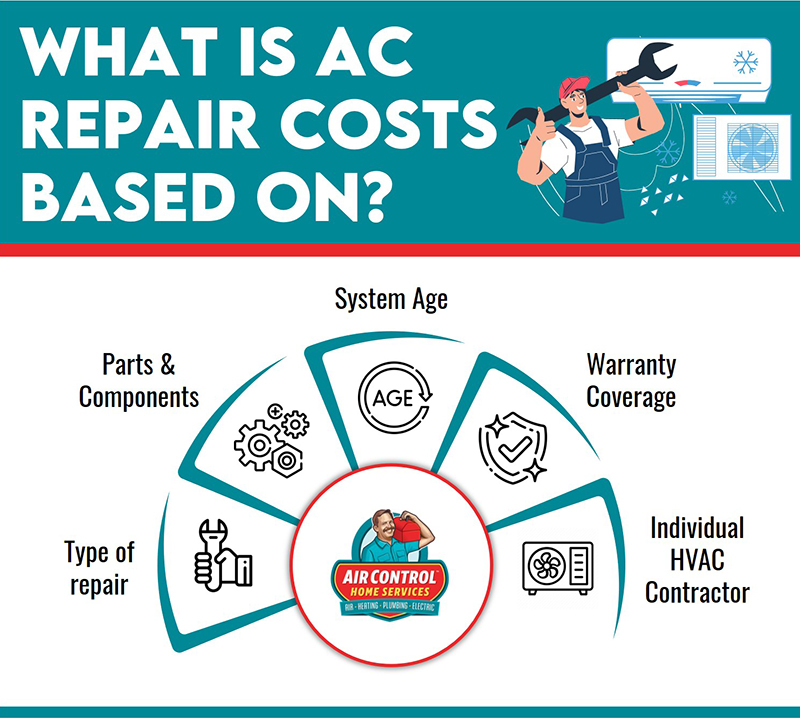
Request a Maintenance Visit

Understanding Drain Cleaning

Before delving into the drain cleaning cost, it’s essential to understand the process and why it is necessary. Drain cleaning is the process of removing blockages or debris from the plumbing system to restore proper flow and prevent future clogs. This can involve various techniques and tools, depending on the severity of the clog and the type of plumbing system.

Common Methods of Drain Cleaning:

  • Plunging: The simplest and most cost-effective method, which can usually be done by homeowners themselves.
  • Chemical Drain Cleaners: These are available over the counter and can help dissolve minor clogs.
  • Handheld Drain Snakes: A tool used to physically remove obstructions within the pipes.
  • Hydro-Jetting: A high-pressure water jet is used to clear more stubborn clogs and debris buildup.

Average Costs for Drain Cleaning

The cost of drain cleaning in Lake Havasu City can vary widely, but here’s a general guideline for the average prices you might encounter.

DIY Methods

If you’re using a plunger, over-the-counter product, or a handheld drain snake, you can expect to pay anywhere from $10 to $50 for the tools or chemicals. Keep in mind that this doesn’t include your time and effort.

Professional Services

The cost of professional drain cleaning can range from $100 to $500 or more, depending on the complexity of the job and the service provider. Minor clogs are at the lower end of this range, while more extensive or emergency services will be closer to the higher end. For example, if you have a deep sewer line clog, you may need a video camera inspection to pinpoint the exact clog location. Additionally, you may need hydro-jetting or other advanced tools to effectively remove the clog. All of this will add to your overall drain cleaning costs.

Additionally, if the clog has caused damage that needs repair, you might need to budget an additional $100 to $1,000 or more for repairs.

Remember that these are rough estimates, and the actual cost may differ based on your unique circumstances. It’s always a good idea to get a quote from a local plumbing professional for an accurate assessment of your situation. To schedule a drain cleaning or repair, contact Air Control’s licensed plumbers at (928) 680‑0600 or head to our website to request service.

Don’t miss out on our latest deals! Check out our specials and save big on your next service.

Factors Influencing the Cost

The cost of drain cleaning in Lake Havasu City can vary significantly based on several factors:

Type of Drain

Different drains, such as kitchen sinks, bathroom sinks, bathtubs, showers, and toilets, may have varying costs for cleaning. The complexity of the plumbing and the location of the clog can influence the price.

Severity of the Clog

A minor clog may be resolved with simple methods like plunging or chemical cleaners, while severe blockages might require more extensive and costly methods like hydro-jetting.

Emergency Drain Cleaning

Emergency drain cleaning services, which are often required for severe clogs, tend to be more expensive than scheduled appointments. It’s wise to address clogs before they become emergencies to save on costs.

Other Factors

If the clog has caused damage to your plumbing system, such as pipe corrosion or leaks, the cost of repairs or replacements will add to the overall expense. Also, keep in mind that different plumbing companies or contractors may have varying pricing structures. It’s a good idea to get multiple quotes to compare costs.

Preventing Drain Clogs

To maintain the smooth flow of your drains and avoid the costs associated with cleaning, it’s essential to practice preventive measures. For example, be mindful of what you put down the drain, avoiding substances like grease, food scraps, and hair. Larger food items should go in the compost or trash bin. You should also consider utilizing drain strainers to capture larger particles, preventing them from entering the pipes.

In general, we recommend steering clear of harsh chemical cleaners, as they can lead to long-term pipe damage. Consider using natural or less abrasive alternatives. Lastly, to catch potential issues before they escalate into major clogs, schedule professional inspections of your plumbing system. These preventive steps can save you time and money in the long run while keeping your drains in optimal condition.


What’s the Cost of an Air Conditioner Replacement in Lake Havasu City?

For Arizona homeowners, maintaining a comfortable home environment is a priority. If you’re considering replacing your AC in Lake Havasu City, it’s vital to ensure it’s done efficiently and to the best standards. Naturally, understanding the associated costs is essential.

Several factors influence the cost of a new air conditioning unit. Knowing these can help you budget and prepare for a replacement when necessary. Additionally, it’s beneficial to understand how to prolong the life of your existing AC. Engaging with expert technicians can provide insights into your specific needs and introduce you to the latest energy-efficient technologies.

In this post, we’ll discuss:

  • AC system size
  • Energy efficiency
  • Add-on features
  • Benefits of upgrading your AC
  • Tips for extending your AC’s lifespan

A thorough knowledge of all these cost factors will help you decide about AC installation. When it comes time for AC replacement in Lake Havasu, you can make informed calls.

AC System Size

One of the most important cost factors in an AC system is the size of the home it will be cooling. Many Arizona homes actually have air conditioners too large for their needs. The result is that these systems function less efficiently, sometimes at only 60% of their capacity. They draw vast amounts of power and wear out faster than smaller units.

Today, in an era of more energy-efficient home designs and AC technology, smaller units have a growing role. The savings involved can be non-trivial. That’s why assessing your needs accurately is of prime importance. Getting an accurate in-home assessment from a professional is always a good idea.

Energy Efficiency

Air conditioners are rated by their Seasonal Energy Efficiency Rating (SEER). A higher SEER indicates a more efficient unit, leading to potential savings on energy bills. A high SEER rating is crucial in hot desert climates like Arizona, where ACs run frequently. Additionally, the unit should be robustly constructed to handle regular use and cycling.

While these factors might increase the unit’s initial cost, it’s an investment in long-term savings. Nationally, the average cost for a new central AC unit is between $3,000 and $7,000. However, for Arizona residents, this price might be on the higher end. To get the most accurate pricing, it’s recommended to seek a professional in-home estimate.

Add-On Features

Some air conditioners come with add-on features. Smart thermostats are programmable, for example, and can even track your habits and offer energy-saving tips. Dehumidifiers and air purifiers can improve your home’s air quality. Zoning systems can give you fine-tuned heating and cooling control in different rooms. All of these, of course, add to costs.

Benefits of Upgrading Your AC

Upgrading your air conditioner can provide access to new technology and higher levels of energy efficiency. It can save you money in the long run on energy bills. It improves your home’s overall comfort and air quality. Newer systems are quieter than older technologies, providing a more peaceful atmosphere. Perhaps most importantly for the Arizona homeowner, newer units are built for maximum durability and reliability.

Tax Credits and Rebates

The Inflation Reduction Act offers a number of ways to get tax credits for HVAC installations. Upgrading to energy-efficient systems can earn a substantial tax deduction. The High-Efficiency Electric Home Rebates (HEEHRA) and HOMES programs provide substantial rebates for purchasing energy-efficient equipment. Rebates from utility companies can save even more money, so it’s a good time to think about AC replacement overall.

Tips for Extending Your AC’s Lifespan

You may want to extend the lifespan of your current AC unit without replacing it. The best way to achieve this is regular maintenance and tune-ups. When provided by professional technicians, these checks will catch problems early. Timely repairs will reduce the wear and tear on your unit and ensure it lasts longer.

What’s the Cost of an Air Conditioner Repair in Lake Havasu City?

The last thing anyone wants is for their AC unit to break down when the temperature is climbing into the triple digits. But let’s face it: AC units are machines, and machines can fail, often at the most inconvenient times. Given that scenario, one of the first questions that pop into your mind is likely the cost of fixing it.

Most homeowners first ask when scheduling repairs, ​“How much will it cost?” The AC repair cost in Lake Havasu City can range from $100 to $1,000+, averaging around $500. The exact cost is based on the following factors:

  • Type of repair
  • Parts & components
  • System age
  • Warranty coverage
  • The contractor you hire

In this blog, the HVAC team at Air Control Home Services will examine these factors in more detail, giving you a better idea of how much your Lake Havasu AC repair cost may be.

Contact Us

Type of Repair

The first factor to consider when it comes to the AC repair cost in Lake Havasu is the repair type. As you can probably guess, complex repairs are more expensive than simple ones. For example, locating and resolving a refrigerant leak is much more time-consuming and labor-intensive than swapping out air filters.

It’s important to note that repairs can become more complicated depending on the accessibility of your air conditioner. For instance, say your AC unit has a ventilation problem. If the unit is easily accessible, the technician should be able to clear debris relatively easily. However, if it’s in a small attic or crawlspace, the repair will be more difficult to execute, leading to higher costs.

cost to repair ac

Parts & Components

During a repair, the HVAC technician may determine that you need a replacement part. The cost of this part — as well as the amount of effort it takes to install it — will influence your overall costs. Here are some parts that are typically expensive to replace:

  • Compressors
  • Fan motors
  • Condensers
  • Evaporator coils

While some of these parts can be repaired, others will almost always need a replacement. Evaporator coils, for instance, usually cannot be fixed with a repair.

System Age

It’s a good idea to consider the AC system’s age during a repair. With regular maintenance, most air conditioners last for about 15 years. If your air conditioner is over 10 years old and experiencing problems, it’s usually better to replace it. Although a new AC installation will have high upfront costs, it will save money on energy and repair expenses down the line.

Are you unsure whether it’s better to get a replacement? Our team can help. After carefully evaluating your system, we’ll let you know which option is best for both your cooling needs and budget.

Warranty Coverage

A major factor that impacts the air conditioning repair cost in Lake Havasu is your warranty coverage. There are two main warranties to consider:

  • Parts Warranty
  • Labor Warranty

The first is your parts warranty, designed to protect you from manufacturer errors. If a part within your AC unit stops working, the manufacturer may be responsible for the replacement cost (provided you have received regular AC maintenance). In general, parts warranties last between five and 10 years. Your AC manufacturer can give you more information about your warranty.

The second one is your labor warranty. As the name suggests, this covers the labor cost during the repair. Most labor warranties are valid for one or two years. If you’re unsure whether your labor warranty is valid, contact the company that performed the installation.

The Contractor You Hire

Lastly, the contractor you hire can affect your overall repair costs. If you go with the lowest price, you may end up with low-quality work. Of course, you don’t want to overspend either.

Air Control Home Services is committed to delivering 5‑star service at a fair, honest price. With every project, we promise a 100% satisfaction guarantee. Our ultimate goal is to ensure every customer is happy with the service and total cost.

Air Control Home Services

Book Online

Book your service in less than a minute.