Get flexible financing and instant approvals for urgent home repairs—apply online today.

The Real Cost of Skipping HVAC Maintenance in Arizona

In Arizona, HVAC maintenance is not just a “nice to have.” It is one of the most important steps you can take to protect your comfort, your system, and your budget. When your air conditioner has to fight extreme temperatures for months at a time, even a small problem can turn into a major breakdown.

Many homeowners put off routine service because the system seems to be running fine. The truth is that HVAC problems usually build quietly. Dirty coils, worn electrical components, airflow restrictions, and small refrigerant issues rarely cause immediate failure. Instead, they reduce efficiency little by little until your AC is working harder than it should. That extra strain is where the real cost starts.

If you live in Lake Havasu City or anywhere in Mohave County, skipping AC maintenance can lead to higher energy bills, more expensive repairs, and shorter equipment life.

Arizona Heat Makes HVAC Systems Work Overtime

Summer temperatures in Arizona can push past 100 degrees for days at a time, and your air conditioner cannot “rest” the way it might in milder climates. During peak season, your system runs longer cycles and more frequent cycles to keep up with demand.

When the heat is relentless, any small inefficiency becomes a big problem.

Without a seasonal air conditioner tune-up, your system can struggle with:

  • Reduced cooling output
  • Longer run times
  • Higher utility bills
  • Uneven temperatures throughout the home
  • Increased wear on critical components

Even a minor airflow restriction can force the system to run constantly. Over time, that extra workload can shorten the lifespan of motors, capacitors, and compressors. Those repairs are not small, and they often happen when you need your AC the most.

Desert Dust and Wind Create Buildup You Can’t Always See

One of the most overlooked factors in HVAC maintenance in Arizona is dust. Lake Havasu City and the surrounding desert areas deal with dry conditions, wind, and airborne debris that can enter your home and HVAC system.

Dust buildup does not just make filters dirty faster. It can also:

  • Coat evaporator coils and reduce cooling efficiency
  • Clog the outdoor condenser coil
  • Restrict airflow through the system
  • Increase strain on the blower motor
  • Cause temperatures to feel inconsistent

When coils become dirty, your system cannot transfer heat properly. That means your air conditioner uses more power to produce less cooling. It is one of the easiest ways for energy costs to rise without any change to your thermostat settings.

Regular HVAC tune-ups help catch these issues early and keep your system running at peak performance.

Monsoon Season Can Add Humidity and Drainage Problems

Arizona may be known for dry heat, but seasonal weather can still create moisture-related HVAC issues. During monsoon season, homeowners may notice indoor air feeling heavier or more humid. That shift can reveal problems with your system’s drainage and airflow.

Skipping routine maintenance can allow issues such as:

  • Clogged condensate drain lines
  • Overflowing drain pans
  • Water leaks near the air handler
  • Excess indoor humidity
  • Musty odors around vents

A clogged drain line can lead to water damage if the system overflows. It can also cause your AC to shut down unexpectedly. Maintenance helps prevent these problems by keeping drain components clean and ensuring the system is removing moisture correctly.

Small Problems Become Expensive Repairs

HVAC systems rarely fail all at once. In many cases, homeowners ignore small signs until the system stops cooling entirely. Unfortunately, waiting too long can turn a minor fix into a major repair.

Skipping HVAC service can lead to:

  • Failing capacitors and electrical components
  • Overheated motors
  • Frozen coils caused by poor airflow
  • Refrigerant leaks getting worse over time
  • Compressor strain and premature failure

A seasonal air conditioner tune-up often costs far less than emergency repairs, especially during peak demand. It is also the best way to reduce surprise breakdowns when the schedule fills up in the middle of summer.

Higher Energy Bills Add Up Month After Month

When your air conditioner is not operating efficiently, you pay for it every day. Even a system that still “runs” can waste energy when it is dirty, worn, or not properly calibrated.

Some of the most common reasons energy bills rise include:

  • Dirty air filters and restricted airflow
  • Coils that cannot release heat efficiently
  • Low refrigerant reducing cooling output
  • Loose electrical connections causing stress on the system
  • Thermostat or sensor problems creating inaccurate readings

If your AC seems to be running constantly but the house never feels comfortable, maintenance could be the missing piece.

Skipping Maintenance Can Shorten the Life of Your System

A quality HVAC system is built to last, but it still needs routine care. Without regular inspections and cleanings, parts wear out faster and the system loses efficiency year after year.

In Arizona’s extreme climate, that decline can happen even sooner.

Maintenance helps:

  • Improve system reliability
  • Reduce repair frequency
  • Maintain airflow and temperature control
  • Protect your investment long-term
  • Extend the life of your air conditioner

Replacing an HVAC system is a major expense. Routine HVAC maintenance is one of the simplest ways to keep your equipment running longer and avoid replacement sooner than necessary.

How Often Should You Schedule HVAC Maintenance in Arizona?

For most Arizona homes, the best approach is preventative service before the hottest months arrive. Many homeowners benefit from two maintenance visits each year:

  • One tune-up before summer
  • One check-up later in the year

This keeps your system ready for extreme temperatures and helps catch problems while they are still manageable.

Schedule HVAC Maintenance in Lake Havasu City Today

The real cost of skipping HVAC maintenance in Arizona is rarely felt in one single moment. It shows up slowly through rising energy bills, reduced comfort, and unexpected breakdowns that happen at the worst time.

If you want dependable cooling and fewer surprises this summer, Air Control Home Services is here to help. Our technicians provide trusted AC maintenance in Lake Havasu City, Mohave County, and surrounding areas.

Contact us today to schedule your air conditioner tune-up and keep your home comfortable all season long.

Call 928-361-9902 or book your appointment online today.

Replacing dirty furnace filter in home

Reasons Why HVAC Maintenance Is Important in Dust-Prone Areas

If you live in a dust-prone area, you face an air-borne battle all year. Much of Arizona experiences rampant dust. Fine, abrasive grit finds its way into everything in Arizona homes. Your home’s HVAC system is no exception to this problem. Ignoring dust buildup is a mistake. It quickly leads to poor performance, and your energy bills will increase. It can even cause system failure. Proactive maintenance is not a luxury here. It is an absolute necessity in a dusty climate.

Your HVAC unit acts as your home’s lungs. It constantly breathes and filters the inside air. When that air is full of dust, the system faces immense stress, and we want you to understand why system care is so crucial.

Dust’s Damaging Effects on Your HVAC System

Desert air creates serious challenges for mechanical systems. The persistent presence of fine dust is very detrimental. These tiny particles act like sandpaper on components. They wear down moving parts and coat everything in grit. This accelerates the wear and tear on your system. It also leads to premature breakdowns.

Dust accumulation makes several parts vulnerable. The filter is the first line of defense. Unfortunately, dust may go around the filter when it’s clogged, coating and compromising critical components. This makes your unit work much harder than it should. Here are a few ways dust causes damage:

  • Reduces system efficiency
  • Increases friction on motors
  • Insulates heating and cooling coils
  • Clogs condensate lines and drains
  • Contaminates indoor air quality

Ignoring these issues leads to more complex repairs or replacements later, making them much more costly. In cases like these, a comprehensive, professional tune-up is best. This measure will help prevent dust damage in the Arizona climate.

Protect Your Air Filters and Indoor Air Quality

The air filter is a crucial component here because it can capture a large amount of particulates, and it can quickly become saturated with dust. As you might expect, this hinders its ability to trap more dirt. This blockage severely restricts airflow, harming the system’s health and energy efficiency.

We recommend frequent filter changes. When the pressure builds up in the system because the filter is so clogged, air has difficulty passing through it. When that happens, the dusty air will push through any existing weakness or tear, directly affecting the air quality inside your home. People with respiratory issues, including allergy and asthma sufferers, are susceptible to this problem. Our routine maintenance reduces this dust load, providing you with cleaner, healthier air inside your home.

Maintain Your Evaporator and Condenser Coils

Heat pump coils handle heat exchange, including both cooling and heating. Traditional HVAC units only have a cooling coil. Dust is terrible for these coils. When dust coats the coils, it impedes heat transfer, preventing them from effectively absorbing or releasing heat.

Your HVAC system must run for longer periods when coils are compromised, as it struggles to reach the set temperature. This wastes a lot of electricity and strains the compressor.

Our experts use specialized cleaners and tools. We carefully remove the grime and dust caked onto the delicate coil fins. This cleaning immediately improves efficiency, quickly reducing your energy consumption. Neglecting this task can result in a permanent efficiency loss. It could even cause the compressor to fail.

Prevent Airflow Issues and Ductwork Contamination

Dust impacts more than just the main components. It affects the entire airflow pathway. When the blower wheel accumulates dust and debris, the motor must work harder to move air. Reduced airflow leads to inconsistent cooling, a clear indicator of lost efficiency. Dust also accumulates throughout your duct system, where it waits to be blown back into living spaces.

Dust enters ducts through small gaps or leaks in dusty areas. Our team will inspect your ducts for these issues and recommend duct cleaning when needed. This removes deep-seated dust and allergens quickly and ensures the conditioned air reaches its destination.

Poor airflow makes your home uncomfortable. This is especially true during Arizona’s hot summers. The unit is constantly fighting dust-caused blockages. Scheduling a maintenance visit helps us identify blockages.

Extend Your System’s Lifespan and Ensure Reliability With Maintenance

Maintenance plays a huge role in a system’s lifespan. It is the most compelling reason to schedule service. We address the wear and tear caused by dust. With maintenance, you prevent the need for early, expensive replacements. A well-maintained system performs well and lasts for many years, resulting in major long-term savings.

Dust and grit increase the risk of a complete HVAC failure. Breakdowns always happen at the worst possible time. Think of the peak of a summer heatwave; an AC failure would be miserable. A tune-up spots small issues immediately. Our technicians work to prevent catastrophic failure by inspecting belts, electrical connections, moving parts, and refrigerant levels.

Fulfill Warranty Requirements

Many manufacturers require professional maintenance for warranty purposes. You need proof of annual service to fulfill requirements, so if a component fails, you need the necessary documentation. If you don’t keep any records, the manufacturer may deny your claim. This is bad news in dusty climates, since the environmental stress can lead to breakdowns, making warranty compliance vital.

Our technicians provide detailed service records, which will prove your compliance. This should give you valuable peace of mind. The manufacturer’s warranty protects your investment, and we ensure every part meets all the required standards.

Invest in Your Comfort and System Health With Air Control Home Services

You can avoid the worry and expense caused by a struggling HVAC system in AZ. Professional maintenance is the single most effective way to fight the dust. It combats the many negative environmental effects. We’ll protect your investment and improve its overall efficiency.

Our team knows the specific challenges you face. This is true for all residents in the Lake Havasu and Mohave County areas. Sign up for our maintenance plan to make routine service easy. We keep your home comfortable and help to keep your bills low. We can assess your home’s air quality and, if needed, install a whole-home air purification system to remove bacteria, pollen, pet dander, and dust. We can also inspect and clean your ductwork and seal or replace any damaged sections. That will ensure a clean flow of conditioned air into your living spaces. Protecting your system and keeping it running well is our top priority.

Contact Air Control Home Services today for more information about the importance of HVAC maintenance in your dusty area.

HVAC maintenance in Lake Havasu City, AZ

When to Change Your HVAC Filter

Your HVAC system’s ability to heat or cool your home effectively depends on its ability to circulate air. The air filter protects this function, capturing airborne contaminants before they can enter your system. The downside to that job is that you must replace them periodically. Use this guide to learn how to tell when it’s time to change your filter.

Average Filter Life

Leaving your filter in place for too long reduces your system’s efficiency, increases your heating and cooling costs, and adds strain and wear to your system. That’s why it’s important to change the filter regularly. How often you need to change it depends on the depth of the filter.

Smaller 1- and 2-inch filters are the most common and generally need changing every 30 to 90 days. Larger 3- and 4-inch filters may last from six to nine months. Filters that are 5- or 6-inches could last up to 12 months. Your air quality, the filter construction, and how you use your system will determine how often you’ll need to change your filter.

Ideally, check your filter every month, especially if you’re not sure how quickly it becomes soiled. You can extend your filter life by gently vacuuming the intake side of the filter when you change it.

The Air Filter Looks Dirty or Clogged

When you check your filter, look for evidence that it’s dirty or clogged. The filter itself will often look gray or brown. It could also have a thick layer of dust or pet hair when it’s time for a change. If the dust and other contaminants fall off when you remove it from the system, it needs to be changed.

Longer Heating or Cooling Cycles

Standard air conditioners run cooling cycles of 10 to 15 minutes and furnaces run 15 to 20 minute heating cycles. However, when the system cannot circulate enough air, it may take longer to bring your home to the desired temperature. This can also signal other problems, but a severely clogged air filter is a common culprit.

Less Air from Supply Vents

You likely don’t have the equipment to measure the air volume coming from your vents. However, you might notice that there seems to be less cool or hot air coming from your supply vents. A dirty air filter can cause this because it restricts the air from moving past the filter as it comes into the system. Less air coming in translates to less air coming out. It’s this restricted air that causes so many of the other issues associated with dirty and clogged filters.

Increasing Energy Bills

Keep an eye on your energy bills, including those for electricity and heating fuel. While what you pay is important for your budget, the energy you consume is more telling for your HVAC system. There are a few ways to look at your bill to catch when your system experienced reduced efficiency.

The first is the amount you consume each month, which will fluctuate based on usage habits and outside weather. More meaningfully, check how much you consume compared to the same month last year, which is usually available on your bill. If it is markedly higher with no other explanation, an airflow restriction like a clogged filter could be the culprit.

Excess Household Dust

Every home has some dust that needs to be cleaned periodically. However, when the air filter gets clogged, you’ll notice more dust because the filter isn’t removing it to the degree that it should. Keep an eye on the flat surfaces around your home to watch for excess dust. With a clogged air filter, the place you’ll most likely see this excess dust is around and in your ducts. Therefore, keep an eye on the floor around supply vents, on the vent covers, and just inside the vents. If you do notice this extra dust, be sure to clean it up when you change your filters to prevent recirculating these particles through your home.

Unusual Odors

Your HVAC system shouldn’t produce odors when it’s running properly. However, when the filter clogs, it could produce some odors. The most common is musty or moldy odors, especially if you have pets. This happens because bacteria and other contaminants get caught in the filter, which may produce the gasses that cause the odor.

Further, a clogged air filter can cause a burning smell, especially during the winter when dust hits the hot surfaces. Don’t ignore any unusual odor produced by your HVAC system, which could indicate potentially serious and dangerous problems, but could be as simple as a filter needing changing.

Increasing Allergies

Dust, pollen, and pet dander are just a few of the allergens in your home’s air. Your air filter works to help clear these out while the air circulates through your HVAC system. However, when it gets clogged, fewer of those contaminants get removed from the air. Further, those contaminants collect in a concentrated area, which can cause anyone who comes near the filter to have exacerbated allergic reactions. Further, those concentrated contaminants can get drawn into the system if there’s an air leak around the filter. This can create a hyper-allergenic environment throughout your home. If you notice anyone in your home sneezing more, with extra watery eyes or a runny nose, check your air filter.

Overheating Furnace

As your furnace produces heat, insufficient air moving through the system may cause the system to overheat. You may notice this excess heat simply touching the furnace housing. However, you are more likely to notice overheating because your system is short-cycling and shutting off prematurely. Even if you’re not paying attention to the length of the heating cycles, you will likely notice that your home isn’t getting to the desired comfort level.

Water Around Your AC Unit

Your air conditioner condenses moisture in the air due to the temperature of the evaporator coils compared to the due point of the air. When the AC works properly, this moisture, called condensate, drains away through a special drain in the drip pan. However, when there’s a problem, this condensate may spill onto the floor around the unit.

A clogged air filter is one problem that can cause excess condensate. The restricted airflow through the filter can cause the condensate on the coil to freeze. This becomes a compounding problem as the freeze itself further limits airflow through the system. When the coil thaws, there may be too much condensate to effectively drain, and it will instead spill out of the drip pan.

When property owners around Kingman need HVAC service they can trust, they’ve turned to Air Control Home Services since 1990. Our team takes pride in providing heating and AC maintenance, installation, and repair alongside indoor air quality solutions and a wide range of residential plumbing and electrical services. Call to schedule seasonal HVAC maintenance with one of our experienced technicians to help ensure your system continues operating at peak efficiency.

Air conditioning services in Lake Havasu City, AZ

Maximizing Efficiency: Top Tips for Cooling Your AZ Home

When the hot summertime weather hits, it’s nice to have a comfortable indoor environment to retreat to. A home cooling system is a great way to stay cool and safe during the worst of the heat. However, to avoid running up your utility bills, here are some useful methods you may want to implement to maximize your system’s cooling efficiency.

Schedule Regular Maintenance

One of the best ways to help maximize the efficiency of your cooling system is to have regular maintenance performed on it. Your HVAC technician will take care of things like lubricating moving parts, topping off low refrigerant levels, and even checking electrical connections. The best part is that they can alert you of any problem that you may have with your system so that you can get it fixed before the worst of the summer heat.

Invest in Zoning Systems

A great way to help maximize your cooling system’s efficiency is to opt for zoning systems. These allow you to have separate thermostat controls for different areas of your home. This way, you can turn the temperature up in areas of your home that you don’t use too often. When you can better narrow your usage down to specific zones, you can reduce your summer energy bills while remaining comfortable in your home.

High-Efficiency Systems

If your existing cooling system is over 10 years old, it may be time to consider an upgrade. Newer AC units are much more energy efficient. You can even invest in high-efficiency systems that come at a higher initial up-front cost but have a lower overall operating cost. The more efficient your cooling system is, the more money you’ll be able to save on your monthly energy bills.

Cover Your Windows

If you’ve ever sat in front of a window on a hot summer day, you know just how warm the sunlight can be. When you have direct sunlight pouring into your home, it can increase that room’s temperature drastically. Unfortunately, this will cause your air conditioning system to run excessively to keep up with your system’s cooling demands. You can easily block out direct sunlight with blinds, curtains, or UV window film so that the sun can’t heat up your home.

Use a Smart Thermostat

Another great way to help maximize the efficiency of your cooling system is to use a smart thermostat. This type of device will allow you to program different temperature settings for different times. You can turn up your thermostat during the hours when household members are away and then turn it back down just before you return home. These thermostats will even monitor your energy usage and make suggestions on how to alter your settings to lower your energy usage.

Cook Outdoors

When you cook inside your home, whether on the stovetop or in the oven, it creates unnecessary heat. Your cooling system will then have to run to cool your home back down to your desired temperature. Simply cooking your meals outdoors can prevent creating heat inside. Consider investing in a grill, an outdoor fire pit, or even a brick oven.

Hang Clothes to Dry

Your dryer can create a lot of heat inside your home with just one drying cycle. Instead of introducing that heat into your home, you can hang your clothes to dry. This will also help to reduce the energy costs associated with running your dryer.

Ventilate Your Attic

One lesser-known tactic for maximizing the efficiency of your air conditioning system is to ventilate your attic during the summer months. This necessary ventilation will allow warm air to escape out of your attic. Otherwise, excessively hot air will get trapped in the attic and can end up drifting down into the rest of your home. When this happens, your air conditioning system has to run overtime to cool your home throughout the daytime hours.

Use Exhaust Fans

Exhaust fans provide a great way to help ventilate steam out of your home. Excess humidity inside your home can make it feel much hotter than it actually is and have you turning down the temperature on your thermostat. It’s best to turn on your exhaust fans whenever you plan on taking a shower or cooking anything on the stove.

Change Your Air Filter Regularly

Your cooling system’s air filter is great for removing unwanted allergens from the air inside your home. This helps to create great indoor air quality and protect the internal components of your cooling system from excess dirt buildup. However, when your air filter reaches the end of its lifespan, it will make it much harder for your cooling system to operate. You need to check your system’s air filter at least once a month and changing it every one to three months depending on how much debris it attracts and what the manufacturer recommends. Having spare air filters on hand is a good idea so that you can easily replace dirty ones when necessary.

Keep Your Outdoor Unit Clear

The summertime can bring some nasty thunderstorms. When they strike, heavy wind gusts can cause loose debris, like leaves and twigs, to blow up against your outdoor AC unit. When your outdoor AC unit becomes restricted, it won’t be able to operate efficiently. It will struggle to disperse heat from inside your home to the outdoors. The best way to avoid this problem is to clear any debris from your outside unit. Check it every couple of weeks and after every major storm. Make sure that you also trim back any shrubbery or low-hanging branches to keep it free of obstructions.

Seal Air Leaks

As your house settles into the ground, unwanted air leaks can develop around your doors and windows. When this happens, hot air from outside can more easily penetrate into your home and raise its overall temperature. You can easily seal these air leaks with caulking or weather stripping. Also, check for temperature shifts near your outlets and light switches on any exterior walls. They may need to have a foam insert installed to prevent further undesirable hot air from seeping into your home.

Reliable AC Service

Air Control Home Services offers reliable cooling service for Lake Havasu, AZ and the surrounding area. Our helpful technicians can assist with all of your heating, electrical, plumbing, and indoor air quality needs.

Contact our team at Air Control Home Services today to schedule a service appointment with one of our highly experienced professionals.

Furnace filter

How to Change Your Home’s Air Filters and How Often

Keeping your Lake Havasu City’s HVAC system in top shape involves more than just regular air conditioning maintenance—it’s about ensuring the air you breathe is clean and healthy. One of this system’s most overlooked yet crucial components is the humble air filter. Maintaining clean air filters in your HVAC system is vital for ensuring optimal air quality in your home, prolonging the lifespan of your system, and keeping energy costs down.

In this blog, we’ll walk you through:
  • The steps to change your home’s air filters
  • How often you should replace your air filters

With a little know-how, you can keep your home and HVAC system running smoothly all year round.

At Air Control Home Services, our expert technicians provide comprehensive AC tune-ups to keep your cooling system operating at peak performance. We service most brands and models of AC systems, and we can also check your air filter and replace it for you if needed! Call us at 928-361-9902 or click below to request service online today.

Schedule maintenance

Why Change Your Air Filters?

Before we get into the “how,” let’s quickly recap why it’s important to change your HVAC system’s air filters. First, your HVAC system relies on a healthy balance of airflow. If clogged air filters obstruct air, your system will have to work harder than normal to cool or heat your home. Unfortunately, this can lead to costly breakdowns and inefficient operation. Second, your air filters trap dust, pollen, pet dander, and other airborne particles, preventing them from circulating through your home. If your filters are dirty, you and your family will end up breathing unclean air, which can aggravate allergies and asthma. By staying regimented about filter replacements, you can avoid both these issues.

air-filters

When to Change Your Air Filters

How often you need to change your air filters will vary on several key factors.

The Type of Filter You Have

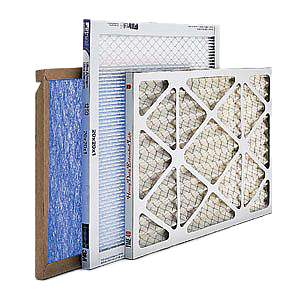
Air filters come in different types, each with its own lifespan and price point. For instance, fiberglass filters are quite affordable but need to be changed every month. Pleated filters, made from denser material, can last up to three months. For even better air quality, High-Efficiency Particulate Air (HEPA) filters are a great option, capable of lasting several months. This makes them a smart choice for homes that need particularly clean air.

Air Quality and Allergies

Here in Lake Havasu, Arizona, where dust and pollen count can be high, you might find yourself needing to change your air filters more often, especially during peak allergy seasons or after monsoons that stir up dust and debris. This is also true for homes near construction sites where air quality can be compromised by particulate matter. Keeping an eye on your air filters and changing them regularly will help maintain the air quality in your home and keep your HVAC system running efficiently.

air-quality-and-allergies

Pet Ownership

Pets add joy to your life, but they also add hair and dander! For pet owners, this means air filters may need to be changed more frequently to manage these additional particles in the air effectively. Regularly replacing your filters will not only help keep your home’s air clean but also enhance the efficiency of your HVAC system, ensuring it doesn’t work harder than it needs to.

Step-by-Step Guide to Changing Your Air Filters

Changing your home’s air filters is a straightforward process that can significantly improve the air quality and efficiency of your HVAC system. Here’s a simple guide to help you perform this essential maintenance task effectively. By following these steps, you can ensure that your HVAC system continues to function optimally and that the air in your home remains clean and healthy.

Let’s get started with the steps you need to follow.
    • Step 1: Locate Your Air Filter

Air filters are usually located in the return air duct or blower compartment before the return air enters the HVAC equipment. It could be behind a return vent on a wall or ceiling in a central room of the house or inside the HVAC system itself.

    • Step 2: Determine the Right Size

Before purchasing a new air filter, make sure you know the exact size you need. Check your current air filter; usually, the size is printed on the side of the frame. Sizes are typically listed in length by width by depth (e.g., 24x24x1 inches).

    • Step 3: Purchase the Correct Replacement

Air filters come in various types and efficiencies, rated by their Minimum Efficiency Reporting Value (MERV). Filters with a higher MERV rating capture smaller particles. Choose a filter that balances air purification needs and your HVAC system’s capability.

    • Step 4: Turn Off the HVAC System

Always turn off your HVAC system at the thermostat before changing the air filter to prevent dust or debris from being pulled into the ducts during the change.

    • Step 5: Remove the Old Filter

Slide the old filter out of the slot or housing. Be careful to keep the dirt and debris contained to avoid it spreading back into the air.

    • Step 6: Insert the New Filter

Place the new filter into the slot, making sure it fits snugly without any gaps. Ensure the filter’s arrows (indicating airflow direction) point toward the ductwork and away from the return air grille.

    • Step 7: Dispose of the Old Filter

Seal the old filter in a plastic bag and dispose of it in the trash to prevent any trapped particles from escaping back into your home.

    • Step 8: Turn Your HVAC System Back On

Once the new filter is in place, turn your HVAC system back on. Consider setting a reminder on your phone or calendar to check and possibly change the filter again in the next 30-90 days.

Schedule AC maintenance today!

Don’t wait until your air filters are clogged and your HVAC system is straining. Contact Air Control Home Services for comprehensive AC maintenance service in Lake Havasu City, and we’ll check your air filters during your service. Let us help you breathe easier and live more comfortably in your home. Schedule service today!

Schedule maintenance

Air Control Home Services

Book Online

Book your service in less than a minute.