Get flexible financing and instant approvals for urgent home repairs—apply online today.

Electrician installing GFI plug in kitchen

7 Places in Your Home That Require GFCI Outlets

Electricity is inherently dangerous. Without the proper safety measures, your home’s electrical system could pose a serious fire hazard or cause someone to get electrocuted. Electrical safety is especially crucial in areas such as kitchens and bathrooms, where outlets or wiring may be exposed to water. Ground fault circuit interrupter (GFCI) outlets are essential for preventing shock and fire hazards, making them a key component of electrical safety in kitchens and bathrooms. Electrical codes require GFCI outlets in all kitchens and bathrooms, as well as in certain other areas of the home. With decades of professional experience, Air Control Home Services is the trusted name for Arizona electrical services, home electrical upgrades, and safety solutions.

What Is a GFCI Outlet?

What makes GFCI outlets different from standard outlets is that they have an internal mechanism that detects ground faults and instantly interrupts the circuit to prevent shock. A ground fault occurs when electrical current escapes and flows elsewhere. GFCIs are like a lifeguard for your electrical system, working to prevent serious injury or death.

How GFCI Outlets Work

A GFCI outlet continuously monitors the current amperage flowing through both the hot and neutral wires. When a ground fault occurs and current escapes, it causes an imbalance between the two amperages. If the outlet detects even a slight imbalance, it trips within milliseconds and shuts off power. This ensures that the current doesn’t flow through a person or standing water.

Why Kitchens and Bathrooms Need GFCI Protection

Kitchens and bathrooms are among the areas with the highest risk of ground faults occurring. Using appliances like hair dryers, electric razors, toasters, and blenders near water always carries a risk of shock and electrocution. There’s also a risk of water entering an outlet and conducting current through anyone who touches it. Damaged wiring can cause current to flow through metal, shocking anyone who touches it. GFCI outlets provide critical protection in moisture-prone environments and when using small appliances.

GFCI Code Requirements and Safety Standards

The National Electrical Code (NEC) and local building codes mandate GFCI protection for all kitchen, bathroom, laundry/utility room, garage, and outdoor outlets. GFCI outlets or GFCI circuit breakers can provide this protection. GFCI outlets are more common because they cost less and are easier to test and reset. GFCI breakers are primarily used for hard-wired hot tubs.

The NEC is regularly updated, and only new construction is required to meet the latest requirements. As such, many older homes still have some unprotected outlets in high-risk areas that should be upgraded to improve electrical safety.

Common Signs You Need to Upgrade Your Outlets

All of these signs indicate that you should replace your outlets or install additional GFCI outlets.

  • Standard, non-GFCI outlets near sinks, bathtubs, and other water sources
  • Non-grounded two-prong outlets
  • Frequent breaker trips when using certain outlets
  • Unexplained power loss in certain outlets
  • Non-functioning test/reset buttons on the GFCI outlet
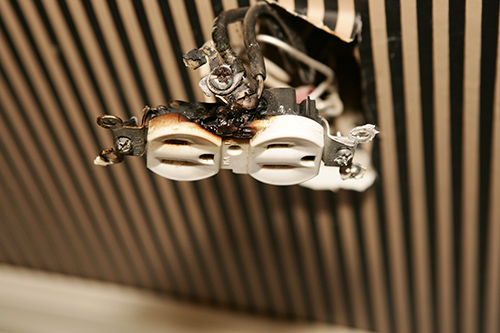
  • Burning smells, smoking, sparks, and discolored outlets

If you notice any of these warning signs, scheduling an electrical inspection is essential for avoiding safety hazards.

The Dangers of Ignoring Electrical Safety

Not having GFCI outlets in wet and moisture-prone areas carries a serious risk. Water entering an outlet or contacting wiring can cause electric shock, fire, or damage to major appliances. GFCIs also protect against hazards caused by a damaged cord or wire. Let’s say you go to use your toaster and it has a damaged wire that’s touching the metal body. As soon as you turn the toaster on, electricity will flow through the metal and seriously shock you. If you plugged a wet cord into a non-GFCI outlet, you could also be immediately shocked. Being proactive and upgrading your electrical system to meet code requirements goes a long way toward ensuring your family and property are safe.

How to Test and Maintain GFCI Outlets

The internal mechanism in a GFCI outlet can fail, preventing the outlet from shutting off power in the event of a ground fault. That’s why you must test all GFCI outlets monthly. Most GFCI outlets have a green light that indicates the outlet has power. To test the outlet, press the test button to see if the light goes out. Pressing the reset button will restore power to the outlet and turn the light back on. On some models, the light will instead turn red when you press the test button and shut off the power. Some older GFCIs don’t have an indicator light, meaning you’ll need to plug something into the outlet to see if the power goes out when you press the test button. If the outlet still has power after pressing the test button, ensure no one uses it until it is replaced. In addition to testing GFCI outlets monthly, scheduling periodic professional inspections is essential to ensure proper operation and prevent safety risks.

Professional Installation vs. DIY

A licensed electrician should always perform GFCI outlet installations. DIY electrical work is extremely dangerous due to the risk of improper wiring. Incorrectly wiring an outlet can prevent it from functioning properly. Even worse, it could lead to a fire or damage to major appliances. At Air Control Home Services, our certified electricians are committed to ensuring all installations are safe and compliant with code requirements.

Upgrading Your Home’s Electrical Safety

Kitchens and bathrooms aren’t the only places where you have to be concerned about ground faults. GFCI protection is equally important for laundry rooms, garages, and outdoor areas. Making other upgrades can also improve electrical safety. For instance, whole-home surge protection helps prevent fire hazards and damage from lightning strikes and other types of surges. AFCI breakers and outlets are key to preventing damaged wiring and components from sparking and causing a fire.

The Air Control Home Services Difference

At Air Control Home Services, safety, quality workmanship, and customer satisfaction are at the heart of everything we do. Our expertise in electrical repairs, upgrades, and inspections enables us to deliver high-quality electrical, HVAC, plumbing, and indoor air quality services that deliver real value to our customers. We’re dedicated to building long-lasting relationships by providing a first-class, hassle-free experience every single time.

Request GFCI Outlet Installation

GFCI outlet installation is a minor investment that can make a significant difference by providing life-saving protection in moisture-prone areas such as bathrooms, kitchens, laundry rooms, and outdoor spaces. If you want to improve your home’s electrical safety with a professional electrical inspection or GFCI upgrade, Air Control Home Services is ready to help.

To schedule service in Lake Havasu City, Bullhead City, Kingman, or surrounding areas, call us or request an appointment online.

Outdoor lighting in Lake Havasu City, AZ

The Role of Outdoor Lighting in Home Security and Aesthetics

When you think about outdoor lighting, your first mental image might be a soft glow highlighting a pathway or garden. However, lighting is more than decoration. It serves a vital role in home security. The proper layout and installation can deter potential intruders even when it’s simultaneously improving your curb appeal. Many modern outdoor lighting options are versatile, combining design elements and safety features that make your property visually inviting to guests while also being secure from unwanted parties.

Outdoor Lighting as a Security Measure

If you want an effective deterrent against crime, outdoor lighting is one of the best choices. Criminals prefer to stay unnoticed, and well-lit areas complicate that. Installing lighting in strategic spots on your property makes it less appealing to potential intruders. The presence of lighting improves visibility and communicates vigilance. If your home is well-lit, it gives off an impression of being monitored, even if your household is away at the time.

Perimeter Lighting

Putting lights along driveways, property lines, and fencing creates a barrier of visibility. This ensures anyone approaching your residence will be noticed.

Motion-Activated Lights

When they detect movement, these lights turn on automatically. This conserves energy and can startle potential trespassers who may assume no one’s home.

Entryway Illumination

You can also remove hiding spots by lighting up windows, doors, and garages. These are the most common entry points burglars target, so keeping them illuminated is a strong deterrent.

The Aesthetic Side of Outdoor Lighting

Safety is crucial, but aesthetics also matter to homeowners who are proud of their property’s appearance. Outdoor lighting can transform a home’s appearance after sunset, creating a warm and inviting atmosphere. The right lighting scheme lets you express your personal style, whether through classic lantern designs or modern, minimalist fixtures.

Highlighting Architecture

Position lights to showcase your property’s unique design. Columns, arches, and textured facades deserve attention.

Illuminating Landscapes

Pathways, trees, and gardens benefit from the installation of accent lighting. Use it to add dimension and depth to your yard.

Creating Ambience

From lively backyard gatherings to romantic patio dinners, outdoor lighting sets the mood for many different occasions. Tiki torches enliven a tropical barbecue party, while fairy lights and candles invite your date to join you for an enchanted evening.

Types of Outdoor Lighting

When choosing outdoor lighting, you’ll have plenty of options, each of which serves a different purpose. Pick the right types for the purposes you have in mind, but mix them up to optimize and balance beauty with functionality. Floodlights provide broad, intense illumination. They’re ideal for large spaces, such as driveways or backyards, where you need wide coverage.

Alternatively, spotlights highlight specific features, such as trees, statues, or architectural features. Wall-mounted lights are standard near garages and doors to combine style and utility. Decorative fixtures and string lights add a festive, cozy atmosphere to decks and patios. Use pathway lights to ensure stepping safely along walkways or simply to add charm to a garden path.

Balancing Security and Aesthetics

One key challenge you may face when creating your lighting plan is providing your property with a layer of security without overwhelming your house with harsh brightness. Excessive light can result in glare, which can reduce visibility rather than enhancing it. You might also contribute to light pollution, disturb neighbors, or run afoul of HOA bylaws.

Your goal should be to emphasize balance. Start by placing motion-activated floodlights in the parts of your property where security is a priority for you. Second, use softer, low-voltage lighting for landscaping and pathways where you want to create ambience. Finally, layer different types of lighting to ensure coverage while avoiding redundancy. A thoughtful combination makes your home both inviting and secure.

Energy Efficiency in Outdoor Lighting

Sustainability is a growing consideration, and energy-efficient outdoor lighting contributes increasingly to this. You can access options that reduce energy use without sacrificing performance. Adopting these technologies can save you money on utility bills while still making your home secure and beautifully lit.

LED Lighting

LED bulbs consume only a fraction of the energy that incandescent bulbs do; they also last significantly longer. You can find them in a wide variety of colors and brightness levels.

Solar Lights

These fixtures charge themselves during the day by harnessing the power of the sun. At night, they provide illumination without needing electricity or wiring. They’re beneficial for garden features and pathways.

Smart Lighting Systems

Integrated with smartphone apps or independent timers, these systems let you control how and when the lights operate. Set your own illumination schedule to reduce unnecessary energy use.

Enhancing Curb Appeal

A well-lit exterior adds beauty and boosts curb appeal. This can be valuable if you ever choose to sell your home. Prospective buyers are drawn to properties that feel secure and welcoming. The trick to showings is making visitors feel like they’re already at home.

Imagine pulling up to a residence with glowing garden accents, a softly lit driveway, and a warmly illuminated porch. This is the kind of first impression that conveys attention to detail, sophistication, and care. Beyond aesthetics, it can provide reassurance to aspiring homebuyers that their next property will be a safe investment.

Seasonal and Event-Based Lighting

You can adapt outdoor lighting for different occasions or seasons. For example, holiday lights bring festive cheer, whereas soft ambient lighting is a nice touch for a summer dinner. Adjustable systems allow you to change the brightness or colors, tailoring the mood to suit any occasion. This kind of flexibility extends the usefulness of lighting beyond routine functionality, making it an essential element for gatherings and celebrations.

Outdoor Lighting and Safety Beyond Security

Lighting involves more than deterring crime. It’s also a practical tool for everyday safety. Stair lights simplify navigation, while pathway lights help prevent trips and falls. Use pool and deck lighting to reduce the risks of accidents in your property’s recreational area. If your household includes young children or seniors, proper lighting is a vital part of promoting safety in outdoor spaces.

The Investment Value of Outdoor Lighting

It might seem luxurious, but outdoor lighting is a wise investment. A professionally designed system enhances your curb appeal and home value. Today’s energy-efficient options make these systems affordable to operate. Combine their long-term utility savings and improved resale value with the peace of mind inherent in enhanced security, and you’ll see how significant the return on investment is.

Bringing It All Together

Outdoor lighting can provide beauty, safety, or both. Use it to secure your home against possible intruders, highlight the landscape and architectural features that make your residence unique, and illuminate pathways for daily use.

Air Control Home Services provides electrical services to residents of Lake Havasu City and the surrounding areas. We can help you develop a thoughtful design plan that ensures your property’s lighting is both energy-efficient and aesthetically pleasing. In addition to lighting installation, we handle EV chargers, surge protection, smoke detectors, electrical panels, rewiring, outlets, and switches.

Contact Air Control Home Services for your outdoor residential lighting and upgrade needs to improve your curb appeal and property safety.

EV charger installation in Lake Havasu, AZ

The Benefits of Installing a Level 2 EV Charger at Home

Electric vehicles (EVs) are appearing more and more frequently on the roads in Lake Havasu City, AZ. With their rising popularity comes the need for convenient, reliable charging solutions. Installing a Level 2 EV charger at home is the smartest choice. Unlike standard Level 1 chargers that plug into a regular outlet, Level 2 chargers use higher voltage to deliver faster charging results. Beyond speed, a home Level 2 charger provides a number of benefits that make this an investment that is well worth it.

Fast Charging Times for Daily Convenience

One of the most immediate benefits of a Level 2 EV charger is the speed of charging. Level 1 chargers operate on a standard 120-volt outlet and typically add only 3 to 5 miles of range per hour. In contrast, Level 2 chargers operate on 240 volts, delivering 15 to 30 miles of range per hour. This means that a vehicle that would take more than 24 hours to charge fully on Level 1 can reach a full charge in just 4 to 8 hours with Level 2.

For busy households, this difference is essential. Instead of leaving your electric vehicle plugged in overnight or worrying about the battery running too low during the day, a Level 2 charger has your vehicle ready when you need it. Whether it’s a daily commute or a weekend road trip, faster charging reduces stress and increases flexibility.

Cost Savings Over Time

When you invest in a Level 2 charger, you will also notice financial benefits. While the up-front cost of a Level 2 charging station and professional installation may seem significant at first, it often pays off in convenience and efficiency over time. Faster home charging reduces your reliance on public charging stations, which can be more expensive to use than an at-home charger.

Utility companies often offer special rates if you make the effort to charge your vehicle during off-peak hours. A Level 2 charger makes it easy to take advantage of these rates by fully charging your vehicle overnight. These savings help to offset the initial investment and make your EV ownership more cost-effective than relying on gas-powered vehicles.

Increase Home Value and Appeal

As electric vehicles grow in popularity, homes with EV charging infrastructure are becoming more attractive to potential buyers. Installing a Level 2 charger in your home indicates environmentally conscious living. This feature increasingly resonates with homebuyers.

Even if you’re not planning to sell your home soon, a Level 2 charger can be a strong selling point in the future. It positions your property as ready for modern transportation trends. This will enhance its marketability and potentially increase its value. For environmentally minded buyers, this convenience is a tangible benefit that sets your home apart from others on the market.

Environmental Benefits and Reduced Carbon Footprint

Charging at home with a Level 2 charger helps maximize the advantages of owning an EV. Faster, more efficient charging encourages consistent use of electric power instead of using gas-powered transportation. By keeping your vehicle at home, you minimize your carbon footprint. This is especially true when you pair the charger with solar panels or another renewable energy source.

Level 2 charging minimizes energy waste by delivering electricity more efficiently than Level 1 chargers. This means your electric vehicle operates closer to its full environmental potential, which makes home charging a small but impactful step.

Enhanced Safety and Reliability

Home Level 2 chargers keep safety in mind. When you have a Level 2 charger professionally installed, it will meet strict standards for electricity to keep you safe, unlike relying on extension cords or using outlets not rated for high voltage. This includes built-in safety features like automatic shutoff, surge protection, and temperature monitoring, reducing the risk of accidents or electrical hazards.

A reliable home charging station eliminates the uncertainty you face while using public charging networks. These can become unavailable due to current needs or malfunctions at any time. With a Level 2 charger at home, you control when and how your vehicle charges, ensuring consistent, dependable access to energy whenever you need it.

Convenience and Lifestyle Benefits

Level 2 chargers at your home offer lifestyle benefits that enhance everyday routines. Instead of planning trips around public charging stations or spending extra time waiting for a vehicle to charge, you can plug in your car at the end of the day and return to a fully charged vehicle each morning.

This convenience extends to multiple vehicles as well. You can program some Level 2 chargers to charge more than one EV, making them ideal for households with multiple electric cars. By streamlining charging into your daily routine, a home Level 2 charger reduces friction and lets you enjoy the benefits of EV ownership without added stress.

Smart Features and Connectivity

Many Level 2 chargers come with smart technology that offers features that take home charging to the next level. There are Wi-Fi-enabled chargers that allow you to monitor the charging progress through an app. You can schedule charging during off-peak hours and even track energy usage. Some models integrate with smart home systems, providing alerts, energy analytics, and remote control from anywhere.

These smart features enhance convenience and also help optimize charging efficiency. By managing when and how your vehicle charges, you can reduce energy costs, plan trips with precision, and extend the life of your EV battery.

Supporting the Growing EV Infrastructure

Installing a Level 2 charger at home promotes the adoption of electric vehicles. Ownership of these vehicles is becoming practical, accessible, and normalized for the average driver. This encourages you to invest in renewable energy and sustainable technologies. This creates a positive ripple effect for your community. By installing a Level 2 charger at your home, you are improving your own experience while helping to shape the future of transportation.

Choosing the Right Level 2 Charger

While the benefits of a Level 2 charger are easy to see, it is important that you select the right one for your home. Consider charging speed, smart features, and compatibility when deciding which is best. With professional installation, you get optimal performance, making it a crucial step in the process. Working with one of our experienced electricians from Air Control Home Services can help you determine the best placement, wiring, and configuration for your home. Investing in a quality charger now can pay dividends for years of efficient charging.

Contact Us Today

Installing a Level 2 EV charger is a smart investment to make when considering efficiency. There are a number of advantages that you will see, from faster charging to environmental benefits. With a Level 2 charger, you can optimize your energy usage and make your home a hub for modern, sustainable living. We are a family-owned company that’s been in business in Lake Havasu City since 1990. You can trust us with your EV charger installation.

Contact us at Air Control Home Services today to schedule an electrical consultation with our team.

Electrical Panels in Lake Havasu City, AZ

When to Replace Your Electrical Breaker Box: Warning Signs Every Homeowner Should Know

Your circuit breaker panel is a very critical part of your home’s electrical system. It protects your appliances, electronics, and wiring from overloads and potential fire hazards. When problems arise, you may wonder if it is better to repair it or if it is time to consider a full replacement.

Knowing the difference between when an issue is repairable and when it is a warning sign of deeper trouble will help to save you money. It will also prevent dangerous malfunctions from occurring and extend the lifespan of your system.

Understanding What Circuit Breakers Do

Circuit breakers shut off electricity when there is too much current flowing through a circuit. This helps prevent overheating, appliance damage, and electrical fires. Each breaker in your panel controls an area of your home, so you will be able to isolate problems without shutting down the entire system. As long as everything’s functioning correctly, your breakers don’t demand much attention.

When to Repair a Circuit Breaker in Your Home

You can resolve some circuit breaker problems with simple, limited-scope repairs. Let’s take a look at the most common situations where a repair is the right choice.

A Single Breaker Keeps Tripping

If just one breaker trips on a regular basis, the issue might be a worn or faulty breaker switch. This is an easy and inexpensive fix that one of our licensed electricians can handle quickly and efficiently. Replacing that one breaker is usually enough to restore safe operation.

There Are Loose or Corroded Connections

In some cases, the issue lies in the wiring inside the electrical panel, not the breakers themselves. If a member of our team finds loose terminals, corrosion, or minor wear, we may need to clean and tighten the connections or replace all of the affected wires.

Breaker Trips After a Power Surge

A power surge, whether caused by lightning, utility grid issues, or large appliances cycling on and off, can overwhelm your electrical system in an instant. When this happens, your circuit breaker trips to protect your home’s wiring and devices. However, if your breaker trips repeatedly after a surge or fails to reset properly, it may signal deeper problems.

Even if the breaker seems to be working after a surge, it may have sustained hidden damage that weakens its protective function. You might notice flickering lights or scorched outlets, which is an indication that the issue is surge-related. That said, a repair is often a great option, especially when the breaker’s housing is intact and the internal mechanisms are functioning.

Breaker Installation Was Not Completed Properly

Sometimes, a breaker trips or malfunctions because it was not seated properly in the panel or was not installed correctly. This can result in intermittent power loss or frequent tripping of the circuit breaker. If a member of our team finds that the breaker is in good condition but wasn’t secured or aligned correctly, a quick adjustment or reinstallation can resolve the issue.

Breaker Panel Is in Good Overall Condition

If your breaker panel is relatively new, up to code, and still meets your home’s electrical demands, individual repairs usually make the most sense. This is especially true if the rest of the system shows no signs of wear. In situations like this, acting quickly will help you avoid future damage and maintain a safe system.

When to Replace the Entire Breaker Panel

While repairs can be enough at times, sometimes a complete panel replacement is the better solution. Let’s explore when replacement makes the most sense for your home.

The Panel Is More Than 25 Years Old

There are many older homes in Lake Havasu City, including those built before the 1990s. These homes often have original breaker panels, so they are unable to handle today’s electricity usage. If your panel is more than 25 years old, consider an upgrade, even if it hasn’t failed you yet. Outdated panels deteriorate over time and often lack the safety features required by modern building codes.

The Panel Is From a Recalled Manufacturer

Breaker panels from brands such as Federal Pacific Electric (FPE) or Zinsco have a well-documented history of failure and a significant fire risk. If your panel bears one of these names, replacement is strongly recommended for the safety of your family.

Your Home Has a Higher Electrical Demand Than the Panel Offers

Relying heavily on air conditioning, pool equipment, and modern appliances during the summer is common in Lake Havasu City. If your system trips frequently or you’re adding new high-demand equipment, like an EV charger in your garage, it may be time to upgrade to a 200-amp panel. Upgrading gives your system the capacity to handle additional circuits safely, without increasing the chance of overloading.

Multiple Breakers Are Failing

If more than one breaker is malfunctioning at the same time, or if you’ve needed several repairs in a short span of time, these are strong indicators that the system is failing as a whole. In this case, a complete panel replacement is going to be more cost-effective and reliable in the long run.

You Notice Signs of Overheating

Burn marks, melted insulation, a burning smell, or a hot panel are signs of dangerous heat buildup in your electric system. These issues suggest deeper internal damage that repairs may not resolve. Replacement makes sure that your entire system meets current safety standards.

How Replacement Can Save You Money in the Long Run

While a simple repair might seem like the most affordable option up front, replacing an aging or frequently tripping circuit breaker can actually be more cost-effective over time. Older breakers wear out and become unreliable with use, especially if they have been reset several times or have experienced multiple electrical surges. These failing components lead to recurring issues that pose a risk to your appliances and overall electrical system.

Continuously paying for service calls and repairs adds up. If the problem persists, you’re essentially putting a bandage on a larger issue. Replacing a faulty breaker with a new, more reliable unit can eliminate future service costs for years to come. It will also ensure that your system is better protected from short circuits, overloads, or potential fire hazards. A new breaker brings your family peace of mind, so you know that your electrical panel is operating at its safest and most efficient.

Contact a Reliable Electrician Today

Knowing when to repair or replace your circuit breaker is crucial for protecting your home and preventing future electrical issues. If you’re noticing warning signs when it comes to your circuit breaker, taking action now can save you from headaches in the future. Regardless of what you decide, quick action and expert guidance are essential. Electrical issues are never something to postpone, and a small issue today could become worse tomorrow.

Call Air Control Home Services today to schedule an inspection or consult with our electrical services experts about the services you need in your home. Our team is here to keep your home’s electrical system safe and reliable.

Electrical installation in Lake Havasu, AZ

When to Consider a Whole-Home Rewiring Project

Whole-home rewiring sounds like a fairly dramatic choice. However, there are plenty of scenarios where the best and most cost-effective option might be to redo all of the wiring in your house. If you’re wondering whether it’s time to rewire your entire home, consider the following factors.

The Age of the Wiring

If you have a house that was built before 1960, there is a risk that it has knob-and-tube wiring. This style of wiring is significantly more dangerous than modern wiring, and some insurers consider a house with knob-and-tube wiring to be uninsurable. Other insurers will cover such a house, but only with a policy that has noticeably higher premiums, typically 50% or more.

There is a good possibility that a homeowner rewired the house between its construction and your purchase. However, you should always assume the opposite until proven otherwise. Our electricians can check for knob-and-tube wiring. If any is found in your home, then the assumption is that the entire building needs rewiring.

Houses built between 1950 and 1980 have another risk: aluminum wiring was a common feature during this era. Aluminum wire has a dramatically higher fire risk, and it also tends to lose efficiency quickly due to corrosion. If your house was built in this era, or if you suspect it has aluminum wiring, ask us to check. Once again, whole-house rewiring is assumed if there is aluminum wiring.

Electrical Load Capacity

A home’s electrical wiring capacity tends to correlate with its overall load capacity. This is because the wiring usually matches the circuit breakers in terms of amperage. Unfortunately, this also means that a house with a limited electrical panel likely has fairly limited wiring.

A house with a 100-amp panel is likely below the capacity needed for modern living. This is because systems like HVACs, refrigerators, electric stoves, and EV chargers can easily exceed the 100-amp capacity. We strongly recommend that modern households have at least 200 amps of capacity. Note that upgrading the panel to this level will likely entail redoing the wiring to support the added capacity.

You will likely notice if your house has capacity issues. For example, you might start laundry, begin cooking a meal, and then experience a power outage when the HVAC kicks on. Upgrading a home’s HVAC is another situation where it may become clear that the electrical capacity isn’t sufficient for the job.

Rewiring is usually necessary in this scenario to support higher-capacity circuits. Some modern appliances, HVAC systems, and EV chargers may draw as much as 40 to 50 amps. If a house is only wired with 15- and 20-amp circuits, adding higher-capacity systems to those circuits introduces a major fire hazard. Fortunately, wiring with better ratings and insulation is available.

Additionally, it isn’t uncommon for houses with low amperage capacity to have limited wiring. Additional wiring and circuits may be necessary to support new appliances. For instance, if you have always wanted a large freezer for storing food from bulk buying, hunting, or fishing, you may need a new circuit to support the freezer.

Deterioration of Wiring

Even the most modern wiring systems, equipped with good insulation, high capacities, and quality copper, will eventually deteriorate. The heat generated by the wires can slowly degrade them. Rodent damage is another common cause of wiring problems. Corrosion can occur at connections, and even vibrations over decades can loosen these connections, leading to increased heating and further deterioration.

Deteriorated electrical wiring often shows signs of trouble. Lights on a particular circuit may start to dim or flicker. The motors in large appliances like the washer and dryer may struggle to power up as quickly. You could even see a loss of efficiency reflected in a growing electric bill. Especially if your house is older than 20 years, checking for deterioration should be part of the regular inspection process.

While it is possible to simply target the affected circuits, we recommend whole-house rewiring. You will have peace of mind knowing that all the wiring in your house is of the same age. If previous homeowners have replaced the wiring piecemeal, it is difficult to determine the current state of the wiring. Even if they had previously performed a whole-house rewire, there is a strong possibility that if one section is failing, others will fail in the coming years.

Grounding and Circuit Interrupters

Modern electrical codes require houses to have grounding systems. Likewise, they should have outlets with ground-fault circuit interrupters (GFCIs) near water sources, such as the kitchen and bathroom. Additionally, all outdoor outlets must have GFCIs.

Another popular safety system is the arc-fault circuit interrupter (AFCI). AFCIs detect changes in electrical flow that indicate arcing in the wiring. This is a strong sign of potential fire and shock hazards. With AFCIs and properly supported wiring in the walls, you can have greater confidence that the system will cut off a circuit with a shorted wire.

Proper grounding not only makes your house code-compliant, but it also enhances safety. You should inform your insurer when you perform these upgrades and related rewiring, as you may be entitled to a lower rate.

Additionally, never assume that just because a house has grounding, it is still in good shape. Soil conditions around the ground rod can change. Likewise, the ground rod itself and its wiring will eventually deteriorate. Our electricians can quickly check the current condition of your home’s grounding system.

Storm Damage

A home’s wiring can suffer damage from major storms. Nearby lightning strikes are particularly notorious for causing trouble in electrical systems. Even a strike within half a mile of your house can impart enough energy to melt wires. If there has been a recent lightning strike near your house, it is a good idea to have us test the condition of the wiring and other systems.

If we detect damaged wiring, a whole-home rewire may be the best option. This ensures that you have fewer affected wires that might still have issues, in addition to the ones that melted through.

Home Upgrades

Finally, whole-home rewiring is worth considering when you remodel or add on to your home. Foremost, it is a good opportunity to rewire while you’re thinking about it. Second, most renovations occur after a house has aged at least a couple of decades. Third, local codes may require upgrades during a remodel if the rest of the wiring isn’t compliant.

Air Control Home Services has been helping the residents of Lake Havasu City, Mohave County, and the surrounding areas with their electrical needs since 1990. Our company is fully licensed, and we bring considerable expertise to every project. We are a family business with deep roots in the community as well. Homeowners trust us because we have an A+ rating from the Better Business Bureau, and our ratings on multiple platforms like Google, Facebook, Angi, and Yelp are also impressive.

If you believe that your Lake Havasu City residence is due for whole-home rewiring, reach out to Air Control Home Services today.

Electrical Inspections in Lake Havasu City, AZ

Spotting and Preventing Electrical Hazards at Home

Electrical hazards in your Lake Havasu City, AZ home can result in fires, damage to devices and electronics, and electrocution. Recognizing electrical hazards can help you prevent problems and promote a safer home environment. We here at Air Control Home Services can assist by performing a routine electrical inspection once per year and taking care of necessary repairs or maintenance.

Finding Electrical Cord Damage

You should periodically inspect all the electrical cords in your home for signs of damage, such as fraying, exposed wires or cracks. Look for dark marks on your cords that could indicate overheating or burning. Damage to these cords can put you at risk of electrocution if you touch exposed wires. This can also lead to a house fire if sparks come from the cords and ignite items nearby. Throw away any items that have damage.

Circuit Overloading and Overheating

When you plug too many electronics or devices into one outlet, this can lead to circuit overloading. This causes wires and devices to overheat, increasing the risk of an electrical fire. This can also cause permanent damage to your items. You may experience circuit breakers tripping frequently if this is an issue.

Problems With Your Wiring

Electrical wiring can last anywhere from 50 to 70 years. Over time, wiring can experience wear and tear from normal use, leading to problems and loose connections. However, incorrect installation can also cause damage, even in a brand-new home.

For partial replacements or whole-home rewiring, we always recommend that you work with an experienced and knowledgeable professional, such as the technicians on our team at Air Control Home Services. We complete all work according to local code to ensure safety and electrical integrity. Not only will this prevent dangerous situations, but it can also prevent inconvenient electrical failures.

Combining Water With Electricity

Water is an excellent conductor of electricity. When you combine these two things, electricity can travel through the water and cause electrical shock, fire or short circuits. If you have electrical appliances near a water source in your home, this is a dangerous pairing. Outlets that are near water should be ground fault circuit interrupters, or GFCIs for short.

These outlets protect against electrical shock by turning off power when they sense an imbalance in electrical current. You’ll commonly find them in kitchens, bathrooms and outside. Consider the placement of your outlets and the devices you have plugged in near water sources.

Outlets and Switches That Feel Warm

Touching the faceplate on your switches and outlets will alert you to anything that feels warm to the touch. This can indicate that there is a problem with your wiring that’s causing overheating. The only exception is a dimmer switch. They have the potential to feel slightly warm. However, they shouldn’t feel overly hot.

In addition to outlets that feel warm, make sure you never experience any degree of electrical shock when you touch these fixtures. Faulty wiring, grounding issues and overloaded circuits are common causes of shock.

Experiencing Frequent Appliance and Device Problems

Do you find yourself frequently calling for repairs for the same appliances or devices in your home? Electrical issues could be to blame. The same applies if you’re replacing appliances more frequently than is typical and there are no other known issues, like water quality concerns.

Smoke or Burning Smells

You should never see smoke coming from any of your outlets or switches. Smoke indicates serious damage in the wiring behind the walls. If you do see smoke or burn marks around an outlet, cut power to that circuit immediately and call for assistance. This also applies if you smell something burning inside your walls, outlets or switches.

Increases in Energy Consumption

Are your monthly energy bills increasing even though your usage isn’t increasing? Electrical issues could be to blame. These kinds of increases could develop slowly over time, or they could be more sudden. You may be experiencing energy loss, which is causing your electrical system to work harder to power your lights, appliances and more. Overloaded circuits and short circuits can also raise energy consumption.

Lights That Flicker or Dim

If you notice your lights flickering or dimming randomly, you may have an overloaded circuit. This may occur intermittently or when an appliance or device turns on in your home and it is on the same circuit as the lights that are affected. Loose wiring is another common cause of the problem.

Buzzing or Humming Sounds

Your electrical system should be completely quiet. If you notice buzzing or humming sounds coming from areas with wiring, you might have issues with loose connections, damaged wiring, faulty breakers or overloaded circuits. Transformers buzz or hum normally, but this shouldn’t be an issue you notice in your home. Electrical panels may buzz or hum as they age and develop issues, such as aging components or damage. An upgrade can resolve this problem and keep your household safe.

Incorrect Use of Extension Cords

Extension cords can be a convenient solution when you need electrical access somewhere in your home or property that does not have a nearby outlet. However, many homeowners use these cords as a permanent solution, which can lead to an increased risk of fire or electrocution.

If you must use an extension cord, inspect it for signs of damage. Replace any cords that are damaged or very old. Always use a cord that is rated for the area where you are going to place it. For example, outdoor cords versus indoor ones. Keep your cords away from areas where they pose a tripping hazard or could become submerged in water.

Purchase a cord that is UL-rated. Underwriter’s Laboratories is a global safety organization that tests and certifies electrical products to ensure safety standards. Buying a UL-rated item will provide you with peace of mind and reliability for many years.

The Use of Surge Protectors

A surge protector contains metal oxide varistors, which absorb excess voltage. Surges are redirected to the ground to help stabilize the voltage. Make sure that you’re using surge protectors throughout your homes for things like televisions, computers and charging stations.

Different types of surge protectors are available. Power strip surge protectors are common for residential use. They provide you with more usable outlets while ensuring ample protection against power surges. A whole-house surge protector is installed on your electrical panel and protects your entire house. There are also uninterruptible power supply surge protectors, which offer battery backup and surge protection together.

We here at Air Control Home Services encourage you to educate your family members on safe electrical practices. This will help minimize the risk of hazards and keep you safe. Our electrical service team can help with annual inspections, update your outdated wiring, and make emergency repairs. We stay up to date on modern safety standards and local code enforcement.

Reach out to our team at Air Control Home Services in Lake Havasu City for more information or to schedule an appointment today.

EV Charger Installation

Why More Homeowners Are Installing EV Chargers

Whether you already own an EV or you’re planning to buy one soon, having a charger at home saves time, cuts stress, and makes daily driving easier. Air Control Home Services in Lake Havasu City, AZ, helps homeowners install EV chargers that fit their lifestyle and make charging as simple as plugging it in overnight.

Why Home EV Chargers Are Becoming Part of Normal Life

Driving habits are changing as more people switch to electric vehicles, and that shift brings a new routine where public charging helps during trips but doesn’t always fit everyday needs. But they aren’t always nearby, and you can’t always count on one being available or working when you get there.

Charging at home lets you skip those worries. It fits your schedule, not the other way around. Whether you work from home, have a short commute, or just want more control over how and when your car charges, installing a home EV charger puts you back in the driver’s seat—before you even leave your garage.

Level 1 vs. Level 2: Why Speed Matters at Home

If you already have an electric car, you’ve probably used the charging cord that comes with it. That’s a Level 1 charger. It plugs into your standard outlet and works fine, but it’s slow. A full charge can take more than a full day, depending on the size of your battery. That might work if you barely drive or don’t mind waiting, but it’s not great for most people.

Level 2 chargers are different. They use a 240-volt connection and can charge your vehicle in just a few hours. That’s the kind of speed that makes daily use simple. You can come home with a low battery and wake up ready to drive again. No stress. No waiting around.

Installing a Level 2 charger does mean you need the right setup at home. You might need a new circuit, a dedicated outlet, or a panel upgrade depending on your setup, but once the charger’s in, using it feels as normal as turning on the lights.

Charging Where You Live Gives You More Freedom

One of the best things about charging your car at home is how it shifts the way you think about fuel. You don’t need to plan around a gas station. You don’t have to leave early in the morning or stop on the way home. You charge while you sleep or cook dinner. It blends into your life without asking you to adjust.

That freedom becomes even more noticeable when your days are unpredictable. You could drive more in some weeks and less in others. You could run errands at odd hours. Having a charger right in your driveway or garage gives you the freedom to go when you need to. You aren’t stuck waiting at a station, and you’re not forced to compete for a charging spot when other drivers are doing the same thing.

It also means you don’t need to top off your battery constantly out of fear. When you know you can plug in at home whenever you want, you feel more relaxed about how low your charge gets during the day.

More Cars Mean More Need for At-Home Power

Electric vehicles used to feel rare, but that’s not the case anymore. You probably see them in your neighborhood, parked at your workplace, or zipping by in the carpool lane. With more people switching to electric, the need for reliable charging keeps growing. That’s especially true in homes with more than one driver. If two or more people in your household use EVs, relying on public stations or slow charging just doesn’t work.

Even if only one person in the house drives electric now, that could change. Friends visit. Kids start driving. You buy a second vehicle. Having a charger already installed puts you one step ahead. You’re not scrambling to catch up when the next car comes into the picture.

Some homeowners even decide to install chargers with resale value in mind. As more buyers look for homes that support electric living, built-in charging becomes a feature worth mentioning. It might not sell the house by itself, but it’s one less thing a buyer has to install later, and that can matter.

Safety and Performance Are Best With Professional Installation

Charging an EV involves a lot of power. That’s why plugging into the right system matters. When you use a professionally installed home charger, you’re not just getting convenience. You’re also getting safety and long-term reliability.

The charger needs to match your home’s electrical capacity. It also needs installation with proper wiring, secure mounting, and correct circuit protection. Trying to DIY the process or cutting corners can lead to a whole host of issues, including tripped breakers or blown fuses. Even if it works at first, a poorly installed charger can overheat or damage your vehicle’s battery over time.

A licensed installer will look at your panel, your wiring, and your home layout before deciding how to connect your charger. That means fewer surprises and a setup that works from the start. If you need an electrical panel upgrade so it can handle the load, that can be handled as part of the same project. The goal is to make charging safe, smooth, and stress-free for years to come.

Smart Features Make Charging Even Easier

Many new chargers come with smart features built in. That means you can monitor your charging, track energy use, and even schedule when your vehicle charges, all from your phone.

Some chargers also let you lock or pause charging remotely, which is handy if you have guests or want to control access. Others integrate with solar panels or energy storage systems, so you can use your own power instead of pulling from the grid. These features aren’t just for tech lovers. They’re useful for anyone who wants to get more out of their investment and understand how their home uses power.

Cost Makes More Sense When You Look Long-Term

Installing a home EV charger does come with a cost, but that cost balances out when you think about how you use it. Fueling your car at home costs less than filling a gas tank. You don’t have to pay for public charging unless you’re on the road, and even then, most of your charging still happens at home.

Some states or utility companies offer rebates or tax incentives to help with installation. Those programs can lower the upfront cost and make it easier to get started. Even without them, the long-term savings often make the investment worth it. You’re reducing fuel costs, saving time, and avoiding the wear and tear that comes from daily trips to gas stations or charging lots. A properly installed charger doesn’t need much upkeep and quickly becomes part of your daily routine, just like your washer or thermostat.

Ready Whenever You Need It

Life doesn’t always stick to a schedule. Some days start early. Others run late. Sometimes you forget to plug in or come home later than planned. Having a charger at home means you can plug in anytime, whether it’s a full charge overnight or a quick top-off while you eat dinner.

That flexibility makes a big difference. You don’t have to plan your day around charging stops or spend time sitting in your car waiting for a slot to open. Even when your schedule gets unpredictable, your vehicle stays ready.

Knowing your car is always charged and waiting takes one more thing off your plate. You start the day ready, no matter what’s on the calendar. That peace of mind is one of the biggest reasons people keep switching to home EV charging. Even if you don’t have an EV, installing a charger future-proofs your home and increases its value for future buyers, who will be more likely to drive an EV by the time you’re preparing to sell.

Install an EV Charger at Home

With more EVs hitting the road every year, the way we think about home power is changing. Charging at home gives you more control, fewer stops, and peace of mind whenever you head out. To get your home ready for an electric future, schedule your EV charger installation with Air Control Home Services today. In addition to home electrical services, we also care for all your air conditioning, heating, and air quality needs.

Rewiring in Lake Havasu, AZ

How Extreme Heat in Arizona Affects Your Home’s Electrical System

Arizona’s scorching heat isn’t just tough on you — it’s tough on your home’s electrical system, too. When temperatures soar, your air conditioner runs nonstop, electrical components heat up faster, and power demand spikes across neighborhoods. Wires, panels, and circuit breakers all work overtime, which can lead to unexpected outages, flickering lights, or even serious damage.

If your home’s electrical system isn’t equipped to handle the heat, you might be dealing with unnecessary energy waste and costly repairs. That’s why Air Control Home Services in Lake Havasu City, AZ, helps homeowners keep their systems in top shape, even in the most extreme weather.

The Strain on Your Electrical Panel

Your electrical panel is like the command center for your home’s power, distributing electricity to every outlet, appliance, and light fixture. When temperatures climb into triple digits, that panel works even harder than usual. Air conditioning units run nonstop, ceiling fans stay on all day, and refrigerators cycle more frequently to keep food cold. All this extra demand can push your electrical supply to its limits.

Older electrical panels are especially vulnerable. Many were designed decades ago when homes used far less electricity. If your panel hasn’t been upgraded, it might not have the capacity to keep up with today’s appliances, let alone the added strain of extreme heat. Signs of trouble include flickering lights, breakers that trip frequently, or a panel that feels warm to the touch. Ignoring these signs could lead to a panel failure or, in the worst-case scenario, an electrical fire.

Extreme heat can cause electrical parts to expand and contract, which can loosen connections inside your panel. When connections aren’t tight, electricity can jump between them, creating heat and increasing the risk of damage or fire. Having an electrician check for weak connections, corrosion, or worn-out breakers is a good way to make sure your panel is ready for summer.

Air Conditioners and Power Surges

Air conditioning units are among the biggest energy consumers in any home, especially in a climate where they run for most of the year. When your AC kicks on, it pulls a lot of power at once, creating a sudden spike in electrical demand. These mini surges can wear down your electrical system over time, especially if your home isn’t properly equipped to handle them.

One way this affects your home is through frequent circuit breaker trips. If your breaker trips every time your AC starts up, it’s a red flag that your system is overloaded. It could mean your breaker isn’t rated to handle the load, or it could signal a problem with your air conditioner itself. Either way, it’s not something to ignore.

Power surges can also affect other electronics in your home. If your air conditioner sends a surge through the system, sensitive devices like televisions, computers, and kitchen appliances could take the hit. Whole-home surge protectors help regulate these fluctuations, reducing the risk of damage. If you’ve ever noticed your lights dim slightly when the AC turns on, that’s a sign that your system is struggling to balance the power demand.

Energy Demand and the Power Grid

When temperatures soar, the demand for electricity skyrockets as homes and businesses rely heavily on air conditioning. When everyone cranks up their AC during a heat wave, it puts a lot of strain on the power grid. This can cause voltage shifts or even temporary outages. If your home’s electrical system isn’t ready for it, you might see lights flickering, appliances acting up, or random power surges.

Older homes are especially vulnerable to these fluctuations. If your electrical panel isn’t equipped to handle high demand, it could trip breakers more frequently or cause overheating in the wiring. This is why surge protection is so important during peak summer months. A whole-home surge protector can prevent sudden voltage spikes from damaging expensive electronics like refrigerators, HVAC systems, and computers. Without proper protection, power grid instability could lead to costly repairs or replacements.

How Extreme Heat Affects Wiring

Your home’s wiring isn’t immune to extreme temperatures, either. High heat can dry out and weaken insulation, making wires more prone to cracking. If you have older wiring, this can be especially risky. Frayed or deteriorated insulation can expose the wires underneath, increasing the likelihood of shorts, sparks, or even electrical fires.

In outdoor areas, heat exposure can be even worse. Wires in garages and exterior walls bake in the sun, sometimes reaching temperatures far beyond what they were designed to handle. As time goes by, the protective coating on those wires can wear down, making them more prone to damage. On top of that, rodents seeking relief from the heat might chew through the wiring, adding another safety risk.

If you have exposed wiring outside or in uninsulated areas, it’s worth having an electrician check for wear and tear. Upgrading to heat-resistant wiring or adding protective conduits can prevent future problems. Keeping an eye out for common warning signs — like outlets that feel warm, the smell of burning plastic, or frequently tripping breakers — can help you catch issues before they turn into costly repairs. If you already need rewiring service, our experts can help.

Breaker Boxes and Heat Buildup

Your breaker box is designed to shut off circuits when there’s too much electrical load, but excessive heat can make it more likely to trip even when nothing is actually wrong. Heat buildup inside the panel can cause breakers to work inconsistently, leading to unexplained shutoffs. If your panel is located in an area with poor ventilation — like a hot garage or sun-exposed exterior wall — it can overheat more easily.

High temperatures can also cause components inside the breaker box to expand, leading to loose connections. These can create dangerous arcs, which are small electrical discharges that generate heat and can cause damage over time. If you hear a buzzing or crackling sound coming from your breaker panel, it’s a sign that something isn’t right.

Regular inspections can help prevent heat-related issues. Keeping the area around your panel free of clutter, ensuring proper ventilation, and scheduling maintenance checks from a professional local electrician are all simple ways to keep your electrical system running safely in hot weather.

Outdoor Electrical Components

Outdoor electrical components take a beating in the heat. Everything from outlets and light fixtures to pool equipment and irrigation systems is exposed to extreme temperatures. The constant expansion and contraction from heat exposure can wear down seals and protective coatings, leading to cracked or brittle materials.

Outlets and extension cords used for outdoor lighting or power tools should be checked regularly. If the plastic casing looks discolored or brittle, it may be time for a replacement. Water and electricity don’t mix, and any damage to outdoor outlets could increase the risk of electrical shorts, especially during monsoon season or sudden summer storms.

Pool pumps and irrigation systems also rely on electrical connections that can be affected by heat. If these systems aren’t running as efficiently as they should, worn-out wiring could be to blame. Scheduling an inspection before peak summer usage ensures that everything is in good working order before the temperatures soar.

How to Protect Your Electrical System

Preventing heat-related electrical issues starts with regular maintenance and a few smart upgrades. Whole-home surge protectors shield your appliances from power spikes, while upgraded wiring and breaker panels help prevent overloads. Having an electrician check for weak spots in your system, from the breaker box to individual outlets, can make a big difference in preventing unexpected failures.

Simple steps like keeping outdoor electrical components shaded, ensuring your panel isn’t overheating, and checking for signs of wear on wires can also help. The extreme heat isn’t going anywhere, but taking care of your electrical system ensures that your home stays safe, cool, and powered up when you need it most.

Take Care of Your Electrical System Today

Your electrical system is working hard to keep up with Arizona’s relentless heat, and a little maintenance can go a long way in preventing breakdowns. Taking care of problems now can keep them from getting worse later, whether it’s updating your electrical panel or setting up regular checks.

If you’re ready to make sure your home is wired to handle the summer heat, call Air Control Home Services today!

Electrical panel replacement in Lake Havasu, AZ

12 Warning Signs That Your Electrical Panel Needs Replacement

Electrical panels play a crucial role in delivering power throughout your home. These panels connect external sources of electricity to your home’s internal wiring system to power your lights, appliances, and electronics. Because an electrical panel is often located in the basement, garage, or home utility closet, it may be tempting to ignore the unit or overlook its significance. However, a faulty breaker box can deprive your entire home of electricity. There are key indicators that signify you need a replacement long before an electrical emergency.

1. Frequent Breaker Tripping

If your breakers trip frequently, your home may need an electrical panel replacement. Circuit breakers trip or turn off power to prevent fires from electrical overload. When a home’s appliances or energy usage exceeds the system’s capacity, the electrical panel undergoes this tripping process far more often than normal. Excessive breaker tripping can damage electronic circuit boards and other essential components. Upgrading the panel helps increase electrical capacity to relieve any strain on your system.

2. Rust or Corrosion

Rust and corrosion can indicate panel aging or exposure to water. This is often the result of excessive humidity or other forms of moisture exposure over time. Rust can disrupt the flow of electricity and constitute a serious fire hazard or pose the risk of electrocution. Corrosion means that metal parts have oxidized and accumulated extensive buildup over time. If you notice rust or corrosion on wires, cables, screws, or panel doors, contact an electrician to replace your breaker box.

3. Unusual Panel Sounds

Strange noises from your electrical panel can indicate loose wiring connections or damaged components within the device. For example, sounds like crackling, sizzling, or popping can signify electrical arcing or sparks occurring inside the panel. Even if you hear subtle or irregular buzzing and humming, it is time to schedule a professional inspection. Ignoring these auditory warnings can allow electrical problems to escalate into a fire hazard.

4. Unexpectedly Higher Energy Bills

A faulty or outdated electrical panel can cause your system to draw more power than usual from the grid. For example, rusty wiring or frayed connections within the panel may result in inefficient electricity distribution. This causes the panel to use more energy to meet your household’s electrical needs. If you notice an unexplained spike in utility bills, a malfunctioning electrical panel may be the culprit.

5. Unpleasant Odors

A persistent burning odor from your electrical panel indicates an ongoing problem within the system. Burning plastic smells can result from the disintegration of wiring or faulty metal components. The smell of ozone may arise from electrical sparks or loose circuit breakers that have enabled arcing. Musty or smoky odors can also result from burning insulation. A panel replacement may be necessary to eliminate the risk of electrical fires and should be performed as soon as possible.

6. Dimming or Flickering Lights

Dimming or flickering lights can signify underlying electrical issues. This uneven lighting means that your panel may not be able to accommodate your home’s electrical draw. Any strain on your home’s electrical circuits can create voltage fluctuations that disrupt the performance of your lights.

7. Scorch Marks

Discoloration or charring on your electrical panel often means that overheating has occurred within the unit. This constitutes an immediate safety hazard. Look for burn marks or black spots on the panel doors, wiring, or connected outlets.

8. Melted Electrical Wires

The insulation of your electrical panel should remain intact and free of damage. If the outer casing of your wiring begins to melt, the exposed connections can increase the risk of arcing, short-circuiting, or combustion. Melted wiring is often the result of overheating, excessive demand, or an outdated system. Regardless of the cause, it is advisable to seek professional intervention and replace the panel if necessary.

9. Increased Demand

If your electrical demands have increased, it is important to have your panel upgraded to accommodate your needs. All electrical panels have ratings that indicate the correct amperage for circuit loads. For example, a modern home may require an electrical panel with 200 amperes to accommodate central air conditioning along with all other major appliances. If your panel’s amp rating is far lower than 200, it is time to replace the breaker box.

Similarly, installing brand-new appliances like refrigerators, EV charging stations, freezers, dryers, electric stoves, or hot tubs may all require a new panel with a higher amperage. While it may feel tempting to simply plug your new appliances into a power strip, doing so can increase the risk of overload and prevent your devices from working effectively. A modern panel promotes the correct circuit availability to ensure seamless provision for any new electrical demands.

10. Non-Compliance With Safety Standards

Modern electrical panels must meet current safety standards and building codes. For example, a panel may come certified or have a label from a reputable testing agency such as Underwriters Laboratories (UL). If your panel lacks UL certification or an equivalent label, it is time for an inspection to ensure that your breaker box is compliant with the latest regulations. Ask your electrician to replace the non-approved panel with a modern UL-listed unit. From insurance claims to your home’s resale value, it is important to keep your electrical system up to date with all recent rules and requirements.

11. Inconsistent Power Supply

Irregularities among outlets or major devices usually indicate problems with the electrical panel. For example, perhaps your microwave operates weakly at various times during the day, or your power tools cannot perform adequately in the garage. If your breaker system has started to fail, its internal components can struggle to provide consistent power distribution. This can result in a pattern of dips and power surges throughout your home. Replacing the electrical panel can restore the balance needed for reliable power delivery within your household.

12. Aging or Outdated Panel

According to the Department of Energy, an electrical panel may last anywhere from 25 to 40 years. If your panel is over 20 years old, ask an electrician to inspect the unit and determine the estimated range for replacement. If your home is decades old, it may still have an outdated fuse box system. Fuse boxes are incompatible with the electrical demands of modern technology, and the old hardware constitutes a fire hazard. Replacing the fuse box with a current panel is the best way to give yourself peace of mind and ensure adequate electrical capacity.

Air Control Home Services Local Electrical Professionals

Replacing your electrical panel can ensure that your system maintains peak performance suited to your household’s needs. Air Control Home Services provides electrical panel services for homes in Lake Havasu City, AZ, and the surrounding areas. In addition to electrical panel replacement, we also offer a variety of services, including whole-home rewiring, whole-home surge protection, and residential lighting upgrades. We can also install an electric vehicle charging station at your residence.

Contact Air Control Home Services today to schedule an appointment for all your electrical needs at your Lake Havasu residence.

Whole House Surge Protectors in Lake Havasu City, AZ

Why Arizona Homeowners Need Whole-Home Surge Protection Now

In today’s world, when we depend on electronics for almost everything, power surges may be more than just a nuisance; they can cause significant damage or even leave you without the tools you need to go through the day. From Arizona’s unpredictable weather to the sudden strain on the grid from air conditioning season, surges can hit your home anytime. That’s where whole-home surge protection comes in. It’s a simple and effective way to safeguard your devices and appliances while giving you peace of mind.

Air Control Home Services in Lake Havasu City, AZ knows how important it is to protect what matters most, so we’re here to help you understand your options. Let’s look at the best surge protection choices in the market.

Whole-House Surge Protectors

Power surges might seem like rare occurrences, but they can happen more often than you think. A surge occurs when there’s a sudden spike in the electrical current, usually caused by lightning strikes, utility issues, or even high-powered devices cycling on and off. These surges may only last a brief moment, but they can really cause trouble for your electronics and appliances, damaging delicate parts or significantly reducing their lifespans.

Think about the devices you rely on every day—your TV, computer, refrigerator, or even your smart thermostat. Each one has delicate circuitry that can be damaged by even a minor power surge. Surge protection is more than just a precaution; it’s a great way to keep your investment in these essential items safe.

When you think about surge protection, the first thing that might come to mind is those power strips you use for your computer or TV setup. While those can offer some level of protection, they’re not nearly as effective as a whole-home surge protector. A whole-home surge protector is installed directly into your electrical panel, acting as a gatekeeper for all the electricity entering your home.

These systems are beneficial for shielding your larger appliances, like your HVAC system, washing machine, or water heater—things you wouldn’t typically plug into a power strip. The best part is that they work quietly in the background, protecting your home without requiring any extra effort from you. Brands like Eaton, Square D, and Siemens make reliable whole-home surge protectors that are worth considering. They’re a one-time investment that might help you avoid spending thousands of dollars on potential damage later on.

Choosing the Right Surge Protector for You

Not all surge protectors are created equal, so it’s essential to choose one that fits your specific needs. The first thing to consider is the surge protector’s joule rating. This rating tells you how much energy the device can absorb before it fails. For basic protection, aim for a joule rating of at least 1,000 to 2,000. If you’re looking for stronger protection for your home’s major systems, try to aim for a rating of 3,000 or higher.

You’ll also want to consider the clamping voltage, which is the threshold at which the surge protector kicks in. Lower clamping voltages provide better protection, so look for something in the range of 330 to 400 volts. Finally, check the response time. The faster the surge protector responds, the less time your electronics are exposed to excess voltage. Most quality surge protectors respond under a nanosecond, which is ideal for sensitive devices.

Portable Surge Protection for Specific Devices

While whole-home systems are essential for overall protection, it’s still worth having individual surge protectors for your most valuable or sensitive devices. Laptops, gaming consoles, and medical equipment can really benefit from an extra layer of protection. Portable surge protectors are super useful if you travel a lot and want to keep your devices safe in new places, like hotel rooms or coworking spaces.

When shopping for portable surge protectors, look for features like USB ports, multiple outlets, and compact designs that are easy to pack. Belkin and APC are two brands that make versatile, high-quality models. Some even come with added features like phone line or coaxial cable protection, which can be a great bonus if you’re protecting your home office setup or entertainment system.

Surge Protection and Smart Home Devices

If your home is equipped with smart technology, surge protection becomes even more critical. Smart home gadgets like cameras, speakers, and thermostats rely on your Wi-Fi to function, which makes them vulnerable to power surges. A surge can mess with their performances or even cause permanent damage. Since these devices are more sensitive than older electronics, they’re especially at risk during voltage spikes.

To keep your smart devices safe, look for surge protectors that offer data line protection. This feature helps protect your internet and cable connections, shielding your routers, modems, and other connected devices from damage. If you have critical systems—like security hubs or medical alert devices—consider adding an uninterruptible power supply (UPS). This ensures your essential devices stay up and running during power outages or sudden voltage drops, giving you peace of mind when you need it most.

Maintaining the continuity of your smart home system with proper surge protection helps safeguard not only your devices but also the convenience and security they provide.

Avoiding Long-Term Damage

Even the best surge protection systems need occasional maintenance to stay effective. Over time, a surge protector’s ability to absorb energy diminishes, especially if it’s been hit by multiple surges. Think of it like a shock absorber in a car—it works great when it’s new, but eventually, it wears out.

To make sure your surge protectors are always ready to do their job, it’s a good idea to have a pro check them out once a year. They can inspect your whole-home surge protector, make sure everything’s working properly, and let you know if anything needs to be replaced or upgraded. This routine check helps keep your home’s electrical system safe and gives you peace of mind that your devices are protected.

If you’re using portable surge protectors, look for models with indicator lights that show when they’ve stopped working. This way, you can replace them before your devices are left unprotected.

External Power Surge Protection

While many surges originate inside your home, external power surges can be even more destructive. These surges often come from sources like lightning strikes, downed power lines, or sudden changes in the utility grid. Unlike internal surges, which are usually smaller and more contained, external surges can send a massive spike of electricity coursing through your home’s wiring, damaging appliances, electronics, and even the wiring itself.

To protect against these larger threats, consider investing in a surge arrester, which is installed at the electrical meter or breaker panel. This device is designed to handle high-energy surges, particularly those caused by lightning. Pairing a surge arrester with whole-home surge protection offers layered defense. Additionally, proper grounding of your electrical system plays a crucial role in safely redirecting excess electricity into the ground. Checking that your home’s grounding system is up to code can significantly reduce the risks posed by external power surges.

Lighting Strike Considerations

If you’re in a place that often experiences lightning storms, having surge protection is really important. A single lightning strike near your home can send a massive electrical surge through your wiring, overwhelm standard surge protectors, and damage or destroy your appliances and electronics. These surges are much more powerful than those caused by routine power fluctuations and require a more robust solution.

Whole-home surge protectors are designed to handle these high-voltage events. Installed at your electrical panel, they act as the first line of defense, reducing the surge before it reaches your home’s circuits. While not infallible, when combined with secondary protection like outlet surge protectors, they significantly enhance your home’s safety.

Call Us for the Best Surge Protection System for You

Whether you’re working from home, streaming your favorite shows, or just enjoying the comforts of your appliances, you depend on a steady, reliable power supply. A single surge can disrupt your routine or damage valuable equipment, but whole-home surge protection offers a simple, affordable solution.

Investing in this layer of security protects not just your equipment but also your peace of mind. For expert advice and help choosing the right system for your home, contact Air Control Home Services today to get the best electricians in the Lake Havasu City area. We also offer air conditioning, heating, air quality, plumbing, and other electrical services to both homeowners and commercial properties.

Electrical inspection in Lake Havasu City, AZ

10 Warning Signs Your Home Is at Risk for an Electrical Fire

Electrical fires are serious and destructive hazards that impact thousands of homeowners each year. According to the Electrical Safety Foundation (ESF), approximately 51,000 electrical fires occur in America every year. These fires result in nearly 500 deaths and $1.3 billion in annual losses from property damage. In fact, the ESF reports that residential electrical distribution systems are the third-leading known cause of home structural fires. While most people understand that fires can start due to a spark or flame reacting to ignition, many homeowners are unaware of the possible sources of electrical fire located throughout the house. A look at the top 10 ways an electrical fire may start can help you take important steps to protect yourself and your loved ones.

1. Arc Faults

Arc faults occur when a high-powered electrical current flows through an unplanned path between two or more conductors. When a powerful discharge of electricity leaps between these conductors, the electrical current creates an “arc” or bowed shape along with sparks that may start a fire. According to the ESF, arc faults cause over 28,000 home fires in the United States per year. Arc faults can result from damaged wiring, frayed cords, or loose connections that inadvertently enable electricity to escape an intended path and take another course instead. Unfortunately, arcing faults can generate flash heat of up to 1,000°F and create a fire. To prevent arc faults, ask your electrician about installing arc fault circuit interrupters (AFCIs). An AFCI is a type of circuit breaker that detects and disrupts the flow of an electrical arc before it causes significant damage.

2. Short Circuits

Short circuits occur when an electrical current travels along an unintended path between two nodes with little to no resistance. As the name implies, short circuits travel a very short distance and can result in an excessive current flowing in a very limited amount of space. Short circuits can result in house fires, electrocution, or device failure. Unfortunately, common household activities can increase the risk of short circuits without anyone realizing it.

For instance, wires pinched from doors, windows, or furniture can disrupt the flow of electricity and create a short circuit. Instead of flowing down an intended path, the electrical current in the wire will simply travel to the nearest node. Similarly, a nail or screw that punctures an electrical cord in the wall can also disrupt electrical flow. Sings of a short circuit include breaker trips, blown fuses, or electrical appliances that suddenly shut down. Evidence of a previous short circuit may include charred light switches or burning smells. Reach out to an electrician if you notice any of these signs.

3. Faulty Electrical Outlets or Appliances

Faulty or aging outlets and appliances are more likely to have worn-down or defective cords, receptacles, switches, or plugs. These damaged parts can draw an excessive amount of power and generate dangerous levels of heat. The combination of wayward electrical current, high heat levels, and potential fuel from melting appliances can all cause a home fire. Experts recommend regular inspections of electrical outlets and routine maintenance of major appliances using the manufacturer’s instructions.

4. Overloaded Light Fixtures

Light fixtures represent another source of electrical fires. Every fixture or lamp in your house corresponds to lightbulbs with designated amounts of wattage. This denotes how much electrical current the lightbulb may safely draw and how much power it should supply. It’s important to always use the correct wattage when changing lightbulbs. For example, if your lamp requires a 40-watt lightbulb, resist the urge to replace it with a 70-watt bulb. When a bulb attempts to draw a higher current than the socket can supply, too much electricity can surge into an insufficient wire. This phenomenon is called “overlamping,” and it can generate excess heat and start an electrical fire. Never overload your fixtures in this way. If you need more powerful lighting, ask your electrician about installing LEDs that use less wattage but produce brighter light. LEDs also generate less heat than conventional incandescent bulbs.

5. Flammable Materials

Flammable materials near hot light fixtures or heaters can start an electrical fire. According to the U.S. Fire Administration (USFA), most electrical fires start in the bedroom even if the greatest number of fatalities occur in the living room or den. The bedroom is full of flammable materials like paper, bedding, curtains, clothing, or drapes. Keep these items far away from lampshades and other electric heating sources.

6. Extension Cords

Extension cord misuse is a top cause of electrical fires. Never use extension cords for large household appliances. If you do not have nearby outlets for major appliances, contact an electrician to install one for each unit. It’s also important to use extension cords with the correct amperage. If you attach an extension cord to a device that draws more amps than the cord can manage, the cord can easily overheat and spark a fire. For example, experts advise against attaching extension cords to power-drawing appliances like microwaves. Manufacturers also design indoor and outdoor extension cords differently. Outdoor cords often have ground fault circuit interrupters (GFCIs) for protection against accidental exposure to moisture or water. For this reason, you should never use an indoor cord on the outside of your home.

7. Portable Space Heaters

According to the USFA, space heaters are among the most common causes of fatal electric fires in the home. The space heaters that pose the greatest risk have super-heated coils on the surface. These coils can instantly ignite combustible materials like carpet or upholstery. If possible, avoid coil models and use liquid-filled “soft heat” space heaters instead. You should also look for a space heater with an automatic shut-off feature or overheat protection. The National Fire Protection Association (NFPA) recommends keeping your space heater at least three feet away from any flammable material and unplugging the device when it’s not in use. Never use a space heater with an extension cord.

8. Outdated Wiring

Old or outdated wiring can cause widespread house fires. If your home is more than 20 years old, reach out to an electrician to assess the condition of your wiring. For example, an older home may have deteriorated aluminum wires that your electrician may need to replace or upgrade with copper wiring. According to the Consumer Product Safety Commission (CPSC), houses with outdated aluminum wiring are 55 times more likely to have fire hazards than buildings with a copper wiring system. Signs of electrical wiring problems can include breaker box issues, flickering lights, or unexplained power outages. You may also notice that appliances feel overheated to the touch or smell burning odors in the home.

9. Ungrounded Plugs

Some appliances have three-pronged cords to ensure sufficient wattage and current flow. You should always use these appliances with a grounded outlet. This type of outlet has a third hole to create an additional path for stray electricity and helps prevent electrical figures. If your house is full of ungrounded plugs, reach out to an electrician to upgrade these outlets. Although it may feel tempting to circumvent this process using power strips and extension cords, doing so can quickly start an electrical fire.

10. Poor Modifications

Improper modifications or renovations can also cause electrical fires. For example, improper replacement of a breaker box can result in an overflow of electrical current that endangers your home. Trying to pick your own wiring that does not match the circuit amperage can also cause a fire. In addition, your local government may impose fines or other consequences if you alter an electrical system in a way that is not up to code. Insurance companies may also find you liable and deny any damage claims. It’s best to hire an electrician before any major home project.

Contact Us Today

While electricity has improved our lives for the better, electrical problems constitute major safety hazards. Fortunately, the experts are here to help. Air Control Home Services provides home electrical services in Lake Havasu City, Mohave County, and the surrounding areas. We offer electrical installations and routine electrical panel inspections. Our licensed electricians can upgrade your lighting or rewire the entire home. We also offer whole-home surge protection and EV charger installation. No matter the issue, we can help. Contact Air Control Home Services today for all of your electrical needs.

Electrical services in Lake Havasu City, AZ

Can Electrical Breakers Go Bad?

Electrical circuit breakers serve as the first line of defense in protecting your home from a possible incident. Typical electrical breakers will do their job without a problem for years or even decades. When they stop working properly, it can lead to many functional issues and several potential safety risks. Here is a look at how electrical breakers may fail and what the associated signs of failure tend to be from the electrical team at Air Control Home Services.

Contact Us

Mechanical Fatigue

A breaker is effectively a switch, and it operates mechanically, just like any other on-off switch. The components tend to be stiffer, though. Consequently, the influence of mechanical fatigue makes weakening more obvious than it might be with a normal switch. Friction can also wear the metal down. Likewise, banging or even constant vibrations can loosen soldered components.

Wear and tear causes the metal components inside the breaker to lose their springiness. Over time, this can cause the metal to move farther from closing the circuit. More worrisome, the electricity will still try to jump the gap for a while. Consequently, the circuit breaker may operate in an unsafe condition because the electricity is arcing.

There are several signs of mechanical fatigue in a circuit breaker. First, it might not trip as quickly as it should. Second, it could trip intermittently or only when under extremely high loads. Third, there may be an electrical sound near the box because of the electricity arcing. Fourth, the breaker could trip faster and more often than it should. Finally, extreme wear could cause the circuit to break permanently to the point where you wouldn’t be able to reset it manually.

Electrical Fatigue

People tend to think of electricity as this ephemeral thing that just comes and goes without doing much other than turning lights on. However, electricity stresses everything that its current runs through, and it can slowly break down the insulation inside the circuit breaker. It also can erode the metal surface, reducing the quality of the contact and encouraging arcing. An excessive load could also weld the circuit. Electricity can even slowly change the characteristics of the metal, amplifying or reducing resistance and conductivity.

Depending on the nature of the electrical fatigue, the breaker might fail to break or simply trip and then quit working. Electrical fatigue also can cause the breaker to perform poorly, potentially tripping at lower or higher loads than expected.

High-usage circuits are more likely to have breakers that experience electrical fatigue. If someone runs devices that aren’t right for the power specifications on the circuit, this will speed up the process. For example, a high-capacity freezer operating out of spec for the circuit will drive fatigue.

why circuit go bad

Corrosion

Electrical circuit breakers sit inside panels that are often in locations like basements and service closets. This keeps them out of the way, but they also sit in places where the air usually doesn’t circulate well. Humidity can cause moisture to collect inside the circuit breakers. Over time, the moisture will react with the breakers’ metallic elements.

Notably, the presence of electricity doesn’t help. Electricity often encourages oxidation because it speeds up reactions between chemicals in the humid air and the metals in the breakers. Also, corrosion can cause the breakers to arc, leading to a feedback loop where more reactivity drives more corrosion.

Corroded breakers cause numerous problems. If you use equipment that’s sensitive to signal stability in the line, those devices may not work as well. For example, it could take longer than usual to charge your phone because it’s not getting stable electrical current.

As conductivity breaks down in the circuit, it may trip because of a false positive. Essentially, the breaker detects that something is wrong with the current and flips. This is just because the corrosion is messing with the circuit, but the breaker isn’t advanced enough to handle that scenario.

In extreme cases, you may see visible signs of corrosion. Dirty or rusty materials may collect in the circuit, inside the panel, or below the box.

Unsurprisingly, anything that drives humidity makes corrosion worse. Flooding is always bad, even if you can dry the area out quickly. You should always ask one of our electricians to check the breakers after any flooding has occurred.

Manufacturing Defects

Not every circuit breaker that comes off the factory line is in good enough condition to do the job. Quality control in the industry is excellent, but the process isn’t perfect. Companies sometimes mislabel breakers, leading to installations with the wrong capacities or fittings. Also, internal elements like solder points can suffer damage during the shipping or installation process.

The worst sign of a manufacturing defect in an electrical circuit breaker is a noticeable smell. It may be a detectable smell of ozone if there’s arcing. However, extremely defective breakers that don’t trip can overload. The result is melting plastic in the breaker’s housing, and you can smell smoke as the plastic melts. In the worst-case scenario, the plastic could catch fire.

Another sign of a manufacturing defect is that the breaker fails under normal load far sooner than you’d expect based on the manufacturer’s indications. Alternatively, the breaker might not trip at all, especially if it’s a mislabeled high-capacity breaker. The breaker also might not fit tightly in the socket if some components are loose. In extreme cases, there could be a noticeable gap around the breaker in the socket.

Heat Damage

Over the lifetime of any electrical circuit breaker, a lot of heat will transfer through its components. This is normal, but it also will affect the breaker’s performance with age. Particularly, thermal trip elements inside the breaker will slowly stop performing at their expected breaking points. Especially if a circuit breaker has exceeded its mechanical life expectancy, you may notice this problem. You can test for it from a distance by pointing a thermal imager at the panel. If you see a warm spot around one breaker or a cluster of breakers, then there’s a good chance that heat is causing some problems.

Heat damage generally causes electrical resistance to increase in a circuit breaker. Higher resistance can trip the thermal element faster. However, a total failure of the breaker might result in it not detecting an overload at all, just allowing the current to flow through no matter what.

You may also notice voltage drops that can affect the performance of your household devices. The issue is most common in power tools, but some sensitive electronics may refuse to work if the voltage is too far out of spec.

Note that not all heat damage is age-related. If there is a manufacturing defect, there might be excess heat coming from a circuit breaker early in its anticipated lifespan.

Call Air Control Home Services

Our team at Air Control Home Services performs a host of electrical services for residents of Lake Havasu City, AZ and the surrounding area, including work on electrical panels, wiring, lighting, EV chargers, and whole-house surge protection.

If you’re concerned about the electrical breakers in your home, call us right away at Air Control Home Services, so we can send an electrician to find out what’s happening.

Electrical installation in Lake Havasu, AZ

What to do After an Electrical Fire

Your Lake Havasu house experiencing an electrical fire is one of the most terrifying things that can happen to you. Electrical fires spread so fast, engulfing everything in their path and putting lives in danger. But you can minimize damage and keep everyone safe by staying informed and acting quickly. This guide will provide you with a checklist of essential steps to take following an electrical fire.

Understanding Electrical Fires

An electrical fire is a type of fire that stems from electrical sources or systems. It can be dangerous because the source is often hidden behind walls and objects, and the smoke produced from burning wiring, insulation, and plastics can be lethal if inhaled.

The common causes of electrical fires include outdated wiring, overloaded circuits, faulty appliances or equipment, and improper use of extension cords. Natural phenomena such as lightning strikes and power surges from the grid can also trigger electrical fires.

Signs of an Electrical Fire

The first indication is often a burning smell. If a persistent burning odor without any visible source becomes apparent, it’s likely an electrical fire. The smell of melting plastic is also a tell-tale sign.

Next, watch out for smoke. Smoke from an electrical fire is usually thick and dark with a pungent odor. It doesn’t take long for the smoke to fill your house, so you must act fast before it becomes difficult to see and breathe.

Sparks, flickering lights, tripped circuit breakers, or blown fuses can all indicate an electrical fire. These signs are often accompanied by buzzing or humming sounds, and in some instances, you might even see flames.

Immediate Steps After an Electrical Fire

Evacuation

The first step after discovering an electrical fire is to ensure everyone’s safety. Evacuate the building immediately and get everyone to a safe distance from the fire.

Call 911 or Your Local Emergency Services

Call for emergency services as soon as possible. Electrical fires are considered high-risk and can quickly get out of control. Inform the operator about the location of the fire and share any useful information, such as if anyone is trapped inside.

Turn Off the Power Supply

If it’s safe to do so, turn off the power supply to your home. This is commonly found in the basement, garage, or utility area. If you’re unsure how to do this, leave it to the professionals.

Call Your Insurance Company

what to do electrical fire

Be sure also to contact your insurance company and inform them about the fire. Failing to do this promptly may affect your coverage, and you may not receive the necessary assistance to cover damages.

Gather Evidence

Collecting evidence is necessary for a potential insurance claim. Take photos and videos of the damage caused by the fire as well as any damaged appliances or equipment. Don’t forget to ask the police and the fire department for a copy of their report, as it can serve as important evidence for your claim.

The Don’ts of Handling the Situation

Don’t Use Water

Water does not put out electrical fires and can make the situation worse by spreading the fire or causing electrocution.

Don’t Touch Anything

Anything that has been affected by the fire, including appliances, outlets, and switches, may still be electrified and dangerous. Leave the handling of damaged items to a professional electrician.

Don’t Attempt to Re-enter the Building

Even if you think the fire is under control or has been completely extinguished, never re-enter a fire-damaged building until it has been deemed safe by the authorities. There may still be hidden pockets of fire that can reignite or toxic fumes that can harm you.

Don’t Panic

Though it may seem challenging, especially amid chaos, panicking can cloud your judgment and hinder your ability to follow these steps effectively. Maintaining focus and clear thinking is crucial to handling the situation safely.

Restoring and Rebuilding

Choosing the Right Contractor for the Job

The most crucial aspect of rebuilding after an electrical fire is selecting the right contractor. Substandard work could expose you to the risk of another fire or other electrical hazards.

Start by verifying the licenses and certifications of potential contractors. For instance, the Certified Electrical Safety Technician (CEST) certification signifies a high level of expertise in electrical safety.

Next, ensure that the contractor you are considering has a proven track record of successfully managing electric fire-related restoration and rebuilding projects. You can ask for references or check online reviews and ratings to confirm their reputation.

You’ll also need to evaluate how the contractor handles your initial inquiries. Prompt and clear communication reflects professionalism and reliability, which are crucial qualities in an emergency.

Lastly, assess warranties and service guarantees. A reputable contractor will stand by their work and guarantee both materials and labor. Check to see if they are insured and bonded, as this will protect you in case of any accidents or damages during the rebuilding process.

Restoration Process

The contractor you choose will first clear out debris in the affected sites and then assess the extent of the damage. They will also conduct a thorough inspection to identify any potential hazards that may have been overlooked.

They will then begin the restoration process. This involves repairing or replacing damaged wiring and appliances, fixing structural damage, and thoroughly cleaning the affected areas to remove any lingering odors or soot. They’ll typically work closely with construction experts to restore your home’s aesthetics and functionality.

Once done, they will conduct a final inspection to ensure everything functions properly and safely. In case of any issues, the contractor should be readily available to address them and ensure your complete satisfaction before declaring the building safe for occupancy again.

Preventing Future Electrical Fires

Schedule Annual Inspections

Have a licensed electrician inspect your home at least once a year. They should look at everything, including outlets, wiring, appliances, and breaker boxes. This will help identify potential hazards or fire risks that you may not be aware of.

Avoid Overloading Outlets

Connecting too many devices to a single outlet can cause overheating and potentially lead to electrical fires. To prevent this, distribute your electronics and appliances across multiple outlets throughout your home. Avoid using extension cords for major appliances such as refrigerators or washing machines. If you rely heavily on extension cords, consider installing additional outlets to accommodate your needs.

Unplug Unused Appliances

Unplug unused small appliances such as toasters, blenders, and coffee makers to reduce the risk of them short-circuiting and causing an electrical fire.

Get Reliable Modern Smoke Alarms

Investing in modern smoke alarms can greatly reduce the risk of an electrical fire going unnoticed. These alarms can detect even the slightest traces of smoke and alert you immediately, giving you valuable time to evacuate safely.

Educate Yourself

Finally, educating yourself about electrical safety is crucial in preventing future fires. Learn how to identify warning signs such as flickering lights, buzzing outlets, or discolored switch plates. Follow proper maintenance practices for your appliances, and always seek professional help when dealing with any electrical issues.

Get Expert Help From Air Control Home Services Today

Being proactive and prepared is crucial when it comes to electrical fires. At Air Control Home Services, we have a team of experienced electricians who can help you with annual inspections, identifying potential hazards, electrical installation, and addressing any electrical issues in your home. Contact us today for reliable and efficient electrical services in Lake Havasu and surrounding areas. In addition to electrical work, we also provide HVAC, plumbing, and indoor air quality services to ensure your home is both safe and comfortable.

Everything You Need to Know About Electrical Panels

Everything You Need to Know About Electrical Panels

Updated: January 26, 2025

At the heart of every house’s electrical system lies one or more electrical panels, which control circuit loads, distribute electricity, and ensure safety. Any Lake Havasu City homeowner or electrician working on a residential property would do well to familiarize himself with the many varieties of electrical panels, as well as their functions, applications, installation procedures, and maintenance needs.

The team at Air Control Home Services explains everything you need to know about your electrical panel. Read on to find out more, or reach out to us with any questions you have!

Contact Us

Main Breaker Panel

The main breaker panel is where you’ll find the circuit breakers that regulate the flow of electricity to different rooms in your house. It serves as the main hub for the home’s electrical distribution, controlling everything from outlets to appliances. In an emergency or repair, this panel’s primary circuit breaker can cut electricity to the entire house, making it an essential safety element.

Where the main power line enters the house is usually where you’ll find the primary breaker panel. This central location guarantees effective distribution of electricity to all locations. Securing the panel to a wall, typically in a basement, garage, or utility room, is the first step in the installation procedure. The electrician will next attach the incoming power line to the main breaker and, one by one, install circuit breakers on the circuits that need power.

Main Lug Panel

Main lug panels differ from main breaker panels because they lack main circuit breakers. Instead, they rely on an independent disconnect switch, typically located outside the panel or in a separate area of the house. If a building or residence has more circuits than the main breaker panel can handle, a backup panel is usually necessary.

Installing the panel requires running heavy-gauge wires from the panel to the main breaker panel or an alternate power source. To avoid electrical risks, electricians must ground the panel and check that all connections are tight.

Subpanel

To direct electricity to individual rooms or circuits in a house, an electrician may install a subpanel, which is an additional electrical panel that connects to the main breaker panel. An electrical feeder wire extends from the main breaker panel to the subpanel, allowing electricity to flow between the two. Installing a subpanel is a common practice in larger homes or places with high power demands, like home offices or workshops, when the main breaker panel can’t manage all the electrical loads.

Step one in installing a subpanel is finding a good spot to attach it and then running the feeder cable and connecting it to the main panel’s double-pole breaker. After that, the electricians will distribute power to the specified circuits by attaching individual circuit breakers to the subpanel.

Don’t miss out on our latest deals! Check out our specials and save big on your next service.

Transfer Switch

Houses that use backup generators must have a transfer switch. In the event of a power outage, it allows for a smooth transition from utility power to generator power. Automatic and manual transfer switches are both available. In contrast to an automatic transfer switch, which detects power outages and automatically switches to generator power, a manual transfer switch requires the homeowner to turn on the power source.

Connecting the transfer switch to the generator and main breaker panel is an important part of the installation process. To avoid electrical risks, electricians must keep all connections tight and ground the switch correctly. In fully automated systems, the transfer switch gets hardwired into the generator’s control panel.

Fuse Box

As an alternative to modern circuit breakers, the older style of electrical panel known as the fuse box protects electrical circuits using fuses. When a fuse detects an overload, it will blow to cut power to the circuit, protecting it from potential harm or fire. Fuse boxes are more common in older buildings and homes, but they are also present in some newer ones.

Assembling a fuse box requires fastening it to a wall and linking the primary fuse to the incoming electricity line. After that, electricians will connect individual fuses to the circuits that need power. To ensure adequate protection, the amperage rating of each fuse should correspond to the electrical load of the linked circuit.

Smart Panel

Modern electrical panels with built-in sensors and other smart technologies can track and control your energy consumption in real-time like never before. In addition to allowing for remote control and monitoring, smart panels can connect to home automation systems.

Connecting the incoming power line to the main breaker and firmly attaching the smart panel to a wall are the two basic steps in installing one. The next step is for the electricians to link the smart panel to the home’s Wi-Fi network and attach individual circuit breakers. To connect the smart panel to other smart home gadgets, they might need to run extra wires.

Maintenance Requirements for Different Types of Electrical Panels

To keep your home’s electrical system safe, reliable, and efficient, it is vital to maintain the electrical panels. Different types of panels necessitate different maintenance methods.

You can start by inspecting the main breaker panel regularly for signs of corrosion, damage, and secure connections. To make sure it trips properly when an overload occurs, test the main circuit breaker regularly. To avoid electrical problems and overheating, you must keep the panel clean and dust-free.

Also, check the main lug panels regularly to make sure there is no obvious damage and that all connections are tight. Because there is no main breaker on these panels, you must ensure the separate disconnect switch is in good working order. To keep overload protection in place, you’ll need to inspect individual circuit breakers regularly.

Inspecting subpanels is necessary for checking connections and grounding. Look for frayed wires or faulty connections. An expert can perform overload tests on the subpanel circuit breakers to ensure they will protect the system properly.

Regular testing is also required to ensure that transfer switches, whether manual or automatic, work properly in the event of a power loss. Grounding and connection inspections are of the utmost importance for their safe operation. Automatic transfer switches may also require software upgrades and testing under simulated power loss scenarios.

Even though they aren’t as popular, fuse boxes still require routine inspection to make sure the fuses are appropriate for the circuits they protect. Important things to remember include checking for adequate grounding and replacing blown fuses quickly. Preventing overheating and fire concerns requires keeping the box clean.

Smart panels necessitate regular software and physical inspections. Checking the connections and breakers regularly is key to their safe operation. Updating the panel’s software also ensures it will work with new features and devices, which improves its capacity to monitor and manage energy. Dust accumulation can lead to overheating; wipe the panel regularly to avoid this.

Anything to do with electricity can be dangerous, and it is a safe bet to let professionals handle your electrical panel services!

Air Control Home Services is here to meet all of your electrical maintenance needs. We also help homeowners in Lake Havasu City, AZ with HVAC installations, ductless AC repairs, duct sealing, drain cleaning, and much more. Call us today to schedule an electrical installation or inspection for your home.

Air Control Home Services truck

Arizona Sommers Joins Forces with Air Control Home Services to Expand HVAC Excellence

In a significant move poised to redefine residential HVAC services across Kingman and beyond, Arizona Sommers has announced its merger with Air Control Home Services. This partnership brings together the exceptional service-first approach of Arizona Sommers with the extensive expertise and longstanding reputation of Air Control Home Services.

Learn More About Arizona Sommers

Founded in 2015, Arizona Sommers quickly established itself as a beloved, family-owned HVAC company dedicated to delivering outstanding maintenance, repair, and replacement services. Their mission to alleviate the heating and cooling burdens of homeowners has resonated throughout Kingman, leading to substantial growth and the imminent launch of an electrical division in March 2023.

History of Air Control Home Services

Air Control Home Services, founded in 1990 and deeply rooted in the Mohave County community, brings decades of industry experience and a commitment to unparalleled customer care. Known for their dedication to service excellence, Air Control boasts over 2900 5-star Google reviews, a testament to their unwavering customer satisfaction and reliability. Beyond HVAC, Air Control offers expanded services including plumbing and electrical solutions, providing comprehensive home comfort solutions tailored to meet the diverse needs of their clientele.

tech driving forklift

Arizona Sommers and Air Control Home Services Merger

This merger represents more than a consolidation of resources; it marks a shared commitment to elevate service standards and expand service offerings across Kingman and its surroundings. By leveraging the strengths of both companies, the newly formed entity aims to set new benchmarks in HVAC excellence while maintaining the integrity and reliability that have defined Arizona Sommers and Air Control Home Services.

As Arizona Sommers and Air Control Home Services embark on this transformative journey together, customers can anticipate enhanced capabilities, broader service coverage, and a continued focus on delivering exceptional HVAC solutions. The merger underscores a dedication to innovation and customer satisfaction, ensuring that homeowners in Kingman receive the highest level of service and support across heating, air conditioning, plumbing, electrical, and beyond.

When an Electrical Outlet Stops Working What do You do?

When an Electrical Outlet Stops Working What do You do?

Electrical sockets are the power source for all your home’s electronic devices and appliances. Everything from your cell phone charger to your refrigerator relies on the socket, also referred to as an outlet, to connect your device to your home’s electrical grid. Unfortunately, as is the case with any type of home system, these sockets may stop working.

There are five key reasons an electrical outlet may stop working. Understanding the different reasons can help you select the best next step to take. You will know when to call an electrician for help and can give them a better idea of what’s happening when they show up to restore power to your home.

1. Worn & Loose Outlets

Socket connections on the inside of an outlet are supposed to hold a plug tightly. The plug should not snag or slip out when you plug something in. If any part of the metal prong is showing, then the outlet is too loose. Not only will the outlet not function correctly, but you may run into issues where the outlet sparks and creates a potential fire hazard. If you have outlets that are used often, they can experience normal wear and tear over time. This is especially true for outlets that have items plugged and unplugged on a regular basis. Examples include a kitchen outlet where you plug small appliances in. A bathroom outlet may experience similar issues when items like hair dryers are constantly plugged in and unplugged from the outlet.

The best fix for this is a new outlet replacement. An electrician can install a new outlet that will not leave you dealing with loose connections. You also have the option to upgrade the outlets to newer models and designs. For example, you could choose to have an outlet installed that features standard three-prong outlets and USB outlets built into the design. If you have young children in the home, you could replace the outlet with a childproof design that helps prevent accidental electric shocks.

2. Tripped Circuit Breakers

You may have a tripped breaker if an outlet causes a power surge or too much power goes from the outlet to the circuit breaker. The problem may not be with the outlet itself but with the circuit breaker. Open your circuit breaker and find the circuit associated with the outlet you are experiencing issues with. If a circuit trips, it will face the opposite direction of the other circuits. Simply flip the circuit back and test the outlet to see if you have power.

In many cases, a tripping circuit breaker is a temporary issue caused by a sudden surge of power due to too many items being in use in a small area of your home. If a circuit breaker continues to trip from the same outlet, then you probably need an electrician to inspect the situation. Depending on the reason for the issues, an electrician can either replace the faulty breaker or recommend upgrading your home’s electrical panel.

reasons outlet stop working

3. Circuit Breaker Issues

When a circuit breaker trips, the problem may lie within the circuit breaker itself. Worn and faulty wiring could result in circuit breaker issues for multiple rooms of the home. Circuit breaker upgrades could make a dramatic difference in your home. A complete inspection of your home’s electrical system by an electrician can help detect these issues. Along with wire replacements, an electrician can evaluate the current split of your circuit breaker.

For example, a kitchen circuit breaker may have too much power drawn from the same breaker. By splitting it off into two breakers, the power distribution becomes more even, and you will not run into any power issues when trying to use kitchen appliances like mixers, blenders, or air fryers. If you believe the power issues come from the circuit breaker, you should not attempt any of these repairs on your home. An electrician has the knowledge and experience to deal with these issues and prevent problems in the future.

4. GFCI Outlet Test Issues

In many areas of your home with water sources, you will notice the presence of GFCI outlets. These GFCI outlets are known as ground fault circuit interrupter outlets. They have technology built into them to prevent electrical shock when any devices accidentally make contact with water and cause an electric shock.

You can immediately spot a GFCI outlet from the two buttons placed in the center of the outlet. The buttons will have the labels “Test” and “Reset”. While typically used to test GFCI technology, the outlet will not work if the test button is pressed and left that way. If you find the outlet is not working, then unplug everything from the outlet and press the “Reset” button. Then, plug something back into the outlet and see if it works. If the plugged-in object still does not work, you may have a faulty GFCI outlet that needs replacement. An electrician can install a new outlet and ensure the GFCI functions work correctly.

5. Faulty or Damaged Wires

Between the outlets and your home’s circuit box lies a maze of wires between walls and ceilings. Old age, everyday wear, or interference from critters like mice can all create issues with those wires. Faulty or damaged wires may cause an outlet to work incorrectly. You may notice an outlet doesn’t work or seems weaker than usual. You may notice power flickers on and off from the outlet. All of these issues are signs of faulty or damaged wires.

A burned electrical outlet hanging

The damaged wires could create a fire hazard, so you do not want to take any chances if you see any of these issues occur. Ideally, you should stop using the faulty outlets until an electrician has inspected and repaired the area. Repairs will not only help your outlets work again, but they can also help prevent any significant safety issues within your home. An electrician can run tests on the outlets and access specific areas where wires are not working correctly.

Professional Electrical Services in Lake Havasu City

At Air Control Home Services, we have years of electrical service, and we should be your first call when electric outlets stop working in your Lake Havasu City home. You do not want to ignore problems that could create even bigger issues. We have experience in many areas of electrical repair, including whole-home rewiring, electrical panel repairs, and lighting installation.

Along with electrical services, we offer a wide range of other services for the home. Our air quality services include duct sealing or installing an air purifier. We also provide air conditioning repairs and installation. These services include the installation of ductless AC units and smart thermostats. We also offer a broad range of plumbing services, including drain cleaning, tankless water heater installations, and bathroom plumbing upgrades.

To schedule an appointment for any of these services, contact us by phone or by going to Air Control Home Services ‘s website and completing our service request form online!

Air Control Home Services

Book Online

Book your service in less than a minute.