Get flexible financing and instant approvals for urgent home repairs—apply online today.

Does Lake Havasu City Have Hard Water? What to Know (and What to Do About It)

If your glasses come out of the dishwasher spotty or your showerhead keeps crusting over with white buildup, the water is probably the reason. Lake Havasu City water hardness averaged 19.23 grains per gallon in Mohave County’s 2024 water quality report, and water above 10.5 grains per gallon counts as very hard. Here’s what that number means, how to check your own tap, and what to do about it.

What Hard Water Actually Is

Hard water carries dissolved calcium and magnesium. Hardness is usually reported in grains per gallon (gpg) or parts per million (ppm), and one grain per gallon equals about 17.1 ppm.

On the common scale, water is soft below 1 gpg, slightly hard from 1 to 3.4, moderately hard from 3.5 to 6.9, hard from 7 to 10.4, and very hard above 10.5. Hard water isn’t generally considered a health concern, but the minerals leave scale on fixtures, inside pipes, and in water heaters.

Why Lake Havasu City Water Is So Hard

The city’s water comes from Colorado River entitlements and wells that draw from the connected aquifer, according to its 2025 Water Master Plan. As the river moves through mineral-rich rock, it dissolves calcium and magnesium and carries them downstream.

Heat then does its part. Warming water makes dissolved minerals settle out as scale, which is why water heaters and kettles show the damage first. Published numbers differ by source, neighborhood, and year, so treat 19 gpg as a starting point and test your own tap.

3 Ways to Check Your Own Water Hardness

Testing is simple, and there are three common ways to do it.

1. Use a Water Hardness Test Kit

Hardware stores sell test strips and drop-count kits. Fill a clean cup from the cold tap, follow the kit’s directions, and compare the result to the chart. Note whether the reading is in grains per gallon or parts per million before you compare it to the scale above.

2. Read Your Utility’s Water Quality Report

Water providers publish annual quality reports, and the county report above notes that the city’s report is also available on the city’s website. Those figures are averages across the system, so they won’t match every tap exactly, but they’ll give you a rough idea of where your water stands.

3. Ask a Plumber to Test It

A plumber can test your water on site and tell you what the number means for your equipment. That’s useful when you’re sizing a softener or deciding whether treatment makes sense.

Signs Hard Water Is Affecting Your Home

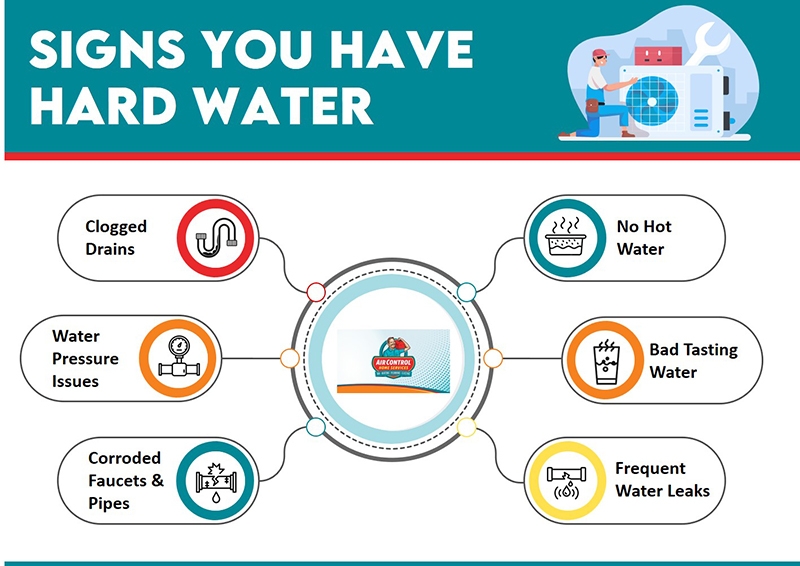
Once you know your number, the next question is whether the water is already causing trouble. These are the usual clues:

  • White, crusty buildup: Chalky deposits around faucets and showerheads are dried minerals.
  • Spotty dishes and glasses: Mineral residue stays behind as water evaporates.
  • Slow water flow: Scale can narrow aerators and showerheads over time.
  • A noisy water heater: Sediment collects on the bottom of the tank and on heating elements.

Our post on the impact of hard water on plumbing fixtures covers these problems in more detail.

How to Treat Hard Water

Treatment depends on how hard your water is and how much of the house you want to protect.

Water Softeners

A salt-based softener removes calcium and magnesium by swapping them for sodium, which stops scale before it forms. Set the unit’s hardness setting to your tested number rather than a guess. Our guide on whether to invest in a water softener walks through the tradeoffs.

Filtration Versus Softening

A sediment or carbon filter improves taste and removes particles, but it doesn’t remove hardness on its own. A reverse osmosis unit can reduce minerals at a single drinking tap, while a whole-home setup protects every fixture. You can compare water softener and filtration options based on what you want to protect.

Water Heater Protection

Scale hits the water heater hardest, so it’s worth giving that appliance extra attention. Regular tank flushing helps clear sediment, and our tips on extending the life of your water heater explain how.

Talk to a Local Plumber About Your Water

Air Control Home Services is a family-owned company that has served Mohave County since 1990, and our plumbers provide water softener and water filtration services. Contact us today to ask about testing your water and choosing the right treatment for your home.

Frequently Asked Questions About Lake Havasu City Hard Water

Is 17 gpg considered hard water?

Yes. Water above 10.5 gpg is classified as very hard, so 17 gpg is well into that range. At that level, scale buildup on fixtures, pipes, and water heaters is common without treatment.

How do I find out my water hardness level?

Use a hardness test kit or test strips from a hardware store, check your water provider’s annual quality report, or ask a plumber to test it. Take the sample from a cold tap, and note whether the result is in grains per gallon or parts per million.

Is Arizona water hard or soft?

Water in much of Arizona is hard to very hard, especially where it comes from the Colorado River or the aquifers connected to it. Lake Havasu City’s supply is a good example, with hardness averaging about 19 gpg in the county’s 2024 report.

Common Plumbing Problems in Lake Havasu City Homes

Lake Havasu City sits in one of the most demanding environments in the country for residential plumbing. Between the extreme summer heat, some of the hardest water in Arizona, and a housing stock that ranges from mid-century builds to newer developments on rocky desert terrain, local homes deal with plumbing issues that most national guides simply do not cover.

At Air Control Home Services, we have been serving Lake Havasu City homeowners for years. Our licensed plumbers work in this market every single day, which means we have seen firsthand which problems come up most often, why they happen here specifically, and what it actually takes to fix them. This guide covers the most common plumbing problems we get called out for in Lake Havasu City, so you know what to look for and when it is time to call a professional.

Why Lake Havasu City Is Hard on Plumbing

Before getting into specific problems, it helps to understand why Lake Havasu homes face more plumbing stress than homes in most other parts of the country. Two factors drive the majority of issues we see.

Extremely Hard Water

The water supply in Lake Havasu City comes from the Colorado River and is classified as very hard, typically measuring between 250 and 400 parts per million (ppm) of dissolved minerals, primarily calcium and magnesium. For context, water above 180 ppm is considered very hard. Most of the country sits well below that threshold.

That mineral content does not just taste different. It deposits scale inside pipes, water heaters, fixtures, and appliances every single day. Over months and years, those deposits narrow pipe openings, reduce water heater efficiency, corrode fittings, and cause fixtures to fail earlier than they should. Hard water is the single biggest accelerant of plumbing wear in Lake Havasu City homes.

Extreme Heat

Summer temperatures in Lake Havasu City regularly exceed 115 degrees Fahrenheit. That heat affects supply line pressure, accelerates the breakdown of pipe seals and fittings, and causes significant thermal expansion in both water heaters and the pipes connected to them. Homes that sit unoccupied for part of the year face added risk because temperature swings inside the structure go unchecked.

With those two factors in mind, here are the problems we see most often.

Hard Water Scale Buildup and Mineral Damage

Scale buildup is the slow-moving plumbing problem that most Lake Havasu homeowners underestimate until something fails. Calcium and magnesium deposits accumulate on the inside walls of supply pipes over time, gradually narrowing the opening through which water flows. The result is reduced water pressure, slower fixture output, and eventually a line that is partially or fully blocked.

You can spot early signs of mineral buildup by looking at your faucet aerators and showerheads. If they are coated in white or yellowish crust, that same material is lining the inside of your pipes and your water heater tank. Other signs include white residue around drain openings, stained fixtures, and appliances like dishwashers or washing machines that cycle longer than they used to.

Scale buildup is also highly corrosive to older copper and galvanized steel pipes. The minerals create an environment that accelerates pitting and pinhole leaks, particularly at joints and bends where water slows and deposits concentrate.

The long-term solution is a whole-home water softener or filtration system that treats water before it enters your pipes. In the shorter term, a plumber can descale fixtures and assess whether existing pipe walls have been compromised.

Water Heater Problems

Water heaters in Lake Havasu City work harder and fail faster than the national average, and hard water is the primary reason. Mineral scale settles at the bottom of tank-style water heaters and forms an insulating layer between the burner and the water. The unit has to run longer to reach temperature, energy costs go up, and the tank itself degrades from overheating at the base.

Signs your water heater is struggling include:

  • Rumbling or popping sounds during heating cycles (sediment being disturbed by boiling water underneath it)
  • Water that takes longer than usual to heat
  • Discolored or metallic-tasting hot water
  • A unit that is more than 8 to 10 years old and has never been flushed
  • Visible rust or moisture around the base of the tank

Annual tank flushing removes sediment buildup and extends water heater life significantly. Many Lake Havasu homeowners skip this step because the unit still works, but by the time it stops working it is often too far gone to repair cost-effectively.

Tankless water heaters are increasingly popular in this market because they do not accumulate sediment the same way. However, they still require descaling in hard water environments, typically every one to two years depending on usage. Our team handles both tank water heater repair and replacement and tankless water heater service throughout Lake Havasu City.

Slab Leaks

Slab leaks are one of the more serious and expensive plumbing problems Lake Havasu City homeowners face. They occur when a supply or drain line running beneath the concrete slab foundation develops a leak, often due to corrosion, shifting soil, or pipe friction against the concrete over time.

Hard water accelerates slab leak risk significantly. The mineral content corrodes copper pipes from the inside while the alkaline soil in the Lake Havasu area can corrode them from the outside. The combination creates ideal conditions for pinhole leaks in lines that are completely inaccessible without detection equipment or opening the slab.

Warning signs of a slab leak include:

  • A noticeable increase in your water bill with no change in usage
  • The sound of running water when all fixtures are off
  • Warm or wet spots on your floor
  • Cracks developing in flooring, baseboards, or walls
  • Low water pressure that has appeared gradually over time
  • Mold or mildew smell near the floor level

Slab leaks do not resolve on their own. Left unaddressed, they erode the foundation, promote mold growth, and cause significant structural damage. If you notice any of the signs above, contacting a plumber promptly is the right move. Our team uses leak detection equipment to locate the source without unnecessary demolition before recommending the most appropriate repair approach, whether that is spot repair, pipe rerouting, or whole-home repiping.

Low Water Pressure

Low water pressure is one of the most common plumbing complaints we hear from Lake Havasu City homeowners, and it has several possible causes. In newer homes or those with recently replaced pipes, low pressure is often a supply or PRV (pressure reducing valve) issue. In older homes, particularly those built before the 1990s, mineral-restricted pipes are frequently the culprit.

Localized low pressure at a single fixture usually points to a clogged aerator or corroded valve, both of which are straightforward repairs. Whole-home low pressure that has developed gradually over several years in an older property often indicates significant scale buildup inside the supply lines themselves, and in those cases repiping may be the most practical long-term solution.

It is also worth noting that homes in certain Lake Havasu City neighborhoods sit at elevations that affect municipal supply pressure naturally. A plumber can test your incoming pressure and determine whether the issue is structural, corrective, or something that requires infrastructure work to address properly.

Clogged Drains

Drain clogs are universal, but Lake Havasu City homes deal with them in a specific context. Hard water causes soap to bind differently, forming soap scum that adheres to drain walls more aggressively than in soft water areas. That scum traps hair, food particles, and debris, and the resulting blockages tend to be stickier and more resistant to standard drain products than clogs in other markets.

Kitchen drains in Lake Havasu homes are also frequently affected by grease buildup. In extreme heat, grease that enters a drain while warm solidifies quickly once it contacts cooler pipe walls, creating blockages that often sit well downstream from where drain products can reach effectively.

For recurring drain clogs, professional drain cleaning with hydro-jetting equipment clears the entire line rather than just punching a hole through the blockage. It also removes the scale and soap film from pipe walls, reducing how quickly the problem returns. Our team provides drain cleaning service throughout Lake Havasu City for both routine maintenance and emergency blockages.

Pipe Leaks and Water Line Damage

Pipe leaks in Lake Havasu City homes range from minor drips at supply line connections to more significant water line breaks, and the causes vary by pipe material and age. Older galvanized steel pipes corrode from both the hard water inside and the alkaline desert soil outside, eventually developing pinhole leaks and splits that worsen under pressure. Copper pipes in hard water environments are also susceptible to pitting corrosion, particularly at joints.

Thermal expansion is another factor specific to this climate. When a home heats up significantly during summer days and the water inside pipes expands, older fittings and connection points bear significant stress. Supply lines to toilets and under-sink fixtures are common failure points, particularly if the braided lines have not been replaced within the last five to seven years.

Signs of a pipe leak include water stains on walls or ceilings, unexplained increases in your water bill, soft spots in flooring, or the sound of dripping inside walls. Any of these should be checked promptly. Water damage compounds quickly in a warm climate, and mold can establish itself within 24 to 48 hours of a slow leak going unnoticed.

For homes with widespread corrosion issues across older pipe systems, whole-home repiping with modern PEX or copper pipe is often more cost-effective than ongoing spot repairs.

Toilet Problems

Toilets are one of the highest-maintenance fixtures in Lake Havasu City homes, largely because of hard water’s effect on internal components. Mineral deposits accumulate inside the tank and bowl, causing flappers, fill valves, and flush mechanisms to wear and fail significantly faster than manufacturers’ expected lifespans. A toilet that runs continuously or cycles on and off is almost always a flapper or fill valve issue, and in hard water markets those components often need replacement every two to three years rather than the five to seven years typical in soft water areas.

Mineral staining inside the bowl is also common and is not a hygiene failure but rather a water quality issue. A water softener prevents new staining from forming and makes ongoing cleaning more effective.

When to Call an Emergency Plumber in Lake Havasu City

Some plumbing problems can wait for a scheduled appointment. Others cannot. Call a plumber immediately if you experience any of the following:

  • A burst pipe or sudden water line break
  • Water actively flooding from a fixture or connection point
  • Complete loss of water pressure across the entire home
  • A sewer line backup affecting multiple drains simultaneously
  • The smell of sewage inside the home
  • Visible water intrusion near your electrical panel or outlets

Air Control Home Services provides emergency plumber service in Lake Havasu City. If you are dealing with an active plumbing emergency, call us directly rather than submitting an online request.

Protecting Your Plumbing Long-Term in Lake Havasu City

The most effective thing a Lake Havasu City homeowner can do for their plumbing is address the hard water issue at the source. A whole-home water softener or reverse osmosis system dramatically slows scale accumulation in pipes, extends water heater life, and reduces wear on fixtures and appliances across the board. The upfront investment pays for itself through reduced repair frequency and lower energy costs from a more efficient water heater.

Beyond water treatment, a few habits go a long way:

  • Have your water heater flushed annually by a licensed plumber
  • Replace toilet and appliance supply lines on a five-year schedule regardless of appearance
  • Know where your main shutoff valve is and confirm it operates freely before you need it in an emergency
  • Schedule a plumbing inspection if your home is more than 15 years old and has never had one

Air Control Home Services: Your Lake Havasu City Plumber

Air Control Home Services is a locally operated plumbing, HVAC, and electrical company serving Lake Havasu City and the surrounding communities in Mohave County. Our licensed plumbers understand the specific conditions that Lake Havasu City homes deal with because we work here every day. We do not apply generic solutions to problems that this market creates in specific ways.

Whether you need drain cleaning, water heater replacement, whole-home repiping, or a water softener installation, our team handles it with licensed technicians, upfront pricing, and work we stand behind.

Call us today or schedule service online to set up an appointment with a licensed plumber in Lake Havasu City.

Plumbing services in Lake Havasu City, AZ

Why Are Your Water Pipes Making Noise? 6 Causes Explained

Hearing strange sounds from your plumbing can be frustrating and concerning. If you notice your pipes making noise, it often signals an underlying issue that needs attention. From banging and rattling to hissing and gurgling, different plumbing noises in pipes can point to specific problems within your system.

Understanding what these sounds mean helps you identify issues early and prevent costly damage.

Common Types of Plumbing Noises in Pipes

Different sounds often indicate different problems. Paying attention to when and where the noise occurs can help narrow down the cause.

  • Banging or hammering: Often caused by sudden changes in water flow
  • Rattling or vibrating: Usually linked to loose pipes
  • Hissing or whistling: Can indicate high water pressure
  • Gurgling sounds: Often caused by trapped air or drainage issues

Recognizing these plumbing noises is the first step toward fixing the problem.

Water Hammer and Banging Pipes

One of the most common causes of pipe noise is water hammer. This happens when water flow suddenly stops, creating a shockwave inside the pipes. The result is a loud banging or knocking sound.

Water hammer can occur when:

  • Faucets or valves close quickly
  • Appliances like dishwashers or washing machines shut off water flow
  • Pipes lack proper cushioning or support

To fix this issue, plumbers may install water hammer arrestors, adjust water pressure, or secure pipes to reduce movement.

Loose Pipes and Vibrations

If your pipes rattle or shake when water flows, they may not be properly secured. Loose pipes can move against walls, floors, or other surfaces, creating noticeable noise.

This type of plumbing noise can worsen over time and lead to wear or damage. Securing pipes with proper brackets or cushioning helps stabilize the system and reduce vibrations.

High Water Pressure Problems

High water pressure may seem beneficial, but it can cause serious issues. Excess pressure places strain on your plumbing system and often leads to noise, especially hissing or vibrating sounds.

Signs of high water pressure include:

  • Loud noises when turning on faucets
  • Frequent leaks or worn fixtures
  • Sudden bursts of water flow

Installing a pressure-reducing valve helps maintain safe pressure levels and protects your plumbing system.

Air Trapped in Pipes

Air pockets inside your plumbing system can create gurgling or bubbling sounds. These noises often occur when water flow becomes uneven due to trapped air.

Air can enter the system during repairs, leaks, or improper venting. A plumber can release trapped air and ensure your system is properly vented to restore smooth water flow.

Blockages and Drain Issues

Partial blockages can also cause unusual sounds. When debris builds up in pipes, water flow becomes restricted, which may lead to gurgling or slow drainage.

Common causes of blockages include:

  • Grease buildup
  • Hair and debris
  • Non-flushable items

Addressing clogs early helps prevent larger plumbing issues and keeps your system running quietly.

How to Prevent Plumbing Noises

Regular maintenance plays a key role in preventing pipes from making noise. Taking a few simple steps can help keep your system in good condition.

  • Check for loose or exposed pipes
  • Monitor water pressure levels
  • Avoid flushing or draining inappropriate materials
  • Insulate pipes in colder areas
  • Schedule routine plumbing inspections

These steps help reduce noise and extend the life of your plumbing system.

When to Call a Professional

Some plumbing issues require expert attention. If you continue to hear loud or persistent noises, it is best to contact a professional.

A licensed plumber can:

  • Identify the exact cause of the noise
  • Recommend the right repair solution
  • Prevent further damage to your system

Addressing problems early helps avoid costly repairs and keeps your plumbing system functioning properly.

Keep Your Plumbing System Running Smoothly

If your pipes are making noise, do not ignore the warning signs. Understanding the cause of these sounds allows you to take action before small issues turn into major repairs.

With proper maintenance and timely repairs, you can reduce plumbing noises and keep your home running efficiently.

The Impact of Hard Water on Arizona Homes

Arizona is famous for its desert beauty, but it is also known for having some of the hardest water in the country. For homeowners in Lake Havasu City and Kingman, the high mineral content in the local water supply is more than just a minor inconvenience. It is a constant challenge for your home infrastructure. Understanding how hard water operates and the long-term damage it causes can help you protect your investment and maintain a functional plumbing system.

What is Hard Water?

Hard water refers to water that contains high concentrations of dissolved minerals, primarily calcium and magnesium. As rainwater travels through the ground and into our aquifers, it picks up these minerals from limestone and chalk deposits. While these minerals are generally safe to drink, they do not stay dissolved once the water enters your home. When hard water is heated or left to sit, the minerals crystallize and form a rock-like scale. In Arizona, the concentration of these minerals is significantly higher than the national average, making hard water problems in Arizona a primary concern for every local household.

How Hard Water Affects Your Plumbing

The most significant issue caused by hard water is the gradual mineral buildup in pipes, also known as scale. Over time, this white, crusty substance attaches to the interior walls of your plumbing. As the scale thickens, it restricts the flow of water, leading to a noticeable drop in water pressure throughout your home. This buildup acts much like cholesterol in an artery, forcing your entire system to work harder to deliver water to your faucets and appliances.

Beyond the pipes, hard water is particularly destructive to water heaters. When minerals settle at the bottom of a tank, they create a layer of sediment that insulates the heating element from the water. This forces the heater to run longer to reach the desired temperature, which spikes your energy bills and causes the tank to overheat and eventually fail. You may also notice that your dishwasher and washing machine break down more frequently, as the scale clogs internal valves and ruins heating coils.

When to Seek Help for Hard Water

Homeowners should prioritize regular plumbing maintenance to catch the early signs of mineral damage. You should seek professional assistance if you notice white spots on your glassware, stiff laundry, or a persistent film on your shower doors. More serious signs include a “popping” noise coming from your water heater or faucets that have lost their shine due to corrosion.

If you are tired of battling scale, a professional water softener installation is the most effective solution. These systems use an ion exchange process to remove calcium and magnesium before the water ever reaches your pipes. By installing a softener, you stop the cycle of mineral accumulation, protect your expensive appliances, and enjoy softer skin and hair.

At Air Control Home Services, we specialize in helping Mohave County residents solve their water quality issues. Our team can test your water hardness and recommend a system tailored to your home’s specific needs. Protecting your plumbing today will save you thousands of dollars in repair costs tomorrow.

Tree root intrusion in pipe

How to Prevent Tree Root Intrusion in Your Sewer Line

As a homeowner, sewer line problems are something you want to avoid at all costs. Sewer repair or replacement can be extremely expensive and may require extensive yard excavation and landscaping disruption. While many sewer issues arise from improper plumbing use, tree root intrusion is also a common cause of blockages, sewage backups, and costly repairs. At Air Control Home Services, we have a range of effective solutions to help Arizona homeowners prevent and repair plumbing and sewer issues caused by root intrusion.

Understanding Tree Root Intrusion

Roots continually grow in search of moisture and nutrients, often entering small cracks and joints in sewer lines. Even a tiny sewer line leak can attract roots. Once roots enter a sewer line, they feed on water and organic waste. This additional nourishment allows the roots to grow much faster, to the point where they begin to colonize and take over the pipe.

Root intrusion eventually leads to major clogs and sewage backups inside the house. As roots grow larger, they can cause significant damage to pipes, necessitating costly sewer repairs or a full replacement. Larger roots can exert sufficient pressure on a sewer line as they grow that they crack or create a hole.

Why Arizona Homeowners Are at Risk

The arid Arizona climate is the primary reason tree root intrusion is common. Factors such as infrequent rainfall and dry soil make sewer lines an appealing water source for tree roots. Our dry climate means irrigation is commonplace and necessary to sustain lawns and other vegetation. Irrigating your yard can also increase the risk of root intrusion, as additional water allows roots to spread farther and grow larger. Even planting native vegetation and drought-tolerant trees with smaller root systems can still pose a major risk if they’re too close to your sewer line.

Early Warning Signs of Root Intrusion

The good news is that tree root intrusion often shows telltale signs of sewer line issues before major clogs or pipe damage occur. Some of the most common signs you’ll see include:

  • Slow-draining sinks, showers, and tubs
  • Gurgling sounds from pipes
  • Incomplete flushing
  • Frequent toilet clogs
  • Sewage odors coming from drains
  • Patches of lush, unusually green grass in the yard

If you notice any of these signs, you must have a professional plumber inspect your drain and sewer system as soon as possible.

The Hidden Dangers of Ignoring Tree Roots

Ignoring signs of tree root intrusion or other sewer issues can be incredibly costly. Blockages often lead to sewage backups, which can cause extensive water damage and pose a serious health hazard. Roots can eventually damage a sewer line if left unchecked, requiring extensive excavation and a large-scale repair that can cost thousands of dollars.

Professional Inspection and Diagnosis

Professional plumbers diagnose and assess tree root issues by performing a video camera inspection. The camera provides a clear view of the entire sewer line without requiring yard excavation. Video camera inspections allow plumbers to assess the pipe’s condition and accurately identify problem areas that could allow roots to enter. The inspection also enables them to determine the best approach to address and resolve any issues.

Effective Methods for Removing Tree Roots

At Air Control Home Services, we offer expert solutions to address and prevent tree root issues. Hydro jetting enables us to quickly and efficiently cut through tree roots and flush them from the sewer line. Another option is to use a rooting machine or drain auger to clear the roots and eliminate any blockages.

While hydro jetting orroot removal can clear these sewer lines, they’re only temporary solutions. Without addressing the root cause and fixing any areas where roots enter the pipe, the problem will continue. Trenchless pipe lining allows us to permanently seal any cracks or holes in the sewer line from the inside without digging up the yard. We can also apply a chemical root inhibitor to prevent the regrowth of roots around the sewer line.

Preventing Future Root Intrusion

Being proactive and taking certain steps can go a long way toward preventing root issues. Avoid planting new trees or shrubs within 15 to 20 feet of your sewer line to reduce the risk of root intrusion. When planting trees, bushes, or shrubs, choose slow-growing species or those with smaller, less invasive root systems. If you’re going to plant anything near your sewer line, you should use root barriers to prevent roots from growing near the line.

Scheduling routine sewer camera inspections is crucial for identifying cracks and leaks that attract roots and can eventually lead to major problems. Many older homes in Arizona have an aging clay or cast-iron sewer line. The joints between clay and cast-iron pipes are often not fully tight, creating numerous potential entry points for roots. Replacing your old or damaged sewer line with PVC or ABS piping is the most effective way to prevent root intrusion and other sewer issues. These modern materials are more durable and less prone to cracking, reducing the risk of issues that could lead to root intrusion.

When It’s Time for Sewer Line Repair or Replacement

Early identification of tree roots and sewer line issues helps minimize the chances of you needing to pay for a full line replacement. Trenchless sewer repair or pipe lining enables plumbers to eliminate entry points such as small holes and cracks while minimizing disruption to landscaping, driveways, and sidewalks.

Unfortunately, there are situations where a full sewer replacement is the only option, such as when the line is broken or collapsed. If the line doesn’t have sufficient slope or has sagged and developed a belly, replacing it will help you avoid frequent ups and other major issues. At Air Control Home Services, we offer a range of effective sewer repair and replacement options to meet the needs of different properties and budgets.

Maintenance Tips for Healthy Plumbing

By taking a few simple steps, you can help keep your sewer line in good condition and avoid costly repairs. Flushing items such as wipes and sanitary products significantly increases the risk of sewer line blockages and sewage backups. Ensuring everyone in your household and your guests know to flush only waste and toilet paper helps prevent major problems. Annual plumbing maintenance and inspections are crucial for preventing issues and identifying problems before they worsen. Routine drain and sewer cleaning is an effective way to prevent and eliminate blockages before they become serious.

Request Sewer Line Repair With Air Control Home Services

Identifying and addressing tree root intrusion early is essential to avoid costly sewer line problems. Taking steps to prevent root intrusion is equally important. At Air Control Home Services, we’re the name to trust for tree root intrusion prevention, plumbing inspection services, and sewer line repair in Arizona. Our second-generation, family-owned company has been in business since 1990, and we have a team of experienced plumbing professionals ready to assist with any plumbing needs.

To schedule a camera inspection or maintenance service in the Lake Havasu City, Bullhead City, or Kingman areas, contact the experts at Air Control Home Services.

Whole-House Water Filtration in Lake Havasu City, AZ

Top Signs That It’s Time to Change Your Water Filtration System

Your home’s water filtration system is a vital part of your plumbing system. It works hard constantly to provide your family with clean, great-tasting water. A quality system removes impurities like sediment, chlorine, and other contaminants. However, just like any other system in your home, it won’t last forever. Recognizing when it’s time to replace your filtration system in Arizona will save you a lot of trouble. Plus, it’s much better to replace a system before it completely shuts down.

For homeowners in Lake Havasu City, AZ, water quality varies greatly. Hard water and other contaminants put your filtration system under significant, ongoing stress. Understanding when it’s time to say goodbye to an old unit and install a new one is crucial. We’ll walk you through the top signs that you need a replacement. You can count on the experts at Air Control Home Services for all of your water quality needs.

1. The Age of Your Current System

The first factor to consider when thinking about replacement is the sheer age of your water filtration unit. Most whole-house or under-sink systems are designed to operate efficiently for a set number of years. Once they exceed that lifespan, their performance declines rapidly. Older systems often struggle to keep up with the demands of a busy household. This is a common issue for many homes in Mohave County and the surrounding areas.

Generally, a quality system lasts between 10 and 15 years, though this can vary by type. If your unit is approaching or has passed this age range, you should start planning for a replacement. We advise you to check the manufacturer’s warranty and expected lifespan. You want to be proactive about replacing your unit before it fails, leaving you without clean water.

2. Noticeable Changes in Water Taste and Smell

One of the clearest and most immediate signs of a failing water filtration system is a change in the water’s quality. When your system is working well, your water should be odorless and tasteless. If you notice a shift, your filter is likely past its prime. It’s no longer effective at removing the impurities it was designed to target. This is a major sign that a full replacement is necessary.

Look for the following unusual characteristics in your tap water:

  • A chlorine or chemical smell
  • A metallic or “off” taste
  • A sudden earthy or musty odor
  • Water that smells sulfuric

If you notice any of these signs, your water quality is compromised. Don’t ignore these sensory warnings; they are your system’s way of signaling a major issue.

3. Low Water Flow or Pressure Issues

Is the water coming out of your kitchen sink or bathroom taps slower than usual? While low water pressure can sometimes be a plumbing issue, it’s also a common sign of a failing water filtration system. Over time, the filter media in the system trap contaminants. Debris builds up inside the housing, restricting the flow of water.

Some filters require regular replacement to prevent this. However, if you’re changing your filter regularly and still experiencing issues, the entire system might be at fault. In these cases, no amount of filter changing will restore the pressure. The best solution is a new, efficient unit.

4. Visible Sediment or Cloudiness in Your Water

The primary job of a whole-house water filtration system is to remove physical particles and suspended matter. This includes things like rust, sand, and other fine debris. If you look at a glass of water and notice it looks cloudy, murky, or contains floating particles, your filtration unit isn’t working. Sediment in your water is a clear sign that the system has failed.

Residents in the Kingman area know how important it is to protect appliances like dishwashers and water heaters from sediment buildup. If you see visible contaminants, contact Air Control Home Services immediately. We’ll inspect your system and offer a reliable, permanent replacement solution.

5. Consistent and Unexpected System Leaks

A leak is never a good sign, especially when it’s coming from a major home appliance. Over time, the seals, connections, and housing of a water filtration system can degrade. Constant water pressure and exposure to minerals accelerate this degradation. If you frequently encounter minor leaks around the filtration unit, it’s a sign of internal component failure. Every time you fix a leak, another will take its place. This is a clear sign that a replacement is needed.

Leaks from your water filter can cause extensive damage to the area around the unit. Constant moisture will also lead to mold growth and structural decay. Moreover, a leaking system means there’s a fault in the seal. This creates a potential entry point for contaminants to bypass the filter media altogether. If your unit has become a steady source of leaks, you should replace it right away.

6. Higher-Than-Normal Maintenance and Repair Costs

Like an old car, an aging water filtration system will eventually become a drain on your wallet. If you’re constantly calling for repairs or replacing expensive internal parts, the unit has reached the end of its life. The cost of frequent maintenance will quickly start to outweigh the cost of a modern filtration replacement. You want your unit to be a source of clean water, not a source of financial stress.

When you consult with our team, we’ll help you find a unit perfectly within your budget. We also consider the cost of the next major repair versus the benefits of a new installation. A new system will provide you with peace of mind and lower operating costs. It will also offer the latest in filtration technology. We want our customers to make the most informed decision for their homes in Lake Havasu City and the surrounding areas.

Ready for a Water Filtration System Upgrade in Arizona?

Recognizing that it’s time to replace your water filtration system is the first step toward enjoying cleaner, better-tasting water. Whether you’re dealing with low flow, odd tastes, or an aging unit, we will provide the expertise you need. We specialize in water treatment services, including the installation of advanced water filtration and water softening systems. We provide our services to all residents throughout the area. Our team will help you choose and install a new system that meets your specific needs and water quality concerns.

Beyond water filtration, we are a full-service home solutions company. We offer a wide range of services that keep your home running smoothly. This includes comprehensive plumbing solutions, such as water heater repair and replacement, drain cleaning, and general plumbing repairs. We also provide professional heating, cooling, and electrical services. You can always rely on us for all your essential home system installations and repairs. Contact Air Control Home Services today for more information about water filtration system replacement services in Arizona.

Pumping out sewage from a septic tank

How to Protect Your Home’s Plumbing During Monsoon Season

Arizona monsoons can wreak havoc on your home’s plumbing. However, as a homeowner, you have numerous strategies to protect it. Learn how the monsoon season in Kingman, AZ, affects your home’s plumbing system and the measures to take to safeguard it.

Sewer Line Backups

The heavy rains that fall during the monsoon season can quickly overwhelm the municipal sewer system in Kingman. Instead of flowing away from your home, sewage could back up into fixtures, like your toilet and sinks.

Lower the risk of sewer backups by installing a backwater valve in your plumbing system. This valve will automatically close if sewage tries to back up into your home. Additionally, during a monsoon, avoid flushing until the storm has passed.

Waterlogged Septic System

The excessive rainfall during a monsoon can quickly saturate and overwhelm the drainfield for your home’s septic system. A saturated drainfield is more prone to backups. It can also lead to foul odors inside your home and yard.

Limiting the amount of water you use during monsoons helps mitigate this problem. Moreover, divert runoff stormwater from the drainfield to prevent a waterlogged septic system.

Soil Shifting Around Pipes

When the soil on your property becomes saturated, it can shift, putting stress on the underground pipes. This pipework is then at a higher risk of cracking and leaking.

To avoid this problem, schedule a plumbing inspection with Air Control Home Services before the monsoon season begins. We will check the pipes for vulnerable sections and repair or replace those that could crack or leak due to soil shifting.

Outdoor Drain Clogs

Remember to safeguard the outdoor drains on your property. Debris from heavy rainstorms can clog your patio and yard drains, and clogged drains can lead to water pooling near your home’s foundation.

Clear the drains and gutters on your roof regularly. You may also find it useful to install drain guards to keep out debris such as leaves, twigs, and plastic bags that can clog drains.

Fungal Growth

Water leaks in damaged pipes can create ideal conditions in your home or yard for fungi to grow. Fungal growth leads to poor indoor air quality, weakened structural integrity, and can trigger respiratory symptoms in people with asthma and allergies.

Use moisture sensors to safeguard your home and plumbing system from this problem. Likewise, regularly inspect behind appliances and under sinks.

Pipe Corrosion

Along with cracked pipes, the monsoons in this part of Arizona can also put the pipes in your home and on your property at risk of corroding. High humidity in the atmosphere speeds up pipe corrosion, especially if you have galvanized pipework.

The best way to protect all of your pipes is to use dehumidifiers in key areas, such as the crawlspace, basement, and utility room. You can also repipe your home and upgrade to pipes made out of copper or PEX, which hold up better in high humidity and heavy rains.

Water Supply Contamination

Floodwaters from heavy rains can introduce contaminants, such as fungi and bacteria, into damaged pipes and private wells. If your home relies on well water, its water supply could quickly become unsafe to use.

Minimize the risk of supply contamination by installing a backflow preventer. This device maintains a one-way flow of water and prevents dirty water and contaminants from entering your well. The city of Kingman also requires certain plumbing systems, such as those with private wells, to have backflow preventers in them.

Sump Pump Overload

During and after precipitation, your home’s sump pump may struggle to keep up with demand. Heavy use will slow it down or prevent it from pumping out all the water in your basement or crawlspace.

Before the monsoon season arrives, test the sump pump at least once a month. Install a battery backup system for it to keep it running during power outages. Replace your sump pump every 7-10 years to reduce the risk of overload.

Tree Root Intrusion

Saturated soil from heavy rains encourages tree root growth. Those roots, however, can grow into your property’s sewer lines. Signs of root intrusion include:

  • Slow-draining sinks, tubs, and toilets
  • Frequent plumbing backups
  • Gurgling sounds
  • Sewage odors

The best way to protect your plumbing from this issue is to have it inspected annually. You can also use root barrier installations to prevent roots from entering sewer lines.

Higher Than Normal Water Pressure

Storm runoff can lead to sudden spikes in water pressure. This higher water pressure can then strain the pipes in your plumbing system and plumbing fixtures.

The solution to this risk is to install a pressure-reducing valve, or PRV. This valve has a spring-loaded diaphragm or piston that regulates water pressure, improves efficiency, and prevents pipe damage. It responds automatically to pressure changes, ensuring stable output.

Leaky Outdoor Faucet and Hose Bib

The heavy rains and winds of a monsoon can cause significant damage to exposed plumbing fixtures, such as your outdoor faucet and hose bib. Prolonged rainfall could seep into the wall around the hose bib, damaging it if the bib’s sealant is cracked or missing. If you leave the hose attached during a storm, high winds can pull on it, stressing the pipe threads and the valve.

Using an insulated cover helps protect the hose bib and outdoor faucet from damage. Check them for leaks after every storm. Hire one of our plumbers to repair or replace them as needed.

Foundation Cracks

Stormwater that pools around your home poses a serious hazard to the foundation. If it seeps into the foundation, it could cause damage such as cracks and shifting.

Protect the foundation by grading soil and other landscaping away from the house. Likewise, you can install French drains, which direct water away from the foundation.

Water Heater Stress

Despite being inside your home, the water heater can still sustain damage during a monsoon. For example, a power surge can disrupt its normal function and damage its wiring. Even more, pressure changes during a storm can stir up sediment in the tank, leading to problems such as reduced energy efficiency, decreased hot water supply, noisy operation, and a shortened lifespan.

Help your water heater withstand a monsoon better by using a surge protector. Additionally, hire us to flush it out at least once a year to remove sediment in its tank.

Air Admittance Valve Failure

Sudden pressure changes during a storm can cause the AAV, or Air Admittance Valve, to fail. This valve is used for venting in key areas, such as a kitchen island or under a sink.

Before the monsoon season starts, test the AAV and replace it if it shows signs of damage or wear. You can also replace it with a higher-quality one that has a rating for pressure fluctuations.

Reliable Plumbing Services in Kingman

At Air Control Home Services, we have nine years of experience providing effective plumbing services for homeowners in the Kingman area. Our family-owned, second-generation business has an A+ rating and accreditation from the Better Business Bureau. We are a Trane Comfort Specialist and a Ductless Elite Pro. In addition to helping you protect your home’s plumbing system, our business also installs and services other plumbing fixtures, such as water heaters and water softeners.

Contact Air Control Home Services for reliable plumbing services today.

Drain Cleaning in Lake Havasu, AZ

10 Signs Your Sewer Line Needs Immediate Attention

A clogged kitchen drain or sudden yard seepage doesn’t just ruin your day; it’s also your sewer line sounding the alarm. Ignoring these warning signs can lead to major backups and costly repairs. At Air Control Home Services in Lake Havasu, AZ, we’ve guided homeowners through challenging sewer emergencies and offer clear insight on what to look out for.

1. Persistent Slow Drains and Frequent Clogs

You notice water pooling around your feet in the shower and sinks draining at a snail’s pace. Clearing the trap might help for a day, but when slow flow returns quickly, it signals trouble deep in the sewer line. Hardened grease, root intrusion, or collapsed sections can snag debris and force water to back up into lower fixtures.

If you plunge a sink and then find the shower flooding, your sewer is warning that the routine flow exceeds its capacity. Technicians use a video scope to inspect the line, pinpointing blockages or breaks. Once they have located them, they can choose hydro jetting or spot replacement to restore full flow and keep you dry.

2. Gurgling Sounds From Drains

When you flush a toilet or run the dishwasher, you expect silence. Instead, you hear a wet bubbling echo as air and water mix in a partially blocked sewer. That gurgle travels through connected fixtures, betraying an obstruction between you and the main line. You might hear it in a basement floor drain while the kitchen sink empties upstairs.

Ignoring the noise allows the blockage to grow until water reverses course or sewage rises. Pros deploy smoke or pressure testing, followed by a video inspection, to pinpoint the fault, whether it’s a displaced joint or stubborn roots. Restoring free airflow stops those drain clogs and keeps waste flowing downward where it belongs.

3. Foul Odors in the Yard or Basement

A faint sewage smell in the basement after rain may seem temporary, but if it lingers or grows stronger, it points to a leaking sewer line. Wastewater escaping underground seeps into soil and rises through cracks, carrying that rotten-egg stench indoors.

In your yard, patches of unusually lush grass above a buried pipe hint at nutrient-rich leaks feeding roots. Seasonal shifts can force gases back into your home through foundation gaps or floor drains. Plumbers bring gas detectors to trace concentrations and cameras to confirm the break’s location. Targeted repairs seal that damaged section, stopping odors and preventing wastewater from contaminating soil and air around your home.

4. Visible Sinkholes or Depressions in the Yard

A small dip in lawn grade might start as an odd softness underfoot, then blossom into a depression that collects water. This hollow often sits directly above a leaking sewer joint. As wastewater washes away soil, the ground collapses. Over weeks, irrigation or rain magnifies the gap until mulch and grass give way.

Don’t ignore the sinkhole risks of swallowing landscaping and damaging underground utilities. Excavators can carefully remove soil to expose the broken pipe, then replace or reline it. Compacted backfill restores the yard grade. Addressing these depressions early prevents the expense of full-yard excavation and preserves the structural support beneath your landscaping.

5. Sewage Backup and Wet Spots Indoors

When raw sewage pushes up through a floor drain or bubbles out of a toilet, you face a major sewer blockage or break. Water may pool in laundry trays or back up in basement drains as the main line resists flow. That dark, foul liquid carries bacteria and can ruin flooring, drywall, and personal belongings.

At the first sign of trouble, shut off interior valves to limit seepage, and then call a professional. Technicians scope the line, then choose trenchless relining or targeted excavation. Quick action stops contaminated water from spreading and lets you restore safe drainage without prolonged downtime or repeated flooding.

6. Root Intrusion and Pipe Damage

Tree roots seek moisture, slipping into pinholes in your sewer joint. Once inside, they grow into dense tangles that trap toilet paper and kitchen grease. You might spot small root fragments in your clean-out access. As the roots thicken, they stress pipe walls, causing cracks or collapse. Seasonal soil shifts widen the joints, allowing roots to invade further.

Repair crews cut out the affected section and install a pipe that resists root invasion or reline the line with a seamless insert. Technicians may treat nearby backfill with a root inhibitor to discourage repeat growth. Removing roots and reinforcing the pipe stop constant backups and protect long-term flow.

7. Age-Related Corrosion and Material Breakdown

Older lines made of clay, cast iron, or fiber can degrade over decades. Clay joints separate under frost, cast iron rusts from the inside, and fiber pipes compress under soil pressure. Tiny holes let sewage escape, eroding soil until sinkholes appear or foul odors emerge.

In a camera survey, you may see pitted metal or crushed sections. Pressure from passing vehicles can further weaken these pipes. Comprehensive replacement with PVC restores reliable flow. When your line is 50 years old or shows multiple failures, swapping the entire run avoids endless spot repairs. This investment delivers decades of trouble-free operation and guards against unexpected collapses.

8. Unexplained Spikes in Water Bills

One month’s water bill arrives as usual, then the next doubles with no change in habits. Hidden leaks, whether in the supply or sewer line, can pour hundreds of gallons underground daily. When sewage seeps into soil, you still pay for that lost water. Checking your meter overnight reveals a slow but steady flow.

Pros use acoustic sensors to listen for leaks under pressure. After pinpointing the breach, they excavate and repair the defective section. Stopping that hidden loss immediately reduces both water supply and sewage charges, covering repair costs by avoiding unnecessary meter fees.

9. Groundwater Infiltration After Heavy Rain

Heavy rains elevate groundwater and can force water through tiny cracks or loose seals in your sewer line. You may find silt deposits in floor drains or mud staining basement tiles. That stormwater overloads your plumbing and can flood low points.

Camera inspection often shows damaged joints or degraded seals. Repair crews pressure-test the line, then reseal or replace failing joints. They may backfill with gravel to improve drainage around the pipe and recommend regrading or gutter extensions to divert surface runoff. Controlling both underground and surface water keeps your basement dry even during intense storms.

10. Sewer Gas Smell Inside the House

A whiff of rotten egg odor in your kitchen or basement signals sewer gas leaking into living areas. It may escape through a dry trap, cracked vent stack, or line break beneath your slab. That gas contains methane and hydrogen sulfide, both of which are harmful at elevated levels.

Technicians check roof vents for blockages and test each trap for proper water seal. They may pour food-grade antifreeze into seldom-used drains to maintain a barrier. If gas seeps through a cracked sewer line under the floor, smoke testing will reveal its path. Sealing or replacing the affected section restores healthy indoor air and keeps unwelcome and harmful odors from drifting through your home.

Have Your Sewer Drains Inspected Now

Spotting trouble early keeps sewer repairs manageable and protects your home from raw sewage damage. We also offer trenchless pipe repair, video line inspections, and preventive maintenance plans to extend your system’s life.

Call Air Control Home Services today to schedule a prompt plumbing inspection and get your drains in Lake Havasu flowing freely again.

Plumbing services in Lake Havasu City, AZ

9 Signs You Need to Repipe Your Home

Plumbing problems rarely show up all at once. More often, they start with small signs that are easy to ignore: a little rust in the water, a slow drop in pressure, or the occasional leak that keeps coming back. These issues might seem unrelated, but together, they can point to a bigger problem hiding behind your walls. Air Control Home Services in Lake Havasu City, AZ helps homeowners spot these early warnings and decide when it’s time to repipe instead of patch.

1. Corrosion You Can Taste or Smell

If your tap water has a metallic taste or a strange odor that never used to be there, it might be coming from inside your pipes. Older metal plumbing, especially galvanized steel or iron, will corrode from the inside as the years stack up. That corrosion breaks loose into your water, adding a rusty taste or sulfuric smell. You might also see an orange-brown tint when you fill a white sink or bathtub.

This isn’t just about taste. Corroded pipes become brittle and weak. When corrosion gets bad enough, it chokes off flow or breaks under pressure. If you’ve replaced your water heater recently, but the water still smells like pennies or eggs, your piping may be the source. In homes where the pipes are decades old, these are early signs that the system isn’t going to hold up much longer.

2. Water Pressure Has Slowed Down

One faucet slowing down is a clogged aerator. But when water pressure across the house drops, your whole plumbing system needs a closer look. Mineral deposits, corrosion, or small leaks inside old pipes will gradually block the flow. What feels like a slow morning shower could be a warning that water isn’t making it through your pipes the way it should.

Pipes that are failing don’t collapse in an instant. They get narrower from the inside as sediment builds up or the pipe itself starts breaking down. You might notice your washing machine takes longer to fill or your toilet refills more slowly than before. If your neighbors have strong pressure and your house doesn’t, your plumbing system might be dragging behind.

3. Recurring Leaks That Never Seem to Stop

Fixing one leak and then another, month after month, starts to feel like you’re chasing your tail. If you’ve already patched multiple spots in your plumbing and more keep appearing, your system is no longer holding up. Patching can only go so far when the material itself is failing.

You might have copper pipes that have thinned out from pitting or pinhole leaks, or aging PVC that’s cracked from temperature swings. In older homes, leak frequency is often what tips the scale toward repiping. A few repairs might be manageable, but when you’re dealing with monthly water spots, new drywall patches, or unexpected ceiling stains, your system is asking for a bigger fix.

4. Pipe Material That’s No Longer Considered Reliable

If your home still uses certain outdated pipe materials, replacement might be smarter than repair, regardless of how things look on the outside. Galvanized steel, polybutylene, and even some early plastics have been shown to fail long before expected. Galvanized pipes, for example, rust shut from the inside and can release lead into your drinking water.

Polybutylene, used in homes during the 1970s through the 1990s, is known to flake, crack, or burst without much warning. Even if you’re not experiencing visible problems yet, the risk increases with time. A licensed plumber can tell you what your home is built with if you’re unsure, and whether it’s still safe to rely on.

5. Stains or Watermarks on Walls and Ceilings

Discolored patches on the ceiling or bubbling paint near the floorboards aren’t always roof or window leaks. They can just as easily come from water traveling through a damaged pipe behind your wall. Slow leaks tend to leave yellow or brown halos as the water dries up and then returns. You might also notice mold growth or soft drywall in the area. These small stains are often the only visible signal that something hidden is going wrong.

6. Unusual Noises in the Plumbing System

Pipes should be quiet. You’ll hear the rush of water when you turn on a tap, but if you’re hearing rattling, banging, or whistling when the system is idle, you could have a deeper problem. These sounds often mean air is trapped in the lines, pressure is fluctuating, or the pipes are moving due to loose connections or structural wear.

In some cases, water hammer can occur when old pipes can’t handle quick pressure changes; all of these point toward a system that may be past its prime. A healthy plumbing system runs quietly and evenly. If yours has started sounding like an old radiator or a haunted attic, it may be time to consider replacing the whole system instead of patching one rattle at a time.

7. Rust or Debris in Washed Clothing

You expect clean clothes from your washing machine, not rust streaks or grit stuck in the fabric. When pipe corrosion breaks loose, it doesn’t just affect water taste; it can enter appliances, too. The laundry room often reveals problems sooner because water usage is high, and rust or debris has a direct path to the drum. If your clothes come out worse than they went in, your plumbing may be breaking down in a way you can’t see. A flush or cleaning might work once, but if it keeps happening, repiping is a safer long-term answer.

8. Wet Spots Around the Foundation

Pipes that run under your home can crack, collapse, or leak with age. When that happens, water may pool around the foundation or soak into the basement floor. If you’re seeing unexplained puddles, cracks in the concrete, or musty smells, your underground plumbing could be to blame. Unlike indoor leaks, these don’t show up as drips under a sink. They leak into the ground, where they can create structural problems if left alone. Once these pipes reach the end of their lifespan, small repairs won’t hold up.

9. Your Home Is 50 Years or Older

Sometimes, the most telling sign is the age of your house. If your home was built decades ago and the plumbing has never been replaced, you’re running on borrowed time. Most pipe materials have a rough lifespan. Copper can last around 50 years. For galvanized steel, this is around 40 years. Plastic pipes vary widely.

Even if the system has performed well for years, the materials themselves may have aged out. Repiping before a major failure gives you control. You choose when to schedule the work, rather than scrambling during an emergency. It also helps bring the home up to modern standards, which matters if you’re planning to sell or remodel.

Repipe Your Home Today

Repiping isn’t just about fixing what’s broken; it’s about preventing future damage, improving water quality, and making sure your home runs the way it should. Whether you’re seeing stains in your sinks or patching leaks too often, these signs point to a larger plumbing issue worth tackling. Replacing your pipes is a big step, but it’s also a smart one when the warning signs keep piling up.

If you’ve noticed changes in your water pressure, quality, or bills, Air Control Home Services offers repiping and plumbing inspection services to help you understand what’s really going on behind the walls. We’re here to help you get it sorted before it becomes a bigger problem. Call Air Control Home Services today to schedule a plumbing assessment and find out if it’s time for a fresh start.

Drain Cleaning in Lake Havasu City, AZ

Top 7 Tips to Prevent Stubborn Clogs in Your Kitchen and Bathroom

Living in Lake Havasu City means warm weather and busy households that rely on well-running plumbing. Nothing throws off your day quite like a clogged kitchen sink or a backed-up bathroom drain. Slow drains can lead to foul odors, water damage, costly repairs, and even health hazards if left unattended.

Preventing clogs in your kitchen and bathroom drains is simple when you understand how they happen and what habits to change. To learn what to do and keep your drains flowing, read this kitchen and bathroom plumbing guide.

Why Kitchen and Bathroom Drains Clog

Lake Havasu City’s desert climate and hard water present unique challenges to your plumbing system. Hard water leaves mineral deposits that build up inside pipes, narrowing the passage and making it easier for soap scum, grease, and hair to get stuck. Plus, a busy household means your sinks, showers, and garbage disposals are constantly in use.

In kitchens, food scraps, cooking oil, and grease are the top culprits. Even if you have a garbage disposal, pouring grease or starchy foods down the drain can lead to buildup. In bathrooms, hair, soap residue, and products like wipes or cotton swabs can block pipes. With the right preventive habits, you can stop these materials from causing blockages and protect your pipes from unnecessary strain.

1. Be Careful What Goes Down Your Kitchen Sink

Your kitchen sink is one of the busiest drains in your home. Many clogs start when grease or leftover food goes down the drain instead of into the trash. When cooking, pour grease and cooking oil into a heat-safe container to cool and solidify. Once it’s solid, throw it in the trash. Hot grease from food should never go down the drain. Even small amounts of oil can cling to your pipes and catch other debris.

Scrape food scraps into the trash or compost bin before rinsing dishes. Use a sink strainer to catch stray bits of food that might slip down the drain while washing dishes. If you have a garbage disposal, remember that it cannot handle large quantities of food waste. Avoid putting fibrous foods like celery, potato peels, or pasta down the disposal. Run cold water while the disposal is on to help wash small particles through the pipes.

2. Keep Bathroom Drains Clear of Hair and Soap Scum

Bathroom sinks, showers, and tubs act as magnets for hair and soap buildup. This gunk clings to pipe walls and eventually slows drainage in your system. Install inexpensive mesh drain screens in your shower or bathtub to catch hair before it goes down the drain. Clean the screens regularly to keep water flowing freely.

In the sink, avoid rinsing dental floss, cotton swabs, or makeup wipes down the drain. These items don’t break down easily and can create stubborn blockages. Rinse your system’s pipes with hot water once a week to help melt away soap residue before it hardens. If you notice a slow drain in your shower or sink, don’t wait. Contact us at Air Control Home Services before it becomes a complete clog.

3. Use Natural Cleaning Options

While harsh chemical drain cleaners are tempting to use because they tend to work quickly, they can damage your pipes with repeated use. This is especially true if you have older plumbing, which is common in some Lake Havasu City homes.

Instead, use natural methods to keep drains clear. Once a month, flush your drains with hot water, baking soda, and vinegar. This combo helps break down minor buildup and neutralize odors. Put half of a cup of baking soda into the drain with the clog, followed by a cup of white vinegar. Let the mixture sit in the drain for a few minutes, allowing it to fizz, then flush it down with hot water.

4. Prevent Hard Water Buildup

Hard water leaves mineral deposits inside pipes and fixtures, which makes blockages more likely. Installing a whole-home water softener helps to reduce mineral buildup, keeping your drains clear and extending the lifespan of your appliances.

If a water softener isn’t in your budget right at the moment, be extra vigilant about routine maintenance. Descale your faucets and showerheads to prevent limescale from flaking off and washing down the drain. Continue using drain screens and strainers to prevent hair and mineral debris from going down the drain and sticking to rough pipe walls.

5. Get Regular Drain Inspections

Even with the best habits, buildup can happen over time. Scheduling a drain cleaning every year or two helps prevent bigger problems down the line. During an inspection, our team can check for hidden blockages, tree root intrusions, or early signs of corrosion. A professional drain cleaning removes stubborn buildup that hot water and natural cleaners can’t reach, assuring you that your drains will continue to flow freely.

If there is a stubborn clog in your system, our team will also do a video camera inspection of your system. This will allow our team to get a clear view of your pipes without digging or guessing. If you’ve experienced repeated clogs or slow drains, a video inspection can pinpoint exactly what’s causing the issue.

6. Be Mindful of What Goes Down the Toilet

Toilets are not trash cans, but many clogs in bathroom plumbing start there. Even though packaging might say flushable, items like wipes, cotton balls, paper towels, and feminine hygiene products don’t break down like toilet paper. Since they don’t break down as easily, they easily catch on the walls of your pipes and cause major blockages over time.

Encourage everyone in your household to flush only toilet paper and waste. Keep a small trash bin nearby for all other items. If you experience frequent toilet clogs, you might have buildup further down the plumbing line.

7. Watch for Early Warning Signs of a Backup

One of the best ways to prevent serious drain clogs is to act early when you notice something isn’t right. Don’t ignore slow drainage, bubbling sounds, or occasional backups because these are signs that buildup is already forming inside your pipes. Catching a developing issue early gives you the chance to address it before it becomes a complete blockage or pipe damage.

Make it a habit to monitor how your sinks, tubs, and toilets drain. If one area starts to behave differently than it normally would, call our team for a quick inspection. A minor fix now can prevent a costly emergency later.

Contact a Reliable Plumber Today

Keeping your kitchen and bathroom drains clear doesn’t require fancy gadgets or harsh chemicals. By being mindful of what goes down the drains in your home, using screens to catch debris, and scheduling regular drain inspections, you can avoid frustrating backups and protect your plumbing system for years to come.

If you’ve noticed frequent slow drains, unpleasant smells, or a clog you just can’t fix on your own, contact us at Air Control Home Services to schedule a consultation with one of our plumbers today!

Plumbing Service in Lake Havasu City, AZ

What to Do If You Have Low Water Pressure in Your Home

One system in your home that you likely rely on every single day is your plumbing system. Having fresh water for activities like bathing and cooking is an absolute must for our modern-day standard of living. One really frustrating problem you may experience with your plumbing system is low water pressure. Here, we’ll address some of the most common culprits behind this issue and what you can do to solve it.

Check All Your Fixtures

When you experience low water pressure, the very first thing you want to do is check all the fixtures in your home. You want to see if the problem is secluded to one fixture or is affecting all of your fixtures. If the problem is only happening at one fixture, you can surmise the issue is likely with that particular fixture and not your entire plumbing system.

If the problem is at one fixture, one of the first things you want to do is check its aerator. You can do this by simply unscrewing the aerator or even the shower head from the main fixture body. Try running your water and see if it comes out.

If it comes out with normal pressure, there’s a blockage in your aerator. Try using a scrub brush and some vinegar to remove any white mineral deposits that could be blocking the aerator screen. Simply reinstall the aerator and see if the fixture’s water pressure returns to normal.

Check With Your Municipal Company

If low water pressure is affecting all the different fixtures in your home, the problem may actually lie with your municipal water supply. It can be helpful to check with your neighbors or your municipal water supply’s website to see if they have any malfunctions with their line. If they have a main water break, a lot of the water will be pouring out at the break and leave you with low water pressure.

Examine Hot vs. Cold Lines

Another tip to help make locating the issue easier is to test both the hot and cold sides of the fixture. You may find that the issue may only lie with your hot water supply line. This tells you that you’ll need to trace that side of the line instead of your main water line.

Check Shut-Off Valves

Another simple thing to check when you experience low water pressure is your shut-off valve. If the problem is at one fixture, check the valve underneath the fixture to see if it accidentally got bumped partially closed. This can restrict the full water through your line. If the problem is with all your fixtures, you’ll want to check your main water shut-off valve.

Look for a Leak

One culprit behind your low water pressure issue may be a leak in your water supply line. If the issue is with one fixture, start by checking the water line that’s running from that fixture back to the main water supply line. If the issue is with all of your fixtures, the leak is likely somewhere close to the main water supply line.

This is because the water will be pouring out before it reaches all your fixtures. The loss of water will cause all your fixtures to have low water pressure because they’re simply not getting enough water delivered to them. There are many key indicators of a leak that you’ll want to be on the lookout for.

Visible Water

One of the most obvious signs that you have a water leak in your home is visible water. You may notice this on your walls or even pooling on your floors. Sometimes you may not physically see the water but you can feel the dampness on your drywall or flooring.

Rising Water Meter

Another method to verify you have a water leak is to check your water heater. You first want to shut off all the different plumbing fixtures and water-using appliances in your home. Head out to your water meter and write down the number on it. Give it about 15 to 20 minutes and check the meter again. If the number goes up, it means your home is using water. Since you didn’t have anything on, it indicates a leak somewhere in your water supply lines.

Oddities With Walls or Flooring

Apart from visually seeing water or checking your water meter, there are some oddities you may notice with your walls or flooring that can also indicate a hidden water leak. Your walls may have peeling paint or bubbling wallpaper. You may notice mold or mildew growth on the surface. In some cases where the mold or mildew growth is behind the wall, you’ll get a whiff of a musty odor. You may also notice yellow or brownish water stains.

Internal Pipe Blockages

Another reason you may be experiencing low water pressure without any sort of visible water leak is there is an obstruction inside the water supply line. This is most prominent in outdated plumbing lines, as they tend to corrode from the inside out.

This is very common in homes that have untreated hard water, as the minerals will cause premature deterioration of the piping material. As the corrosion grows, it will continually restrict more and more water flowing through the line.

If you believe that you may have a blockage in your water supply line, it’s best to consult one of our professionals to further evaluate the line. In some cases, we may be able to flush the line to remove the corrosion or mineral sediment that is blocking the water flow. In other cases of severely deteriorated piping, we’ll likely recommend doing a full line replacement.

Preventative Tips for Avoiding Low Water Pressure Issues

As a homeowner, there are some things you can do to help greatly reduce your risk of experiencing low water pressure. One of the most important is to get routine maintenance for your plumbing system. This maintenance includes things like flushing out your water heater and cleaning your aerators. This helps to avoid any excessive buildup of minerals that could otherwise obstruct your water supply lines or plumbing fixtures.

Another helpful tip is to always update your piping and plumbing fixtures when necessary. You should never just wait till it completely fails to consider a replacement. When one of our professionals does a plumbing inspection for your home, they can recommend what piping or fixtures may be due for an upgrade in the near future.

You may even want to consider replacing lines that are made of galvanized steel or cast iron, as both are well-known to corrode. By keeping up with consistent upgrading to newer materials like copper, PVC, and PEX, you can avoid low water pressure due to corrosion issues.

Expert Plumbing Repair Service

Air Control Home Services offers expert plumbing repair service for the Bullhead City, AZ area. We can also help with all your plumbing inspection, installation, and replacement needs. Simply call our office to schedule your next service consultation.

Whole-House Water Filtration in Lake Havasu City, AZ

5 Benefits of Investing in a Whole-Home Water Filtration System

Investing in a whole-home water filtration system for your Lake Havasu City, AZ home provides several benefits. This includes improving the taste of your water, protecting your health and keeping your plumbing system efficient and free of damage. Discussing these benefits in depth can help you determine if this equipment is a wise investment for your residence.

1. Improving the Quality of Your Water

Whole-home filtration systems do a great job of removing a variety of contaminants, such as heavy metals, fluoride, chlorine and chemicals. This provides you with healthier and safer water for things like drinking, cleaning, cooking and bathing. Ongoing exposure to these contaminants can lead to health issues, skin irritation and much more. If your water contains harmful pathogens, you can experience gastrointestinal upset.

It’s important to consider the quality of the water you take into your body. When you shower, you breathe in steam, for example. If this steam contains contaminants, this can lead to health problems. If you have a whole-home humidifier installed on your HVAC system and lack a water filtration system, this can have the same effect. The same applies to the water you’re introducing into your indoor air from cooking and cleaning.

2. Saving You Money Long-Term

There are several ways that investing in whole-home water filtration can save you money. For starters, you will be able to drink the water coming from your tap. This eliminates the need for buying bottled water, which is expensive and harmful to the environment. You can also save money by reducing the prevalence of hard minerals in your plumbing system. You’ll experience fewer maintenance and repair needs.

3. Improving the Taste of Your Water

Contaminants from your home’s plumbing, municipal water lines or wells, and water sources in general can change the flavor of your water. Getting rid of them with whole-home water filtration helps mitigate those changes. This means your water will be more enjoyable whether you’re cooking with it or drinking it.

4. Protecting Your Home’s Appliances

Sediment, minerals and other contaminants in your water supply can take their toll on appliances that use water, like your washing machine or dishwasher. You can extend their lifespan and efficiency by investing in whole-home filtration equipment.

5. Reaping the Benefits of Convenience

Many homeowners choose to install a basic drinking water filtration system in their homes. This is a great way to have ongoing access to healthy drinking water, but it doesn’t address water quality for things like laundry, bathing, cooking and cleaning. Having filtered water run out of every faucet and fixture in your Arizona home is convenient as well as safe, which is why we recommend whole-home filtration.

Cleaner water can make it easier for you to get your clothing and dishes clean. Hard water can leave behind unsightly spots on glassware and fabric. Washing your clothing in hard water can make them wear out faster and result in them feeling stiff. Filtered water can reduce the limescale buildup that you have forming on faucet heads and fixtures.

Considering Different Types of Whole-Home Water Filtration

There are different types of water filtration available for residential use. We can help you select a system, working with your budget and household needs to find something that will benefit you.

Activated Carbon Filtration

Activated carbon filtration can absorb chemicals like pesticides and fertilizers as well as chlorine, organic compounds and more. This improves the overall taste and odor of your water while also improving its safety.

Reverse Osmosis Filtration

By forcing water through a semi-permeable membrane, reverse osmosis filtration removes minerals, bacteria, viruses, heavy metals and sediment. This system is slightly different in that once water is filtered, it remains in a storage tank until you need it. This can make maintenance a little more complex, as the storage tank will need to be disinfected approximately once per year.

Keep in mind, reverse osmosis systems remove all the minerals from your water. Some people like to choose a filtration option that leaves some of these minerals behind, as they can be beneficial to your health and well-being.

UV Sanitizing Filtration

While this option doesn’t trap particulate matter from your water, UV-C light can damage the cellular structure of things like bacteria and viruses. This makes them harmless to the human body. This type of equipment is often used with other forms of filtration for optimal benefits. It’s ideal for homes that get their water from a well since well water is often high in microorganisms.

Ion Exchange Water Softeners

Water softeners improve the quality of your water by removing calcium and magnesium ions and replacing them with potassium or sodium ions. There aren’t physical filters used for this process, but it’s ideal for homes with hard water. Not only does a water softener improve the quality of the water you use for bathing, cooking and cleaning, but this equipment also protects your plumbing system from the damaging effects of hard minerals.

Different Types of Sediment Filters

Different types of sediment filters can be used as part of a multi-stage approach to improving water quality. These filters remove small particulates of dust, dirt and rust. This can prevent clogs in your plumbing system, reducing your need for expensive repairs or replacement.

Acid Neutralizing Equipment

Acid neutralizers can be used in your home to balance the pH level of your water supply. This improves the quality of your water in a way that is beneficial to your health but also prevents corrosion and damage to your plumbing system.

Filters for Iron and Sulfur

If you have water that tastes very metallic or smells like rotten eggs, you may have high levels of iron and sulfur present. There are specific filters for the removal of these things from your water.

Maintaining Your Water Filtration Equipment

Once our plumbing services experts install your whole-home water filtration equipment, you’ll need to keep up with routine maintenance of this system. Most filters will need to be replaced once every 6 to 12 months. There may be additional maintenance needs like routine inspections or disinfecting storage tanks. If you have a water softener, you’ll need to refill the sodium pellets in your unit every 30 to 60 days. A water softener runs a regeneration cycle periodically on its own, but you’ll want to have our team inspect your equipment to ensure everything is working properly.

Air Control Home Services understands that your home has specific needs regarding water quality. We can help you choose a whole-home water filtration system that addresses the specific contaminants present in your water supply. Connecting with one of our water quality specialists is a great place to start. This will provide us with valuable information about the specific contaminants in your water. We can then install a whole-home filtration unit and provide ongoing maintenance and repairs.

Contact Air Control Home Services in Lake Havasu City today for more information or to schedule an appointment with our knowledgeable team.

Sewer Line Replacement in Lake Havasu City, AZ

Breaking Down the Real Cost of Sewer Line Replacement

Replacing a sewer line isn’t something most homeowners think about until a bad smell or a soggy lawn makes the problem impossible to ignore. Understanding what drives the cost of a sewer line replacement can save you from sticker shock later.

Why Sewer Line Replacement Costs Vary

You might want a straight answer about how much sewer line replacement will cost, but it really depends on multiple factors. Your yard layout, how deep the pipe sits, and even the type of soil can all shift the price one way or the other. If your yard has landscaping, concrete, or anything that requires extra labor to dig through, those variables bump up the cost. Pipe length matters, too. A short section might not cost as much as you expect, but a full line replacement can quickly turn into a bigger project.

Next, you have the type of pipe to think about. Some older homes still have clay or cast-iron piping underground. Switching to newer materials like PVC or HDPE can help your system work better and avoid future issues, but the type you pick can change the price. If the line runs deep or stretches far, the crew needs more tools and time, which increases the cost.

How Access Affects the Price Tag

Getting to the pipe isn’t always easy. If your sewer line runs underneath your driveway or cuts under large tree roots, that changes the process. A straightforward dig in an open yard moves faster than one that requires concrete cutting or root removal. In some neighborhoods, there are permits involved before anyone breaks ground. That adds both time and expense.

Some projects also require trenchless technology, which skips the digging altogether but requires special tools. Trenchless repairs like pipe bursting or pipe lining can reduce the damage to your yard, but they don’t come cheap. You might pay more upfront, but you’ll also avoid the cost of fixing your landscaping afterward. Either way, you’ll want someone who can talk through the options with you and explain what works best for your situation.

Signs That Replacement Might Be Cheaper Than Repairs

You might think a quick fix could stretch your sewer line’s life out a few more years. Sometimes, that’s true. If the rest of the pipe is in decent shape and the problem is small, a repair works. But if you’re dealing with repeat clogs, backups, or root issues, a patch might just delay the real fix. At that point, it’s smarter to put your money toward something that will last.

Another red flag is repeated water damage or mold growth indoors. If you’ve already had to clean up more than one backup or if you’ve noticed the smell getting worse, it might be time to start fresh with a new line. Replacing the whole thing may seem expensive at first, but in some cases, it actually costs less than a series of emergency repairs.

Why Permits, Codes, and Inspections Matter

Sewer work’s more than just digging and dropping in a pipe. There are rules that need to be followed, and they actually matter. Plumbing codes are there to keep everything working safely. When a tech installs a new line, they stick to those rules so that it’ll pass inspection. It protects your home’s resale value and keeps your insurance from being voided due to unpermitted work.

Permits come with a fee, and some cities require multiple inspections depending on the scope. Skipping this step can result in fines or force you to redo the job later. Working with someone who knows your local codes makes the process smoother. They’ll handle the paperwork and explain what to expect. It might not be the most exciting part of the project, but it helps everything stay on track.

Different Methods of Replacement and What They Cost

There’s no one-size-fits-all approach to sewer line replacement. The two most common methods are traditional trenching and trenchless replacement. Trenching involves digging a path from your house to the city line. It gives the plumber full access to the pipe and works well when the line is too damaged for trenchless methods. It also tends to be the most invasive option and often leads to a higher cost if it disrupts landscaping or structures.

Trenchless methods like pipe lining or bursting let you keep most of your yard intact. In pipe lining, a resin-coated liner gets inserted and cured inside the damaged pipe. That creates a new pipe inside the old one. Pipe bursting, on the other hand, breaks the old pipe apart while pulling in a new one to take its place. These methods usually cost more per foot but save you money in yard restoration. They also tend to move faster and require less cleanup when the job’s done.

How Timing Affects Your Project

Not many people plan sewer line replacement during the dry season, but it can help the job go faster. Wet ground adds complications. If the soil is saturated, the trench might need extra support or take longer to backfill. Rain delays can also slow the process and leave parts of your yard open longer than expected. Choosing to replace the line during a dry stretch of weather can prevent unexpected schedule changes and keep the cost more predictable.

You’ll also want to think about timing in relation to your schedule. This type of job might mean your water is off for a day or two. Planning it when you’re already away from home or during a stretch when you can adjust your routine makes things less stressful.

Things You Can Do Now to Plan Ahead

You don’t need to wait for a full system failure to start thinking about your sewer line. If your home’s older or if you’ve had a history of plumbing problems, consider scheduling a camera inspection. A plumber threads a small camera into the pipe and shows you what’s happening inside. It’s a good way to spot early signs of damage without digging anything up. That knowledge can help you budget and make smarter decisions about timing.

It’s also smart to know where your line runs. Having a copy of your property’s plumbing layout makes it easier to plan for future work. If you don’t have one, you can usually request it through your city or a local permit office. Knowing the layout helps you protect that area from unnecessary digging or heavy equipment in the future. It also helps the crew get started faster if a replacement does become necessary.

Final Costs and What’s Worth Asking About

When you get a quote, make sure you understand what it covers. Some companies include permits and inspection fees whereas others treat them as extras. You should also ask whether cleanup is part of the job. Restoring your lawn or driveway can cost almost as much as the pipe work itself if it’s not handled well. If there’s a warranty on the work or the materials, get that in writing and find out what’s included.

You’ll want to ask about the type of pipe being used, how long the job will take, and whether you’ll have access to water during that time. A good plumber will walk you through the plan and answer your questions directly. Getting clear answers helps you compare your options and pick the one that makes the most sense for your home.

Replace Your Sewer Line Today

At Air Control Home Services in Lake Havasu City, we provide a wide variety of plumbing services, including drain cleaning, pipe repair, and more. Call us today to set up sewer service.

Drain Cleaning in Lake Havasu, AZ

Don’t Overlook Drain Cleaning During Your Regular Home Maintenance

Every homeowner in Lake Havasu, AZ, and the surrounding area knows that some upkeep comes with having a house. That means daily, weekly, and even seasonal tasks that keep your home healthy and comfortable. One maintenance task that is often not on enough homeowners’ radars is drain cleaning. A possible reason for this is that the drains in your home can be out of sight, so they’re out of mind. The only time most people think about their drains is when there’s an issue that disrupts their daily routine. This is a mistake. This post discusses the importance of drain cleaning and why it should be part of your regular home maintenance.

Contact Us

What Is Drain Cleaning?

Drain cleaning is a clearing process performed on the drains in your home by a professional plumber (such as a member of our trusted team at Air Control Home Services). A plumber may make a house call to remove a major clog as a preventative measure or as a way to keep a previous problem from returning. Overall, professional drain cleaning acts as a tune-up for your drainage system, allowing it to function smoothly and preventing damage to your pipes.

Hydro Jetting

In decades past, plumbers relied on special tools, including snakes or chemicals, to clean your drains. Now, the preferred method for drain cleaning is known as hydro jetting. This method is much more efficient, thorough, and targeted than relying on snakes. It is also much safer and better for the environment than the use of dangerous chemicals.

Hydro jetting involves the use of highly pressurized water for the removal of debris and buildup from the inside of your pipes. It is powerful enough to leave your drains clean but is also safe enough to keep from doing any damage.

Here are some of the things that can be present in your pipes that hydro jetting can remove:
  • Clogs from hair
  • Soap scum
  • Grease
  • Sludge
  • Rust and mineral deposits
  • Food debris
  • Bacteria, mold, and mildew
  • Tree root intrusions
  • Corrosion and rust
  • Pests
signs need drain cleaning

When you schedule a hydro jetting service with plumbers, the first thing they will do is an assessment of the situation. This involves a video pipe inspection with a special camera that uses a long and flexible cable that can get deep into your pipes. At the end of the cable there is a camera that can find with pinpoint accuracy any issues that are present in your pipes. The feed from the camera is viewable by plumbers, who can watch the feed as a video on a monitoring system and take photos if needed. The versatility of the system lets plumbers share their recorded images with you.

An inspection is not only important to find the areas of your drains that will benefit from hydro jetting but also to determine if other steps would be necessary ahead of this service. For example, if your plumber finds that there is a leak or a burst pipe, it will need immediate repair. There are also some instances where plumbers may discover that the pipes are old and hydro jetting would not be beneficial, so a pipe replacement is the recommended solution.

After the inspection is complete and our plumbers have verified that the pipes are intact and can withstand the high-pressure water, they will start the hydro jetting process. Drawing on the insight gained during the inspection, our team will remove all build-up and blockages so that your pipes are back to working at peak performance levels.

Signs Your Home Needs Drain Cleaning

While we encourage you to get regular drain cleaning as part of your normal home maintenance, there are conditions you might encounter that warrant a repair call sooner rather than later.

Here are signs that you should schedule a drain cleaning today:
  • Drain is overflowing
  • Pest infestation in drains
  • Dampness or standing water near the drain
  • Growling or gurgling sounds
  • Unpleasant smell coming from drains
  • Slow drainage
  • Complete clog
  • Lowered indoor air quality

If you are experiencing any of these signs, give our team of professional plumbers at Air Control Home Services a call immediately.

Benefits of Regular Drain Cleaning

At Air Control Home Services, we believe that you should have your drains cleaned at least once a year as part of the regular maintenance of your home. Doing so offers a number of benefits and safeguards.

These are just a few of the positive effects that come from keeping your drains running smoothly through an annual professional cleaning:
  • Saving money on repairs, damage, and replacement
  • Maintaining or even improving the value of your home
  • Increasing the lifespan of your pipes
  • Peace of mind

Let’s look at a few of these benefits in greater detail, starting with clogs and slow drainage. By scheduling an annual drain cleaning service, you can actually remove the contributors to clogs and slow drainage before they can cause a problem. That means that you are much less likely to have any unexpected surprises that could disrupt your life. Further, by alleviating potential problems before they take root, you are less likely to have to shell out a sizable amount of money to fix a preventable problem.

You can also prevent problems by not dumping grease down your drain and investing in inexpensive drain screens for every sink and shower in the home. These will trap hair and other substances that might otherwise clog the drain.

Many homeowners have someone living in their household who may have health problems, such as respiratory issues or allergies. When this is the case, maintaining a certain level of indoor air quality is paramount to keeping symptoms at bay. By keeping your drains clear with an annual cleansing treatment, there is less likelihood of growth inside the pipes that could release spores or viruses that could exacerbate a health issue. In addition, there won’t be any nasty odors that might trigger a reaction.

Finally, regular drain cleaning is just a smart and sound financial decision. It extends the lifespan of your pipes, often by several years, preventing the need for premature pipe repair services. It also maintains the value of your home should you ever decide to sell.

Your Lake Havasu Drain Cleaning Team

At Air Control Home Services, we have the finest licensed plumbers in the area and pride ourselves on being local drain cleaning experts. Our dedication to our customers and commitment to quality have granted our team an A+ rating from the Better Business Bureau. We have gained our expertise and knowledge from decades in the trade and have established trust from our customers by being a local and family-owned company. This trust also comes from the unparalleled delivery of five-star customer service and our development of long-term relationships with our clients.

If you live in Lake Havasu, AZ or the surrounding area, give Air Control Home Services a call to discuss drain cleaning options for your home.

Water treatment services in Lake Havasu City, AZ

How to Combat Arizona’s High Mineral Content with Whole-Home Reverse Osmosis Systems

Throughout much of Arizona, homeowners receive water that contains high mineral content. From dry skin and hair to scale deposits in pipes, hard water can cause many issues in your Lake Havasu City home. There are, however, numerous solutions that can reduce the mineral content and provide you with softer water. Reverse osmosis systems are among the most effective options. If you want to reduce your water’s mineral content, consider whole-home reverse osmosis systems.

Understanding Hard Water

Homeowners don’t always need to install reverse osmosis systems to receive soft water. However, most of Arizona has high mineral content, such as calcium and magnesium. If the hardness of your water is higher than 300 ppm, you’ll likely experience the effects of high mineral content.

The signs of hard water include mineral stains on your clothes, low water flow from your pipes, and soap scum after you wash your hands. You may also notice that your skin and hair aren’t as fresh even after you take a shower. You can mitigate these effects with a whole-home reverse osmosis system.

What Is Reverse Osmosis?

Reverse osmosis is a type of filtration process that applies pressure to the water to push it through a semipermeable membrane. Most of the contaminants in the water will be captured by the membrane, which ensures that only clean water remains. The impurities will be flushed away via a waste stream.

Contaminants Removed by Reverse Osmosis Systems

Reverse osmosis systems are among the most effective water filtration solutions on the market. They can filter out everything from dissolved solids and salt to PFAS and chlorine. Most whole-home systems are also outfitted with carbon and sediment filters that can help remove smaller contaminants.

You can get rid of magnesium, calcium, and other hardness minerals with a reverse osmosis system. Keep in mind that filtering water with high mineral content will put more stress on the equipment, which means that regular maintenance is necessary. The only contaminants that reverse osmosis systems don’t remove from the water are viruses and bacteria.

How Reverse Osmosis Systems Work

The amount of contaminants you’re able to remove with a reverse osmosis system depends on the types of filters you use. Every system is equipped with a semipermeable membrane, a sediment filter, and a carbon filter. You can also outfit the equipment with pre-filters and post-filters.

If your whole-home system uses pre-filters, they should be able to remove some of the larger contaminants in the water, such as organic matter and sediment. The remaining filters can get rid of chemicals and dissolved salts, which should improve the taste and smell of your water.

Once contaminants are collected on the filters, they will move out of the system through drainage pipes and a flow restrictor. In most cases, a gallon of purified water results in three to four gallons of wastewater. Depending on the setup of your whole-home system, the wastewater can be collected and retreated.

The clean water will be kept in a storage tank until you request it in your home. If your system contains a post filter, it will polish the water to further improve its taste.

Benefits of Reverse Osmosis

There are many advantages associated with the water that passes through a reverse osmosis system, the primary of which is that most of the mineral content will be removed. Since most contaminants will be taken out of the water, you might experience health benefits from drinking it. Eliminating the potential for scale deposits and other water hardness issues can also extend the longevity of your home’s plumbing system.

If you use a reverse osmosis system in your home, you won’t need to buy as much bottled water, which should promote environmental health. These systems can also help you maintain the efficiency of any appliances in your home that rely on water. You can protect your coffee maker, refrigerator, and dishwasher from damage.

The lack of hard water in your home will be most noticeable when you take a shower or wash your hands. Hard water usually contains a high concentration of calcium, which can increase the dryness and irritation of your skin. If you have dermatitis or a similar skin condition, using hard water raises the potential for a flare-up. Soft water is more beneficial for your skin. It also improves the effectiveness of your soap and detergent, which means that you should be cleaner after taking a shower.

When you use hard water in your home, the minerals might stick to your dishes and clothes. If your dishes aren’t fully clean after you run the dishwasher, hard water is likely the cause. A reverse osmosis system eliminates this problem. Once it’s installed, it might also increase the value of your property. Soft water offers many advantages that could compel potential buyers to offer more. If you properly maintain your reverse osmosis system, it can last for 15-20 years.

Differences Between Whole-Home and Point-of-Use Systems

There are numerous types of reverse osmosis systems that are available for residential homes. If you choose a whole-home system, it will be installed in the area right before the water line reaches the interior of your home. Any water you request through your faucets or showerheads will already be filtered.

In comparison, a point-of-use filter is typically installed under a sink or on the counter. These systems can only filter the water that comes through a single faucet. The purpose of a whole-home system is to treat all the water that enters your home, which means that it will also benefit your washer and other appliances. Small countertop or under-sink filters mainly treat the water you cook with or drink. They won’t limit scale buildup in your plumbing system.

Why You Should Choose a Whole-Home System

There are numerous reasons why you should select a whole-home reverse osmosis system. It’s the most effective type of filtration system if you want to get rid of the high mineral content in your home’s water supply. Whether you use well water or city water, a whole-home system can remove any contaminants before you need to take a shower or do the dishes. The reverse osmosis process can effectively remove around 99% of contaminants, which include everything from calcium and magnesium to lead and asbestos.

Do you believe a whole-home reverse osmosis system is right for you? At Air Control Home Services, our professional plumbers know how to efficiently install any brand of reverse osmosis system. If you haven’t selected a system for your home, we can perform a diagnostic to identify the specific types of contaminants in your water supply. With this information in hand, we can help you identify the reverse osmosis system that’s suitable for your property.

We’ll then connect the equipment to your home’s plumbing system. Our team also offers a wide selection of plumbing services, which include everything from drain cleaning to water heater installation. Call Air Control Home Services today to schedule a reverse osmosis installation for your Lake Havasu City home.

Whole-Home Reverse Osmosis FAQs

1. What are the benefits of installing a whole-home reverse osmosis system in Arizona?
A whole-home reverse osmosis system removes minerals, sediments, and contaminants from the water supply, improving water quality for drinking, cooking, and bathing. It helps prevent scale buildup in pipes and appliances, enhances the taste of water, and protects plumbing systems from the damaging effects of hard water commonly found in Arizona.

2. How often should a reverse osmosis system be maintained or serviced?
Maintenance depends on water usage and mineral content, but typically includes replacing filters every 6–12 months and sanitizing the system annually. Regular servicing ensures optimal performance, prevents clogs from mineral buildup, and extends the lifespan of your whole-home reverse osmosis system.

Water heater services in Lake Havasu City, AZ

Tank vs Tankless Water Heaters: Which Should You Choose?

Water heaters serve a vital function in homes. They are responsible for heating cold water and circulating it throughout your home. However, all water heaters are not the same. There are two types of water heaters – tank and tankless. The type you choose should depend on a variety of factors. Both perform the same function, but there are some key differences to keep in mind when deciding between one or the other. Considering these factors can help you make a sound decision, especially when it comes to selecting tankless water heater technicians in the future.

How Do Water Heaters Work?

Tank water heaters can usually hold between 30 and 60 gallons of water. Most, however, are capable of holding 50 gallons. The amount of water your water heater can hold should depend on how much hot water your household uses. Tank water heaters use electricity, natural gas, propane, or oil to heat water to the desired temperature when necessary. Hot water is always present in the tank and ready to be dispersed through pipes to the appropriate location. Tank water heaters are usually installed in a utility closet, basement, attic, or garage.

A tankless water heater, also known as an on-demand water heater, does not store water in its tank. The water is heated as it passes through the water heater. The water heater then uses a heat exchanger to make the water hot. Like tank water heaters, tankless water heaters can run on electricity, propane, or natural gas. Since they only heat water when needed, there is no loss of standby energy, so you can save on your energy bills. Tankless water heaters are typically mounted on the wall, saving you space.

Benefits of Tank Water Heaters

Tank water heaters are also easier to install because their connections are relatively simple. Most plumbers can quickly install a tank water heater with minimal effort. The process for installing tank water heaters is not as complex as the process needed to install a tankless water heater. Typically, they do not need a complicated venting system, which also reduces the cost of installation. Tank water heaters are easier to find and buy because they are still the most common type of water heater.

Benefits of Tankless Water Heaters

Tankless water heaters allow you access to a constant hot water supply, so you won’t have to worry about running out. Energy efficiency is another benefit of tankless water heaters. They use less energy because they only heat water when needed. This can help you save money on your utility bills in the long run. They also have a relatively long life span of up to 20 years or more. Your tankless water heater’s life span will depend heavily on how well it is maintained.

Tankless water heaters do not take up much space and can be installed in almost any location. They don’t require a lot of maintenance, and there is no need for sporadic flushing. They are also less likely to spring a leak.

Cons of Tank Water Heaters

Tank water heaters aren’t perfect, so everyone won’t benefit from installing one. Some of the cons of tank water heaters include:

  • Higher energy costs
  • Wait time for hot water
  • Limited hot water (water can run out easily)
  • Short life span
  • Takes up more space
  • Potential for leaks

Cons of Tankless Water Heaters

Despite their convenience, there are some drawbacks to installing a tankless water heater. Some of the cons of going this route includes:

  • More expensive to buy and install
  • May need to reconfigure plumbing to install
  • Can’t provide hot water faster than it can heat it
  • Limited flow rate
  • May need multiple water heaters in larger homes

Factors to Consider Before Choosing a Water Heater

Plumbing System

Before you choose between a tankless or tank water heater, you must take your plumbing system into consideration. You will want to factor in the size of your household and how much hot water you will probably need. The shape and size of your pipes may also be better suited for one option than the other. Lastly, you will want to consider your budget. Both types of water heaters can be a good investment. This is especially true if you choose one that meets your family’s needs.

Home Resell Value

The type of water heater you choose can also have an impact on your home’s resell value. Homes with tankless water heaters are seen as more desirable, so they tend to command higher prices than homes with tank water heaters. Buyers are often attracted to their energy efficiency, which translates to savings on their utility bills. If you are thinking of selling your home, you may be able to sell it faster if you install a tankless water heater. The value added to your home will depend on various factors such as the current real estate market.

Environmental Impact

Many homeowners only focus on the costs associated with the purchase, operation, and installation of their water heater. This is to be expected, but there are a few other factors to consider when choosing between a tank and a tankless water heater. If you are concerned about the environment, tankless water heaters will almost always leave a smaller carbon footprint. Since they use less energy, they are better for the environment.

Rate of Hot Water Delivery

A standard tank water heater can produce up to 80 gallons of hot water per hour. This means they can produce hot water at a relatively fast rate but usually not as fast as tankless heaters. The amount of time it takes for a plumbing fixture to receive hot water will depend on factors such as the configuration of your plumbing, the distance between the water heater and the plumbing fixture, and the size of your home.

When choosing a water heater, keep the location in mind. You won’t receive hot water immediately, so no matter what type of heater you choose, you will need to be somewhat patient. If it is far away from its point of delivery, it can take a tankless water heater just as long to heat up water.

Maintenance

No matter what type of water heater you choose, you will need to consider maintenance. A properly maintained water heater will be able to do its job more effectively and efficiently. Tank water heaters should be flushed and cleaned at least once a year. Neglecting to do this will allow sediment to accumulate at the bottom of the tank. You should clean your tankless water heater by cleaning the inlet filter as well as descaling and flushing it. A professional should also periodically inspect your tankless water heater to ensure it works properly. In short, tank and tankless water heaters require almost the same type and amount of maintenance.

Tank vs. Tankless

In essence, the type of water heater you choose should depend on your household’s needs, the configuration of your plumbing, and the layout of your home. Depending on these factors, one may be a better fit than the other. If you can’t decide which type to install in your home, contact a plumbing professional at Air Control Home Services in Lake Havasu City. We offer affordable and professional plumbing services to area homeowners. If you’re looking for tankless water heater technicians or general tankless water heater service, we can assist with an estimate or repair.

FAQs:

What are the common issues that require tankless water heater repairs?
Common problems include inconsistent water temperature, reduced water flow, mineral buildup, ignition failure, and error codes on the display. Regular maintenance can help prevent many of these issues and ensure your unit operates efficiently.

How often should a tankless water heater be serviced to avoid major repairs?
Tankless water heaters should typically be serviced once a year to remove scale and sediment buildup, check for leaks, inspect the heating elements, and test all safety features. Routine service can extend the lifespan of the unit and reduce the likelihood of costly tankless water heater repairs.

Can all plumbers perform tankless water heater repair service?
Not all plumbers are trained in tankless water heater repairs. These systems have specific electrical and plumbing requirements, so it’s important to hire a technician experienced in tankless water heater repair service to ensure safe and effective repairs.

Pipe Repair in Lake Havasu City, AZ

7 Signs Your Home Might Have a Plumbing Leak

Having a plumbing leak at your home might not seem like a big deal. After all, how much damage can some small drops of water do? You may be surprised. These tiny drops can cause considerable damage, ranging from putting your health at risk to making you pay significant amounts of money on monthly bills and repairs. Understanding the signs of a potential plumbing leak can help you catch and fix the issue sooner rather than later while the problem worsens.

1. Increasing Water Bills

Unless you’re new to your home, you’ll know how much your water bill should be each month and how it can fluctuate throughout the seasons, depending on how much water you use. If nothing has changed from your normal routine, but you’re seeing an increase in your water bill, it could be a sign of a leak somewhere in your water delivery system. The worse the leak gets, the higher your water bills will be.

You can troubleshoot whether your water meter is running when everything in your home is shut off. When all fixtures are closed and no appliances (like your refrigerator icemaker) are drawing water, your faucets are all off and your toilets are not running, take a picture of your meter. Leave everything off for 30 minutes and come back to see if the number has moved. If you have a manual meter with spinning numbers, you can use the picture to compare whether there has been a small change in position in that time. This suggests a hairline leak.

2. Unexplainable Dampness

Dampness can be surprisingly easy to overlook at your home. For example, if the dampness is under your bathroom sink or kitchen sink, you might chalk it up to the fact that you or someone else accidentally splashed some water while you were reaching for an item in the cabinet or from washing your hands. If the issue happens once, it might not be a big deal.

However, if you keep checking and notice that it’s repeatedly happening or continues to be damp without a break, it’s time to call a plumber to evaluate the situation. Check for a leak, but even if you don’t see one while you’re running the water, don’t assume there’s not one present. It may be hidden where you won’t be able to spot it.

3. Visible Mold Growth

Mold grows incredibly fast, and within a day or two, you can have the makings of a major problem at your home. Frequent checks underneath your sinks and around your showers can allow you to spot it easily because you’re often in those areas. However, the real problem lies in areas where you don’t typically go. Often, your only early sign of mold growth is an odor.

For example, you could get a plumbing leak in a basement storage area, behind your washing machine, or around your water heater. Mold can grow rapidly and spread before anyone notices it. Check likely areas regularly to be sure mold and mildew aren’t growing behind appliances and other easy-to-forget spot.

4. Pools of Water

A pool of water in a surprising location often indicates a leak. This may be a plumbing leak, but it can also result from a roof leak or a condensation leak in a refrigerator or HVAC system. To troubleshoot the source of puddles of water, look at whether there is an appliance in the vicinity that could be the culprit and whether the puddles appear when there has not been rain or snow. Look for signs of water on the ceiling where the puddle could have dripped. Check for damp places on the drywall near the puddle if it’s close to a wall. Feel dampness on the floor or cracks where the water could rise. Smell the water to see if you can detect the odor of wastewater. Use this information to call the right plumbing services professional to address it. If you’re uncertain, you can ask a plumber to help decide whether the water is caused by leaky pipes or something else.

5. Dripping Noises

If you hear dripping water noises when you’re not supposed to, start by tracking down the most likely locations of the sound. Check all the sinks and showers to see if it’s just a matter of one or more faucets not being turned off all the way. Next, check underneath the sinks. If those don’t seem to be the source of the drip sounds, check all your other water-using appliances, such as your water heater, dishwasher, and washing machine.

Once you’ve checked everywhere and still can’t find the source, go back and put a couple of sheets of paper towels underneath each sink, turn the faucet on for a few seconds, and then turn it off and move on to the next sink. Give it an hour; then, check to see if any paper towels have drip marks. This can help you determine if the issue stems from a sink or if the drips come from elsewhere.

If you suspect that the drips are behind a wall, a plumber will use special acoustic equipment to help pinpoint the source. This helps them minimize the number and size of holes necessary to examine the problem more closely and perform repair work.

6. Visible Water Stains

Unfortunately, spotting a water stain on your ceiling is never good. This typically means a leak somewhere, possibly from your plumbing system. Check if you can safely see where the water is coming from. Again, check for other causes, like water coming down on rainy days due to a leaky roof. If the problem isn’t occurring due to a singular issue like a sink that accidentally overflowed, you need to call a plumber right away. A damp ceiling can collapse if it gets wet enough. It’s also a recipe for mold growth.

7. Low Water Pressure

If you’re experiencing low water pressure in one or more parts of your home, it might indicate a leak. The first thing you should do is check all the sinks and showers to see if the issue is with just one or with more than one or all of them. While checking each sink, take a peek underneath and see if you notice signs of a leak, such as the previously mentioned wet spots.

Contact a Plumber

Whether or not you find the source of the leak, it’s ideal to call a plumber if you notice visible signs so that they can search for it and fix the issue. Let them know what you’re experiencing and if you think you know where the leak is. Regarding odors, they’ll inspect your plumbing and see if the smells are due to a plumbing issue, such as a leak, or if it might be due to abnormally high humidity levels or another problem.

Ask the plumber if you should take precautions, such as shutting off the water to your home. This can sometimes save diagnostic time.

Don’t let leaky pipes take over your home. Contact Air Control Home Services in Lake Havasu City, AZ to have one of our qualified plumbers diagnose the issue and suggest a solution, whether it’s a pipe repair or having brand-new pipes installed. We also provide various additional plumbing services, including water heater replacement, drain cleaning, tankless water heater installation, and pipe repair. Our team is available seven days a week for assistance with HVAC and electrical issues as well.

Water Softeners in Lake Havasu, AZ

Should You Invest in a Water Softener for Your Arizona Home?

With hard water making up about 85% of the nation’s drinking water supply, it’s no surprise that many Arizona homeowners have hard water. While this water is certainly still usable, it comes along with many negative benefits. One of the best ways to handle hard water is by installing a water softener system.

What Is Hard Water?

Hard water is water that has a high mineral content of calcium and magnesium. These minerals can wreak havoc on your plumbing system, causing issues like water heater inefficiency, low water pressure, and limescale buildup. Furthermore, hard water can cause your hair to frizz and your skin to dry out.

What Is a Water Softener System?

A water softener is a device that gets installed right at the main water supply line coming into your home. It works to actively remove excess minerals from your water before the water gets delivered to your plumbing fixtures, appliances, and water heater. More specifically, water softeners work by using the ion exchange process.

As water enters the main tank of the water softener, it flows through resin beads. These resin beads have a negative electric charge. Minerals like calcium and magnesium have a positive charge, which makes them naturally attracted to the negative charge. As the mineral ions stick to the resin beads, the remaining soft water leaves the tank and goes to your water supply line.

The resin beads will go through a regeneration process every few hours. This works to remove the minerals from the resin beads and returns the beads to have a negative charge. This whole regeneration process works by a specialized brine coming from the brine tank and flowing through the main system’s tank. The brine solution will end up being full of minerals and will exit your water softener via a drain. Maintaining the softener system is easy, and just requires a quick visit from a professional plumbing service to change filters, clean the brine tank, inspect lines, and other tasks.

No More Limescale Buildup

One of the most desirable benefits of getting a water softener is that it prevents limescale buildup on your fixtures. Limescale is a white film that remains on your fixtures after the water dries. It’s comprised of calcium and magnesium that get left behind. Limescale buildup is not only unsavory to look at but it creates a hard film that makes it much harder to clean your plumbing fixtures.

No More Hair and Skin Issues

One of the biggest complaints that homeowners have about hard water is that it dries out the body. Just as limescale buildup can end up on your plumbing fixtures, a similar film ends up on your hair and body. This leads to frizzing of the hair as it dries out. Furthermore, the skin will start to get dry and itchy. By upgrading to a water softener system in your home, you can enjoy softer and smoother hair and skin.

Longer Pipe Lifespan

Another key benefit of a household water softener system is that it goes a long way in extending the lifespan of your plumbing system and preventing low water pressure issues. The minerals in hard water will accumulate inside your piping, which will restrict waterflow over time. Furthermore, those excess minerals can cause premature deterioration of the inside of your pipes.

Enhanced Water Heater Efficiency

When it comes to heating up water, water that’s hard takes longer to get up to temperature than water that’s soft. When your water heater is working, it has to run longer to get the hard water inside its tank up to temperature. A water softener will do wonders for enhancing the overall operating efficiency of your water heater. Plus, it will go a long way in extending the overall lifespan of your water heater as it’s much less likely to rust out due to excess mineral buildup.

Easier Cleaning

When washing dishes, clothes, and plumbing surfaces, it’s much more difficult when doing so with hard water. This is because the minerals attach to the surface of the item and create a barrier that the cleaning product will struggle to break. A water softener system is perfect for removing that barrier and making it much easier to clean your items. You’ll notice that stains will come out of your clothes more effectively and you’ll be able to use fewer cleaning products to get the job done.

Longer Appliance Lifespan

Any appliances in your home that use water can severely be impacted by hard water. Just as the excess minerals build up inside your piping, they do the same thing inside your appliances. This can lead to premature deterioration and more repair issues with your appliances. A water softener is perfect for extending the longevity of your appliances so that you can get more for your money.

Better Tasting Water

It’s very common for homes that have hard water to invest in water filtration systems or bottled water. This is because hard water tends to have a sour-like taste to it as well as an unpleasant smell. A water softener system is a great way to remove that excess sentiment buildup so that your water will taste and even smell better.

Saves You Money

One of the most desirable benefits of using a water softener in your home is that it can save you money in multiple different ways. It will make your water heater operate more efficiently so you can enjoy lower utility costs throughout the year. It will allow your laundry detergent to better penetrate your clothes and clean them so that you have to purchase clothes less often. Furthermore, the cleaning products that you use will be more effective on things like counter surfaces, plumbing fixtures, and even your dishes. This means you can enjoy purchasing fewer cleaning products throughout the year while still enjoying the same cleaning results.

Boost Home Value

One lesser-known benefit of getting a water softener system is that it can boost the value of your home. Home buyers will see a water softener as an added advantage due to its overall ability to extend the longevity of your appliances and plumbing system. They’re going to be more likely to pay extra money for your home compared to another home that does not have a water softener system installed.

Fewer Plumbing Issues

When you have hard water, you’re more likely to experience plumbing issues due to its effect on your system. Some of these issues include leaky faucets, low water pressure, and corroded fixtures. Minerals are well known to not only accumulate inside piping but also accelerate the deterioration of the internal components of your plumbing fixtures. Investing in a water softener will help to remove the excess minerals from your water and extend the overall lifespan of all your plumbing fixtures. This will go a long way in reducing your risk of needing plumbing repairs.

Reliable Water Softener Service

Air Control Home Services offers reliable water softener services to the entire Lake Havasu City, AZ area. We can also help with all your heating, cooling, electrical, plumbing, and indoor air quality needs. Simply give our office a call today to book your next service consultation.

Plumbing Service in Lake Havasu City, AZ

Smart Ways to Slash Your Arizona Water Bill

Saving water also helps you save money in your Arizona home. Simple changes can result in significant savings whether you want to reduce household expenses or contribute to conservation efforts. Learn more about some basic changes that you can make that will help you slash your water bill.

Indoor Water-Saving Tips

While outdoor water usage often represents a large portion of the average Arizona household’s consumption, there are still plenty of ways to reduce water use indoors.

Installing water-efficient fixtures is one of the best ways to reduce your home’s water usage. Look for WaterSense-labeled faucets, showerheads, and toilets. The Environmental Protection Agency’s (EPA) WaterSense program certifies appliances that use at least 20% less water than standard models. Simply by choosing a low-flow showerhead model, you can save as much as 2.5 gallons of water each minute!

Toilets consume nearly 30% of indoor water in homes. Replacing an older toilet with a WaterSense model can save approximately 13,000 gallons of water per year. If replacing your toilet isn’t an option, consider installing a dual-flush conversion kit, which gives you control over the amount of water used as you flush. Kitchen and bathroom faucets can use up to 2.2 gallons of water per minute. Switching to a WaterSense faucet or adding an aerator to your current one can cut water usage by 30% or more.

Leaky faucets, toilets, and pipes are common culprits of high water bills. Regularly check all fixtures for leaks and fix them immediately. Even small leaks can add up over time. Toilets often have silent leaks, which can be tricky to detect. You can test for a leak by adding a few drops of food coloring to the toilet tank. If the color seeps into the bowl without flushing, you have a leak.

Showering accounts for a significant portion of indoor water use. While installing a low-flow showerhead helps, shortening your showers can also make a big impact. Reducing your shower time by just a few minutes can save thousands of gallons of water each year. Invest in a simple shower timer to remind everyone in your household to limit their time in the shower. Even cutting back by a minute or two can result in noticeable savings.

When it comes to appliances, your washing machine and dishwasher are two of the biggest water users. Newer models are much more water-efficient than older ones. Suppose it’s time to replace your washing machine. Choose a high-efficiency model. These machines use significantly less water per load than older top-loading machines, sometimes as much as 50% less. Regardless of the type of washing machine or dishwasher you have, make sure to run full loads whenever possible. Running your appliances less frequently will reduce your overall water usage.

Outdoor Water-Saving Tips

Arizona’s hot, dry climate makes outdoor water conservation especially important. Smart landscaping choices, efficient irrigation, and mindful pool maintenance can help you save as well.

Traditional lawns require a lot of water, especially in Arizona’s hot climate. Xeriscaping is a landscaping technique that uses drought-resistant plants and minimizes the need for irrigation. By opting for xeriscaping, you can drastically reduce your outdoor water use while still enjoying a beautiful yard. Choose native Arizona plants like agave, cactus, mesquite trees, and desert marigolds. These plants thrive in dry conditions and require minimal watering. You can also replace grass with gravel, mulch, or decorative rocks.

For homeowners with gardens or lawns, learning how to conserve water while watering is important. Overwatering is a common problem in Arizona, where evaporation rates are high. To reduce evaporation, water your foliage in the morning or evening. Midday watering wastes water as it quickly evaporates in the heat.

If you have a pool, it’s also important to consider reducing water loss there and evaporation is the key to cutting back on pool-related water expenses. One of the simplest ways to reduce water loss is by using a pool cover. Covering your pool when it’s not in use reduces evaporation by up to 95%, helping you save thousands of gallons of water each year. Regularly check your pool’s water levels and adjust them as needed. Overfilling the pool can lead to unnecessary water loss through splashing and overflow.

Mindful Water Habits

Along with updating your home’s fixtures and landscaping to use less water, being more aware of how much you use can make a big difference in lowering your water bill.

Water conservation is a team effort. Teach your kids and other family members why it’s important to save water and encourage them to start doing things that will help them do that. If everyone in the house does simple things like turning off the water while you brush your teeth or taking shorter showers, it can make a big difference.

Though Arizona is known for its dry climate, the state still experiences seasonal rain. Collecting rainfall can help you limit your reliance on municipal water supplies for tasks such as watering plants and gardens. Rain barrels are an inexpensive and easy way to harvest rainwater for later use. Install rain barrels beneath your home’s downspouts to collect and store water during rainstorms.

Washing your car at home can use up to 100 gallons of water, especially if you leave the hose running. Instead, consider using a commercial car wash that recycles water, or wash your car less frequently to save water. If you do wash your car at home, use a spray nozzle with an automatic shut-off feature to minimize water waste. This ensures water is only used when necessary.

How A Professional Plumbing Company Can Help

A professional plumbing company can help Arizona residents save money on their water bills by providing expert assessments and repairs. Licensed plumbers are trained to detect leaks and inefficiencies in your plumbing system that would go unnoticed by the average homeowner. For example, they can perform thorough inspections to detect hidden leaks behind walls or beneath floors, which can result in significant water loss over time. By promptly repairing these leaks, homeowners can avoid high water bills and extensive property damage. Plumbing professionals can also recommend water-saving fixtures and appliances that follow local regulations, ensuring that you make decisions that maximize water efficiency and reduce waste.

Additionally, a professional plumbing company can help with regular maintenance, which is essential to protect your plumbing system and avoid costly emergencies. By scheduling routine inspections and maintenance, plumbers can detect minor issues before they become major problems that necessitate costly repairs. Routine drain cleaning, for example, can help to prevent clogs and backups that would otherwise result in emergency calls and increased water usage. Furthermore, many plumbing companies provide maintenance plans that include regular check-ups at a discounted rate, which helps to reduce your long-term costs.

Contact Us Today

Ready to save money with your water bill? Contact Air Control Home Services today and we can help you make changes to your plumbing system and home technology in order to save dollars and conserve water. We also can help you with air conditioning, heating, indoor air quality, water heater, pipe repair, lighting, EV charger, and whole home wiring needs.

drain cleaning_sink

How Does In-House Plumbing Work?

Your plumbing system probably isn’t something you ever give that much thought to until an issue like a clog or leak arises. Indoor plumbing consists of different components located throughout various parts of the house. In this article, we’ll provide a detailed look at a plumbing system and the role each component plays.

Parts of a Plumbing System

All plumbing systems consist of two sides or subsystems. The first is the supply side, where clean water flows into your house and fixtures. The other is the discharge or drain/sewer side, which collects all of the wastewater and sewage and ensures it flows out of the house and into the municipal sewer system. All of your plumbing fixtures like your sinks, toilets and showers are essentially a bridge that connects the supply side to the drain side.

Understanding Your Supply Side Plumbing

The first part of the supply side is the main water line that connects the house to the municipal water system. This is typically either a 3/4- or 1-inch pipe buried far enough underground that it probably won’t freeze. Exactly how far the pipe is underground depends on where the frost line is in your location. The frost line in Arizona is only around 10-12 inches, but most water lines are still buried at least 2.5 feet below ground level just to be safe.

The main water line enters a house through the foundation. The water meter may be located where the line comes in. It may also be located at the street. The home’s main water shut-off valve is also typically located right where the main service line enters the house. There is also a second shut-off valve near where the home’s main service line connects to the municipal water main. This valve allows the water department to shut off the water to the home whenever needed, such as when doing work on the water system in the nearby area or if the underground service line to the home starts leaking.

Many homes then have a pressure-regulating valve next to the water meter just before your system connects to the main line. This valve is usually needed because the pressure in most municipal water systems is higher than an indoor plumbing system can handle.

You generally want your water pressure to be around 40 to 50 psi, and no higher than 60 psi. The water flowing from a municipal water main to a home is typically at least 80 psi and can be above 140 psi. The regulating valve works to slow down the flow of the water coming into a house to prevent the pressure from being so high that it could damage plumbing fixtures or cause pipes to develop a leak. The way that it works is that the valve has an internal diaphragm that can respond to changes in the pressure of the water coming into the house by expanding and contracting. This ensures that the water pressure remains constant.

Once the water line enters the house, it then connects to various supply lines that branch off to the bathroom, kitchen, laundry room, water heater and anywhere else you have plumbing fixtures. All of these pipes are your cold water supply lines, and you also have a series of hot water supply lines that branch off the outlet pipe on the water heater and lead to every fixture that has hot water. Except for your toilets and outdoor hose bibs, almost all of your plumbing fixtures have both a cold and hot water supply pipe. Hose bibs just have a single cold supply line, which connects to the hose bib stem at least a few inches inside the house. The stem sticks out of the foundation and connects to the hose valve and connection.

All of the main hot and cold supply lines are typically 3/4-inch copper or sometimes plastic PEX piping. The lines that supply your faucets and toilets stick a short way out through a wall near each fixture and have a shut-off valve at the end for when you need to work on the fixture. You then have a short piece of flexible 3/8- or 1/2-inch water line that screws onto the main supply line at one end and the faucet or toilet at the other.

An Overview of Your Home’s Drain Side Plumbing

The primary part of a home’s drain-side plumbing is the vertical plumbing stack, which consists of three separate parts. The uppermost section is the vent stack, which extends up through a wall into the attic and then sticks out at least two feet above the roof. The purpose of this vent is to allow air to get drawn into your drain system, which naturally happens every time you flush a toilet or run any water. Without the vent, your plumbing wouldn’t work properly. If air can’t get drawn in when using your plumbing, the water can form a vacuum that prevents it from draining away as it should.

The middle section is the drain stack. Each of the drainpipes leading from sinks, toilets, showers, etc. run down at an angle from the fixture and eventually connect to the vertical drain stack. In between each of the drainpipes and each shower, bathtub and sink is a short piece of pipe known as a P-trap. The bend in the trap is always full of water, and the water creates a barrier so that sewer gases get trapped and can’t rise out of the drain. Plumbing code requires all showers, sinks and bathtubs to have a P-trap. This is because sewer gas contains hydrogen sulfide and ammonia, which are toxic at high concentrations.

The lower section is the sewer stack, which sticks down through the foundation and connects to the underground sewer line. If your home was built in the past few decades, your sewer line is likely PVC or some other plastic pipe. This is also true for all other drain pipes inside your house. Older houses that still have the original plumbing may instead have cast iron pipes or sometimes even a clay sewer line.

If your sewer line is plastic, you most likely have one or two sewer cleanouts in your yard that connect to the sewer line underground. The purpose of a cleanout is to allow a plumber to easily access the sewer line when it needs to be cleaned, unclogged or inspected. If you don’t have a cleanout, it’s much more difficult to access the sewer line. In most cases, the only option is to either remove a toilet or go on the roof and access it through the vent and plumbing stack.

Are you searching for an honest, reliable and experienced plumbing, electrical or HVAC company in the Lake Havasu area? Air Control Home Services is a local, family-owned company that has been serving the area since 1990. We specialize in the full range of home services, including expert plumbing services, and our team will work to ensure all of your needs are expertly met. To request an appointment for any installation, repair or maintenance service for the plumbing in your home, whether for a water heater or your kitchen and bathroom plumbing, contact us today.

Must-Have Plumbing for Your Home Bathroom

Must-Have Plumbing for Your Home Bathroom

It takes more than choosing gorgeous fixtures and tiles to create a practical and efficient bathroom; the plumbing is the unsung hero that keeps everything running smoothly. Any bathroom repair or building project requires an awareness of the fundamental plumbing components from guaranteeing a constant water supply to controlling drainage and ventilation.

Whether you’re building a new bathroom or remodeling your old one, knowing the ins and outs of plumbing can save you money, time, and trouble in the future.

At Air Control Home Services in Lake Havasu City, AZ, we pride ourselves on helping homeowners with their plumbing needs. Read on to learn more about the critical components needed for your bathroom’s plumbing system so you can make informed choices as you move forward.

Bathroom Plumbing Essentials Overview

Bathroom plumbing is the foundation of a practical and functional bathroom. Knowing the basics will help you avoid future hassles and expensive repairs. Two key components are water supply lines, which provide clean water to your plumbing fixtures, and a drainage system that removes wastewater. Plumbing for the sink and faucet must be installed correctly to avoid leaks and ensure smooth operation. Shower and bathtub plumbing requires precise installation to regulate water pressure and temperature. Plumbing for toilets is important since it deals with waste removal and water supply.

Furthermore, vent pipes and ventilation are essential for avoiding moisture and odor problems. You can guarantee your bathroom plumbing system’s dependability, effectiveness, and longevity by selecting premium components and employing licensed plumbers for installation.

Water Supply Lines: Steady, Strong Flow

Water supply lines are essential to maintaining a powerful and constant water flow to your bathroom fixtures. These pipes supply clean water to your sinks, showers, bathtubs, and toilets by connecting your plumbing system to the main water supply. Copper, PEX, and PVC are the most often used materials for water supply lines; each has special benefits in terms of flexibility, durability, and installation convenience. Leak prevention and constant water pressure in your bathroom depend on proper installation. Selecting the appropriate pipe size and material is crucial to fulfill your home’s water needs.

Furthermore, the addition of shut-off valves at key locations facilitates simple upkeep and prompt isolation of fixtures during repairs. Investing in high-quality water supply lines and hiring a professional installer can make your bathroom plumbing system much more dependable and efficient. This will give you a steady and strong water flow for everyday use.

Drainage Systems: Waste Removal

Drainage systems are necessary to ensure hygienic conditions and guard against possible water damage while effectively eliminating wastewater from your bathroom. The main sewer or septic system is connected to your sinks, showers, bathtubs, and toilets through a network of pipes that are part of these systems. Drainage systems must be installed and maintained correctly to prevent backups, obstructions, and offensive odors.

Important parts are vent pipes, which keep the air pressure in the drainage system constant for easy water flow, and P-traps, which keep sewage gases out of your house. Drainage pipes are usually made of PVC or cast iron, and their materials must be strong and big enough to withstand the amount of wastewater produced. Leaks and obstructions should be quickly repaired to extend the system’s life. Your property can be shielded from water-related problems, and you can have a clean, hassle-free bathroom environment by making sure your drainage system is well-designed and maintained.

Sink and Faucet Plumbing Components

Plumbing parts like sinks and faucets are essential to the usefulness and efficiency of any bathroom. The water supply lines, which connect to the faucet and bring hot and cold water, are one of the main parts. These lines are usually made of flexible materials that are easy to install and last a long time, like coiled stainless steel or PEX. A faucet has different parts, like the handles, spout, aerator, and cartridge or valve. Each of these controls the flow and temperature of the water.

The drain assembly under the sink consists of the sink drain, the P-trap, and the tailpiece. These parts work together to send wastewater to the home’s drainage system. The P-trap is very important because it keeps sewer gases out of the bathroom and collects trash. Also, shut-off valves under the sink make maintenance easy and allow the water flow to be cut off while repairs are being done.

Using high-quality materials for these parts will make them last longer and work better. If the work is done by a professional plumber, leaks can be avoided, and operations can run smoothly. Your sink and faucet plumbing can stay in great shape with regular care, like cleaning aerators and checking for leaks.

Shower and Bathtub Plumbing Components

Plumbing parts for your shower and bathtub are very important for making sure that water flows smoothly and keeping your bathroom comfortable and useful. Some important parts are the shower valve, which controls the flow and temperature of the water, and the diverter, which sends water to either the showerhead or the bathtub spout. Pressure-balancing or thermostatic valves are common in modern bathrooms to keep the water temperature steady even when the water pressure changes.

The plumbing behind the scenes has lines that bring hot and cold water to the shower valve. Most of the time, these lines are made of strong materials that can handle changes in temperature and pressure, like copper or PEX. A drainpipe, a P-trap, and a waste and overflow assembly are all parts of a drain assembly that go under the bathtub or shower and remove wastewater easily.

Toilet Plumbing Components

Toilet plumbing parts are necessary for getting rid of waste effectively and reliably in any bathroom. One important part is the water supply line, which goes from the toilet tank to the water source. This is usually done with a bendable hose of long-lasting materials like braided stainless steel. The fill valve in the tank controls the flow of water to refill the tank after each flush. The flush valve, on the other hand, lets water into the bowl to start cleaning.

A trapway and a wax ring in the bowl send waste to the drainage system and seal the link to stop leaks and smells. Installing and taking care of these parts correctly will give you a toilet that works and doesn’t leak, making your bathroom cleaner and more comfortable.

Ventilation and Vent Pipes: Odor and Moisture Prevention

Ventilation and vent lines are very important for keeping your bathroom fresh and dry. Usually, PVC or metal vent pipes go from your plumbing to the roof. They let sewer gases escape to the outside and keep drainage systems’ air pressure at the right level. Having enough airflow, usually done by exhaust fans, removes wet air and stops mold and mildew from growing. Vent pipes and ventilation systems that are put in correctly keep your bathroom clean and fresh, which improves comfort and extends the life of your plumbing fixtures.

Contact Us Today

Every component, from drainage systems to water supply lines, is necessary for your bathroom to make sure it operates properly. Whether you’re building a new bathroom or remodeling an old one, paying attention to these basics will help you avoid future frustrations and expensive repairs. You can make sure your plumbing system is dependable and long-lasting by investing in high-quality components and hiring a skilled installer.

Ready to transform your bathroom with expert plumbing services? Contact us for a free consultation today, and let our skilled professionals handle all your plumbing needs. We also provide homeowners with air conditioning, heating, air quality, and electrical services.

Air Control Home Services truck

Arizona Sommers Joins Forces with Air Control Home Services to Expand HVAC Excellence

In a significant move poised to redefine residential HVAC services across Kingman and beyond, Arizona Sommers has announced its merger with Air Control Home Services. This partnership brings together the exceptional service-first approach of Arizona Sommers with the extensive expertise and longstanding reputation of Air Control Home Services.

Learn More About Arizona Sommers

Founded in 2015, Arizona Sommers quickly established itself as a beloved, family-owned HVAC company dedicated to delivering outstanding maintenance, repair, and replacement services. Their mission to alleviate the heating and cooling burdens of homeowners has resonated throughout Kingman, leading to substantial growth and the imminent launch of an electrical division in March 2023.

History of Air Control Home Services

Air Control Home Services, founded in 1990 and deeply rooted in the Mohave County community, brings decades of industry experience and a commitment to unparalleled customer care. Known for their dedication to service excellence, Air Control boasts over 2900 5-star Google reviews, a testament to their unwavering customer satisfaction and reliability. Beyond HVAC, Air Control offers expanded services including plumbing and electrical solutions, providing comprehensive home comfort solutions tailored to meet the diverse needs of their clientele.

tech driving forklift

Arizona Sommers and Air Control Home Services Merger

This merger represents more than a consolidation of resources; it marks a shared commitment to elevate service standards and expand service offerings across Kingman and its surroundings. By leveraging the strengths of both companies, the newly formed entity aims to set new benchmarks in HVAC excellence while maintaining the integrity and reliability that have defined Arizona Sommers and Air Control Home Services.

As Arizona Sommers and Air Control Home Services embark on this transformative journey together, customers can anticipate enhanced capabilities, broader service coverage, and a continued focus on delivering exceptional HVAC solutions. The merger underscores a dedication to innovation and customer satisfaction, ensuring that homeowners in Kingman receive the highest level of service and support across heating, air conditioning, plumbing, electrical, and beyond.

Hard water in Lake Havasu, AZ

Understanding the Impact of Arizona’s Hard Water on Plumbing Fixtures

Updated: November 19, 2024

Although modern plumbing systems are designed to withstand damage to an extent, they can’t hold out indefinitely. After a while, pipes and other plumbing components that are exposed to hard water will eventually wear out or otherwise become defective. There are a number of ways in which poor water quality can wreak havoc on your home’s kitchen and bathroom plumbing. The team at Air Control Home Services explains what to look for to see if your home has hard water issues.

Contact Us

Hard Water Can Result in Clogged Drains

One of the common signs of hard water in your home is the presence of clogged drains. As water flows through your pipes, it will leave a layer of sediment that sticks to their interiors. Over time, the sediment will accumulate to a point where water cannot get through it.

The primary sign of a clogged drain is water pooling inside a sink or tub instead of just going through its designated pipe. In some cases, you’ll notice backflow occurring in different parts of the house. For example, you might see the toilet fill up with water when you turn on the bathroom faucet.

If left unchecked, a slow drain can become fully blocked, which may require it to be replaced instead of merely cleared out. When clearing a blocked drain, it’s important to use a snake or remedies such as hot water or vinegar and baking soda as opposed to caustic chemical cleaners. This can reduce the risk of causing more damage to a drain as well as prevent toxic fumes from wafting around your house.

You Might Notice Water Pressure Issues

A clogged drain can also result in water pressure issues. This could mean that it’s difficult to flush your toilet or take a shower because it isn’t possible to create or sustain a consistent flow of water. It may also be difficult to wash dishes, run your washing machine or otherwise complete tasks that require a steady stream of water.

Water pressure issues may also be a sign that a pipe has burst or is otherwise seriously damaged. Therefore, you should have a licensed plumber come and take a look at your home’s plumbing the moment you suspect that something is wrong.

Faucets and Pipes Can Corrode

signs hard water

Over time, sediment can cause corrosion on pipes and inside faucets. This means that each time you turn the water on in the bathroom, you could be causing damage that might cost hundreds or thousands of dollars to fix.

You might also notice damage to your water heater, washer or dishwasher after several months or years of use. At best, failing to remedy a hard water problem can result in having to repair household appliances or replace them well before their typical useful lives are over.

It’s possible that you might learn about a hard water issue because your water heater stops working, or you discover an issue with your dishwasher or washing machine. Water heaters are highly susceptible to sediment even if your home doesn’t have hard water, so it’s important to regularly inspect and flush them to prevent damage.

In addition, washing your dishes or clothes in hard water can mean that they aren’t truly clean. Instead, they may have residue on them that is difficult or impossible to remove. You may also notice that your skin is dry and itchy after taking a shower in hard water. Therefore, even if you aren’t worried about a corroded pipe, the impact to your health and comfort should be enough motivation to schedule a plumbing inspection.

Your Home Might Be Susceptible to Leaks

If a pipe is rusted out, it will have a hole or gap that water might be able to get through. If a number of pipes are rusted out, a significant amount of water might be able to seep into areas of your home where it shouldn’t be.

Perhaps the clearest consequence of a water leak is an increase in your monthly utility bills. In some cases, you’ll notice the impact that hard water is having on your pipes or other fixtures and can take action quickly.

However, even if the problem has only turned serious in the past few days or weeks, your water bill could easily be double or triple what you’re used to paying. The longer you ignore the problem, the larger the increase in water costs will be. It’s not unheard of for homeowners to be stuck inadvertently using hundreds of dollars worth of extra water.

Of course, there are other issues that you’ll need to consider, such as water serving as a breeding ground for mosquitoes, termites or other insects. It might also serve as a tool to attract scorpions, rodents or other creatures looking for shelter and water to drink.

You may also have to contend with mold or mildew growth in areas where water has leaked from a pipe. That mold or mildew could easily grow and spread throughout the rest of the house in a relatively short amount of time. In some cases, it may not grow in areas that you can see, which means there could be a major problem that you don’t even know to mitigate until it’s too late to do it easily.

You Might Have Poor Tasting Water

The metal that is in the water is going to impact the way it tastes, and it will also impact its color and the way it smells when it comes out of the faucet. If you consume too much water with a high metallic content, you could make yourself vulnerable to future health issues.

One easy way to remove contaminants from the water is to install a water filter on the faucet. You can also install a water softening system that is designed to treat your whole home. This will make your water safer to drink as well as less destructive to pipes and other fixtures. Your only other practical alternative would be to buy bottled water to drink or cook with.

Your Water Heater May Struggle to Produce Hot Water

Issues with a water heater may prevent you from taking hot showers, washing your dishes or cooking food even if you don’t have water pressure problems. This is because sediment can erode the lining inside of it that allows for effective heat transfer. In the event that water is capable of getting hot, it will take more effort to reach your preferred temperature, which means that you’ll pay more each month. A water heater that has to work too hard may also be at risk of dying earlier than necessary even if it’s free of sediment.

At Air Control Home Services, we can help you with air conditioning repair, furnace installation and other HVAC projects around your home. Our team can also help with electrical services, ductless air conditioning and heating systems to ensure that your house stays comfortable throughout the year.

If you are in need of plumbing services for your Lake Havasu, AZ home, call Air Control Home Services today!

Air Control Home Services

Book Online

Book your service in less than a minute.