
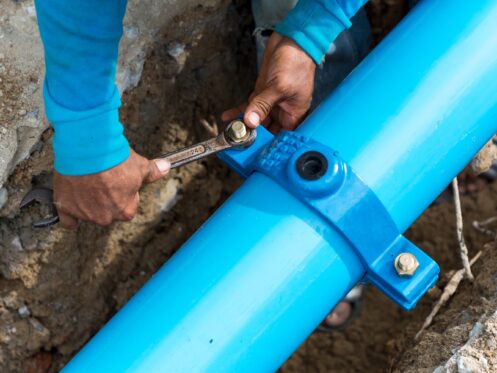
Replacing a sewer line isn’t something most homeowners think about until a bad smell or a soggy lawn makes the problem impossible to ignore. Understanding what drives the cost of a sewer line replacement can save you from sticker shock later.
Why Sewer Line Replacement Costs Vary
You might want a straight answer about how much sewer line replacement will cost, but it really depends on multiple factors. Your yard layout, how deep the pipe sits, and even the type of soil can all shift the price one way or the other. If your yard has landscaping, concrete, or anything that requires extra labor to dig through, those variables bump up the cost. Pipe length matters, too. A short section might not cost as much as you expect, but a full line replacement can quickly turn into a bigger project.
Next, you have the type of pipe to think about. Some older homes still have clay or cast-iron piping underground. Switching to newer materials like PVC or HDPE can help your system work better and avoid future issues, but the type you pick can change the price. If the line runs deep or stretches far, the crew needs more tools and time, which increases the cost.
How Access Affects the Price Tag
Getting to the pipe isn’t always easy. If your sewer line runs underneath your driveway or cuts under large tree roots, that changes the process. A straightforward dig in an open yard moves faster than one that requires concrete cutting or root removal. In some neighborhoods, there are permits involved before anyone breaks ground. That adds both time and expense.
Some projects also require trenchless technology, which skips the digging altogether but requires special tools. Trenchless repairs like pipe bursting or pipe lining can reduce the damage to your yard, but they don’t come cheap. You might pay more upfront, but you’ll also avoid the cost of fixing your landscaping afterward. Either way, you’ll want someone who can talk through the options with you and explain what works best for your situation.
Signs That Replacement Might Be Cheaper Than Repairs
You might think a quick fix could stretch your sewer line’s life out a few more years. Sometimes, that’s true. If the rest of the pipe is in decent shape and the problem is small, a repair works. But if you’re dealing with repeat clogs, backups, or root issues, a patch might just delay the real fix. At that point, it’s smarter to put your money toward something that will last.
Another red flag is repeated water damage or mold growth indoors. If you’ve already had to clean up more than one backup or if you’ve noticed the smell getting worse, it might be time to start fresh with a new line. Replacing the whole thing may seem expensive at first, but in some cases, it actually costs less than a series of emergency repairs.
Why Permits, Codes, and Inspections Matter
Sewer work’s more than just digging and dropping in a pipe. There are rules that need to be followed, and they actually matter. Plumbing codes are there to keep everything working safely. When a tech installs a new line, they stick to those rules so that it’ll pass inspection. It protects your home’s resale value and keeps your insurance from being voided due to unpermitted work.
Permits come with a fee, and some cities require multiple inspections depending on the scope. Skipping this step can result in fines or force you to redo the job later. Working with someone who knows your local codes makes the process smoother. They’ll handle the paperwork and explain what to expect. It might not be the most exciting part of the project, but it helps everything stay on track.
Different Methods of Replacement and What They Cost
There’s no one-size-fits-all approach to sewer line replacement. The two most common methods are traditional trenching and trenchless replacement. Trenching involves digging a path from your house to the city line. It gives the plumber full access to the pipe and works well when the line is too damaged for trenchless methods. It also tends to be the most invasive option and often leads to a higher cost if it disrupts landscaping or structures.
Trenchless methods like pipe lining or bursting let you keep most of your yard intact. In pipe lining, a resin-coated liner gets inserted and cured inside the damaged pipe. That creates a new pipe inside the old one. Pipe bursting, on the other hand, breaks the old pipe apart while pulling in a new one to take its place. These methods usually cost more per foot but save you money in yard restoration. They also tend to move faster and require less cleanup when the job’s done.
How Timing Affects Your Project
Not many people plan sewer line replacement during the dry season, but it can help the job go faster. Wet ground adds complications. If the soil is saturated, the trench might need extra support or take longer to backfill. Rain delays can also slow the process and leave parts of your yard open longer than expected. Choosing to replace the line during a dry stretch of weather can prevent unexpected schedule changes and keep the cost more predictable.
You’ll also want to think about timing in relation to your schedule. This type of job might mean your water is off for a day or two. Planning it when you’re already away from home or during a stretch when you can adjust your routine makes things less stressful.
Things You Can Do Now to Plan Ahead
You don’t need to wait for a full system failure to start thinking about your sewer line. If your home’s older or if you’ve had a history of plumbing problems, consider scheduling a camera inspection. A plumber threads a small camera into the pipe and shows you what’s happening inside. It’s a good way to spot early signs of damage without digging anything up. That knowledge can help you budget and make smarter decisions about timing.
It’s also smart to know where your line runs. Having a copy of your property’s plumbing layout makes it easier to plan for future work. If you don’t have one, you can usually request it through your city or a local permit office. Knowing the layout helps you protect that area from unnecessary digging or heavy equipment in the future. It also helps the crew get started faster if a replacement does become necessary.
Final Costs and What’s Worth Asking About
When you get a quote, make sure you understand what it covers. Some companies include permits and inspection fees whereas others treat them as extras. You should also ask whether cleanup is part of the job. Restoring your lawn or driveway can cost almost as much as the pipe work itself if it’s not handled well. If there’s a warranty on the work or the materials, get that in writing and find out what’s included.
You’ll want to ask about the type of pipe being used, how long the job will take, and whether you’ll have access to water during that time. A good plumber will walk you through the plan and answer your questions directly. Getting clear answers helps you compare your options and pick the one that makes the most sense for your home.
Replace Your Sewer Line Today
At Air Control Home Services in Lake Havasu City, we provide a wide variety of plumbing services, including drain cleaning, pipe repair, and more. Call us today to set up sewer service.