Get flexible financing and instant approvals for urgent home repairs—apply online today.

Tag: Electrical repair

Electrical inspection in Lake Havasu City, AZ

10 Warning Signs Your Home Is at Risk for an Electrical Fire

Electrical fires are serious and destructive hazards that impact thousands of homeowners each year. According to the Electrical Safety Foundation (ESF), approximately 51,000 electrical fires occur in America every year. These fires result in nearly 500 deaths and $1.3 billion in annual losses from property damage. In fact, the ESF reports that residential electrical distribution systems are the third-leading known cause of home structural fires. While most people understand that fires can start due to a spark or flame reacting to ignition, many homeowners are unaware of the possible sources of electrical fire located throughout the house. A look at the top 10 ways an electrical fire may start can help you take important steps to protect yourself and your loved ones.

1. Arc Faults

Arc faults occur when a high-powered electrical current flows through an unplanned path between two or more conductors. When a powerful discharge of electricity leaps between these conductors, the electrical current creates an “arc” or bowed shape along with sparks that may start a fire. According to the ESF, arc faults cause over 28,000 home fires in the United States per year. Arc faults can result from damaged wiring, frayed cords, or loose connections that inadvertently enable electricity to escape an intended path and take another course instead. Unfortunately, arcing faults can generate flash heat of up to 1,000°F and create a fire. To prevent arc faults, ask your electrician about installing arc fault circuit interrupters (AFCIs). An AFCI is a type of circuit breaker that detects and disrupts the flow of an electrical arc before it causes significant damage.

2. Short Circuits

Short circuits occur when an electrical current travels along an unintended path between two nodes with little to no resistance. As the name implies, short circuits travel a very short distance and can result in an excessive current flowing in a very limited amount of space. Short circuits can result in house fires, electrocution, or device failure. Unfortunately, common household activities can increase the risk of short circuits without anyone realizing it.

For instance, wires pinched from doors, windows, or furniture can disrupt the flow of electricity and create a short circuit. Instead of flowing down an intended path, the electrical current in the wire will simply travel to the nearest node. Similarly, a nail or screw that punctures an electrical cord in the wall can also disrupt electrical flow. Sings of a short circuit include breaker trips, blown fuses, or electrical appliances that suddenly shut down. Evidence of a previous short circuit may include charred light switches or burning smells. Reach out to an electrician if you notice any of these signs.

3. Faulty Electrical Outlets or Appliances

Faulty or aging outlets and appliances are more likely to have worn-down or defective cords, receptacles, switches, or plugs. These damaged parts can draw an excessive amount of power and generate dangerous levels of heat. The combination of wayward electrical current, high heat levels, and potential fuel from melting appliances can all cause a home fire. Experts recommend regular inspections of electrical outlets and routine maintenance of major appliances using the manufacturer’s instructions.

4. Overloaded Light Fixtures

Light fixtures represent another source of electrical fires. Every fixture or lamp in your house corresponds to lightbulbs with designated amounts of wattage. This denotes how much electrical current the lightbulb may safely draw and how much power it should supply. It’s important to always use the correct wattage when changing lightbulbs. For example, if your lamp requires a 40-watt lightbulb, resist the urge to replace it with a 70-watt bulb. When a bulb attempts to draw a higher current than the socket can supply, too much electricity can surge into an insufficient wire. This phenomenon is called “overlamping,” and it can generate excess heat and start an electrical fire. Never overload your fixtures in this way. If you need more powerful lighting, ask your electrician about installing LEDs that use less wattage but produce brighter light. LEDs also generate less heat than conventional incandescent bulbs.

5. Flammable Materials

Flammable materials near hot light fixtures or heaters can start an electrical fire. According to the U.S. Fire Administration (USFA), most electrical fires start in the bedroom even if the greatest number of fatalities occur in the living room or den. The bedroom is full of flammable materials like paper, bedding, curtains, clothing, or drapes. Keep these items far away from lampshades and other electric heating sources.

6. Extension Cords

Extension cord misuse is a top cause of electrical fires. Never use extension cords for large household appliances. If you do not have nearby outlets for major appliances, contact an electrician to install one for each unit. It’s also important to use extension cords with the correct amperage. If you attach an extension cord to a device that draws more amps than the cord can manage, the cord can easily overheat and spark a fire. For example, experts advise against attaching extension cords to power-drawing appliances like microwaves. Manufacturers also design indoor and outdoor extension cords differently. Outdoor cords often have ground fault circuit interrupters (GFCIs) for protection against accidental exposure to moisture or water. For this reason, you should never use an indoor cord on the outside of your home.

7. Portable Space Heaters

According to the USFA, space heaters are among the most common causes of fatal electric fires in the home. The space heaters that pose the greatest risk have super-heated coils on the surface. These coils can instantly ignite combustible materials like carpet or upholstery. If possible, avoid coil models and use liquid-filled “soft heat” space heaters instead. You should also look for a space heater with an automatic shut-off feature or overheat protection. The National Fire Protection Association (NFPA) recommends keeping your space heater at least three feet away from any flammable material and unplugging the device when it’s not in use. Never use a space heater with an extension cord.

8. Outdated Wiring

Old or outdated wiring can cause widespread house fires. If your home is more than 20 years old, reach out to an electrician to assess the condition of your wiring. For example, an older home may have deteriorated aluminum wires that your electrician may need to replace or upgrade with copper wiring. According to the Consumer Product Safety Commission (CPSC), houses with outdated aluminum wiring are 55 times more likely to have fire hazards than buildings with a copper wiring system. Signs of electrical wiring problems can include breaker box issues, flickering lights, or unexplained power outages. You may also notice that appliances feel overheated to the touch or smell burning odors in the home.

9. Ungrounded Plugs

Some appliances have three-pronged cords to ensure sufficient wattage and current flow. You should always use these appliances with a grounded outlet. This type of outlet has a third hole to create an additional path for stray electricity and helps prevent electrical figures. If your house is full of ungrounded plugs, reach out to an electrician to upgrade these outlets. Although it may feel tempting to circumvent this process using power strips and extension cords, doing so can quickly start an electrical fire.

10. Poor Modifications

Improper modifications or renovations can also cause electrical fires. For example, improper replacement of a breaker box can result in an overflow of electrical current that endangers your home. Trying to pick your own wiring that does not match the circuit amperage can also cause a fire. In addition, your local government may impose fines or other consequences if you alter an electrical system in a way that is not up to code. Insurance companies may also find you liable and deny any damage claims. It’s best to hire an electrician before any major home project.

Contact Us Today

While electricity has improved our lives for the better, electrical problems constitute major safety hazards. Fortunately, the experts are here to help. Air Control Home Services provides home electrical services in Lake Havasu City, Mohave County, and the surrounding areas. We offer electrical installations and routine electrical panel inspections. Our licensed electricians can upgrade your lighting or rewire the entire home. We also offer whole-home surge protection and EV charger installation. No matter the issue, we can help. Contact Air Control Home Services today for all of your electrical needs.

Electrical installation in Lake Havasu, AZ

What to do After an Electrical Fire

Your Lake Havasu house experiencing an electrical fire is one of the most terrifying things that can happen to you. Electrical fires spread so fast, engulfing everything in their path and putting lives in danger. But you can minimize damage and keep everyone safe by staying informed and acting quickly. This guide will provide you with a checklist of essential steps to take following an electrical fire.

Understanding Electrical Fires

An electrical fire is a type of fire that stems from electrical sources or systems. It can be dangerous because the source is often hidden behind walls and objects, and the smoke produced from burning wiring, insulation, and plastics can be lethal if inhaled.

The common causes of electrical fires include outdated wiring, overloaded circuits, faulty appliances or equipment, and improper use of extension cords. Natural phenomena such as lightning strikes and power surges from the grid can also trigger electrical fires.

Signs of an Electrical Fire

The first indication is often a burning smell. If a persistent burning odor without any visible source becomes apparent, it’s likely an electrical fire. The smell of melting plastic is also a tell-tale sign.

Next, watch out for smoke. Smoke from an electrical fire is usually thick and dark with a pungent odor. It doesn’t take long for the smoke to fill your house, so you must act fast before it becomes difficult to see and breathe.

Sparks, flickering lights, tripped circuit breakers, or blown fuses can all indicate an electrical fire. These signs are often accompanied by buzzing or humming sounds, and in some instances, you might even see flames.

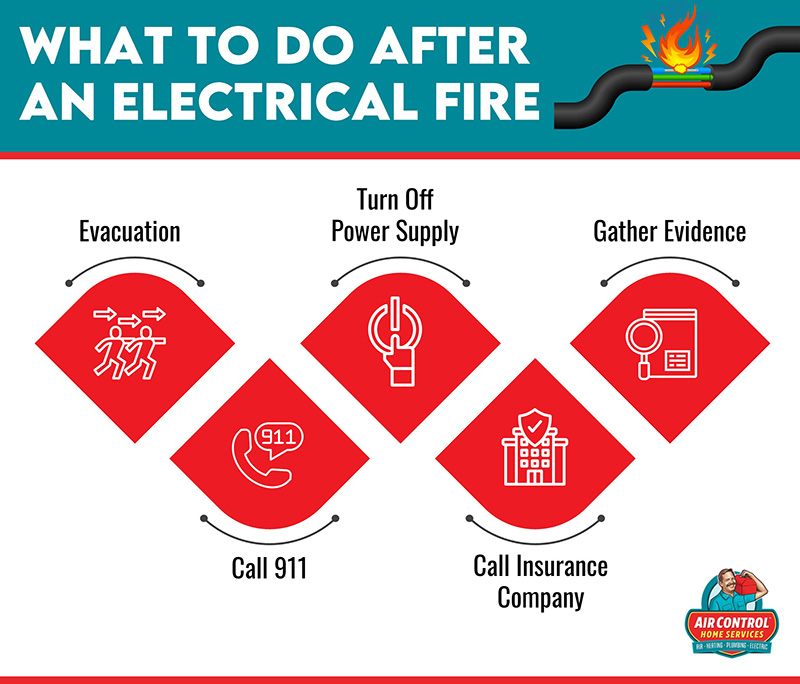
Immediate Steps After an Electrical Fire

Evacuation

The first step after discovering an electrical fire is to ensure everyone’s safety. Evacuate the building immediately and get everyone to a safe distance from the fire.

Call 911 or Your Local Emergency Services

Call for emergency services as soon as possible. Electrical fires are considered high-risk and can quickly get out of control. Inform the operator about the location of the fire and share any useful information, such as if anyone is trapped inside.

Turn Off the Power Supply

If it’s safe to do so, turn off the power supply to your home. This is commonly found in the basement, garage, or utility area. If you’re unsure how to do this, leave it to the professionals.

Call Your Insurance Company

what to do electrical fire

Be sure also to contact your insurance company and inform them about the fire. Failing to do this promptly may affect your coverage, and you may not receive the necessary assistance to cover damages.

Gather Evidence

Collecting evidence is necessary for a potential insurance claim. Take photos and videos of the damage caused by the fire as well as any damaged appliances or equipment. Don’t forget to ask the police and the fire department for a copy of their report, as it can serve as important evidence for your claim.

The Don’ts of Handling the Situation

Don’t Use Water

Water does not put out electrical fires and can make the situation worse by spreading the fire or causing electrocution.

Don’t Touch Anything

Anything that has been affected by the fire, including appliances, outlets, and switches, may still be electrified and dangerous. Leave the handling of damaged items to a professional electrician.

Don’t Attempt to Re-enter the Building

Even if you think the fire is under control or has been completely extinguished, never re-enter a fire-damaged building until it has been deemed safe by the authorities. There may still be hidden pockets of fire that can reignite or toxic fumes that can harm you.

Don’t Panic

Though it may seem challenging, especially amid chaos, panicking can cloud your judgment and hinder your ability to follow these steps effectively. Maintaining focus and clear thinking is crucial to handling the situation safely.

Restoring and Rebuilding

Choosing the Right Contractor for the Job

The most crucial aspect of rebuilding after an electrical fire is selecting the right contractor. Substandard work could expose you to the risk of another fire or other electrical hazards.

Start by verifying the licenses and certifications of potential contractors. For instance, the Certified Electrical Safety Technician (CEST) certification signifies a high level of expertise in electrical safety.

Next, ensure that the contractor you are considering has a proven track record of successfully managing electric fire-related restoration and rebuilding projects. You can ask for references or check online reviews and ratings to confirm their reputation.

You’ll also need to evaluate how the contractor handles your initial inquiries. Prompt and clear communication reflects professionalism and reliability, which are crucial qualities in an emergency.

Lastly, assess warranties and service guarantees. A reputable contractor will stand by their work and guarantee both materials and labor. Check to see if they are insured and bonded, as this will protect you in case of any accidents or damages during the rebuilding process.

Restoration Process

The contractor you choose will first clear out debris in the affected sites and then assess the extent of the damage. They will also conduct a thorough inspection to identify any potential hazards that may have been overlooked.

They will then begin the restoration process. This involves repairing or replacing damaged wiring and appliances, fixing structural damage, and thoroughly cleaning the affected areas to remove any lingering odors or soot. They’ll typically work closely with construction experts to restore your home’s aesthetics and functionality.

Once done, they will conduct a final inspection to ensure everything functions properly and safely. In case of any issues, the contractor should be readily available to address them and ensure your complete satisfaction before declaring the building safe for occupancy again.

Preventing Future Electrical Fires

Schedule Annual Inspections

Have a licensed electrician inspect your home at least once a year. They should look at everything, including outlets, wiring, appliances, and breaker boxes. This will help identify potential hazards or fire risks that you may not be aware of.

Avoid Overloading Outlets

Connecting too many devices to a single outlet can cause overheating and potentially lead to electrical fires. To prevent this, distribute your electronics and appliances across multiple outlets throughout your home. Avoid using extension cords for major appliances such as refrigerators or washing machines. If you rely heavily on extension cords, consider installing additional outlets to accommodate your needs.

Unplug Unused Appliances

Unplug unused small appliances such as toasters, blenders, and coffee makers to reduce the risk of them short-circuiting and causing an electrical fire.

Get Reliable Modern Smoke Alarms

Investing in modern smoke alarms can greatly reduce the risk of an electrical fire going unnoticed. These alarms can detect even the slightest traces of smoke and alert you immediately, giving you valuable time to evacuate safely.

Educate Yourself

Finally, educating yourself about electrical safety is crucial in preventing future fires. Learn how to identify warning signs such as flickering lights, buzzing outlets, or discolored switch plates. Follow proper maintenance practices for your appliances, and always seek professional help when dealing with any electrical issues.

Get Expert Help From Air Control Home Services Today

Being proactive and prepared is crucial when it comes to electrical fires. At Air Control Home Services, we have a team of experienced electricians who can help you with annual inspections, identifying potential hazards, electrical installation, and addressing any electrical issues in your home. Contact us today for reliable and efficient electrical services in Lake Havasu and surrounding areas. In addition to electrical work, we also provide HVAC, plumbing, and indoor air quality services to ensure your home is both safe and comfortable.

When an Electrical Outlet Stops Working What do You do?

When an Electrical Outlet Stops Working What do You do?

Electrical sockets are the power source for all your home’s electronic devices and appliances. Everything from your cell phone charger to your refrigerator relies on the socket, also referred to as an outlet, to connect your device to your home’s electrical grid. Unfortunately, as is the case with any type of home system, these sockets may stop working.

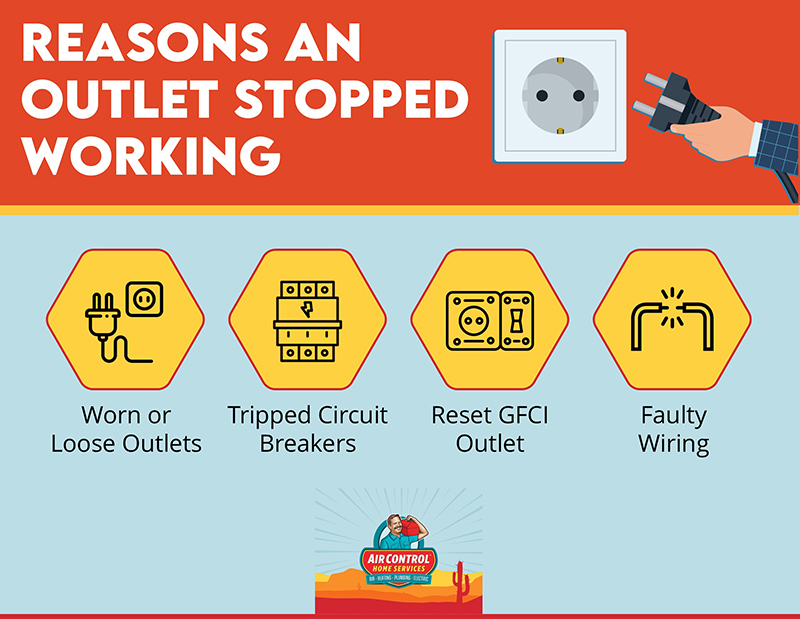
There are five key reasons an electrical outlet may stop working. Understanding the different reasons can help you select the best next step to take. You will know when to call an electrician for help and can give them a better idea of what’s happening when they show up to restore power to your home.

1. Worn & Loose Outlets

Socket connections on the inside of an outlet are supposed to hold a plug tightly. The plug should not snag or slip out when you plug something in. If any part of the metal prong is showing, then the outlet is too loose. Not only will the outlet not function correctly, but you may run into issues where the outlet sparks and creates a potential fire hazard. If you have outlets that are used often, they can experience normal wear and tear over time. This is especially true for outlets that have items plugged and unplugged on a regular basis. Examples include a kitchen outlet where you plug small appliances in. A bathroom outlet may experience similar issues when items like hair dryers are constantly plugged in and unplugged from the outlet.

The best fix for this is a new outlet replacement. An electrician can install a new outlet that will not leave you dealing with loose connections. You also have the option to upgrade the outlets to newer models and designs. For example, you could choose to have an outlet installed that features standard three-prong outlets and USB outlets built into the design. If you have young children in the home, you could replace the outlet with a childproof design that helps prevent accidental electric shocks.

2. Tripped Circuit Breakers

You may have a tripped breaker if an outlet causes a power surge or too much power goes from the outlet to the circuit breaker. The problem may not be with the outlet itself but with the circuit breaker. Open your circuit breaker and find the circuit associated with the outlet you are experiencing issues with. If a circuit trips, it will face the opposite direction of the other circuits. Simply flip the circuit back and test the outlet to see if you have power.

In many cases, a tripping circuit breaker is a temporary issue caused by a sudden surge of power due to too many items being in use in a small area of your home. If a circuit breaker continues to trip from the same outlet, then you probably need an electrician to inspect the situation. Depending on the reason for the issues, an electrician can either replace the faulty breaker or recommend upgrading your home’s electrical panel.

reasons outlet stop working

3. Circuit Breaker Issues

When a circuit breaker trips, the problem may lie within the circuit breaker itself. Worn and faulty wiring could result in circuit breaker issues for multiple rooms of the home. Circuit breaker upgrades could make a dramatic difference in your home. A complete inspection of your home’s electrical system by an electrician can help detect these issues. Along with wire replacements, an electrician can evaluate the current split of your circuit breaker.

For example, a kitchen circuit breaker may have too much power drawn from the same breaker. By splitting it off into two breakers, the power distribution becomes more even, and you will not run into any power issues when trying to use kitchen appliances like mixers, blenders, or air fryers. If you believe the power issues come from the circuit breaker, you should not attempt any of these repairs on your home. An electrician has the knowledge and experience to deal with these issues and prevent problems in the future.

4. GFCI Outlet Test Issues

In many areas of your home with water sources, you will notice the presence of GFCI outlets. These GFCI outlets are known as ground fault circuit interrupter outlets. They have technology built into them to prevent electrical shock when any devices accidentally make contact with water and cause an electric shock.

You can immediately spot a GFCI outlet from the two buttons placed in the center of the outlet. The buttons will have the labels “Test” and “Reset”. While typically used to test GFCI technology, the outlet will not work if the test button is pressed and left that way. If you find the outlet is not working, then unplug everything from the outlet and press the “Reset” button. Then, plug something back into the outlet and see if it works. If the plugged-in object still does not work, you may have a faulty GFCI outlet that needs replacement. An electrician can install a new outlet and ensure the GFCI functions work correctly.

5. Faulty or Damaged Wires

Between the outlets and your home’s circuit box lies a maze of wires between walls and ceilings. Old age, everyday wear, or interference from critters like mice can all create issues with those wires. Faulty or damaged wires may cause an outlet to work incorrectly. You may notice an outlet doesn’t work or seems weaker than usual. You may notice power flickers on and off from the outlet. All of these issues are signs of faulty or damaged wires.

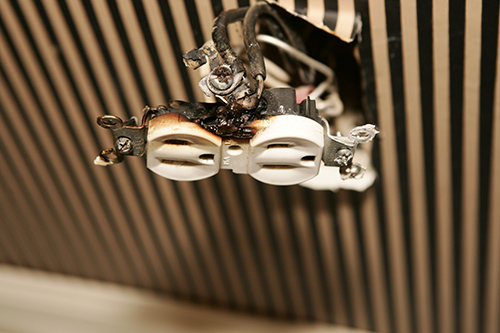
A burned electrical outlet hanging

The damaged wires could create a fire hazard, so you do not want to take any chances if you see any of these issues occur. Ideally, you should stop using the faulty outlets until an electrician has inspected and repaired the area. Repairs will not only help your outlets work again, but they can also help prevent any significant safety issues within your home. An electrician can run tests on the outlets and access specific areas where wires are not working correctly.

Professional Electrical Services in Lake Havasu City

At Air Control Home Services, we have years of electrical service, and we should be your first call when electric outlets stop working in your Lake Havasu City home. You do not want to ignore problems that could create even bigger issues. We have experience in many areas of electrical repair, including whole-home rewiring, electrical panel repairs, and lighting installation.

Along with electrical services, we offer a wide range of other services for the home. Our air quality services include duct sealing or installing an air purifier. We also provide air conditioning repairs and installation. These services include the installation of ductless AC units and smart thermostats. We also offer a broad range of plumbing services, including drain cleaning, tankless water heater installations, and bathroom plumbing upgrades.

To schedule an appointment for any of these services, contact us by phone or by going to Air Control Home Services ‘s website and completing our service request form online!

Air Control Home Services

Book Online

Book your service in less than a minute.