Arizona monsoons can wreak havoc on your home’s plumbing. However, as a homeowner, you have numerous strategies to protect it. Learn how the monsoon season in Kingman, AZ, affects your home’s plumbing system and the measures to take to safeguard it.
Sewer Line Backups
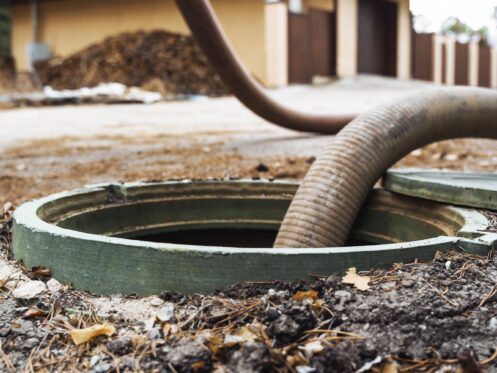
The heavy rains that fall during the monsoon season can quickly overwhelm the municipal sewer system in Kingman. Instead of flowing away from your home, sewage could back up into fixtures, like your toilet and sinks.
Lower the risk of sewer backups by installing a backwater valve in your plumbing system. This valve will automatically close if sewage tries to back up into your home. Additionally, during a monsoon, avoid flushing until the storm has passed.
Waterlogged Septic System
The excessive rainfall during a monsoon can quickly saturate and overwhelm the drainfield for your home’s septic system. A saturated drainfield is more prone to backups. It can also lead to foul odors inside your home and yard.
Limiting the amount of water you use during monsoons helps mitigate this problem. Moreover, divert runoff stormwater from the drainfield to prevent a waterlogged septic system.
Soil Shifting Around Pipes
When the soil on your property becomes saturated, it can shift, putting stress on the underground pipes. This pipework is then at a higher risk of cracking and leaking.
To avoid this problem, schedule a plumbing inspection with Air Control Home Services before the monsoon season begins. We will check the pipes for vulnerable sections and repair or replace those that could crack or leak due to soil shifting.
Outdoor Drain Clogs
Remember to safeguard the outdoor drains on your property. Debris from heavy rainstorms can clog your patio and yard drains, and clogged drains can lead to water pooling near your home’s foundation.
Clear the drains and gutters on your roof regularly. You may also find it useful to install drain guards to keep out debris such as leaves, twigs, and plastic bags that can clog drains.
Fungal Growth
Water leaks in damaged pipes can create ideal conditions in your home or yard for fungi to grow. Fungal growth leads to poor indoor air quality, weakened structural integrity, and can trigger respiratory symptoms in people with asthma and allergies.
Use moisture sensors to safeguard your home and plumbing system from this problem. Likewise, regularly inspect behind appliances and under sinks.
Pipe Corrosion
Along with cracked pipes, the monsoons in this part of Arizona can also put the pipes in your home and on your property at risk of corroding. High humidity in the atmosphere speeds up pipe corrosion, especially if you have galvanized pipework.
The best way to protect all of your pipes is to use dehumidifiers in key areas, such as the crawlspace, basement, and utility room. You can also repipe your home and upgrade to pipes made out of copper or PEX, which hold up better in high humidity and heavy rains.
Water Supply Contamination
Floodwaters from heavy rains can introduce contaminants, such as fungi and bacteria, into damaged pipes and private wells. If your home relies on well water, its water supply could quickly become unsafe to use.
Minimize the risk of supply contamination by installing a backflow preventer. This device maintains a one-way flow of water and prevents dirty water and contaminants from entering your well. The city of Kingman also requires certain plumbing systems, such as those with private wells, to have backflow preventers in them.
Sump Pump Overload
During and after precipitation, your home’s sump pump may struggle to keep up with demand. Heavy use will slow it down or prevent it from pumping out all the water in your basement or crawlspace.
Before the monsoon season arrives, test the sump pump at least once a month. Install a battery backup system for it to keep it running during power outages. Replace your sump pump every 7-10 years to reduce the risk of overload.
Tree Root Intrusion
Saturated soil from heavy rains encourages tree root growth. Those roots, however, can grow into your property’s sewer lines. Signs of root intrusion include:
- Slow-draining sinks, tubs, and toilets
- Frequent plumbing backups
- Gurgling sounds
- Sewage odors
The best way to protect your plumbing from this issue is to have it inspected annually. You can also use root barrier installations to prevent roots from entering sewer lines.
Higher Than Normal Water Pressure
Storm runoff can lead to sudden spikes in water pressure. This higher water pressure can then strain the pipes in your plumbing system and plumbing fixtures.
The solution to this risk is to install a pressure-reducing valve, or PRV. This valve has a spring-loaded diaphragm or piston that regulates water pressure, improves efficiency, and prevents pipe damage. It responds automatically to pressure changes, ensuring stable output.
Leaky Outdoor Faucet and Hose Bib
The heavy rains and winds of a monsoon can cause significant damage to exposed plumbing fixtures, such as your outdoor faucet and hose bib. Prolonged rainfall could seep into the wall around the hose bib, damaging it if the bib’s sealant is cracked or missing. If you leave the hose attached during a storm, high winds can pull on it, stressing the pipe threads and the valve.
Using an insulated cover helps protect the hose bib and outdoor faucet from damage. Check them for leaks after every storm. Hire one of our plumbers to repair or replace them as needed.
Foundation Cracks
Stormwater that pools around your home poses a serious hazard to the foundation. If it seeps into the foundation, it could cause damage such as cracks and shifting.
Protect the foundation by grading soil and other landscaping away from the house. Likewise, you can install French drains, which direct water away from the foundation.
Water Heater Stress
Despite being inside your home, the water heater can still sustain damage during a monsoon. For example, a power surge can disrupt its normal function and damage its wiring. Even more, pressure changes during a storm can stir up sediment in the tank, leading to problems such as reduced energy efficiency, decreased hot water supply, noisy operation, and a shortened lifespan.
Help your water heater withstand a monsoon better by using a surge protector. Additionally, hire us to flush it out at least once a year to remove sediment in its tank.
Air Admittance Valve Failure
Sudden pressure changes during a storm can cause the AAV, or Air Admittance Valve, to fail. This valve is used for venting in key areas, such as a kitchen island or under a sink.
Before the monsoon season starts, test the AAV and replace it if it shows signs of damage or wear. You can also replace it with a higher-quality one that has a rating for pressure fluctuations.
Reliable Plumbing Services in Kingman
At Air Control Home Services, we have nine years of experience providing effective plumbing services for homeowners in the Kingman area. Our family-owned, second-generation business has an A+ rating and accreditation from the Better Business Bureau. We are a Trane Comfort Specialist and a Ductless Elite Pro. In addition to helping you protect your home’s plumbing system, our business also installs and services other plumbing fixtures, such as water heaters and water softeners.
Contact Air Control Home Services for reliable plumbing services today.